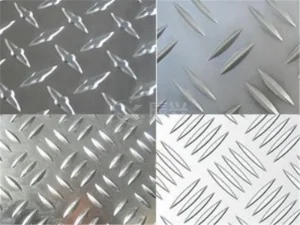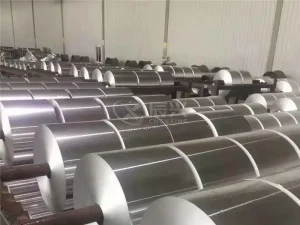
Explore our core technical product range, engineered to meet stringent global manufacturing parameters.
In the contemporary global metallurgical sector, the purchasing paradigm for aluminum (Al) coils and raw materials has shifted from basic price-per-ton metrics to complex, multi-variable optimization. Enterprise sourcing departments now prioritize raw material purity, geometric precision, decarbonized production streams, and localized regulatory compliance. China, which accounts for over 50% of the world's primary aluminum output, has transitioned its industrial base from low-cost mass production to high-precision, smart manufacturing.
This industrial evolution is driven by significant infrastructure investments in continuous casting, automated cold-rolling mills, and digital quality monitoring. Modern Chinese factories provide specialized alloys that meet or exceed ASTM, EN, and JIS standards. Sourcing from top-tier Chinese manufacturers allows global firms to optimize their supply chains, reduce lead times, and maintain strict tolerances for applications ranging from battery foils to aerospace sheets.
Modern production utilizes electromagnetic stirring and multi-stage ceramic filtration systems to reduce hydrogen content and inclusions. This process guarantees clean internal microstructures, preventing pinhole defects in thin-gauge foils.
Precise thermal processing and cold-reduction schedules produce uniform mechanical characteristics. Standard structural tempers like H14, H18, T6, and T651 show minimal springback and consistent yield-to-tensile ratios.
Our operational metrics reflect our commitment to technical precision and a resilient global supply chain.
Twenty years of continuous metallurgical refinement, handling complex alloy chemistries and custom rolling schedules.
Active supply chains across the Americas, Europe, and Asia-Pacific, managed by experienced trade operations teams.

Real-time monitoring from casting to final coil slit. Every shipment is verified with optical emission spectrometers and ultrasonic testing.

Our engineers provide comprehensive technical support within 24 hours, utilizing structured 8D analysis to resolve production anomalies.
The transition of leading Chinese aluminum facilities to Industry 4.0 principles has changed the dynamics of high-volume metal fabrication. Modern rolling mills rely on automated systems to ensure dimensional consistency. Closed-loop thickness control systems use real-time X-ray gauge monitoring to adjust roll gaps dynamically. This technology keeps thickness deviations for cold-rolled products within ±1%, providing high flat-surface quality and consistent edge profiles.
Additionally, modern facilities use advanced flatness control systems. Dynamic shape rolls adjust local tensions across the width of the sheet, preventing edge waves and center buckles. This is crucial for downstream processes like high-speed slitting, deep drawing, and lithographic print processing. Integrating smart logistics centers and automated storage networks allows companies to track batch numbers from raw ingots to finished coils, ensuring complete material traceability.
| Manufacturing Technology | Operational Parameters | Direct Quality Benefit for Buyers |
|---|---|---|
| Hydraulic AGC (Automatic Gauge Control) | Real-time X-ray monitoring with millisecond feedback loops | Extremely tight thickness tolerances (±0.005mm on thin-gauge foils) |
| Automatic Flatness Control (AFC) | Dynamic segmented roll cooling and shapemeter roll regulation | Zero wave or buckle defects, optimized for high-speed automated stamping |
| Electromagnetic Stirring (EMS) | Controlled melt homogenization during casting stage | Uniform distribution of alloying elements, reducing mechanical anisotropy |
| Multi-Stage Inline Degassing | Rotary rotor injection of inert argon-chlorine gas mixtures | Hydrogen levels kept below 0.12ml/100g Al to prevent structural porosity |
Industrial applications require specific alloy compositions to achieve optimal performance. Sourcing teams must choose the correct chemical compositions and processing steps to balance mechanical strength, corrosion resistance, and workability. The table below outlines the properties and typical applications of common alloy series produced by top Chinese manufacturers.
| Alloy Series | Chemical Designation | Key Properties | Primary Industrial Applications |
|---|---|---|---|
| 1xxx Series | Al ≥ 99.00% (e.g., 1050, 1060, 1100) | High thermal and electrical conductivity, excellent corrosion resistance, high formability. | Battery current collectors, chemical processing vessels, electrical conductors, cookware blanks. |
| 3xxx Series | Al-Mn (e.g., 3003, 3105) | Moderate strength, excellent weldability, superior corrosion resistance, good deep-drawing capabilities. | HVAC heat exchangers, automotive heat shields, pressure equipment, roof cladding sheets. |
| 5xxx Series | Al-Mg (e.g., 5052, 5754, 5083) | High fatigue strength, excellent resistance to marine corrosion, good weldability. | Marine hulls, automotive body panels, inner structures, chemical storage tanks. |
| 6xxx Series | Al-Mg-Si (e.g., 6061, 6082) | Heat-treatable, medium-to-high strength, excellent corrosion resistance, good structural extrudability. | Structural framing, truck body components, architectural window frames, machinery platforms. |
| 7xxx Series | Al-Zn-Mg-Cu (e.g., 7075) | Ultra-high mechanical strength, excellent strength-to-weight ratio, high fracture toughness. | Aerospace structural spars, military equipment, high-stress tooling molds, sports gear components. |
| 8xxx Series | Al-Fe-Si / Others (e.g., 8011, 8079) | Excellent ductility, high barrier properties, high tensile strength at ultra-low gauges. | Pharmaceutical blister packs, flexible food packaging barrier foils, air conditioning fins. |
Modern aluminum manufacturing supports several major global industries. For example, in the automotive sector, reducing vehicle weight to lower emissions has increased the use of 5xxx and 6xxx series aluminum sheets for exterior hoods, doors, and body-in-white structures. These alloys must offer both high formability during press cycles and sufficient strength after paint baking to resist dents.
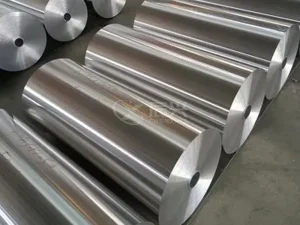
In clean energy, the demand for battery-grade foil has grown rapidly. Lithium-ion battery manufacturers require ultra-thin cathode foils down to 10-12 microns. These foils must maintain high tensile strengths (>200 MPa) to withstand high winding tensions during assembly. Additionally, strict surface cleanliness is required, with zero residual rolling oil, to ensure proper adhesion of the active cathode slurry.
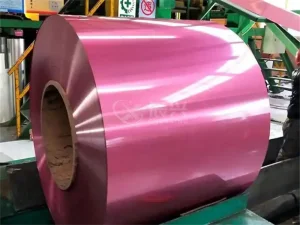
For building exteriors, polyester (PE) and fluorocarbon (PVDF) coated coils are engineered to withstand environmental exposure. Advanced coating lines use multi-stage pre-treatments to clean the surface, followed by precise paint thickness control. This ensures long-term resistance to chalking, cracking, and fading, even in environments with high UV exposure or coastal salt spray.
Providing specialized metallurgical solutions for key industrial and technical sectors worldwide.
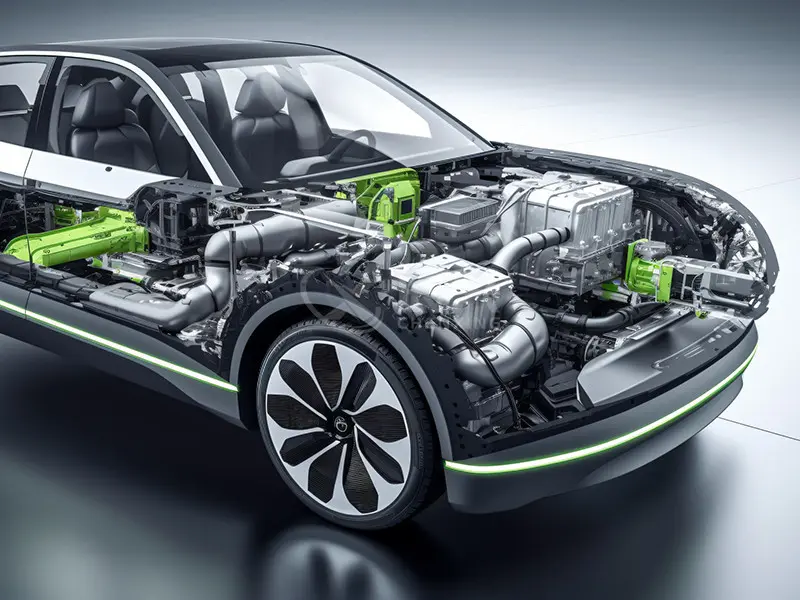
High-strength sheets and extrusions for automotive structural parts, railway carriages, and trailer bodies to reduce overall weight.
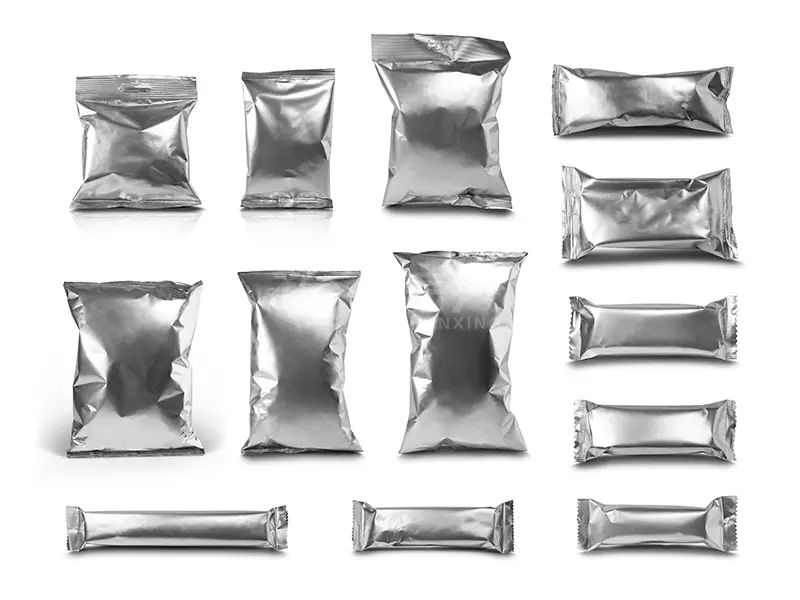
Food-grade foils and containers that provide strong barrier protection against light, moisture, and gases.

High-purity foils and sheets for electrolytic capacitors, electronic housings, and heat sinks.

High-strength 7xxx series alloy plates and structural shapes engineered to withstand extreme mechanical loads.
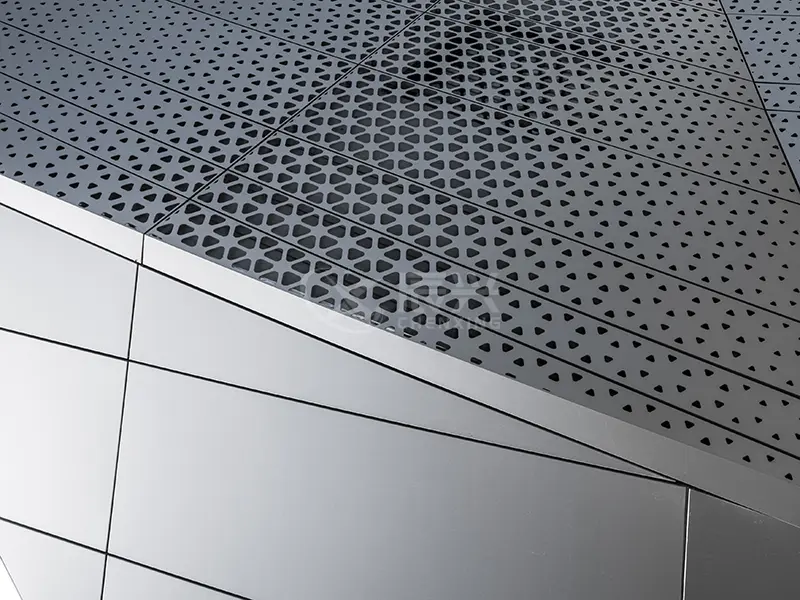
Pre-painted coils and extruded profiles for building facades, roofing systems, and window framing.

Brushed and mirror-finish sheets with anti-fingerprint coatings, designed for modern home appliances.
Navigating the international metals trade requires a thorough understanding of trade regulations, tariffs, and environmental requirements. Sourcing teams must evaluate the total cost of ownership, which includes shipping costs, duties, and local compliance costs. Compliance with environmental policies like the European Union's Carbon Border Adjustment Mechanism (CBAM) has become a key factor for international procurement.
To address these challenges, leading Chinese factories work to document and reduce their carbon footprint. Utilizing low-carbon energy sources, such as hydropower in southwestern China, and incorporating high ratios of recycled aluminum helps lower the embedded emissions of the finished products. Procurement departments must verify that their suppliers provide accurate Mill Test Certificates (MTCs) and comply with international regulations like RoHS and REACH.
We supply materials with clear batch numbers, accompanied by Mill Test Certificates (EN 10204 3.1) that document chemical analysis and mechanical testing results.
Export packaging is designed to prevent corrosion during transit. We offer robust packaging configurations, including "Eye-to-Wall" and "Eye-to-Sky" arrangements, combined with silica desiccant bags and multi-layer moisture barriers.
Common technical questions answered by our engineering and logistics teams.
Our complete metallurgical range is designed to support demanding industrial manufacturing processes.
Provide your desired alloy grade, thickness, temper, and order volume. Our engineering team will review your requirements and provide a formal quote within 24 hours.
Industry insights and updates from our manufacturing facilities.
Our production facilities report a steady increase in export shipments of high-precision semi-finished coils. This growth is driven by international manufacturers restructuring their supply chains to secure reliable raw materials.
Read Full Report
Demand for high-purity battery foil remains strong, supported by the global expansion of electric vehicle manufacturing. Our rolling mills continue to optimize their processing lines to meet the strict cleanliness and tensile requirements of the industry.
Read Full Report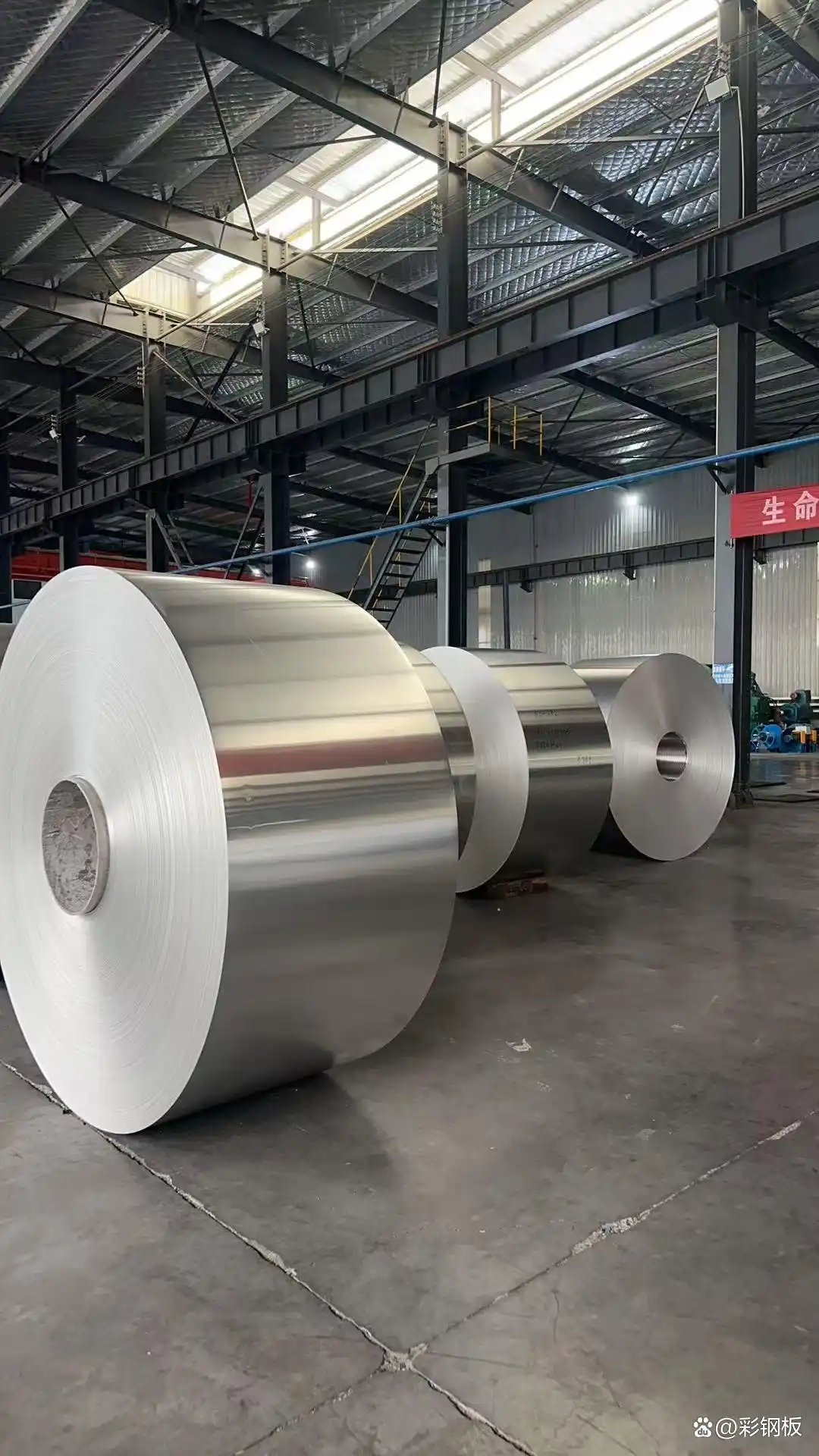
The transition toward energy-efficient building systems and recyclable packaging continues to drive global aluminum consumption. We analyze the growth outlook for common alloys in key markets and review current regulatory compliance structures.
Read Full Report