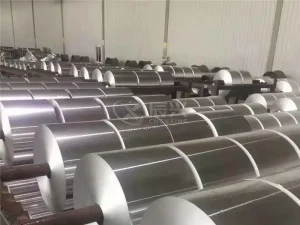
High-precision aluminum solutions configured for critical industrial applications, manufactured to international ASTM and EN standards.
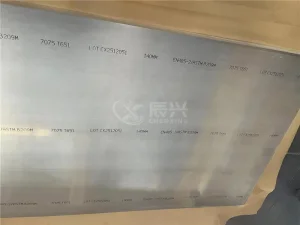
Deep metallurgical experience in hot rolling, cold drawing, and precision tempering.
Providing seamless customs transit and localization compliance across multiple continents.
Intelligent quality control mapping with real-time chemical analysis and mechanical testing.
Rigorous 8D issue resolution structure backed by round-the-clock technical service engineers.
The search for high-reliability components in today’s manufacturing landscape inevitably points to the selection of structural aluminum alloys. Among the 6000-series family, which is alloyed with magnesium and silicon, the A6061 designation stands out as a foundational element of modern lightweight engineering. This technical guide explores the characteristics, metallurgy, processing pathways, and supply dynamics of China-produced A6061 aluminum, providing structural engineers and procurement officers with the details required for industrial sourcing decisions.
At its core, A6061 is a precipitation-hardened aluminum alloy. The primary alloying elements are Magnesium (Mg), ranging from 0.8% to 1.2%, and Silicon (Si), ranging from 0.4% to 0.8%. Together, they form magnesium silicide (Mg2Si), which serves as the key phase for the precipitation strengthening mechanism. A small addition of Copper (Cu, 0.15% to 0.40%) is utilized to increase raw strength, while Chromium (Cr, 0.04% to 0.35%) helps control grain structure growth during heat treatments.
| Mechanical Property | A6061-O (Annealed) | A6061-T4 (Naturally Aged) | A6061-T6 (Artificially Aged) |
|---|---|---|---|
| Tensile Strength (MPa) | ≤ 150 | ≥ 205 | ≥ 290 |
| Yield Strength (MPa) | ≤ 85 | ≥ 110 | ≥ 240 |
| Elongation at Break (%) | 20 - 25 | 16 - 20 | 8 - 12 |
| Brinell Hardness (HB) | 30 | 65 | 95 |
Note on Temper Configuration: For load-bearing operations, the T6 temper is the standard requirement. This is achieved by solution heat-treating the alloy at approximately 530°C (990°F), quenching in water, and then artificially aging the material at 160°C to 180°C (320°F to 360°F) for an optimized duration. This process forms coherent needle-shaped precipitates that block dislocation movement, stabilizing the alloy's mechanical strength.
Chinese factories process A6061 billet through several primary pipelines:
Extrusion Lines: Billet induction heating furnaces feed heavy extrusion presses (ranging from 800 to over 10,000 metric tons of force). This setup produces precision structural profiles, hollow tubes, and custom tooling shapes. The exit temperature of the profile is monitored closely to ensure quench speeds conform to dynamic grain structure limits.
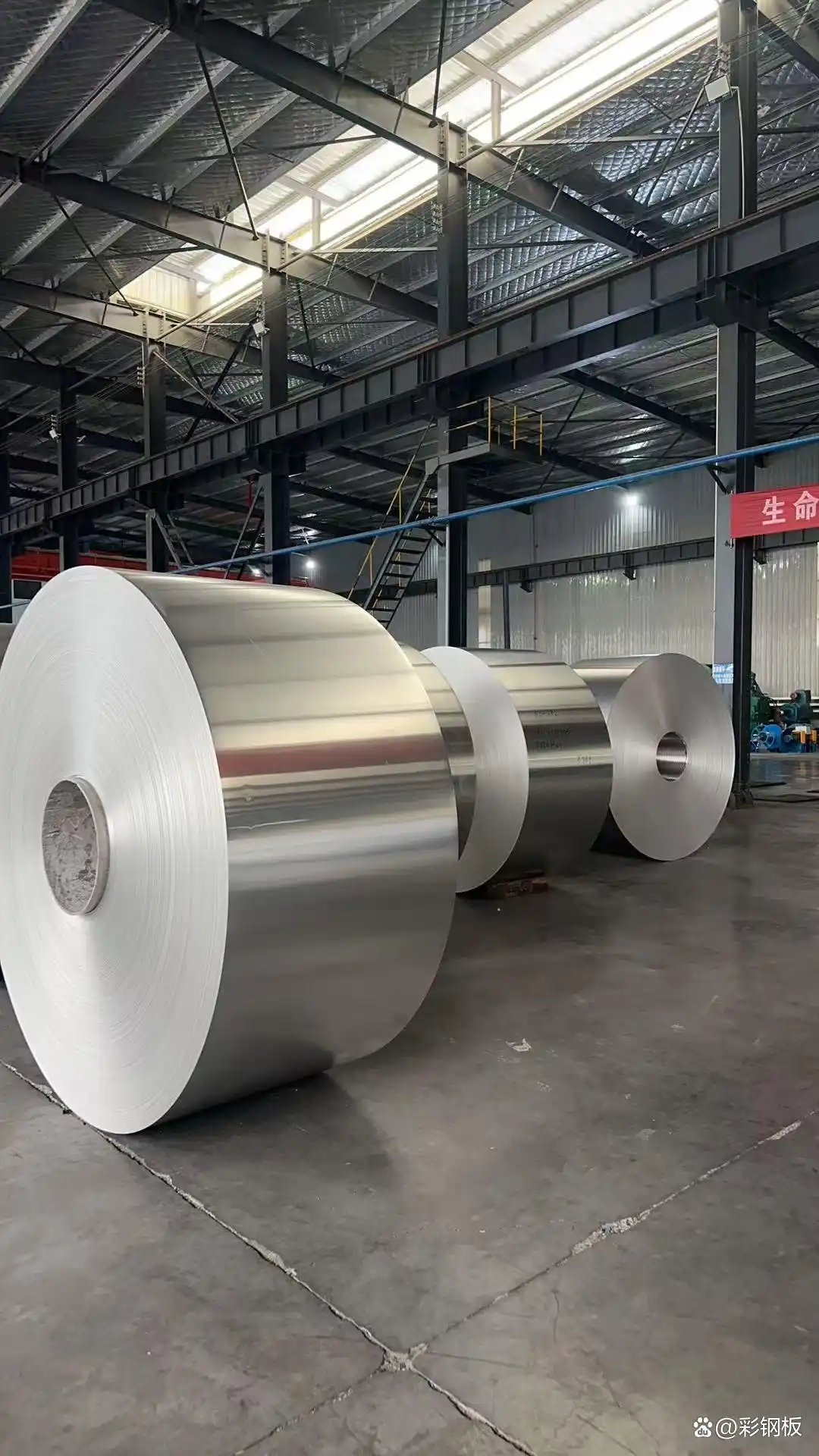
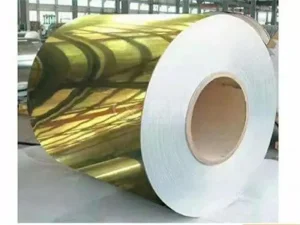
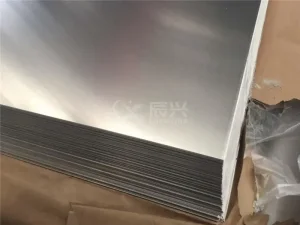
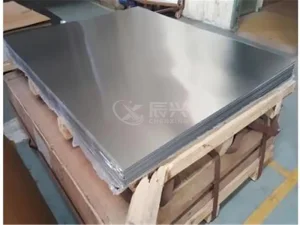
Rolling Mills: For structural plates and sheets, slabs undergo multi-stand hot rolling before finishing on cold-rolling tracks to achieve dimensional tolerance requirements. Modern Chinese mills use Automatic Gauge Control (AGC) systems to monitor thickness variations across the product's width.
Surface Conditioning: A6061 is highly suitable for anodizing. The silicon content allows for a clean oxide layer growth, which supports coloring and increases corrosion protection. Anodizing, chemical bright dipping, powder coating, and mechanical brushing are routinely performed inside vertically integrated manufacturing facilities.
How advanced metallurgy and smart manufacturing processes are reshaping performance standards for A6061 alloys.
Adopting hydropower and low-carbon smelting processes to reduce scope 1 & 2 carbon footprints. Implementing closed-loop scrap recycling systems to reincorporate post-industrial extrusion ends without compromising alloy purity.
Precise adjustments to titanium and chromium ratios to produce refined, equiaxed grain boundary structures. This optimization reduces susceptibility to micro-cracking during severe bending and multi-axis CNC milling.
Real-time monitoring of extrusion press speeds, pressure profiles, and quench cooling rates using AI-driven feedback loops. This system reduces structural variability between separate batches to very low margins.
A6061's versatile properties make it a key material choice across key economic and structural sectors.
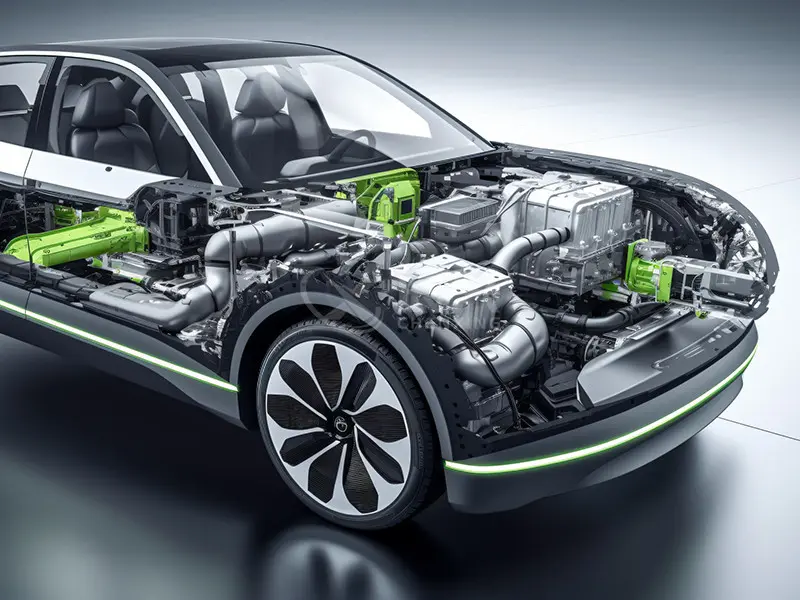
Used in EV battery enclosures, crash boxes, sub-frames, and suspension components. Its strength-to-weight ratio directly contributes to vehicle range extension and cabin protection.

Utilized for fuselage framework structural stiffeners, hydraulic manifolds, and landing gear parts. Its reliable fatigue resistance ensures safe operation under fluctuating load pressures.

Applied in smart-device internal structural frames, CNC-machined laptop enclosures, and heat sinks. The material offers good thermal dissipation coupled with robust structural rigidity.
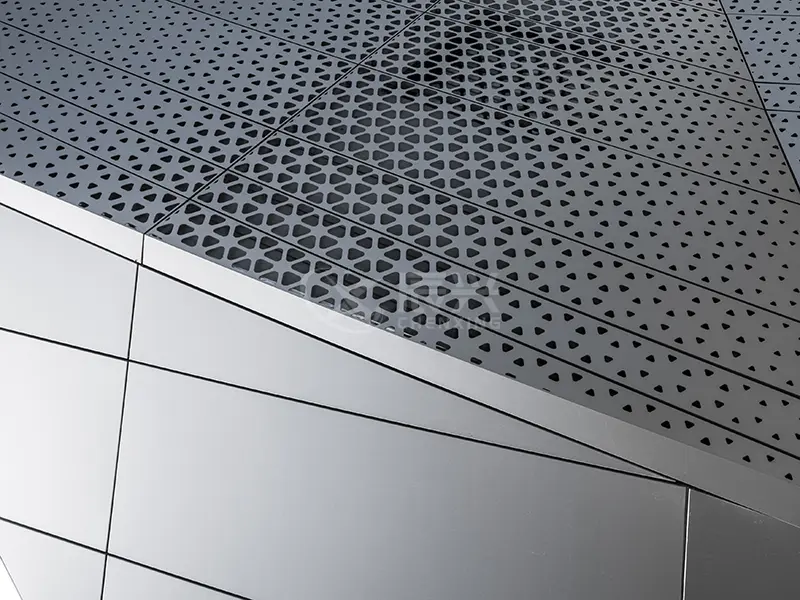
Used for heavy-duty structural frames, specialized window frame systems, bridges, and solar panel racking systems where high corrosion resistance is required.
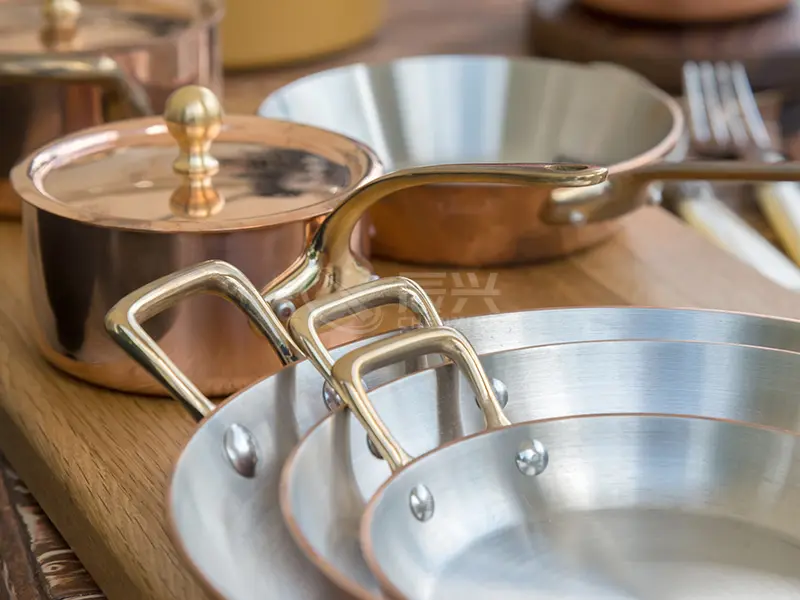
Found in high-end refrigeration structural trims, washing machine internal components, and custom appliance hardware requiring a clean anodized finish.
Used in industrial containment systems, transport canisters, pressure vessels, and specialized storage tanks that require strong weldability and leakproof characteristics.
Navigating global procurement requires more than understanding metallurgy; it demands partner factories that are structurally integrated into efficient logistics clusters. Chinese aluminum manufacturers operate within dense regional supply ecosystems located in provinces like Henan, Shandong, and Guangdong. These regions offer distinct operational advantages:
Industrial scale is supported by proximity to primary alumina smelters, molten aluminum transport networks, and local master alloy refiners. This integration minimizes transport costs and reduces thermal energy loss during casting operations, leading to competitive pricing structures for the end buyer.
Sourcing from these hubs allows access to complete manufacturing support on one site. A typical factory can handle die design, rapid CAD/CAM CNC tooling, trial extrusion runs, final heat treatments, surface anodizing, and multi-axis precision milling. By reducing intermediate handling between subcontractors, production cycle times can be cut significantly.
Modern shipping practices depend on close links with major deep-water ports such as Qingdao, Shanghai, and Shenzhen. Our factories coordinate with international freight forwarders to manage customs documentation, packing methods (such as moisture-resistant shrink wraps and heavy-duty steel strapping), and sea transport bookings. 8D reporting methods and automated tracking platforms help ensure that order progress is monitored and documented from casting to final port delivery.
Technical clarifications on alloy performance, processing options, and sourcing logistics.
While both belong to the Al-Mg-Si family, A6082 is generally a higher-strength alloy containing more manganese (0.4% to 1.0%), which replaces copper and refines grain structures. A6082 is widely used in European markets for structural applications, while A6061 is the standard choice in North American markets and features better machinability and surface finish characteristics.
Yes, A6061 is highly weldable using gas tungsten arc welding (GTAW/TIG) or gas metal arc welding (GMAW/MIG). However, post-weld heat treatment is typically required to restore strength in the heat-affected zone (HAZ). ER4043 and ER5356 are the most common filler metals used, with ER4043 preferred for minimizing cracking and ER5356 chosen when matching color anodizing is necessary.
Every production lot is verified through optical emission spectrometry (OES) chemical analysis and tensile tests in accordance with ASTM B557 / ASTM B221. Additional testing, such as eddy current inspection, ultrasonic flaw detection, and salt spray testing (ASTM B117), can be conducted to verify surface integrity and structural density upon request.
Anodizing is an conversion process that builds up and penetrates the surface. Standard decorative anodizing increases dimensions by 5 to 15 microns per surface (with half of that layer penetrating the base metal). Hard-coat anodizing (MIL-A-8625 Type III) can create a layer of 50 microns or more. These dimensional changes must be planned for in drawing tolerances prior to CNC milling.
We restrict hazardous substances in our melting formulations. Our A6061 extrusions contain lead (Pb) and cadmium (Cd) levels well below the thresholds defined by RoHS and REACH. Compliance certificates and material test reports (MTR) are provided with every shipment.
Read about current developments in global logistics, product innovations, and metallurgical standards.
Contact our metallurgical engineering team. We provide material certifications, custom extrusion die estimates, and global logistics options within 24 hours.
Browse our additional catalog of specialized aluminum alloys, coil systems, and high-performance packaging components.