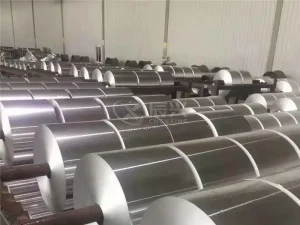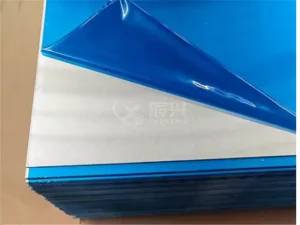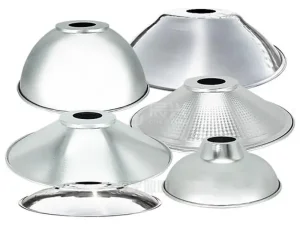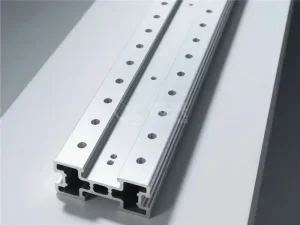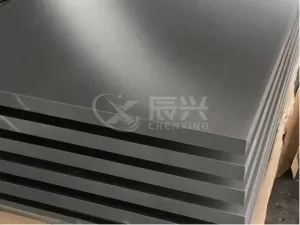
Explore our foundational range of heavy-duty, corrosion-resistant aluminum sheets, coils, and specialty plates sourced directly from our automated production facilities.
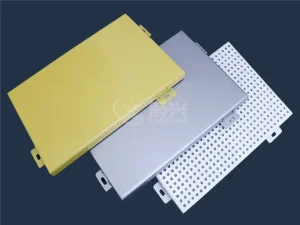
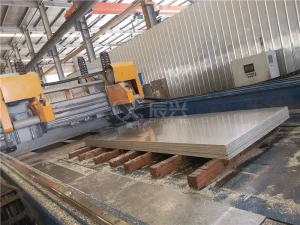
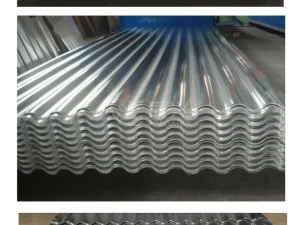
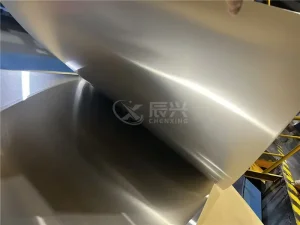
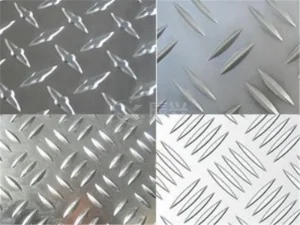
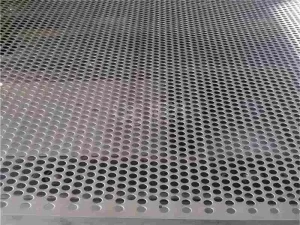
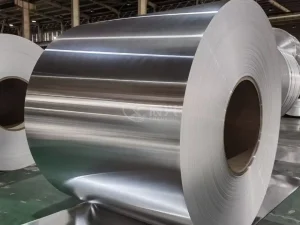
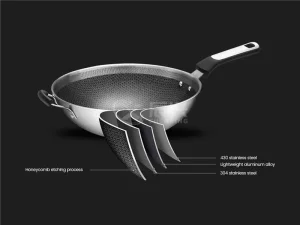
6061 aluminum alloy stands as the benchmark structural material of the 21st century. Belongs to the 6000 series (Al-Mg-Si family), it provides an optimized composition profile combining high structural strength, outstanding weldability, exceptional corrosion resistance, and superb machinability. As a leading China 6061 aluminum factory and company, we deliver this crucial material in multiple heat-treated conditions, primarily T6 and T651, to cater to demanding environments ranging from micro-machined parts to large-scale structural frames.
On a global scale, the utilization of 6061 alloys has expanded dramatically. Thanks to the growing emphasis on vehicle weight reduction to meet greenhouse gas emission criteria and the fast-evolving aerospace sector, high-spec light materials are experiencing unprecedented demand. Aluminum 6061 remains the undisputed material of choice for engineers worldwide who require structural integrity without the heavy penalty of steel.
"The balanced properties of 6061-T6 aluminum make it highly versatile. It features a yield strength of at least 35,000 psi (240 MPa) and a tensile strength of 42,000 psi (290 MPa), allowing it to directly substitute heavy structural carbon steels in environments where salt spray, chemicals, or atmospheric moisture are prevalent."
The premium properties of 6061 alloys are heavily dependent on exact stoichiometric proportions of magnesium and silicon, which form the magnesium silicide (Mg2Si) precipitate phases. The addition of trace elements like chromium and copper further refines the grain structures while improving crack propagation resistance. Below is the standard composition profile our foundry adheres to, ensuring compliance with both ASTM B209/B221 and EN 485 specifications:
| Element | Minimum Weight % | Maximum Weight % | Primary Metallurgical Function |
|---|---|---|---|
| Silicon (Si) | 0.40% | 0.80% | Combines with Mg to form Mg2Si hardening phase. |
| Magnesium (Mg) | 0.80% | 1.20% | Controls structural strength and thermal precipitate aging response. |
| Iron (Fe) | 0.00% | 0.70% | Residual element, kept low to prevent brittle Al-Fe-Si phases. |
| Copper (Cu) | 0.15% | 0.40% | Improves solid solution strengthening and hardness. |
| Chromium (Cr) | 0.04% | 0.35% | Suppresses recrystallization, maintaining fine grains during heating. |
| Manganese (Mn) | 0.00% | 0.15% | Controls recrystallization and grain size uniformity. |
| Titanium (Ti) | 0.00% | 0.15% | Acts as grain refiner during initial ingot solidification. |
| Aluminum (Al) | Balance (Remainder) | Base metal. | |
Our engineering lineage spans two decades, shipping state-of-the-art aluminum products to dynamic industrial landscapes globally.


The global sourcing logic for aluminum products has evolved from raw price tracking to complex supply chain resilience. High-quality 6061 alloys require not just correct raw inputs, but advanced thermal execution. At our China-based plant, our competitive advantage lies in vertical integration. We operate direct casting facilities that process molten primary aluminum from localized smelters, reducing re-melting losses and trace iron contamination, resulting in far superior mechanical consistency.
Our continuous casting-direct rolling lines ensure that structural defects, like porosity or oxide inclusions, are thoroughly eliminated before rolling. Additionally, our factories are equipped with heavy extrusion presses (ranging from 1,000 to over 10,000 tons) capable of fabricating thin-walled structural geometries and heavy plates with unprecedented dimensional accuracy.
Furthermore, our digital tracking integrates a strict 8D Response Model. Every batch produced is stamped with a unique traceability code linked to its spectroscopic composition, heat treatment curves, ultrasonic testing reports, and dimensional calibration logs. This transparency is why international buyers from over 35 countries rely on us to fuel their high-tech assembly lines.
Because of its robust profile, 6061 and adjacent alloys operate within major structural sectors. Discover how our customized plates and extrusions perform under extreme service conditions.
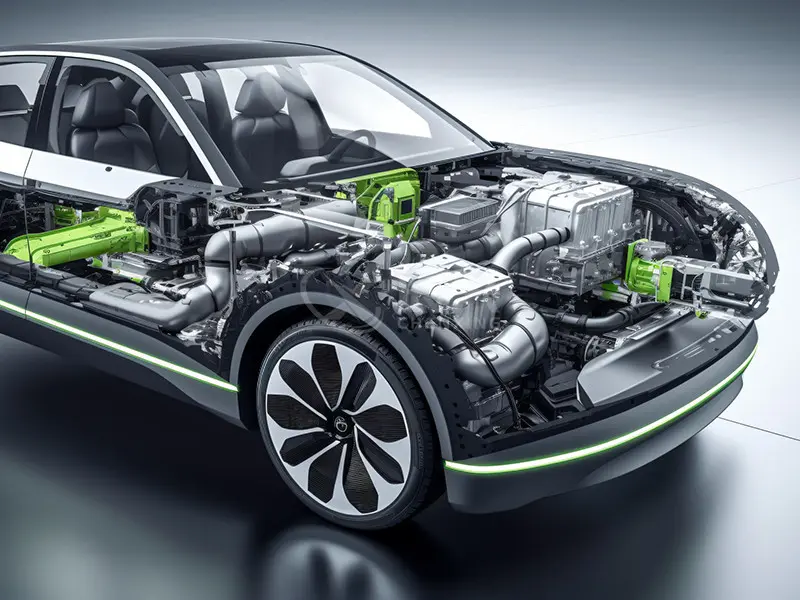
Utilized in structural subframes, heavy-duty cargo containers, and automotive crash boxes, enabling structural safety with minimal weight profiles.
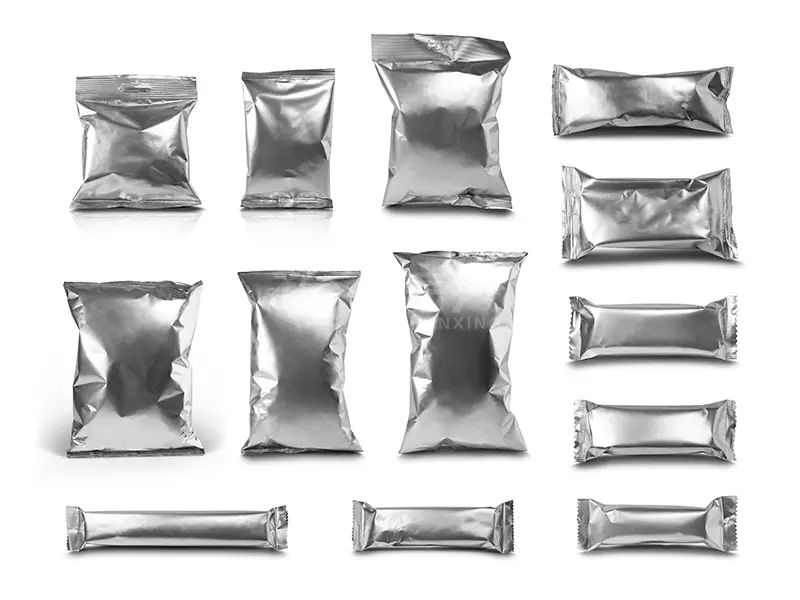
Providing high-barrier protective foils and flexible laminates optimized for chemical resistance, light protection, and shelf-life extension.

Ideal for laptop housings, smartphone chassis, and high-performance heat sinks, ensuring high heat dissipation and sleek anodized finishes.

High-reliability structural components, wing spars, and aircraft skin panels engineered to resist high fatigue stresses and cold temperatures.
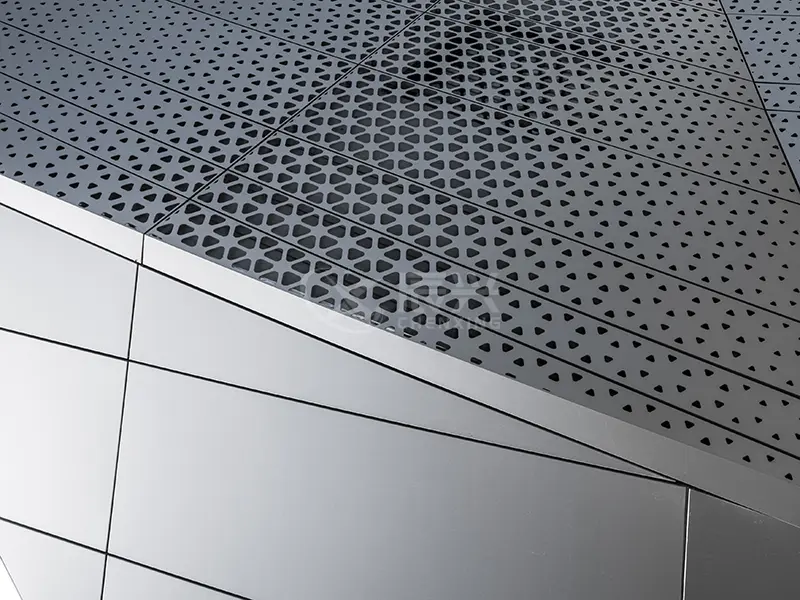
Engineered for lightweight cladding, structural frames, and heavy-duty roofing panels built to withstand extreme environmental challenges.
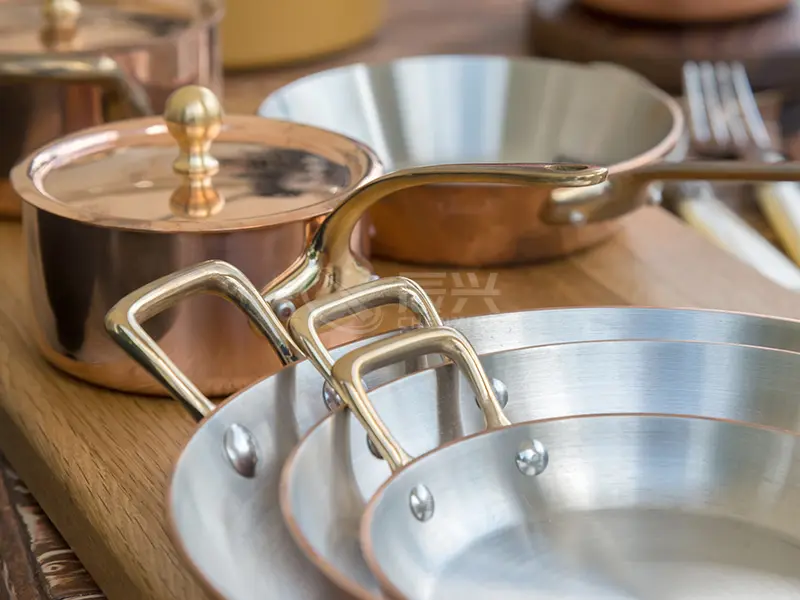
Corrosion-proof trims, compressor cooling tubes, and structural parts for wash tubs, refrigerators, and premium kitchen products.
Industrial procurement managers looking for a dependable China 6061 aluminum company evaluate vendors on three primary vectors: metallurgical purity, flatness tolerances, and machining stability. In precision CNC milling operations, residual internal stresses in standard aluminum plates can cause severe dimensional distortion (warpage) after the skin is machined off.
To prevent this, our facilities specialize in the T651 stress-relieved condition. After solution heat-treatment, plates are stretched mechanically using high-capacity tensioners. This minor plastic deformation redistributes and minimizes interior residual stresses, ensuring that the material remains perfectly flat and stable during complex, deep-pocket CNC milling.
Moreover, the shift toward sustainable and green manufacturing has changed global procurement guidelines. Modern enterprises actively prioritize suppliers that implement low-carbon smelting procedures and utilize clean energy grids. By optimizing our energy consumption and incorporating closed-loop scrap recycling processes, we significantly reduce the carbon footprint per ton of aluminum plate produced, aligning our operations with your ESG directives.
Keep pace with global industrial updates, technological innovations, and market developments affecting the aluminum supply chain.
Find direct, metallurgical answers to common questions about sourcing and working with 6061 and related aluminum alloys.
The difference lies entirely in stress relief. While both states undergo solution heat treatment and artificial aging, 6061-T651 undergoes a mechanical stretching process right after solution treatment to eliminate internal residual stresses. This mechanical stress relief prevents dimensional warping when parts undergo intensive milling or machining.
6061 offers good corrosion resistance to fresh water and marine atmospheres. However, in persistent sea immersion conditions, 5083 or 5052 alloys are generally preferred because of their superior protection against pitting. When using 6061 in marine environments, hard anodizing or protective marine coating systems are strongly recommended.
Alloy 6061 is highly weldable but suffers from heat-affected zone (HAZ) strength reduction. Filler metals such as 4043 (for superior bead aesthetics and crack control) or 5356 (for higher weld ductilities and post-weld anodizing color matches) are the industry standards.
Yes. We possess an array of extrusion presses capable of forming custom profiles to your precise CAD drawings. We also provide post-extrusion services including heat treating, anodizing, precision cutting, and drilling.
Send your dimensional requirements, alloy types, and tolerance specifications to our engineering office. Receive a comprehensive quotation and production timeline within 24 hours.
Submit RFQ NowWe manufacture advanced foil gauges, barrier products, and building trim elements built for modern packaging and interior insulation systems.