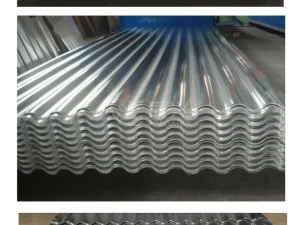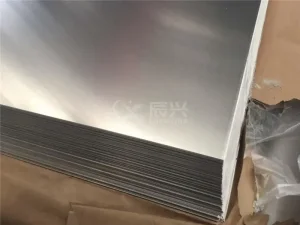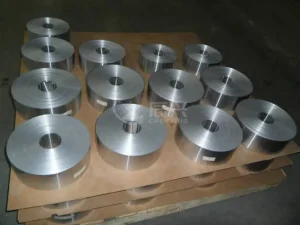
Premium grade aluminum sheets, coils, and specialty plates sourced directly from our advanced production lines.
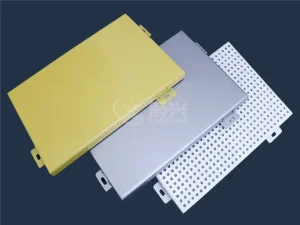
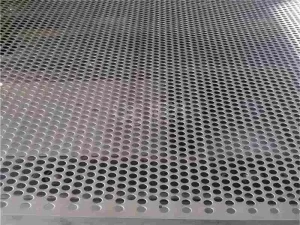
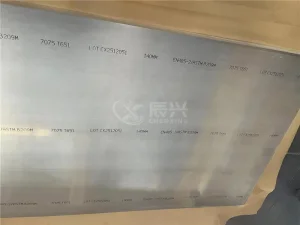
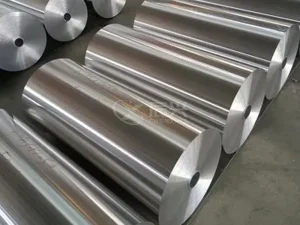
A comprehensive deep dive into mechanical properties, maritime certifications, international supply chain dynamics, and structural reliability.
5083 aluminum alloy belongs to the non-heat-treatable Al-Mg-Mn family. Known for its exceptional performance in extreme conditions, it contains between 4.0% and 4.9% Magnesium (Mg), which provides high work-hardening capabilities and superior corrosion resistance, specifically in marine environments. The presence of Manganese (Mn) and Chromium (Cr) refines grain structures and boosts strength without reducing the alloy's structural integrity or weldability.
Selecting the correct temper is paramount to ensuring structural performance. For applications involving dynamic cyclic loads and marine hulls, manufacturers choose between H116 and H321 tempers. H116 offers high exfoliation corrosion resistance and is stabilized, while H321 offers similar mechanical properties but is specifically stress-relieved to prevent stress-corrosion cracking (SCC) under continuous load. Understanding these differences prevents structural issues in high-stress maritime environments.
| Chemical Element | Min (%) | Max (%) | Mechanical Properties (Typical) | Value |
|---|---|---|---|---|
| Magnesium (Mg) | 4.00 | 4.90 | Tensile Strength (UTS) | 275 - 350 MPa |
| Manganese (Mn) | 0.40 | 1.00 | Yield Strength (0.2% offset) | ≥ 125 MPa (O Temper) / ≥ 220 MPa (H116) |
| Chromium (Cr) | 0.05 | 0.25 | Elongation (A50) | 10% - 16% (Depends on Thickness) |
| Silicon (Si) / Iron (Fe) | - | 0.40 / 0.40 | Elastic Modulus | 71 GPa |
Note from the Director of SEO Growth & Technical Metallurgy: When importing 5083 sheets, it is essential to verify ASTM B209 and EN 485 specifications. Make sure you request a Microstructure Examination Report to ensure the absence of continuous intergranular grain boundaries of beta-phase (Mg₂Al₃) precipitate, which is the primary cause of intergranular stress corrosion.
Global demands for light-weight structural alloys have seen significant increases due to decarbonization targets. In Europe and North America, maritime shipyards, LNG storage projects, and rolling stock builders rely heavily on imports from top-tier Chinese 5083 factories. Sourcing from China provides a balanced mix of production scale, advanced hot-rolling technologies, and competitive pricing structures.
For logistics managers, navigating international import restrictions requires clear trade strategy. By working with factories that hold certifications from major marine bodies (such as ABS, DNV, CCS, LR, and RINA), buyers can ensure their materials meet the standards necessary for critical structural builds.
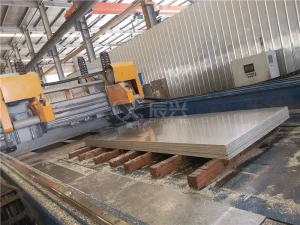
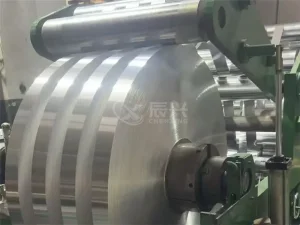
Large-scale infrastructure and marine vessel construction require reliable supply chains. Material shortages or quality issues can lead to costly downtime in shipyards and manufacturing plants. Our factory addresses these pain points by integrating primary smelting, hot rolling, cold rolling, and precision shearing into one single facility.
By controlling the supply chain from raw material to finished plate, we manage minor alloy composition variations to keep them within strict margins. This level of quality control prevents unexpected cracking during cold bending, machining, and robotic welding procedures.
To maintain high mechanical and corrosion performance, our processing facility follows a rigorous manufacturing roadmap:
Where high corrosion resistance meets mechanical strength: our alloys are optimized for extreme conditions.
Perfectly optimized for yacht hulls, catamaran frames, offshore platforms, and patrol boats. Our sheets offer high salt-water corrosion resistance.
Maintains excellent impact strength and mechanical properties at temperatures as low as -196°C, making it ideal for LNG containment tanks.
Utilized in structural components for logistics hubs, high-strength framework, chemical storage domes, and structural claddings.
Used to construct lightweight sub-frames for high-speed rolling stock and subway cars, reducing energy consumption and operational emissions.
Manufactured to precise flatness tolerances for aerospace fixtures, structural tooling plates, and industrial packing systems.
High machinability makes our 5083 plates perfect for injection molds, pressure vessel components, and household design projects.
Detailed metallurgical and procurement answers directly from our factory directors.
Stay up to date with metallurgical advances, export policies, and global aluminum market trends.
Our production facilities have added new hot-rolling capacity to meet growing global demand for high-strength structural alloys.
Read Full Update →
An in-depth look at how the transition to clean energy is driving the demand for high-purity aluminum foil in battery production.
Read Full Update →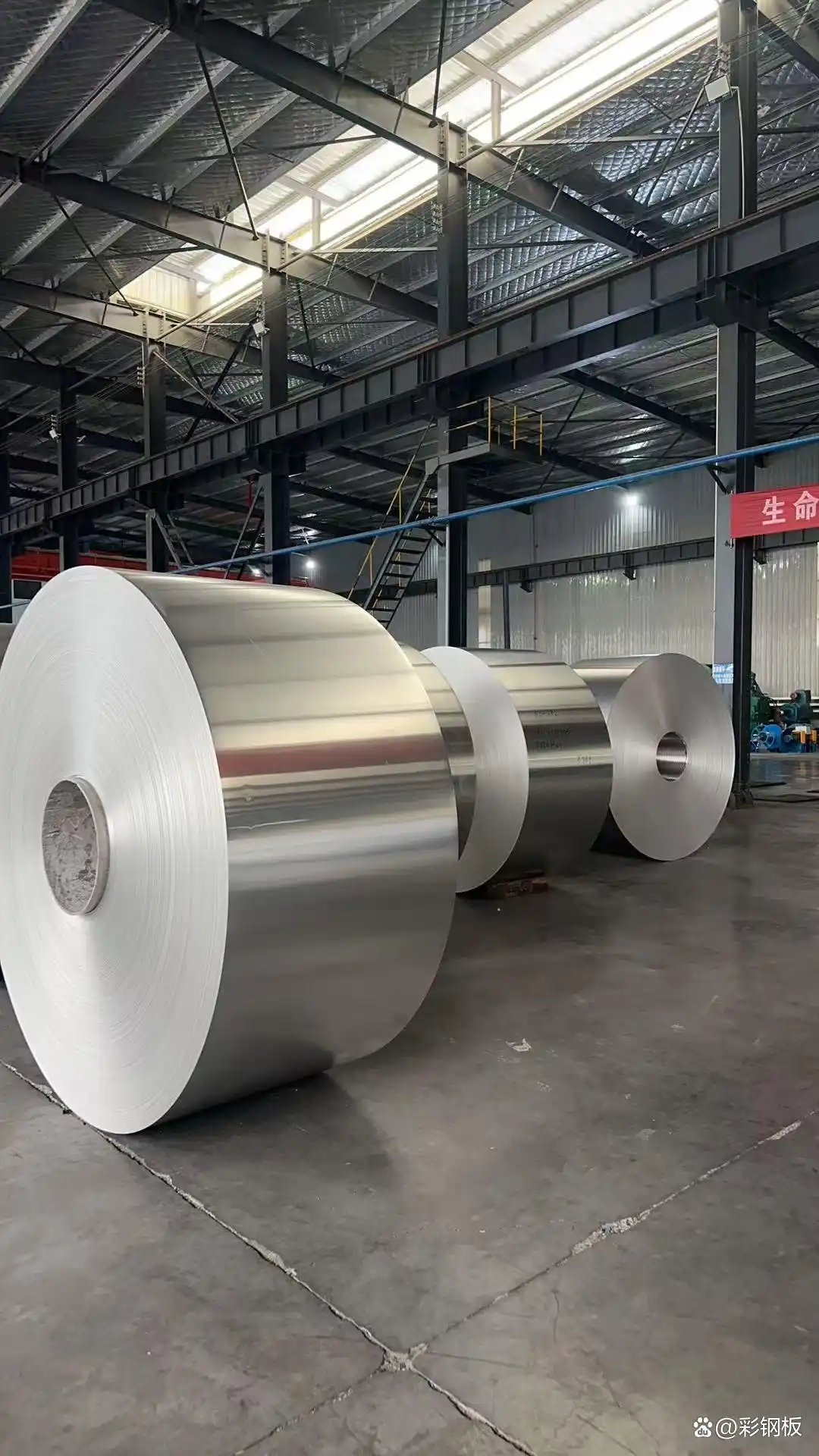
Exploring how carbon-reduction regulations are steering engineering firms toward recyclable structural alloys like 5083.
Read Full Update →Get in touch with our engineering and sales teams. We will provide pricing, product availability, and certification options within 24 hours.
Explore our full range of manufactured items, from high-performance veneer to protective cladding solutions.