Understanding the metallurgical composition, properties, and shifting trade patterns of Manganese-alloyed aluminum.
The 3003 aluminum plate represents one of the most widely consumed Al-Mn (Aluminum-Manganese) rust-proof alloys on the global market. Characterized by its moderate strength, exceptional formability, outstanding corrosion resistance, and superb weldability, the 3003 series bridges the performance gap between non-heat-treatable pure aluminum (such as the 1000 series) and higher-strength structural alloys (such as the 5000 and 6000 series). Crucially, the addition of approximately 1.0% to 1.5% Manganese (Mn) as the primary alloying element enhances tensile strength by roughly 20% compared to Series 1100, without compromising the material's thermal conductivity or galvanic properties.
Internationally, the demand for 3003 aluminum plates has surged due to the rapid growth of the automotive heat exchanger market, heavy manufacturing industries, and chemical storage infrastructures. As global standards for fuel economy and industrial emissions tighten, manufacturers have increasingly turned to lightweight alloys. 3003 aluminum plays an indispensable role in HVAC components, evaporator coils, radiators, fuel tanks, and battery cooling plates. Today, global supply chains depend heavily on Chinese rolling mills to satisfy this demand, owing to their vast raw material access, state-of-the-art hot-rolling (1+4) production lines, and competitive pricing frameworks.
| Alloy Element | Silicon (Si) | Iron (Fe) | Copper (Cu) | Manganese (Mn) | Zinc (Zn) | Aluminum (Al) |
|---|---|---|---|---|---|---|
| 3003 Limit (%) | 0.6 max | 0.7 max | 0.05 - 0.20 | 1.0 - 1.5 | 0.10 max | Remainder |
Evaluating structural cost-efficiency, modern production technology, and integrated supply networks.
Leading Chinese factories employ continuous casting and hot rolling technologies (such as SMS Siemag setups), yielding isotropic structural properties. This guarantees uniform thickness tolerance and zero directional tearing during deep drawing or stamping procedures.
With integrated operations that run from raw bauxite refining to sheet coil processing within localized industrial parks, Chinese mills reduce lead times. Standard orders are routinely manufactured, packaged, and shipped within 20 to 30 days.
By leveraging economies of scale, regional energy structures, and highly optimized labor pools, China-based aluminum factories present a significant cost benefit. Procurement departments can achieve up to 15-25% reduction in overall sourcing costs.
Beyond simple scale, Chinese mills excel in tailoring alloy temperings to specific use cases. Whether a client requires 3003-O (soft annealed for deep-drawn containers) or 3003-H14 (half-hard for general architectural panels), modern Chinese producers implement computerized annealing cycles. This process yields strict control over grain sizes and recrystallization parameters, directly minimizing mechanical variations between production batches.
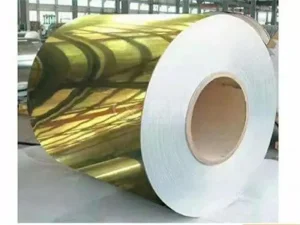
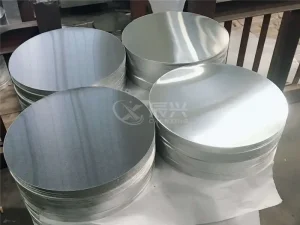
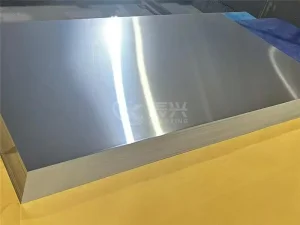
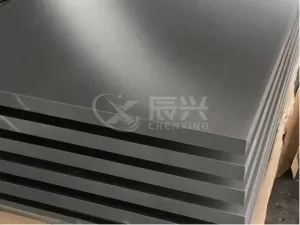
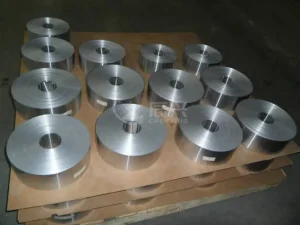
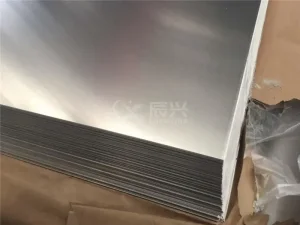
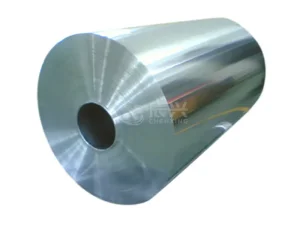
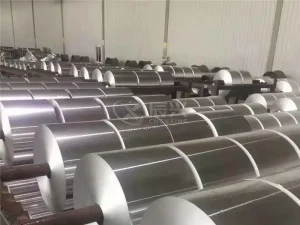
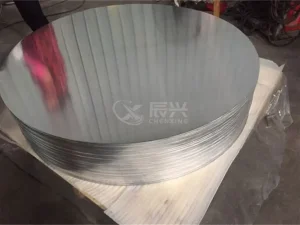
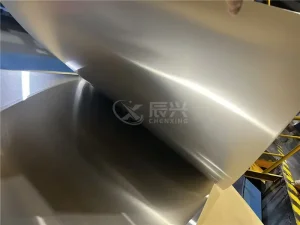
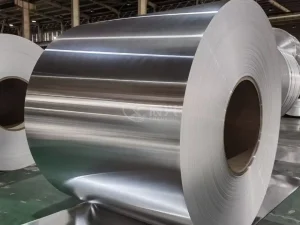
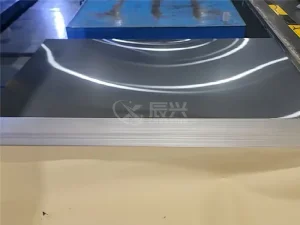
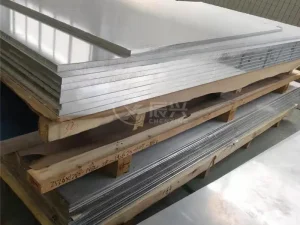
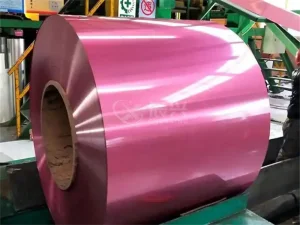
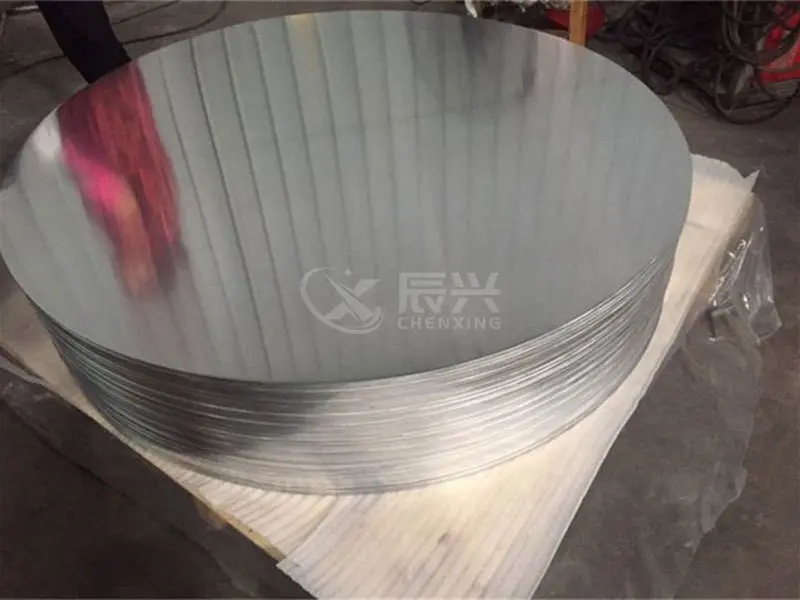
We offer a wide variety of aluminum products designed to meet diverse industrial demands, including circles, sheets, coils, and foils.
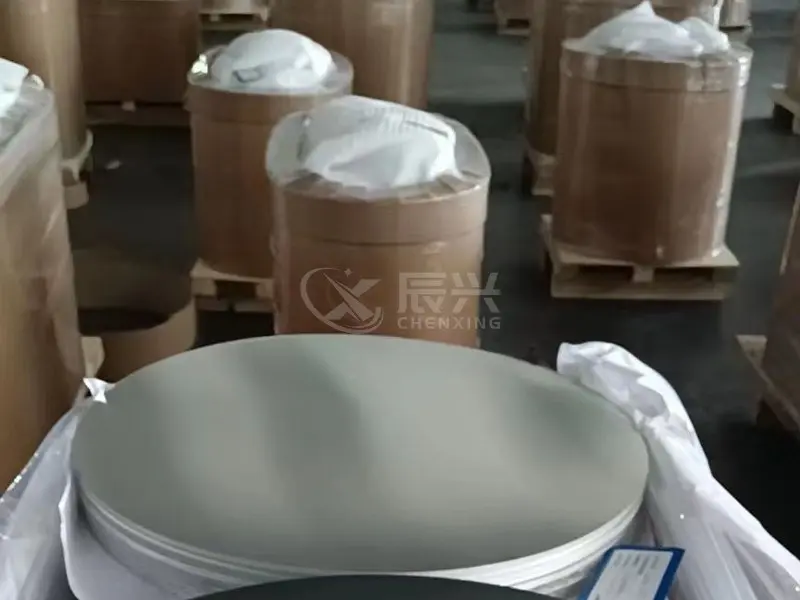
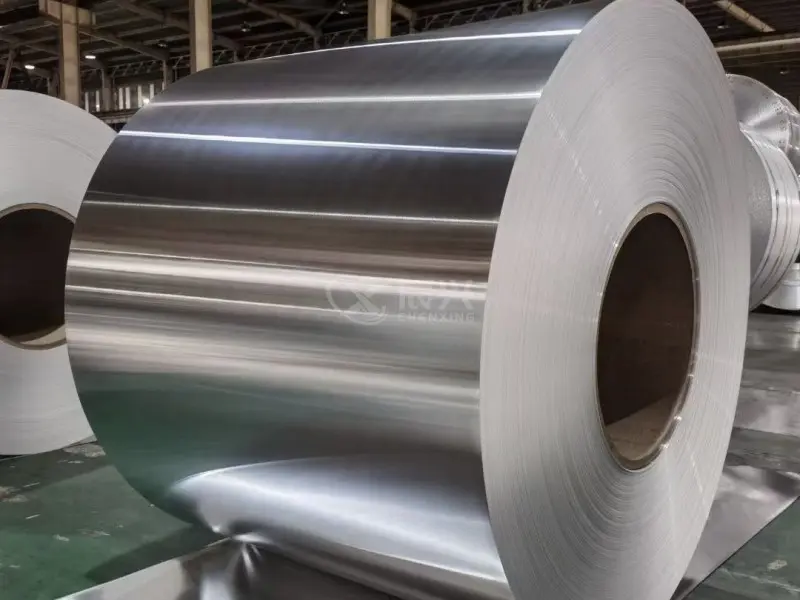
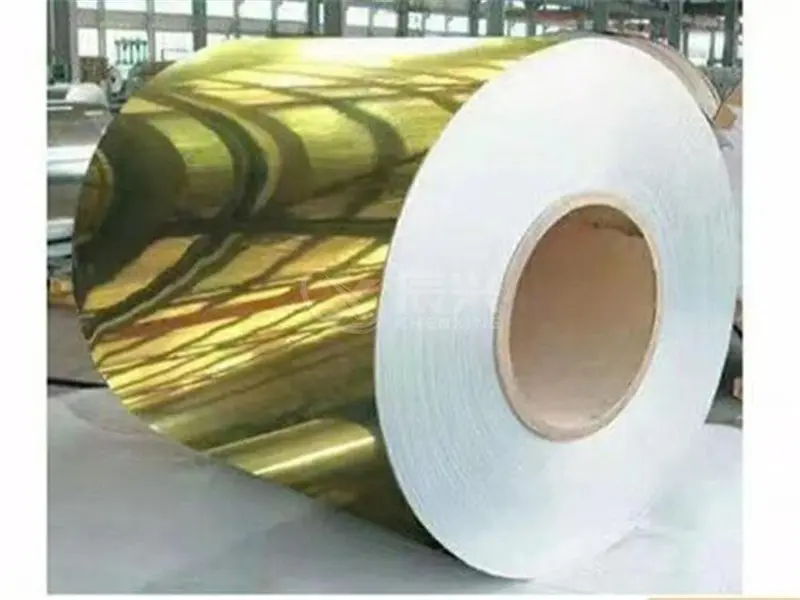
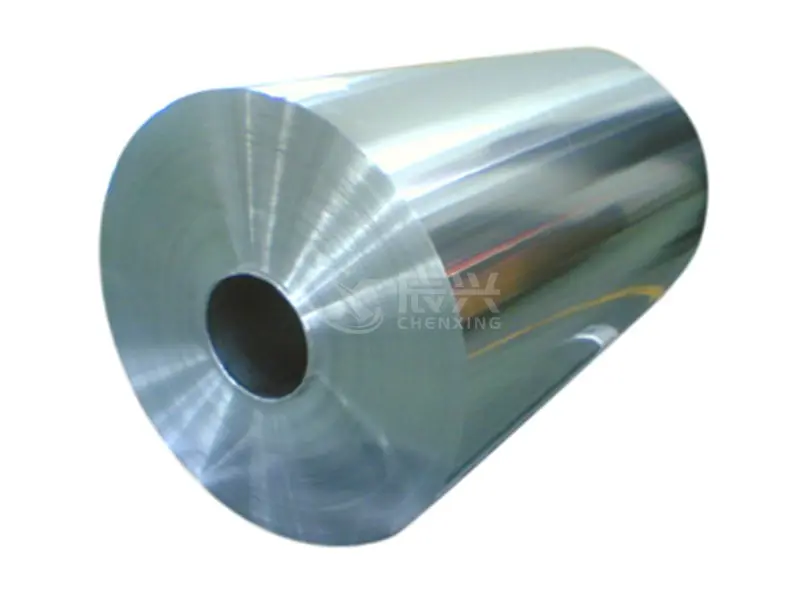
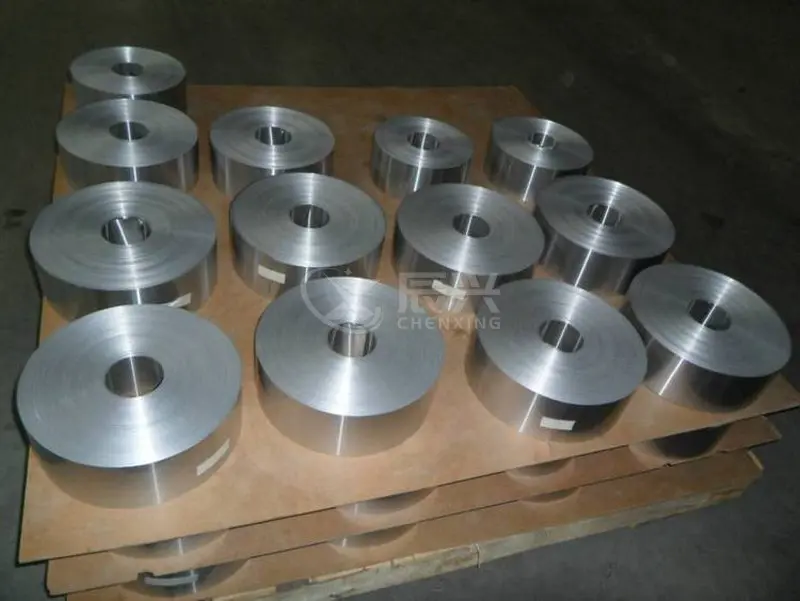
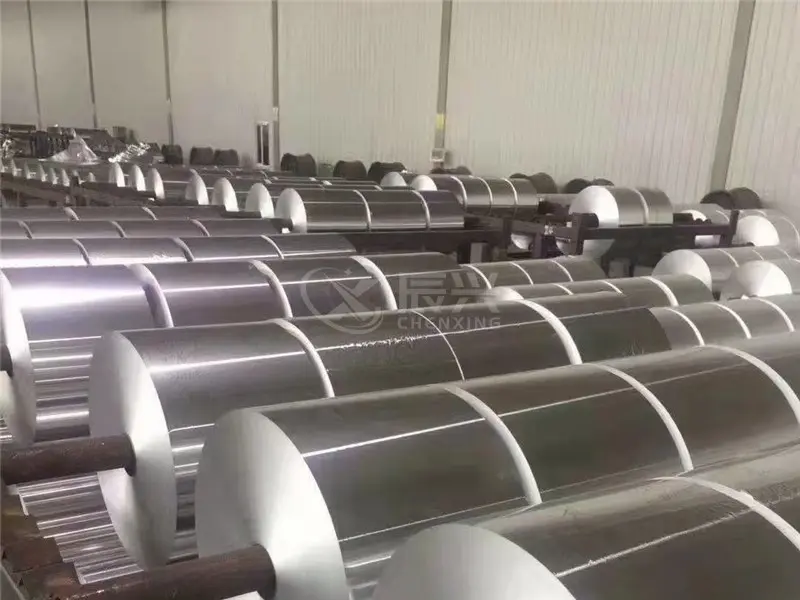
From light automotive cooling fins to robust architectural façades.
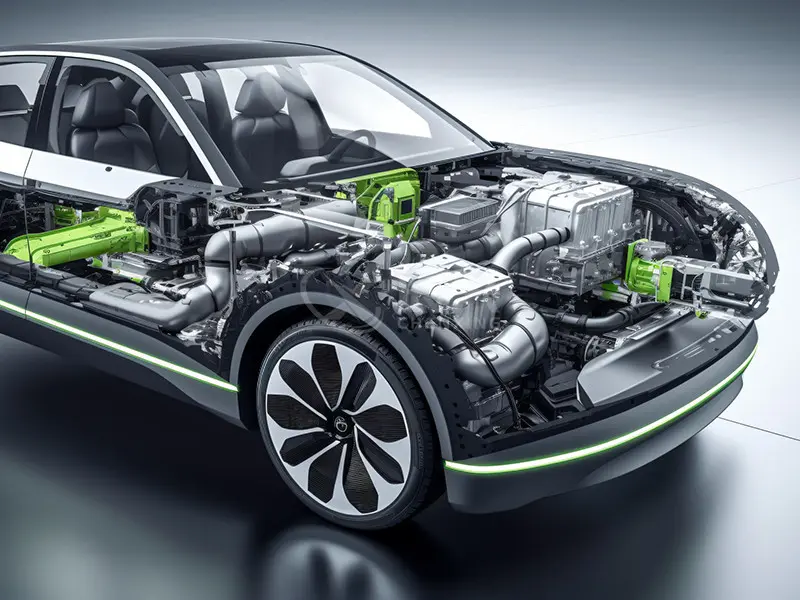
Utilized in structural components of trailers, heavy-duty truck fuel tanks, and customized marine components due to its resistance to saltwater environments and fatigue.
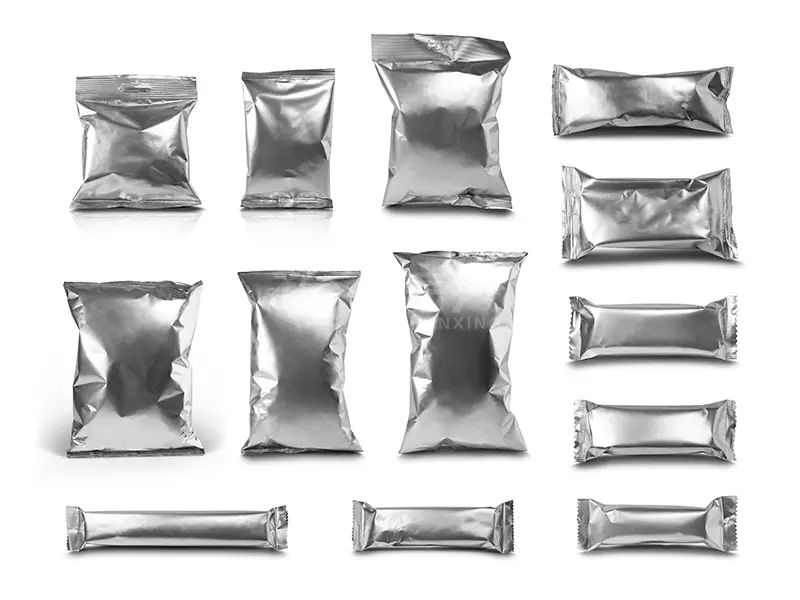
Highly applicable in container manufacturing and heavy pharmaceutical wraps. Its sterile composition ensures safe product preservation under strict sanitary regulations.

Employed in cooling plates, heat sinks, and battery shell units. The high thermal transfer rates of 3003 aluminum allow electronics to function safely under high-temperature loads.

A cost-effective solution for non-structural interior cabin panels, customized air duct paths, and lightweight auxiliary structures requiring corrosion resilience.
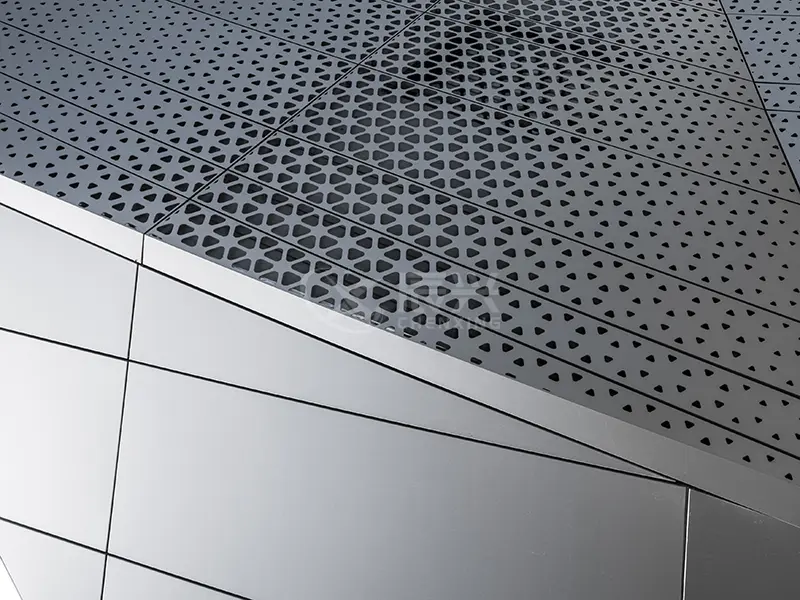
Used for roofing panels, siding sheets, acoustic panel cores, and decorative curtain walls. The alloy's natural anodizing responsiveness allows for lasting, weather-resistant outdoor coatings.
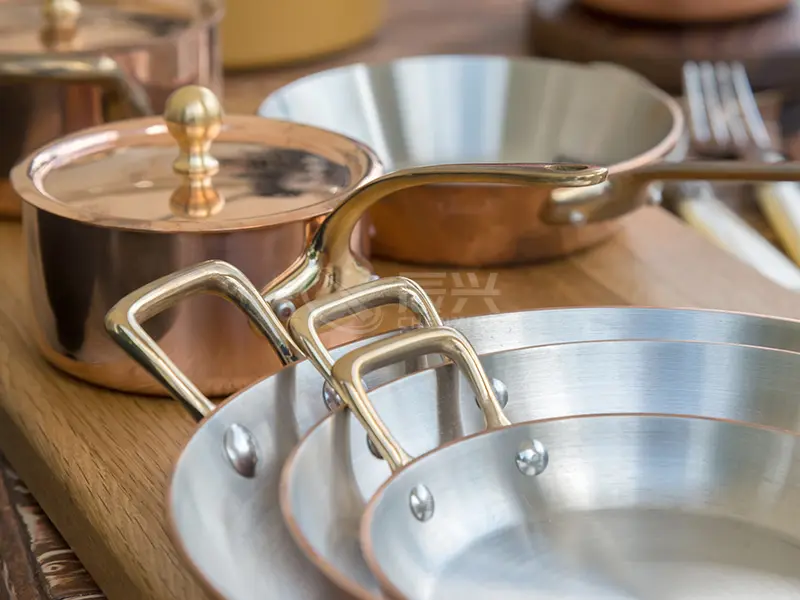
Integrated into refrigerator liners, microwave ovens, air conditioner heat sinks, and rice cookers. It prevents odors, provides clean interfaces, and is easy to clean.
Strategic insights for supply chain managers, procurement specialists, and engineering consultants.
The push for net-zero manufacturing has profoundly impacted the global aluminum extraction and rolling industries. Modern Chinese mills are transitioning to hydroelectric energy sources (often referred to as "green aluminum") and incorporating scrap recycling loops. The implementation of circular manufacturing reduces the carbon footprint per ton of 3003 aluminum. Consequently, many factories are obtaining Environmental Product Declarations (EPDs), aligning with the strict sustainability criteria enforced by European and North American automotive OEMs.
Within electric vehicles, battery packs generate significant heat during rapid charging and discharging cycles. 3003 aluminum plate channels are widely selected for liquid cooling systems. Excellent weldability—particularly under laser and friction stir welding (FSW)—ensures these cooling paths remain leak-proof. The alloy's reliable ductility allows for complex deep-draw processing, making it a critical material in the growing global green mobility ecosystem.
To avoid manufacturing delays, international buyers must establish rigorous quality testing standards when auditing Chinese factories. Key parameters to monitor include:
Expert engineering and logistics answers regarding 3003 aluminum plate procurement.
A: While both are non-heat-treatable alloys, 3003 contains about 1.0-1.5% Manganese, which increases its strength by roughly 20% compared to 1100. Furthermore, 3003 exhibits slightly higher corrosion resistance in industrial atmospheres, making it the preferred choice for HVAC systems and fuel vessels.
A: Yes, 3003 can be anodized. However, due to the presence of manganese, the resulting anodized finish may appear slightly gray or duller compared to pure aluminum alloys like 1050 or structural alloys like 6061. It is highly suitable for protective anodizing but less recommended for high-end decorative applications.
A: The most common tempers include 3003-O (soft annealed, ideal for extreme drawing), 3003-H14 (half-hard, the most common temper for general stamping and bending), and 3003-H24 (partially annealed after cold rolling, providing a balance of strength and ductility).
A: 3003 is easily welded using Gas Tungsten Arc Welding (TIG/GTAW) or Gas Metal Arc Welding (MIG/GMAW). Typically, 4043 or 1100 filler alloys are recommended to match the mechanical requirements and maintain optimal corrosion resistance in weld zones.
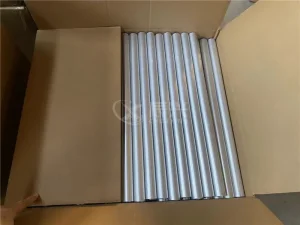
A: Leading mills wrap individual sheets in paper or plastic films to prevent water staining. The plates are then loaded onto sturdy wooden pallets, secured with steel bands, and protected with moisture-absorbing silica packets. Finally, they are sealed inside seaworthy container boxes to prevent salt-fog damage during transit.
A: 3003 aluminum has moderate machinability, particularly in its harder tempers like H14 or H18. Because it is relatively ductile, tool lubrication is essential during cutting or drilling to prevent gumming on the tooling surface.
Stay informed on global trends, metal price shifts, and aluminum processing milestones.
Read how shifting trade regulations and high-volume output capacities are restructuring global supplier routes...
Read Article →
With electric mobility accelerating, the demand for precision thin-gauge 3003 foils has reached historic highs...
Read Article →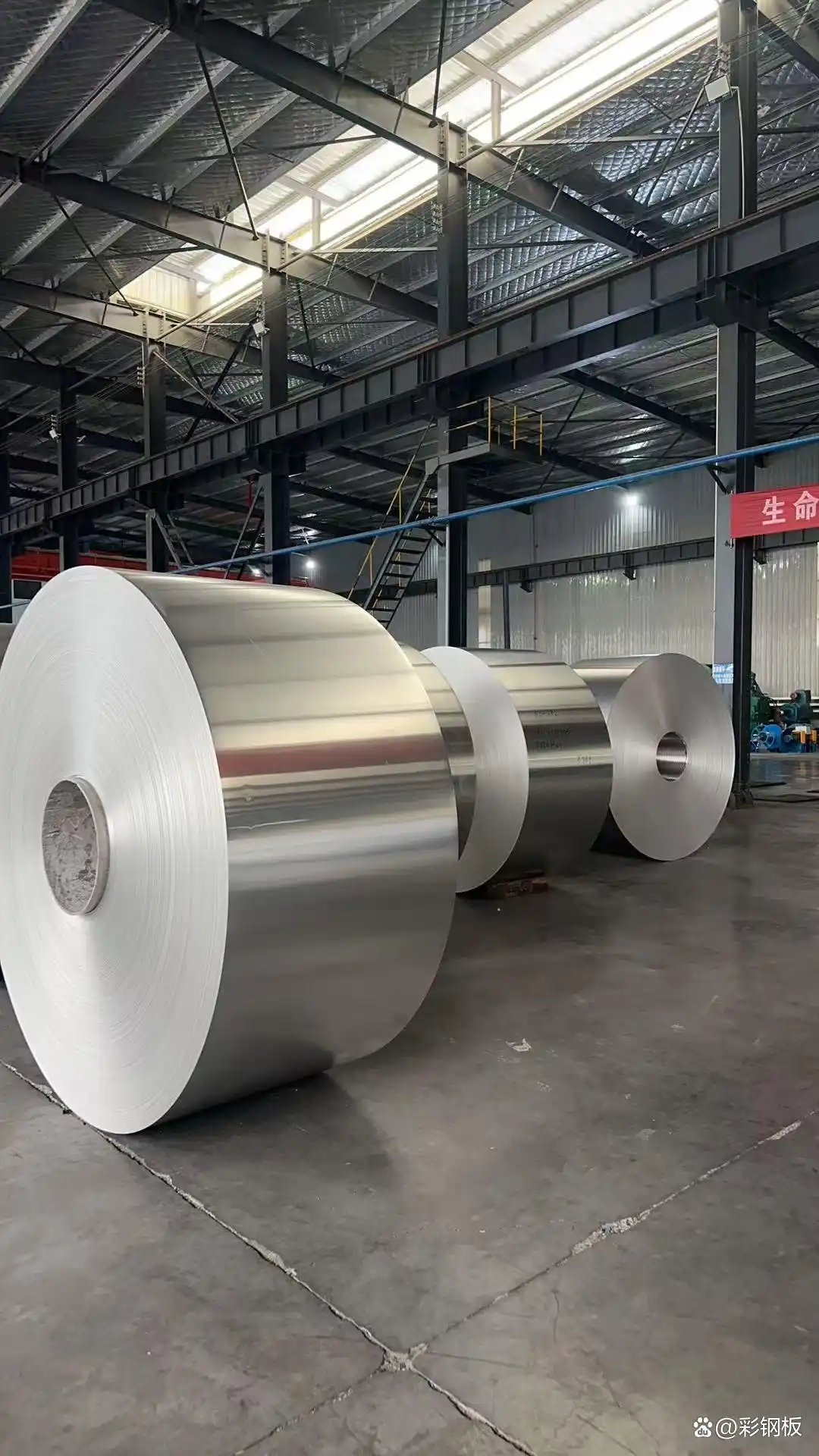
How global sustainable architecture demands are shifting industrial reliance toward low-carbon raw materials...
Read Article →For inquiries about our specialized 3003 aluminum plate dimensions, alloy tempers, or wholesale price lists, please leave your specifications. Our metallurgical experts will respond with an optimized quotation within 24 hours.