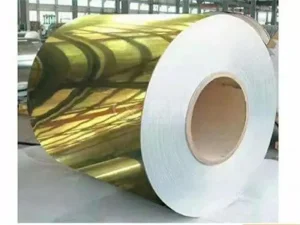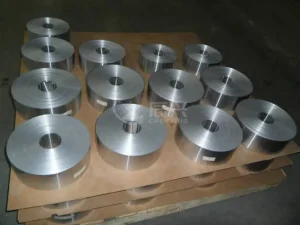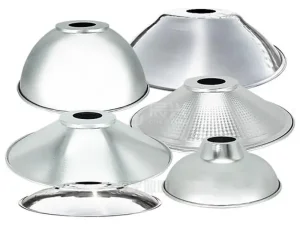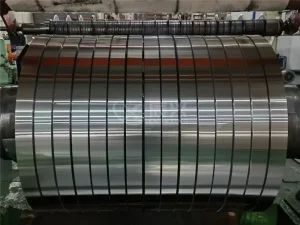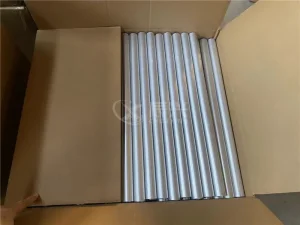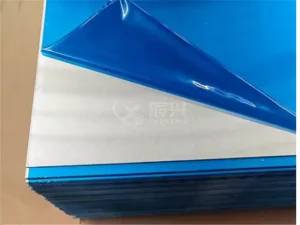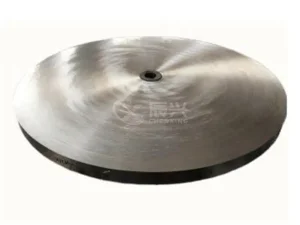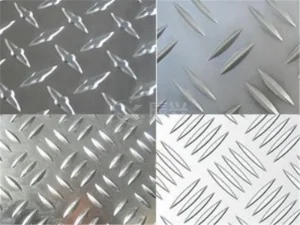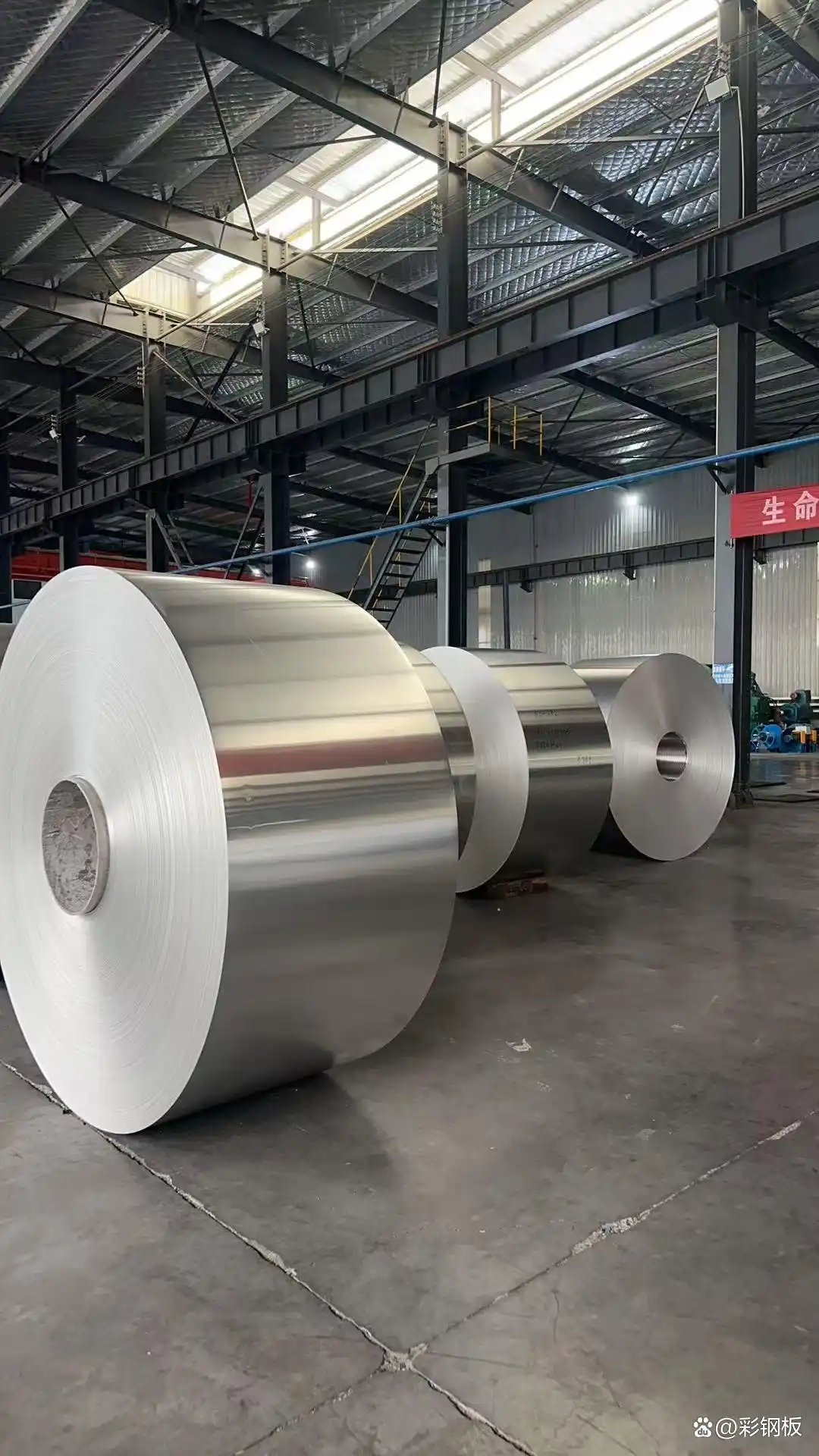
Explore our foundational range of premium aluminum materials manufactured to international specifications. From highly reflective mirror sheets to structural circles, we satisfy demanding processing tolerances.


Understanding "12 Aluminum Plate" Specifications: In high-precision metallurgy and design environments, the term "12 Aluminum Plate" carries distinct technical connotations. It primarily points to either specialized heavy-duty 1/2-inch structural plates (12.7mm thickness) built to withstand intensive stress loads, or 12-gauge lightweight high-ductility sheets designed for electronic casings and architectural facades. China's top tier of 12 integrated factories leads the world in processing these exact structural and gauge variations under strict ISO parameters.
The global commercial demand for premium aluminum plates has expanded exponentially over the last decade. As heavy industries undergo rapid transformation toward decarbonization and energy efficiency, aluminum has transitioned from a standard structural component to a high-value engineering commodity. Industries like marine engineering, commercial transport, aerospace, and electronics demand precise chemical compositions and impeccable surface conditions. This evolution requires sourcing from highly sophisticated manufacturers equipped with hot and cold rolling mills capable of processing premium grades like 1050, 3003, 5052, 5083, and 7075.
Procurement teams face the complex challenge of balancing physical performance against logistical and financial metrics. Factors such as tensile strength, yield limits, corrosion resistance under high-salinity conditions, and surface reflectivity must align with global standards like ASTM B209, EN 485, and JIS H4000. Understanding this mechanical landscape is critical to preventing material failures and securing long-term economic stability in supply chains.
China's global leadership in aluminum plate fabrication is driven by complete vertical supply chain integration. The "China 12 Aluminum Plate Manufacturers & Factories" benchmark represents the absolute pinnacle of this ecosystem. Unlike fragmented regional plants, top-tier Chinese facilities house the entire production path under one roof. From liquid primary alloy refining and continuous casting-rolling lines to final heat treatment and automated surface finishing, every stage is coordinated to maximize efficiency.
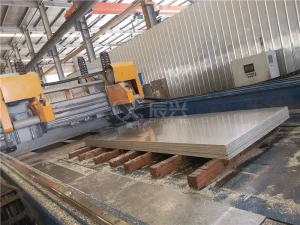
This high concentration of resources yields huge advantages in manufacturing lead times and production scale. Large-scale direct chill (DC) casting facilities can produce massive slabs, which are subsequently hot-rolled on advanced 1+4 continuous rolling mills. This setup not only increases processing speeds but also guarantees uniform mechanical property distribution across the entire length of the metal.
Our specialized aluminum plates and components are deployed across vital international industrial sectors, providing durable, lightweight performance.
High-strength 5xxx and 6xxx series plates form the structural chassis, floorings, and side walls of high-speed rail lines, electric vehicle chassis, and logistics trailers. This significantly reduces total body weight and maximizes payload efficiency.
Specialized alloys designed for safe contact with consumer items, providing excellent barrier properties for food preservation, pharmaceutical enclosures, and beverage packaging. Ensures safety and preserves freshness.
Excellent thermal dissipation profiles and structural rigidity make these sheets ideal for high-precision components, server chassis, microcircuit shielding, and premium smartphones.
Precision structural alloys like 7075 and 2024 offer exceptional strength-to-weight ratios. Used heavily in internal wing ribs, fuselage support systems, and exterior skin panels that operate under high stress.
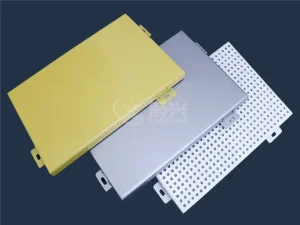
Extremely durable and weather-resistant solid aluminum panels are engineered for commercial curtain walls, exterior cladding, roofing accents, and interior design installations.
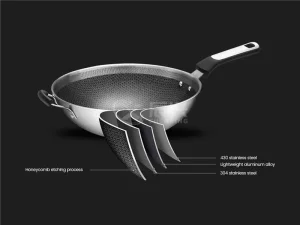
Aesthetic surface treatments, such as brushed and mirror coatings, are applied to refrigerator panels, microwave trim panels, and high-quality deep-drawn cookware blanks.
In the current geopolitical and macroeconomic climate, importing high-grade industrial materials requires careful planning. Sourcing from top-tier Chinese aluminum plate manufacturers allows companies to leverage advanced manufacturing capabilities, but demands a systematic approach to quality assurance and logistics:
Buyers must demand complete Material Test Reports (MTRs) and mill test certs matching ASTM or EN specifications. Regular third-party verification (SGS, TUV) prevents trace impurities from affecting high-salinity marine projects or structural aerospace applications.
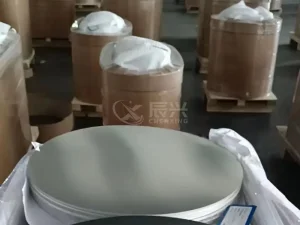
Yield and tensile strength must be tested. For deep-drawing tasks, elongation parameters of products like the 3003 and 1050 circular disks must be guaranteed to prevent cracking during processing on production lines.
Because aluminum is susceptible to surface corrosion when exposed to moisture and salt during transport, proper export packaging is vital. Demand wooden pallets lined with heavy-duty plastic wraps and silica gel desiccant packs.
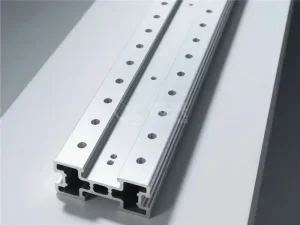
Our comprehensive production lines process high-grade alloys, precision tubes, and specialized structural elements tailored to heavy industrial applications.
The international aluminum rolling industry is evolving rapidly, driven by strict carbon neutrality requirements and the transition toward green energy. This shift has triggered major technological changes in melting and processing methodologies:
International automotive and packaging brands now actively measure the carbon footprint of their raw materials. Lead manufacturers in China are responding by locating new smelting lines in provinces with clean hydro-power grids and utilizing high ratios of clean post-industrial scrap recycling. This approach drastically drops carbon emissions, making products compliant with strict European import policies.
To achieve micron-level flatness, top-tier factories utilize AI-driven automatic gauge control (AGC) systems during cold rolling. This technology registers micro-deviations in sheet thickness and applies instantaneous adjustments to the roll gap, reducing scrap rates and providing superior consistency for modern electronics manufacturing.
Stay informed with the latest metallurgical breakthroughs, global market updates, and supply chain insights straight from our engineers.
Technical answers to major design and procurement questions, prepared by our metallurgy department.
Looking for custom dimensions, tempers, or volume pricing? Contact our technical sales team for engineering support and a competitive quote within 24 hours.
Submit Inquiry Now