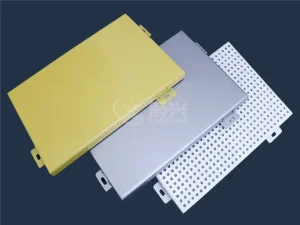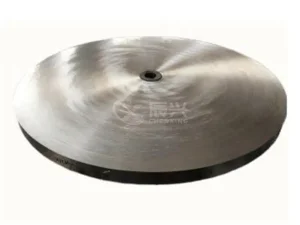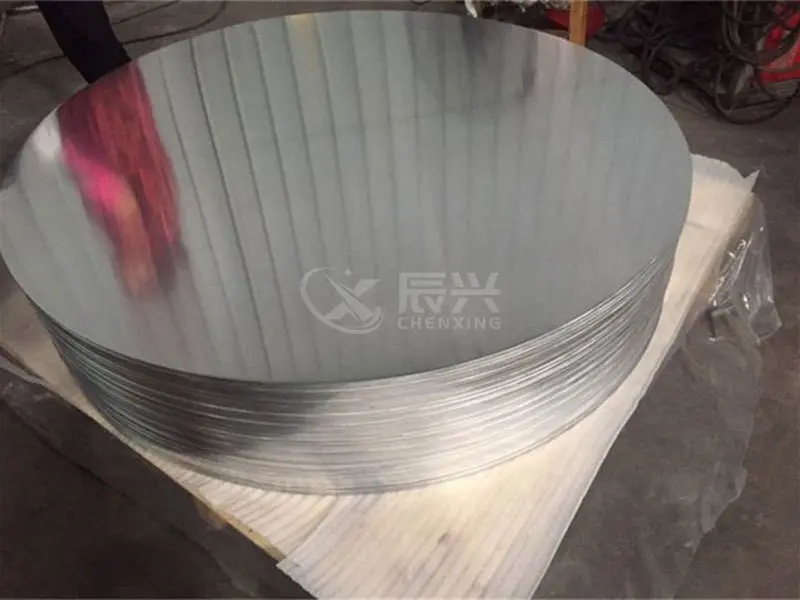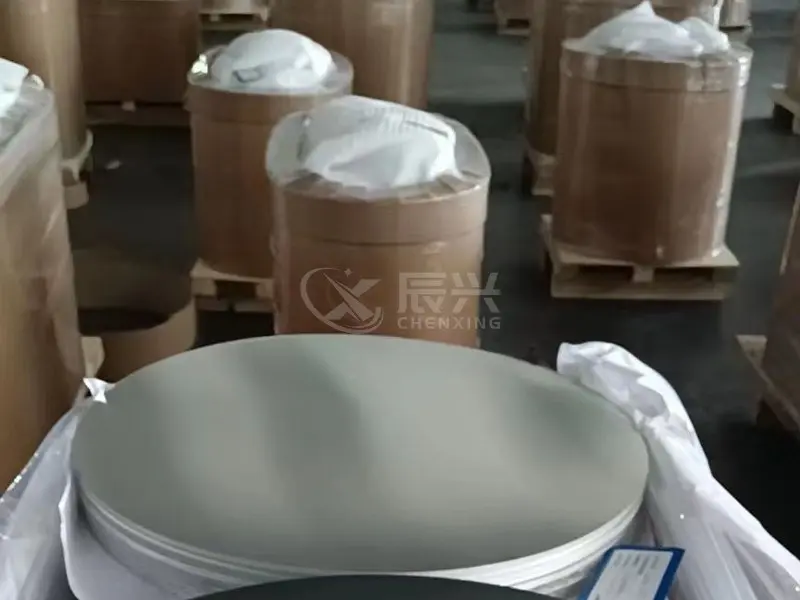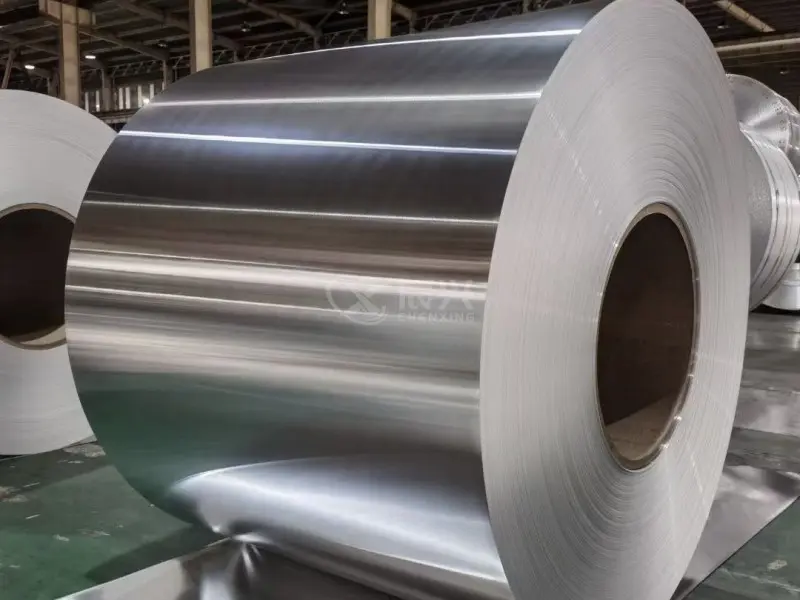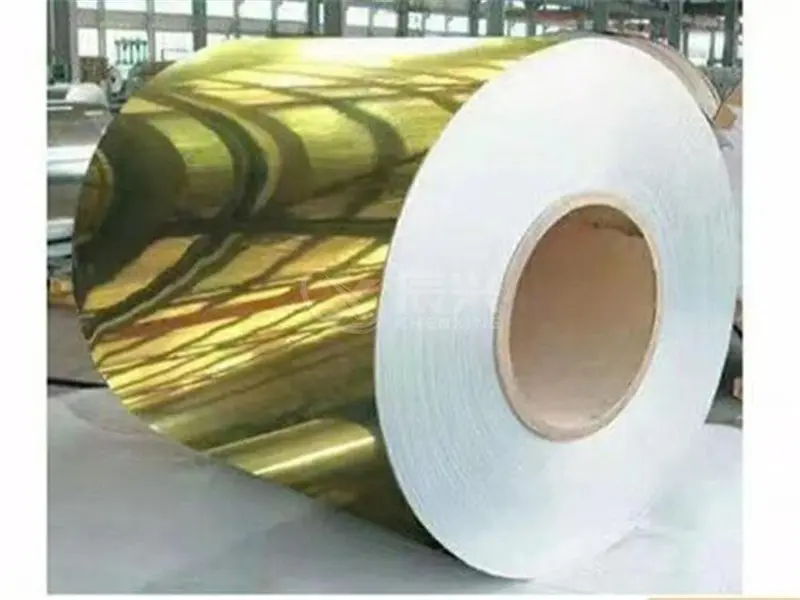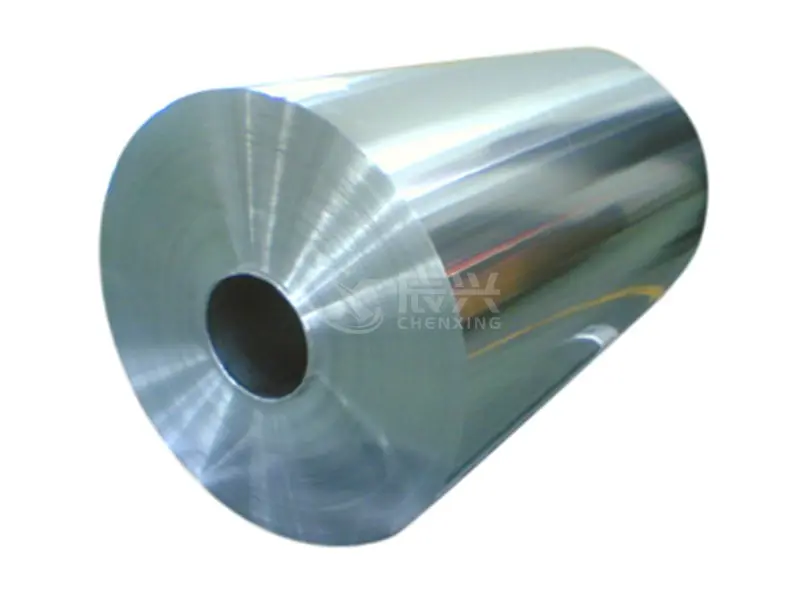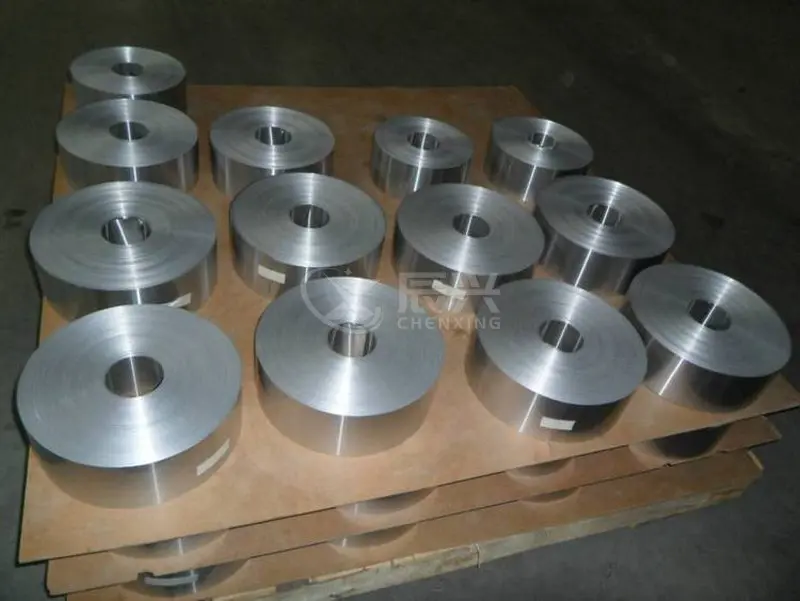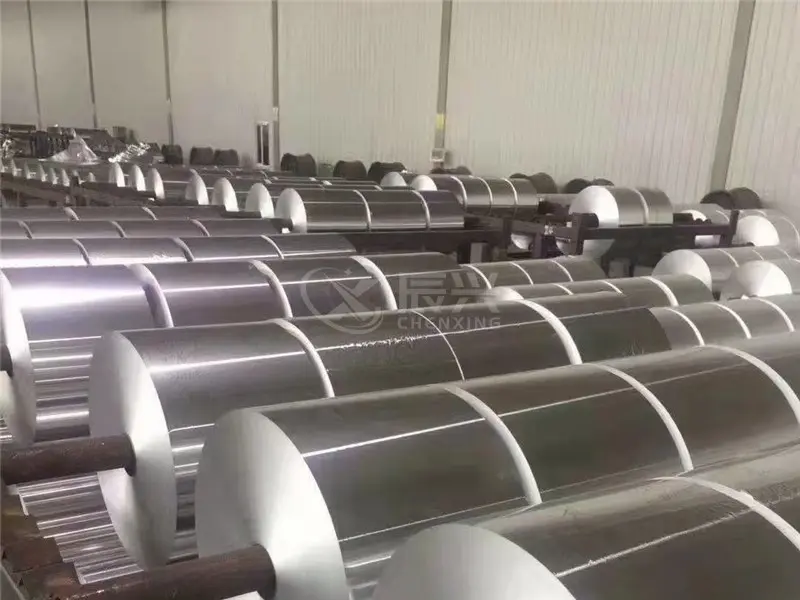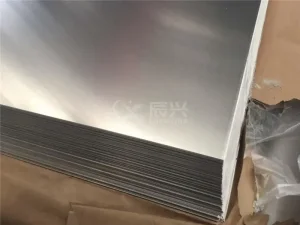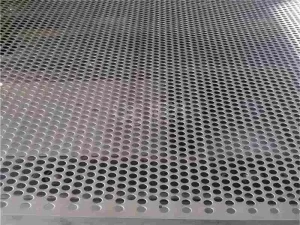
High-precision manufactured profiles, circles, and sheets ready for customized direct surface printing and industrial applications.
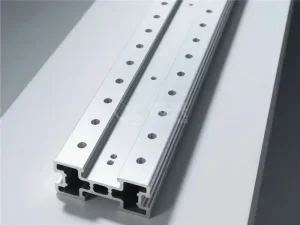
Industrial printing on aluminum plates represents a critical confluence of materials science and surface treatment technology. As global supply chains mature, original equipment manufacturers (OEMs), engineering procurement contractors (EPCs), and industrial designers increasingly prioritize materials that balance light weight, aesthetic durability, and corrosion resistance. Sourcing high-quality printed aluminum plates is no longer just about decorative finishes; it is about establishing permanent, high-fidelity markings that survive extreme environments, from cryogenic processing plants to high-humidity marine platforms.
The global demand for customized, pre-printed aluminum plates is scaling rapidly, driven by strict labeling directives in the automotive, aerospace, and industrial machinery sectors. Buyers require manufacturers capable of executing advanced sub-surface anodized printing, direct UV-curable printing, and screen-printed graphic overlays. The procurement strategy of global companies focuses heavily on minimizing lifecycle costs: selecting the optimal alloy substrate, engineering the correct surface roughness (Ra value) for maximum ink adhesion, and securing suppliers with robust Quality Control protocols.
Our operational metrics validate our commitment to engineering precision, global distribution, and unmatched quality assurance.


Achieving superior print performance on metallic substrates like aluminum demands advanced surface chemistry. Traditional screen printing is widely supplemented today by digital UV flatbed printing and sub-surface anodized processes. The table below highlights key performance differences designed to help procurement teams choose the correct process based on application conditions.
| Printing Technology | Ideal Applications | Abrasion Resistance | UV Stability (Outdoor) | Chemical/Solvent Resistance |
|---|---|---|---|---|
| Anodized Sub-Surface | Marine plaques, Aerospace labeling, Industrial control panels | Outstanding (Ink sealed in metal) | Excellent (Up to 10+ Years) | Exceptional (Immune to MEK, diesel) |
| Direct UV Digital | Short-run signage, Prototypes, Multi-colored interior architectural panels | Moderate (Requires overcoat) | Good (3-5 Years) | Moderate (Sensitive to strong acids) |
| Screen Printing | High-volume industrial badges, basic single-color metal labels | High (With baked enamel inks) | Very Good (Baked inks resist fading) | Good |
Without proper preparation, aluminum's natural oxide layer will reject ink layers. Our production facility employs multi-stage chemical pretreatment, including alkaline cleaning, acid pickling, and conversion coating (such as chromate-free chemical passivation). For digital printing, we apply custom primers that chemically link the organic pigments of the ink to the metallic surface, guaranteeing a cross-hatch adhesion score of 5B (ASTM D3359 standard).
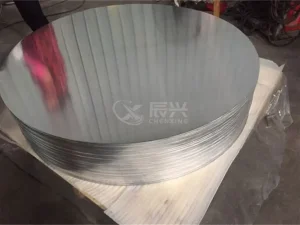
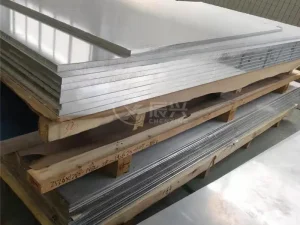
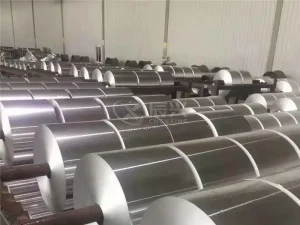
Explore our diverse catalog of high-purity aluminum circles, specialized coils, and engineered foils suited for industrial processing and printing.
Customized printing on aluminum plates serves dynamic roles across multi-billion dollar industrial markets. Below are the key target sectors utilizing our high-grade aluminum materials:
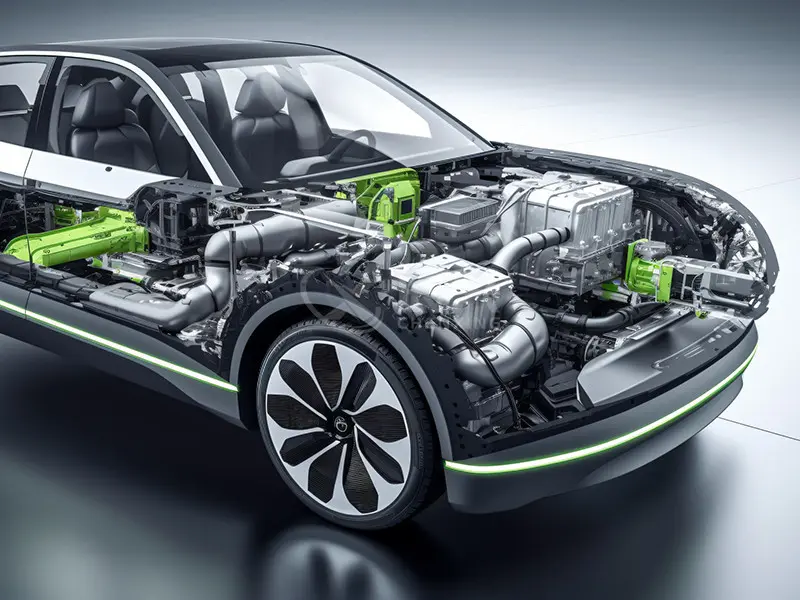
Printed alloy warning plates, functional control panels, and structural visual charts installed on locomotive cabs and heavy trucks. Must resist permanent vibration and mechanical wear.
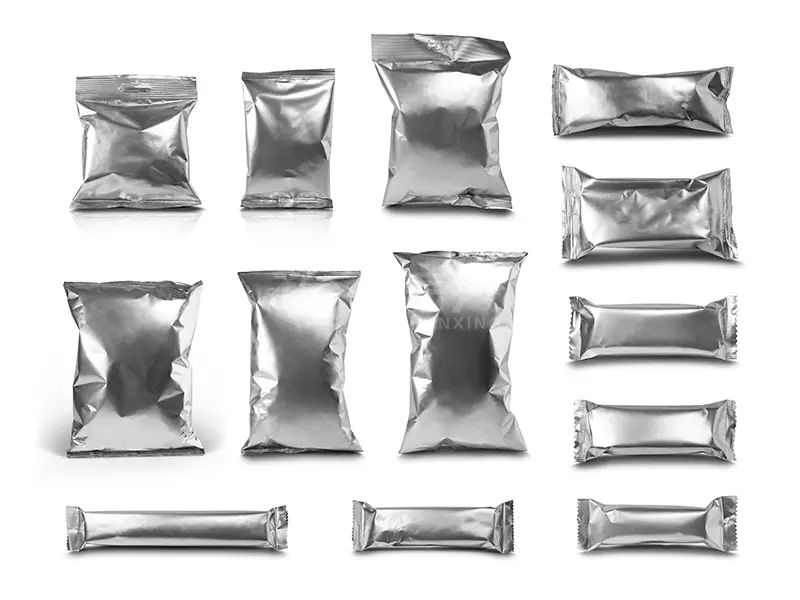
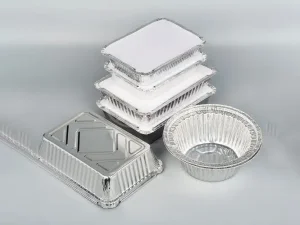
High-grade aluminum storage containers and food packaging requiring corporate branding and regulatory text printed with high-durability, food-safe organic inks.

EMI shielding covers and control interfaces with high-definition circuitry markings. These require precise dielectric printing processes and anodized coating finishes.

Ultra-lightweight placards and flight control panels manufactured using aerospace-grade 6082-T6 and 5083 alloys, passing strict degasification tests.
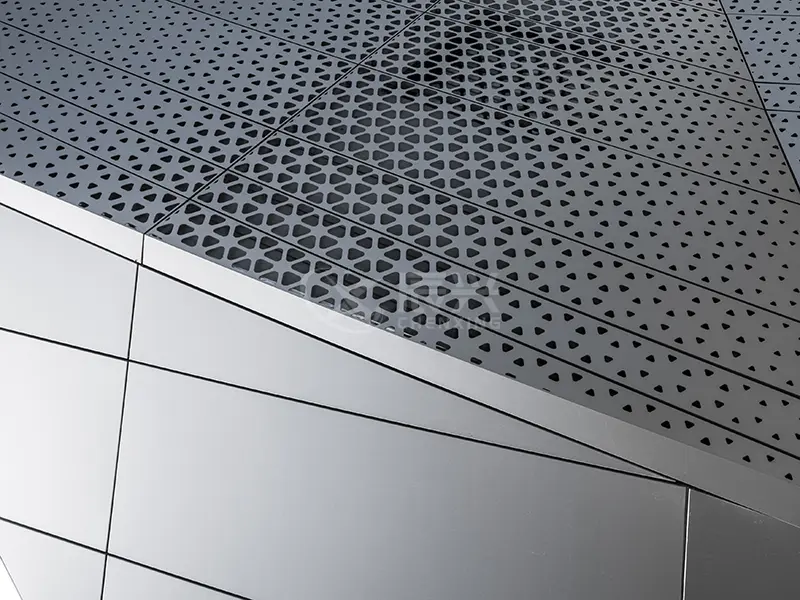
Solid exterior aluminum panels engineered with printed metallic texturizations, wood-grain designs, and brand markings. Coated with PVDF finishes for decades of UV stability.

Control dials, aesthetic trims, and brand badging. Utilizing customized brushed aluminum coils with clear anti-fingerprint coatings to ensure lifetime performance.
Not all aluminum sheets are chemically equivalent. When sourcing plates for printing, selecting the correct metallurgy is paramount. Our engineering department recommends selecting alloys based on their physical attributes and environmental stress profile:
Our raw material undergoes rigorous rolling, leveling, and tension relief steps, guaranteeing that when the plates pass under the UV lamp print heads, there is zero warping or sheet deviation. This keeps print registers within a tolerance of ±0.05 mm.
For B2B buyers sourcing printed aluminum plates globally, customs compliance, material tracing, and import documentation are vital. We offer standard regulatory declarations with every shipment, ensuring simple clearances in regions like the European Union, North America, and Southeast Asia.
Our company satisfies the requirements of the RoHS Directive (Restriction of Hazardous Substances), confirming that neither our aluminum bases nor our printing inks contain lead, mercury, cadmium, or hexavalent chromium. In addition, our manufacturing facilities adhere to REACH standards and maintain full ISO 9001:2015 and ISO 14001:2015 quality certifications.
Submit your exact alloy requirements, dimensions, custom graphics files (AI/DXF), and print quantities. Our engineering sales team will respond with a comprehensive 8D-compliant quote within 24 hours.
Stay updated with market news, material technological changes, and internal project updates from our plant.
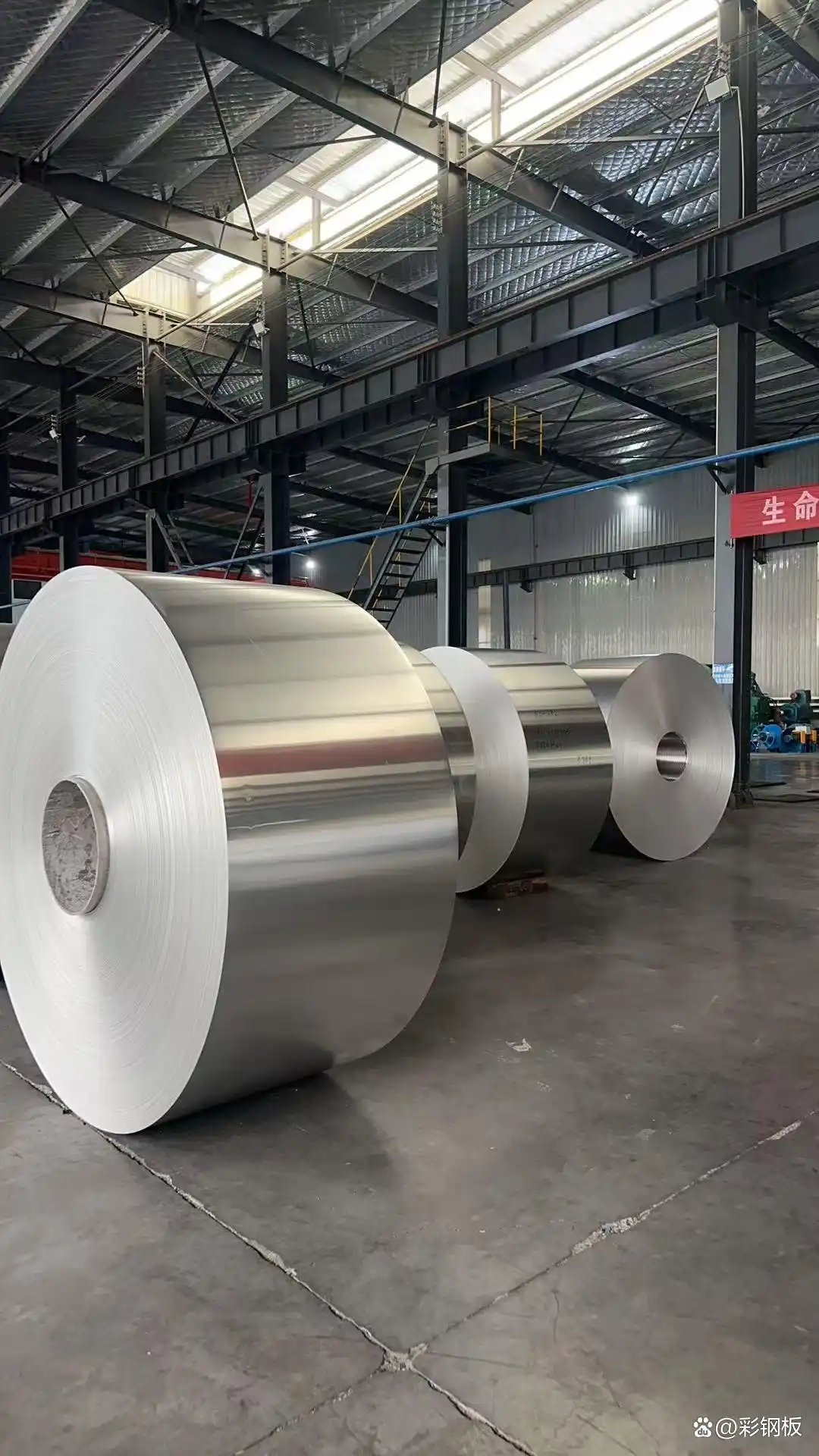
Technical and logistical insights for B2B procurement professionals sourcing printed aluminum plates.
Premium industrial solutions including marine alloys, corner guard strips, structural sheets, and high-strength foils.