
Standard and custom-engineered structural aluminum alloys tailored for packaging, containment, and heavy industrial integration.
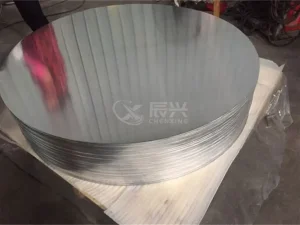
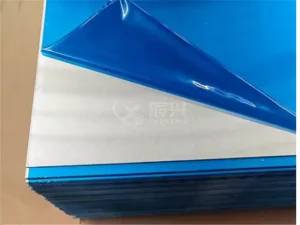
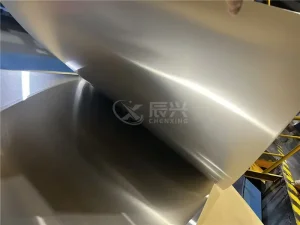
Unifying technological innovation, verified E-E-A-T manufacturing standards, and direct mill-to-buyer logistics.


In the global consumer packaging sector, household aluminum foil stands out as a critical element. This whitepaper analyzes the structural engineering, metallurgic grades, regional application requirements, and strategic supply chain dynamics that global procurement agents, distributors, and brands must evaluate when sourcing household aluminum foil.
Household aluminum foil is more than a simple kitchen wrap. It is an engineered barrier system. It provides a complete shield against light, oxygen, moisture, micro-organisms, and odors. This makes it essential for extending product shelf life and ensuring food safety across retail, commercial, and industrial markets.
Historically considered a commodity, the material has evolved due to advanced metallurgical standards and rolling innovations. Modern household foils must balance tensile strength and ductility. They need to prevent tears while minimizing thickness to improve raw material efficiency. Global consumption is growing, driven by shifting packaging preferences, urban food delivery networks, and strict food safety regulations in regions like North America, Europe, and the Asia-Pacific.
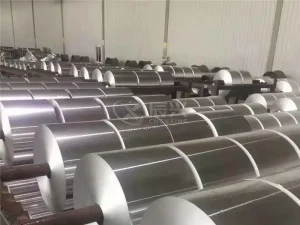
For enterprise buyers, choosing the right household aluminum foil manufacturer is a critical supply chain decision. High-quality production lines require advanced direct-chill or continuous casting machines, multi-stand cold rolling mills, and modern annealing systems. Without these technologies, foils can suffer from high pinhole densities and irregular mechanical properties, making them unsuitable for automated packaging or retail use.
The performance of household foil depends on its chemical composition and temper. Most household foils are manufactured using Alloy 8011. This alloy is formulated with added iron (Fe) and silicon (Si) to improve tensile strength and elongation compared to pure aluminum. Other grades, such as Alloy 1235 and Alloy 3003, are used for flexible packaging laminations and semi-rigid containers.
| Alloy Grade | Silicon (Si) % | Iron (Fe) % | Tensile Strength (MPa) | Elongation (%) | Primary Industrial Applications |
|---|---|---|---|---|---|
| Alloy 8011 | 0.50 - 0.90 | 0.60 - 1.0 | 85 - 110 | ≥ 3.0 | Standard household wrap, food service rolls, retail box rolls. |
| Alloy 1235 | 0.48 (Max) | 0.65 (Max) | 75 - 90 | ≥ 2.5 | Aseptic liquid cartons, cigarette packaging, adhesive tapes. |
| Alloy 3003 | 0.60 (Max) | 0.70 (Max) | 120 - 145 | ≥ 8.0 | Semi-rigid containers, baked goods trays, heavy-duty pans. |
Annealing is a key step in production. Cold-rolled aluminum is highly brittle. To reach the fully soft "O Temper" required for household wraps, the foil coils must undergo thermal annealing. This process recrystallizes the grain structure. It relieves internal stress and burns off residual rolling oils, ensuring a sterile, food-safe, hydrophilic surface (Wetting Tension Grade A).
Pinhole density is another critical quality metric. For foils thinner than 15 microns (μm), micro-pinholes can form during rolling. Leading manufacturers maintain strict pinhole controls—limiting them to fewer than 50 per square meter for double-zero foil. This ensures the material's gas and moisture barrier remains intact.
Understanding local market preferences is essential for global distributors. Foil usage habits and technical requirements vary significantly by region.
Buyers in this market prefer wide rolls (12 to 18 inches) and heavy-duty gauges (15 to 20 μm). These foils are primarily used for baking, grilling, and commercial kitchen food service. Retail packaging requires sturdy dispenser boxes with integrated cutting edges.
Europe focuses on sustainability and thin-gauge efficiency. Typical retail foils range from 8 to 11 μm. Packaging must be plastic-free and fully recyclable. Compliance with the European Food Safety Authority (EFSA) and REACH regulations is mandatory.
High-temperature cooking environments require foils with strong thermal resistance and high mechanical strength. Foil containers (using Alloy 3003) are widely used in commercial food delivery. This drives the demand for specialized oil coatings.
China accounts for more than 50% of the world's primary aluminum and down-stream processing capacity. The country's manufacturing advantage is built on vertical integration. Our facilities locate casting, rolling, slitting, and annealing operations in the same industrial zone. This minimizes energy losses from ingot cooling and reheating, reducing both cost and environmental impact.
Chinese producers also secure reliable raw materials by purchasing primary bauxite and alumina under long-term contracts. High-speed, multi-stand rolling mills operate continuously. These advanced lines feature automatic thickness control (ATC) and flat-rolling shape control (AFC) systems. This advanced setup ensures consistent quality across production batches, even during energy and market fluctuations.
Furthermore, our factories are close to major ports like Qingdao, Tianjin, and Shanghai. This allows for direct loading into container ships, optimizing logistics. Reliable domestic transport networks ensure that custom-length jumbo rolls reach global hubs on schedule.
The aluminum foil industry is evolving to meet new environmental standards. Future engineering focuses on two main trends: carbon reduction and ultra-thin rolling.
Low-Carbon Aluminum Production: Smelters are transitioning to renewable energy, using hydropower and solar electricity instead of coal. This shift dramatically reduces the carbon footprint of primary aluminum ingots. At the same time, manufacturers are increasing the use of clean, post-industrial recycled scrap, reducing energy requirements by up to 95%.
Ultra-Thin Rolling Technology: Advanced cold rolling mills can now produce aluminum foil at thicknesses down to 6 and 5 microns. These ultra-thin barriers perform as effectively as thicker foils while using less material. Achieving this requires precise control over steel roll finishes, clean filtration of rolling lubricants, and advanced pinhole detection systems.
Since household aluminum foil directly contacts food, manufacturers must adhere to strict international food-contact safety standards. Enterprise buyers need to verify that their suppliers hold active certifications to avoid regulatory and customs delays.
Our factories run inline surface inspection systems. Optical sensors monitor the foil web for tears, pinholes, and oil spots. This automated inspection keeps defects out of the final shipment.
Insights into global trade, emerging applications, and raw material market reports.
Export volumes for rolled plates, coils, and circles continue to rise. Our factories have scaled production to meet growing global demand.
Read More
New energy vehicle platforms are driving the demand for specialized, ultra-thin battery-grade aluminum foil. Discover our technical updates.
Read More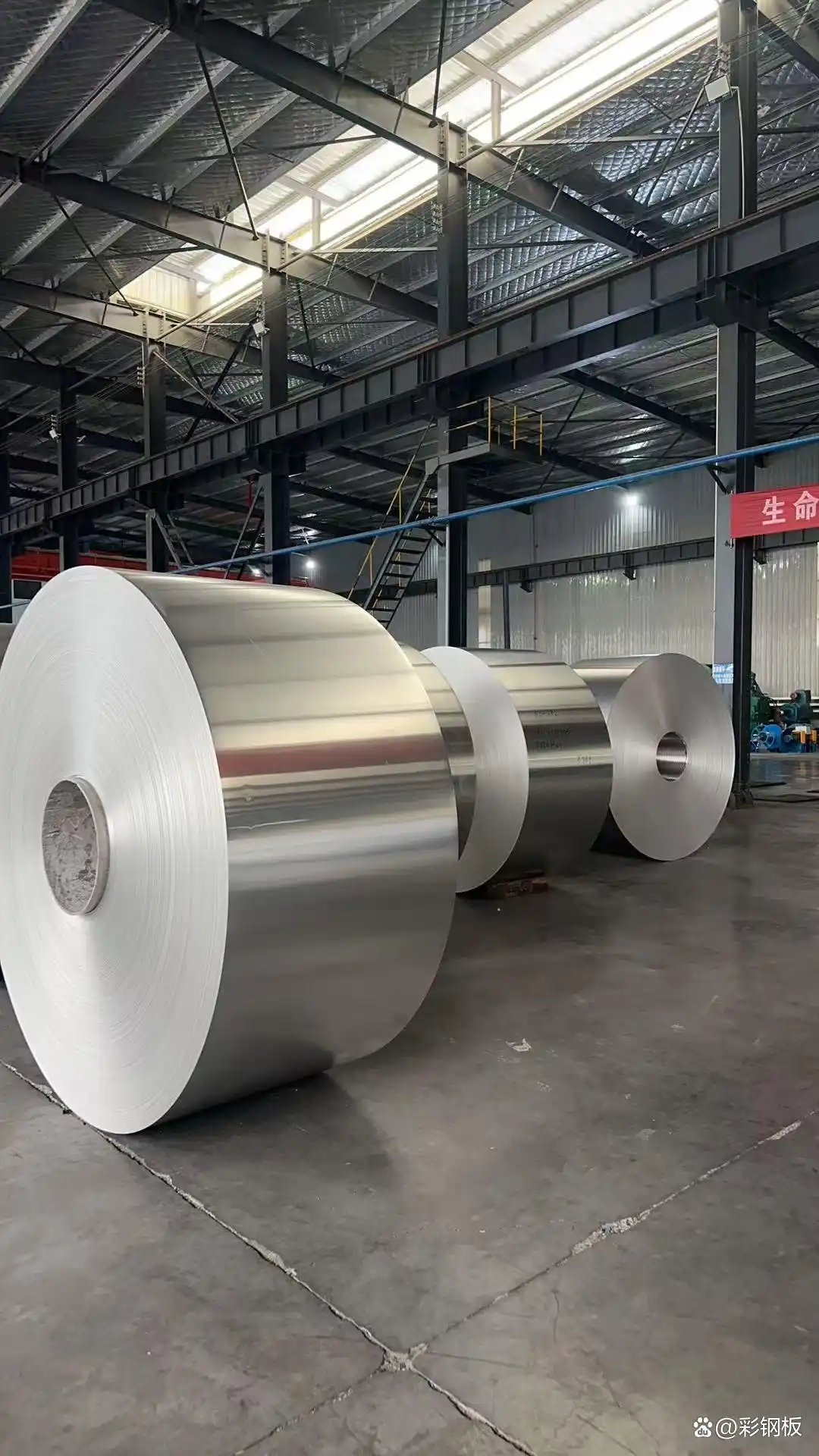
Architects and builders are choosing eco-friendly, recyclable metal cladding systems, supporting steady market growth for aluminum coils.
Read MoreOur aluminum alloys and foil products serve key industries around the globe.

High-strength structural plates and profiles designed to reduce vehicle weight and improve fuel efficiency.
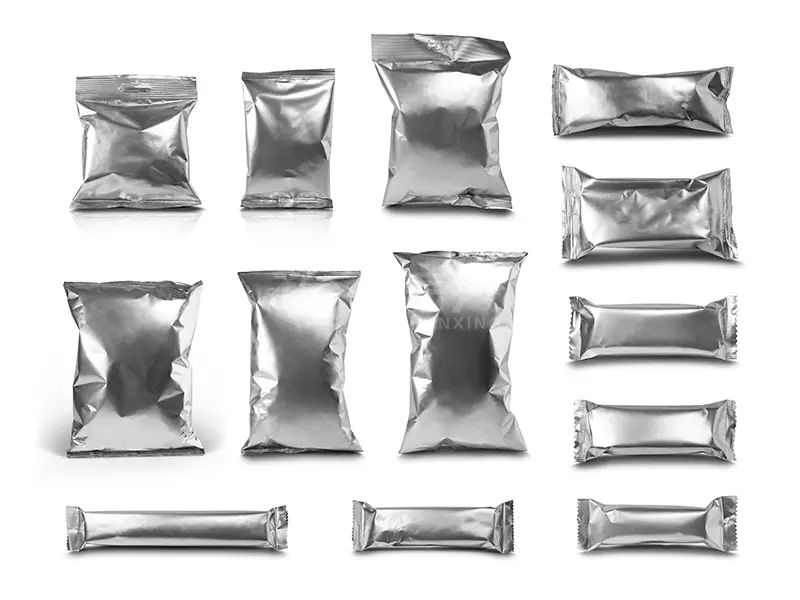
High-barrier packaging foils, blister packs, and container alloys that protect goods and food safety.

High-purity capacitor foils, heat sink panels, and structural chassis components for consumer electronics.

Tough, lightweight alloy sheets designed to handle extreme atmospheric pressure changes.

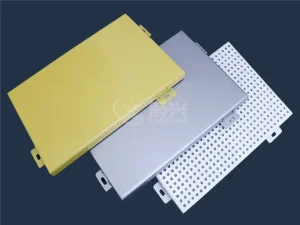
Corrosion-resistant panels and coils used in durable architectural facades and window systems.

Brushed plates, tubing, and coils used in high-efficiency heat exchangers and durable appliance frames.
Answers to common technical, regulatory, and shipping questions for global buyers.
Precision-engineered aluminum plates, tubes, and blanks for machinery, marine, and construction projects.
Connect directly with our engineering sales team to request mechanical test reports, alloy samples, and bulk pricing details.