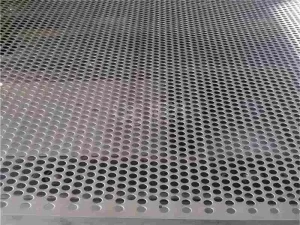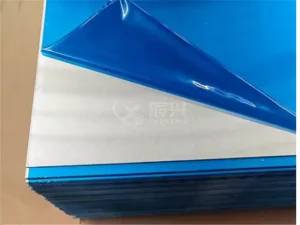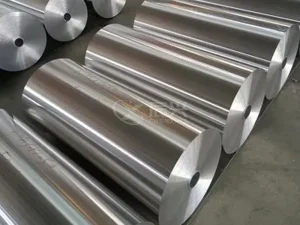
Engineered for stability, drawing consistency, and durability in hostile thermal environments.
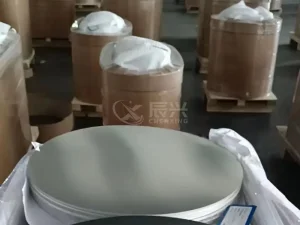
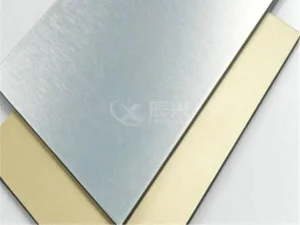
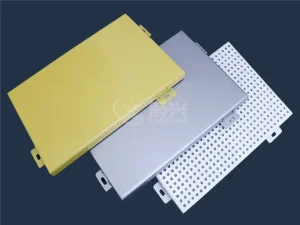
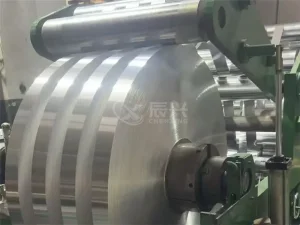
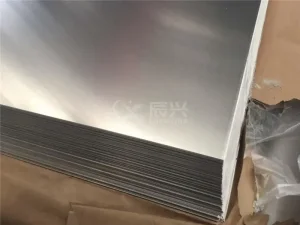
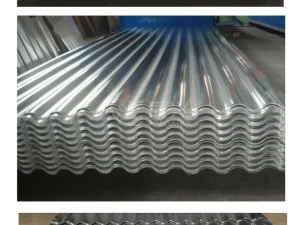
Establishing unmatched benchmarks in precision casting, rolling processes, and metallurgical testing.


“As modern thermal systems evolve, standard grades undergo microstructural collapse. Our custom-stabilized thermal alloys are designed to counter creep deformation, structural fatigue, and recrystallization up to 350°C.”
Thermal degradation of classic aluminum grades poses a massive hurdle for structural engineering. Traditional aluminum alloys rapidly lose mechanical integrity when subjected to temperatures exceeding 100°C. This degradation occurs because reinforcing precipitates like η' in 7xxx series or θ' in 2xxx series undergo rapid overaging, leading to precipitate coarsening and localized dislocation slip.
To overcome this limitation, our factory relies on refined metallurgical additions including transition metals like Zirconium (Zr), Scandium (Sc), and Manganese (Mn). These elements form highly stable, coherent trialuminide dispersoids (such as Al3Zr) that anchor grain boundaries and inhibit recrystallization. Consequently, our 6082-T6 and 3003 modified solutions preserve high yield strength and creep resistance, making them ideal for exhaust heat shields, electric vehicle battery trays, and heavy-duty structural piping.
B2B procurement agents are increasingly standardizing raw material specs. In Europe and the US, energy-saving initiatives demand lighter structures that can handle higher operating temperatures. In automotive design, optimizing heat dissipation around battery casings directly translates to better safety margins and longevity. Consequently, sourcing heat-resistant materials from established, vertically-integrated facilities has changed from a cost-saving measure to a strategic safety requirement.
Furthermore, sourcing managers must navigate stricter testing regulations. The necessity for batch tracking, verified mechanical test reports (showing yield, tensile, and elongation at temperature), and direct mill certificates has skyrocketed. Our production lines resolve these requirements by combining automated metallurgical reports with every shipment, ensuring frictionless customs clearance and straightforward compliance verification.
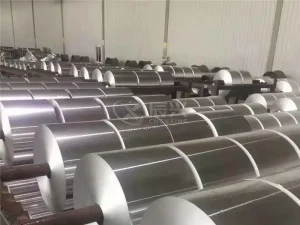
Our smart factory in China leverages automated casting and rolling mills to ensure consistent mechanical and physical properties. In structural components like high-speed train sections, electric vehicles, and heavy-duty heat exchangers, minimal thickness variances can lead to premature failure under stress. By using non-destructive ultrasonic inspection alongside continuous online optical sensors, we maintain plate thickness tolerances within micrometers.
Additionally, vertical supply chain integration allows us to hedge against global raw material volatility. Direct access to high-purity ingot smelting ensures that tramp elements like Iron (Fe) and Silicon (Si) are kept within tight margins, preventing issues like hot-cracking during fabrication or brazing. Our commitment to Industry 4.0 ensures that customers receive reliable, high-performance alloys on schedule.
Our thermal-grade aluminum alloys perform reliably across critical fields, from aerospace shielding to consumer electronics.
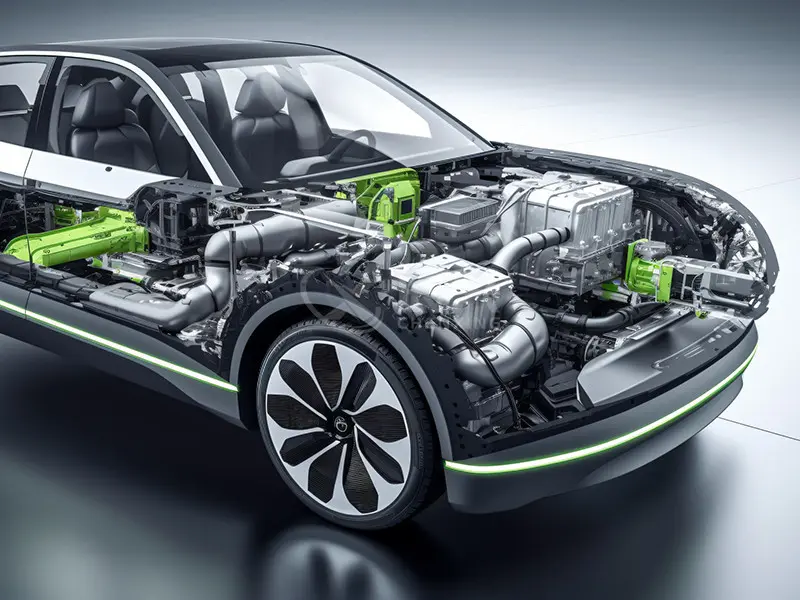
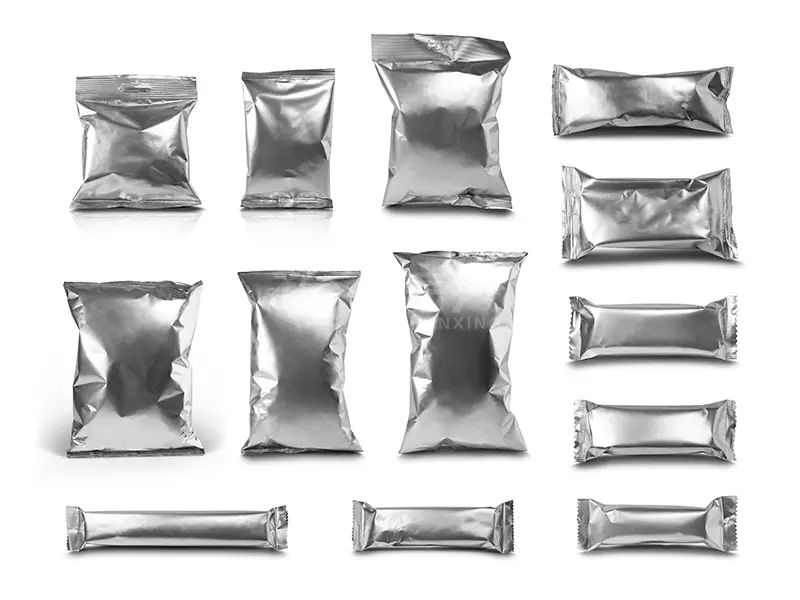


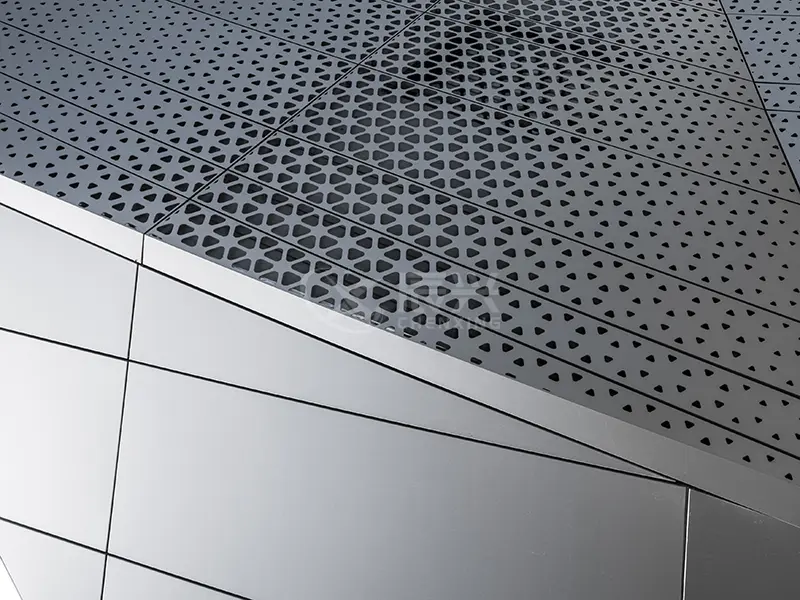
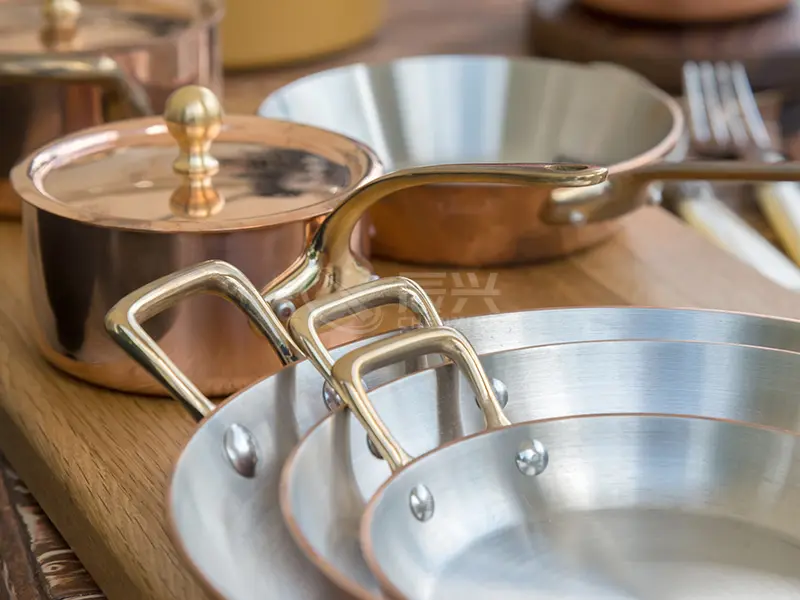
A reference guide to help procurement teams choose the right alloy grade based on thermal performance.
| Alloy Series | Max Service Temp | Yield Strength (at 150°C) | Thermal Conductivity | Primary Mechanical Advantage |
|---|---|---|---|---|
| 1xxx Series (e.g., 1050) | 120°C | 35 - 45 MPa | ~220 W/m·K (Highest) | High electrical conductivity and excellent spinning properties. |
| 3xxx Series (e.g., 3003) | 200°C | 75 - 90 MPa | ~190 W/m·K | Excellent deep drawing capability and resistance to chemical corrosion. |
| 5xxx Series (e.g., 5052) | 180°C | 110 - 130 MPa | ~138 W/m·K | High fatigue limit and corrosion resistance in marine environments. |
| 6xxx Series (e.g., 6082) | 280°C (Stabilized) | 180 - 210 MPa | ~170 W/m·K | Excellent structural yield strength, ideal for load-bearing configurations. |
Keep pace with global aluminum supply updates, clean-energy demands, and smart manufacturing breakthroughs.
Exploring structural trends in high-temperature extrusion demand across European construction networks.
Read Full Report →
Analyzing thermal stability challenges in lithium-ion collector plates and processing methods.
Read Full Report →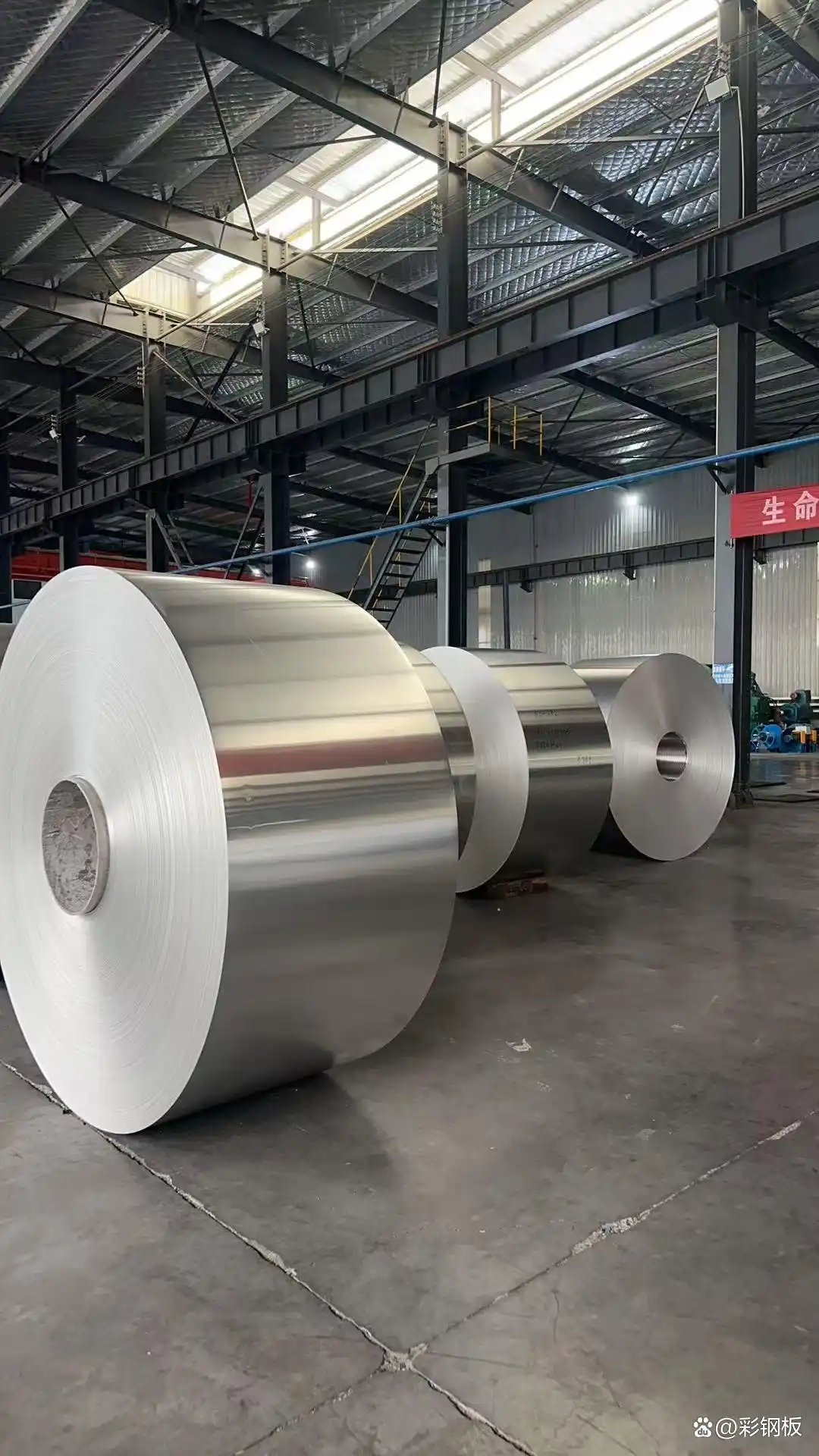
How lightweight cladding panels are shaping sustainable architecture and cutting cooling loads.
Read Full Report →Direct answers to critical questions about sourcing, temperature thresholds, and chemical compositions.
Alloys from the 2xxx and 6xxx series, especially when modified with Zirconium or Scandium, offer the best thermal stability. The Al-Mn (3xxx) series also retains its properties well at moderate operating temperatures, preventing structural failure.
Anodizing thickens the natural oxide layer, which slightly increases surface emissivity. This enhancement helps dissipate heat via radiation, protecting the underlying metal core from localized thermal spots.
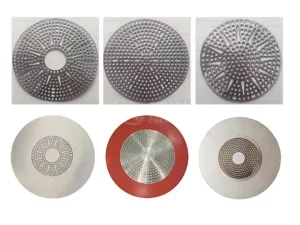
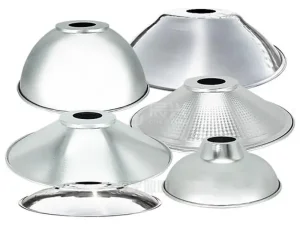
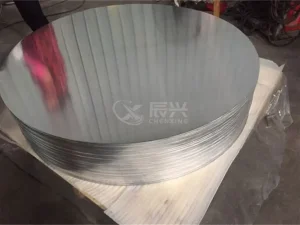
We perform regular grain-size analysis, tensile testing, and earing tests. This ensures our circles drawn from 3003 or 1050 sheets deform uniformly without cracking or producing thin walls during pressing.
Depending on batch volume and surface treatments, production usually takes 20 to 30 days. We also offer expedited options for urgent manufacturing requirements.
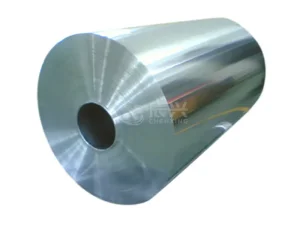
Yes. Our rolling mills can output high-precision foils down to 10 microns, with or without specialized carbon coatings designed to improve electrical and thermal performance in battery applications.
We refine the alloy composition to minimize iron content and use specialized clad materials. This forms a protective oxide layer that resists aggressive chemical environments.
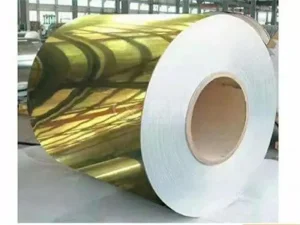
High-purity foils, reflective sheets, and advanced deep-drawing circles ready for dispatch.
Connect with our technical engineers to discuss material certifications, customized chemical compositions, volume-based pricing, and shipping schedules. Get a detailed quote within 24 hours.