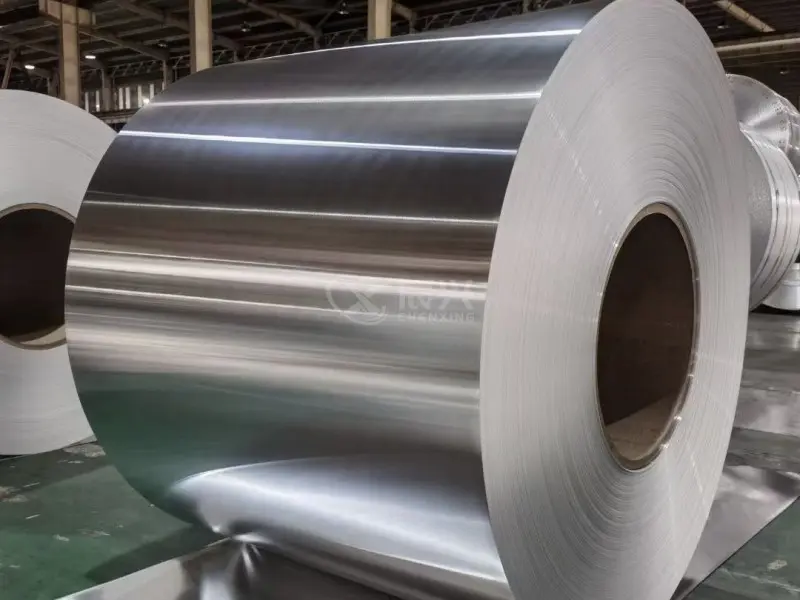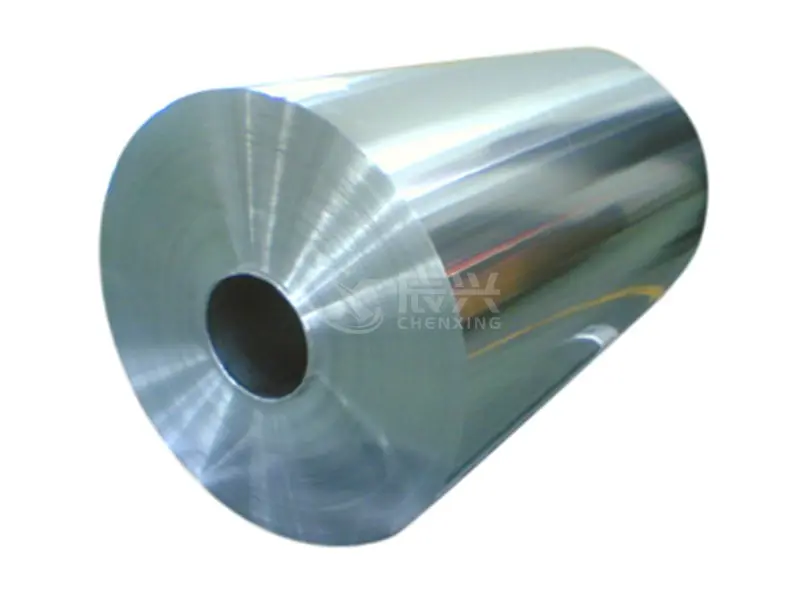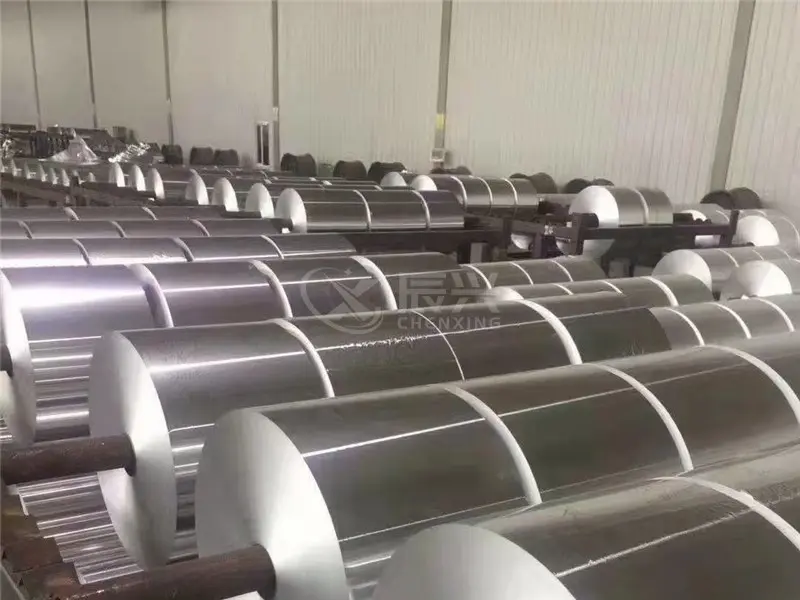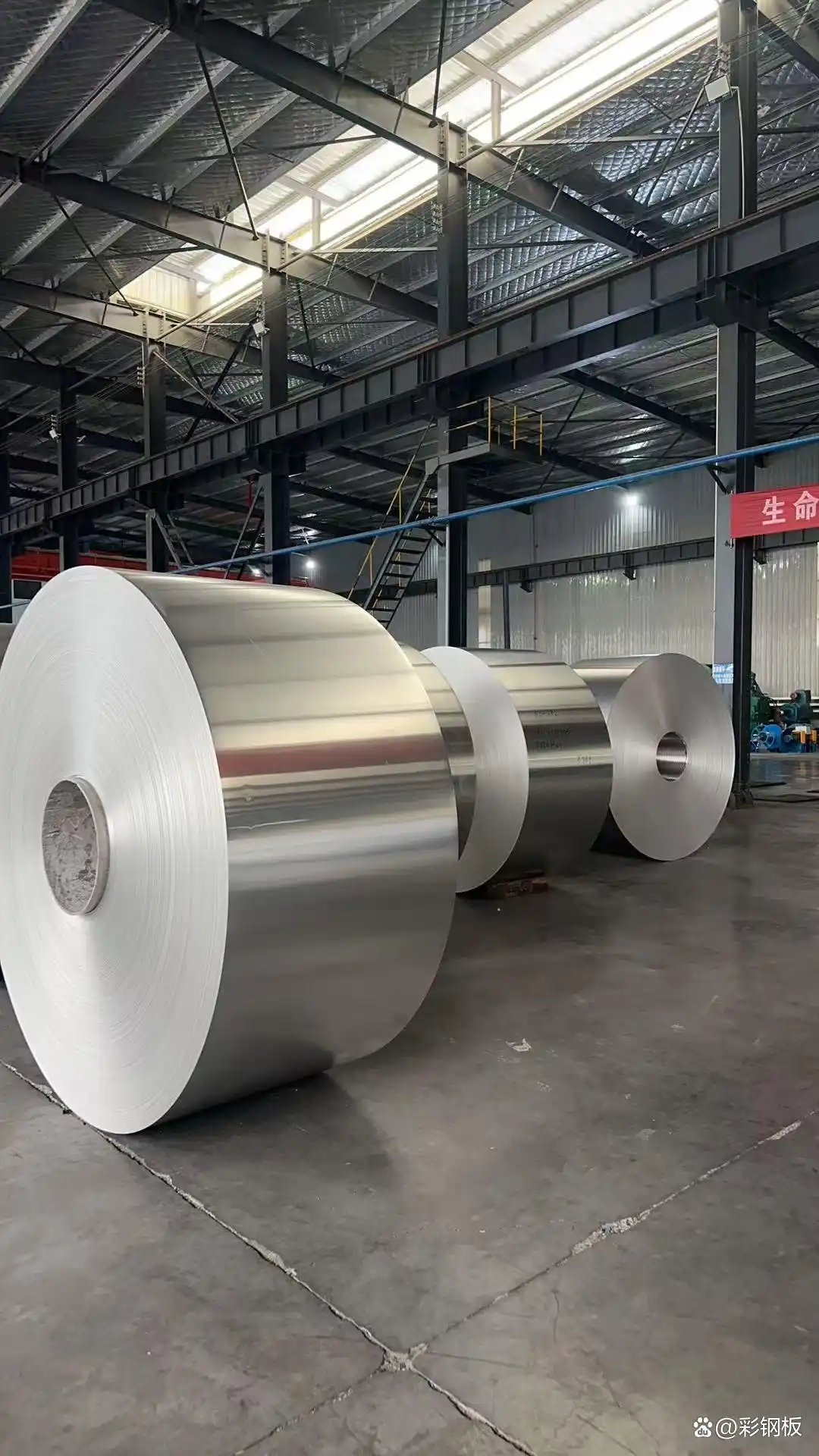
Premium grade raw materials configured for extreme structural durability, high thermal conductivity, and structural engineering applications.
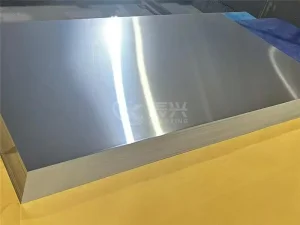
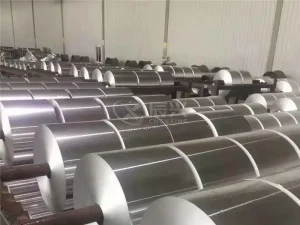

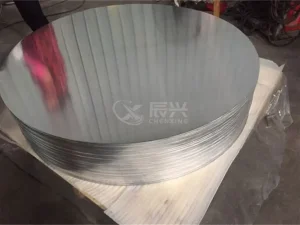
A comprehensive technical overview of raw material chemistry, mechanical processing, and optimization structures for global supply chain procurement.
The global demand for flat-rolled aluminum (FRP) has entered a new phase of intense technology integration, driven by the structural transitions in packaging, lightweight transport, electric vehicle power cell enclosures, and green architecture. When industrial buyers and global procurement managers look to buy flat aluminum from companies and factories, the search is no longer centered only on unit cost. The current landscape mandates a strict assessment of alloy metallurgical uniformity, structural planarity, gauge tolerance limits, and ESG compliance.
Modern flat aluminum fabrication represents the pinnacle of high-deformation engineering. Whether utilizing the Direct Chill (DC) hot-rolling route for deep-drawing requirements or the Continuous Casting (CC) cold-rolling pathway for standard structural profiles, factories must balance grain refinement, inter-annealing protocols, and surface treatment schedules. Understanding these technical processes is critical for procurement agents negotiating large-scale supply contracts, as it directly impacts post-processing performance during cutting, stamping, bending, and anodizing processes.
Selecting the correct metallurgical specification is key to avoiding mechanical failures, reducing scrap rates, and lowering total lifetime procurement costs. Below, our technical engineers outline the chemical properties, mechanical profiles, and prime application fields for the primary alloy families manufactured in our modern processing lines:
| Alloy Series | Representative Grades | Key Mechanical Characteristics | Common Industrial Applications |
|---|---|---|---|
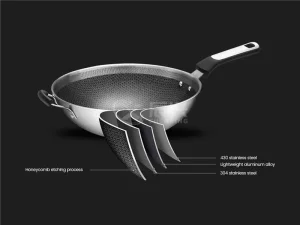
| 1xxx Series | 1050, 1060, 1100 | Pure aluminum (≥99%), high electrical and thermal conductivity, excellent formability, high corrosion resistance. | Deep-drawn kitchenware, heat exchangers, food packaging wraps, decorative panels, and busbars. |
| 3xxx Series | 3003, 3105, 3004 | Al-Mn alloy, 20% stronger than 1xxx, excellent weldability, superior atmospheric resistance. | HVAC evaporators, beverage cans, pressure vessels, roofing panels, and automotive heat shields. |
| 5xxx Series | 5052, 5083, 5754 | Al-Mg alloy, high tensile strength, supreme marine-grade corrosion protection, outstanding fatigue limit. | LNG storage tanks, marine hulls, heavy transport side boards, and battery pack casing systems. |
| 7xxx Series | 7075, 7475 | Al-Zn-Mg-Cu alloy, ultra-high strength (comparable to structural steel), excellent stress-corrosion cracking resistance. | Aerospace structural frames, injection mold cores, structural tooling plates, and military armaments. |
| 8xxx Series | 8011, 8079 | Specialty alloys, ultra-thin foil capacity, high ductility, airtight barrier properties. | Pharmaceutical blister packs, food container laminations, and transformer insulation wraps. |
Combining decades of precision engineering with advanced manufacturing to supply top-tier companies globally.
Over two decades of continuous production innovation, delivering certified raw materials to complex global industries.
Trusted globally. Our products are integrated in production lines across North America, Europe, Southeast Asia, and South America.
Equipped with advanced spectrometer analyzers, automatic thickness gauges, and mechanical testing labs.
Instant expert service. Direct engineer access for customized technical consults and rapid issue resolution within 24 hours.
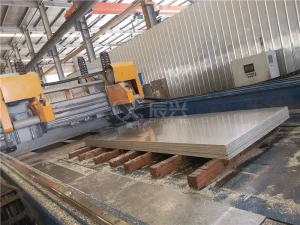
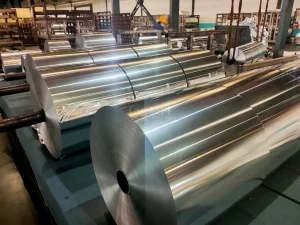
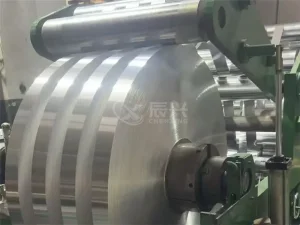
Sourcing directly from modern Chinese aluminum mills offers significant supply chain advantages. The integration of China Factory 4.0 automation has shifted aluminum processing from conventional manual monitoring to high-precision, data-driven systems. Our manufacturing lines leverage automated gauge control (AGC) systems, real-time grain sizing sensors, and advanced thermal profiling to ensure consistency across entire production runs.
This modern manufacturing model is built on digital process control, which directly addresses the challenges faced by international buyers:
Furthermore, raw material supply is supported by strategic proximity to base metal hubs, allowing factories to secure primary ingots at competitive rates. This structural cost advantage, combined with optimized logistics, ensures reliable delivery schedules for global projects.
Flat aluminum serves as the backbone for multiple global manufacturing sectors. The material's unique combination of mechanical, thermal, and electrical properties allows it to solve demanding engineering challenges:
Providing high-precision materials tailored to the specific demands of global manufacturing sectors.
Lightweight 5xxx and 6xxx series plates engineered for vehicle bodies, high-speed rail structures, and marine vessels.
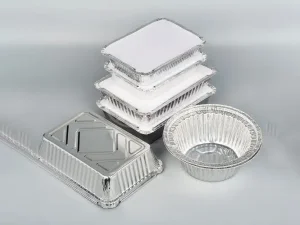
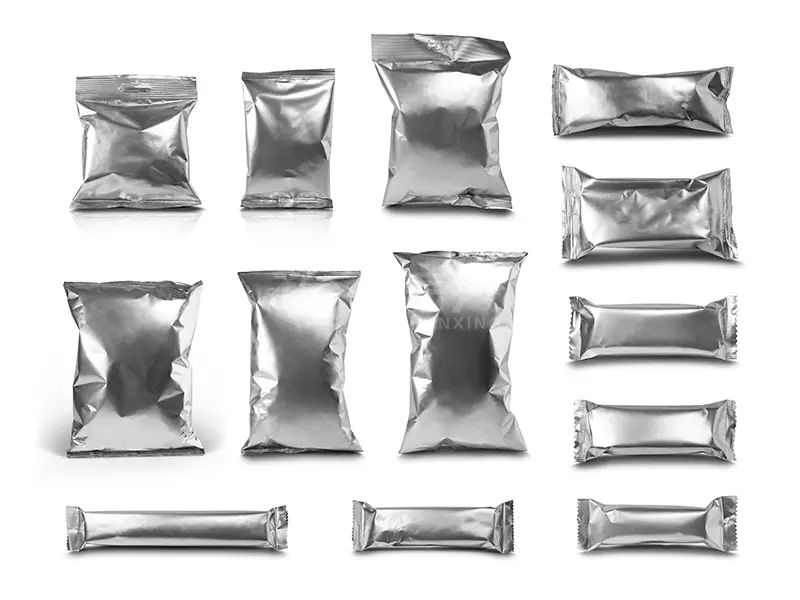
8011 and 3003 grade foils and containers offering food-grade purity, airtight seals, and thermal resistance.
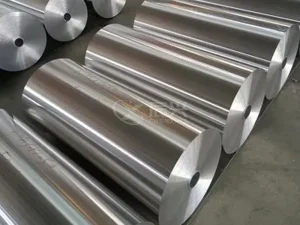
Highly conductive foils and substrates for battery anodes/cathodes, heat sinks, and electromagnetic shielding.
Ultra-high strength 7075 alloys offering critical stress resistance and weight reduction for airframe components.
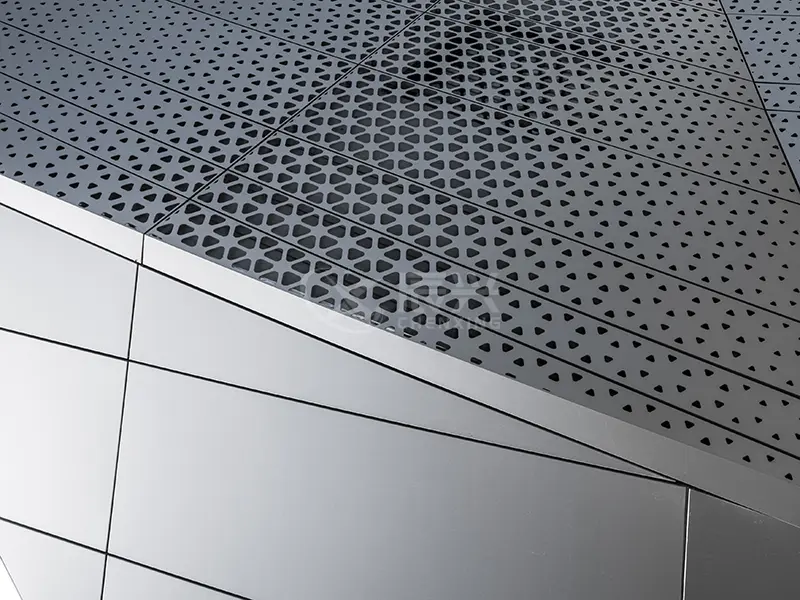
Durable 3003 and 5052 sheets for architectural cladding, roofing, structural supports, and curtain walls.
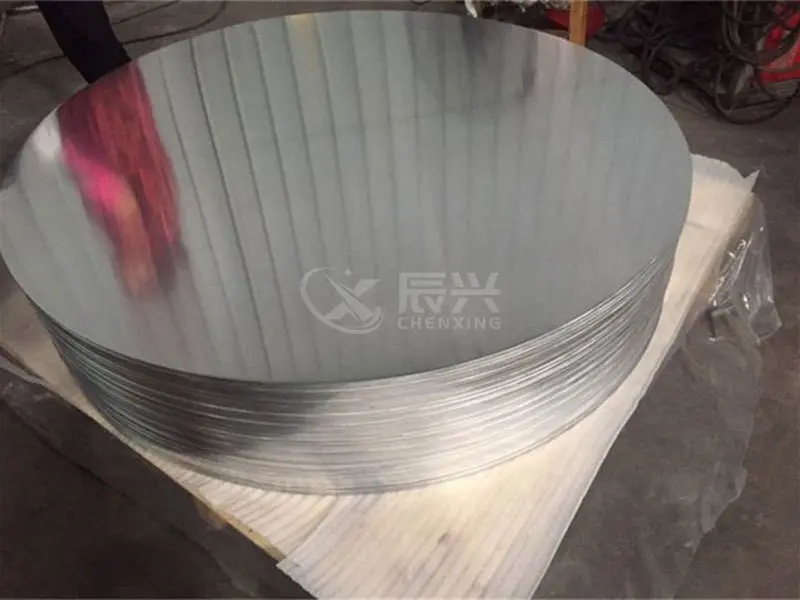
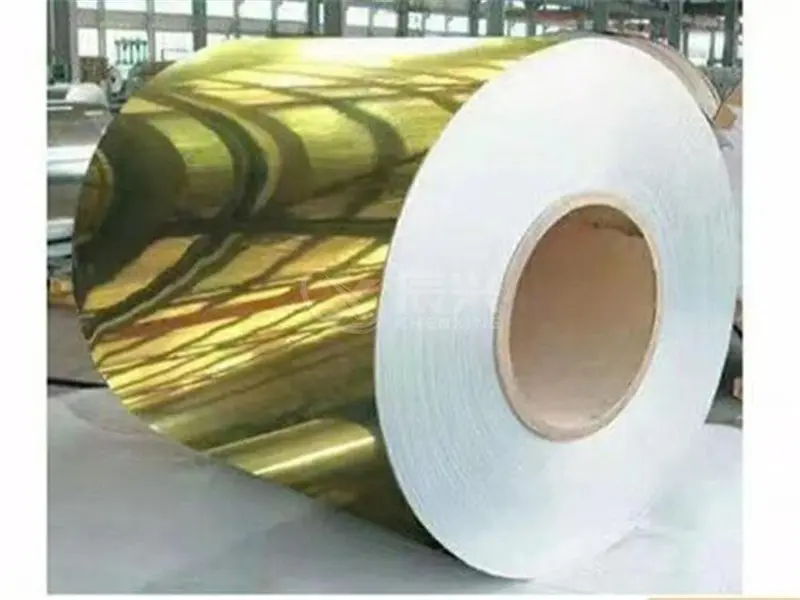
Aesthetic and functional finishes, including brushed and mirror sheets, for refrigerator doors, microwave cavities, and trim.
A key criteria when evaluating a flat aluminum manufacturer is their quality control infrastructure. Global sourcing requires adherence to international standards to ensure product reliability.
We employ a strict quality control process that begins with raw material inspection and extends to post-production testing:
Procuring industrial raw materials requires managing logistics, price volatility, and shipping schedules. To assist purchasing teams, our factory provides integrated supply chain solutions:
Premium grade raw materials configured for extreme structural durability, high thermal conductivity, and structural engineering applications.
Expert answers to the most common questions regarding alloy specifications, quality standards, and logistics management.
Direct Chill (DC) casting involves cooling molten metal in molds to form ingots, which are then hot-rolled. This process yields a fine grain structure and isotropic mechanical properties, making DC sheets suitable for deep drawing, anodizing, and high-stress applications. Continuous Casting (CC) solidifies molten metal directly into strip form, bypasses hot rolling, and proceeds straight to cold rolling. CC is more economical and suitable for basic bending, roofing, and standard fabrication.
Every shipment is accompanied by a Mill Test Certificate (MTC) detailing the chemical composition and mechanical properties of the batch. This certification conforms to EN 10204 3.1. We verify chemical limits via Optical Emission Spectrometry (OES) and confirm mechanical criteria through tensile and elongation testing.
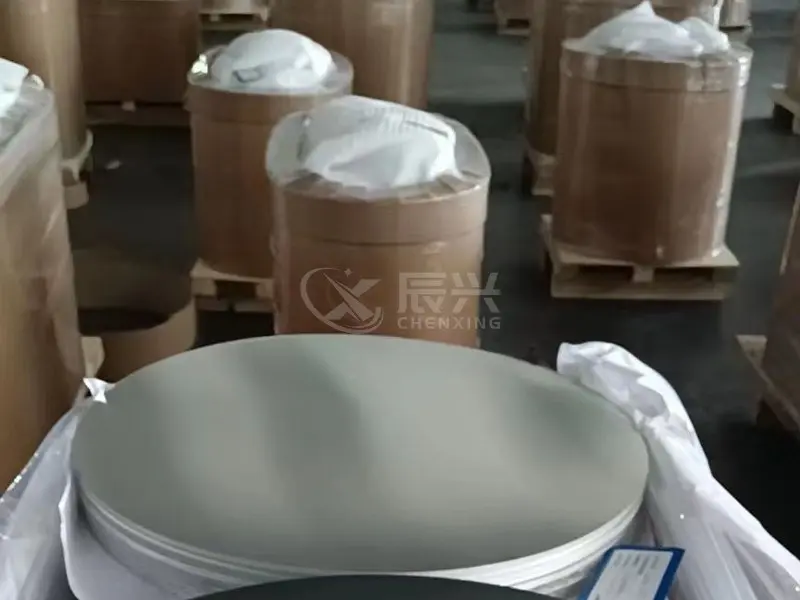
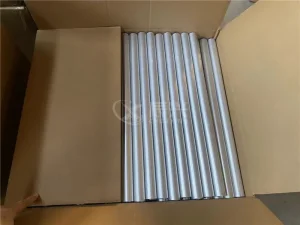
We use export-grade packaging to protect coils and sheets from moisture. The metal is layered with neutral interleaving paper or PE protective film, wrapped in heavy-duty plastic barriers containing desiccants, enclosed in galvanized steel or hardboard shields, and secured on IPPC-heat-treated wooden pallets to prevent moisture entry.
Standard lead times for custom runs range from 20 to 30 days, depending on alloy series and rolling complexity. Common alloy configurations (like 1050, 3003, and 5052) in standard widths are typically processed faster, while specialty grades (like 7075) or ultra-thin foil runs require longer schedules to ensure quality.
In the event of a quality deviation, our 8D protocol is activated immediately: (D1) Establish the cross-functional expert team. (D2) Describe the issue details. (D3) Implement containment actions within 24 hours. (D4) Identify the root cause via Ishikawa and 5-Why analysis. (D5) Define permanent corrective actions. (D6) Implement and validate these actions. (D7) Standardize preventive measures. (D8) Issue the final report to the customer.
Insights into market trends, technology developments, and factory updates.
Analyzing the expansion of international trade and how our production lines are adapting to meet growing global demand.
Read More →An in-depth look at how the transition to electric vehicles is driving demand for high-purity aluminum foil in battery storage.
Read More →How energy efficiency mandates and green building certifications are increasing the use of aluminum cladding globally.
Read More →Contact our engineering and procurement team for chemical analyses, mechanical test reports, and factory-direct pricing for your projects.
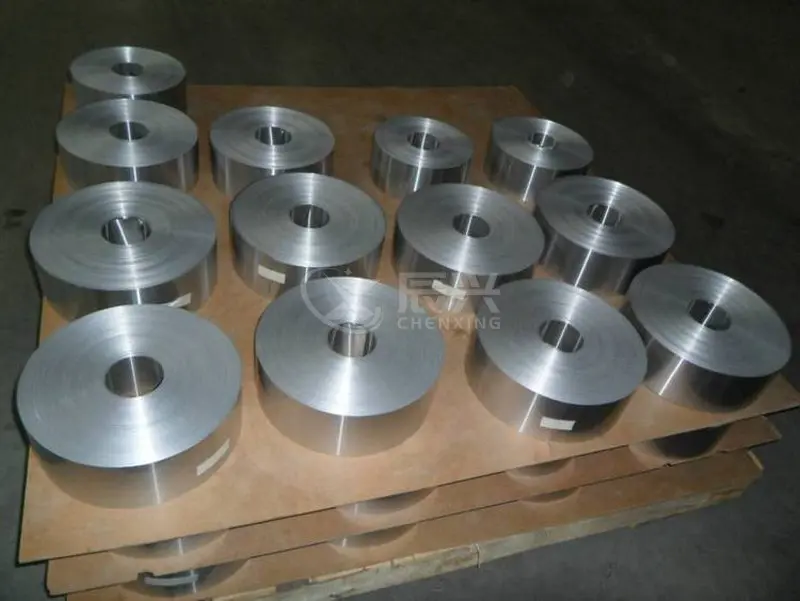
Explore our extensive range of specialized foils, containers, discs, and sheets engineered for global industrial standards.