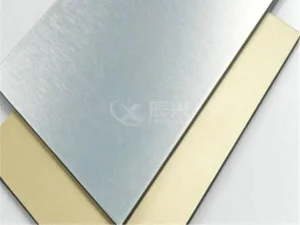
Explore our certified mill run batches, featuring superior dimensional accuracy and chemical consistency.
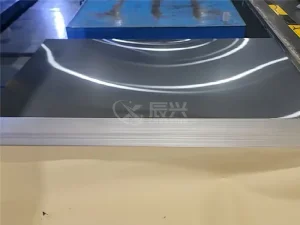

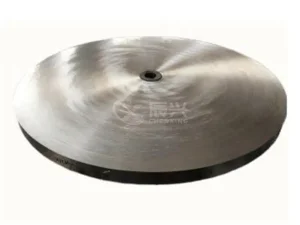
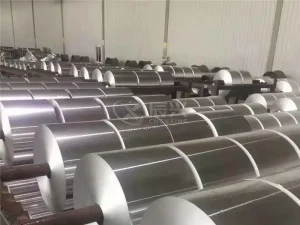

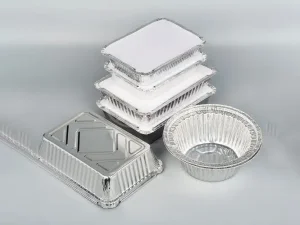
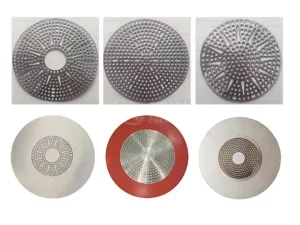
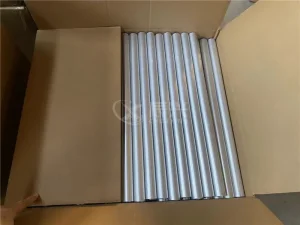
An in-depth analysis of processing capacities, structural shifts, and logistics integration in raw material procurement.
As modern infrastructure, electric vehicle (EV) ecosystems, and industrial packaging demand lighter, more resilient materials, the global primary and secondary aluminium sector is undergoing a major transition. Advanced rollings, thin-foil barriers, and architectural paneling require precise alloy optimization and microstructural integrity. Strategic procurement departments are shifting away from intermediate brokers, moving to establish direct protocols with primary manufacturers and factories. By eliminating supply chain layers, purchasers ensure material traceability, cost optimization, and adherence to ESG (Environmental, Social, and Governance) targets.
“Information Gain in Metallurgy: True competitive advantage does not stem from buying raw metals, but from optimizing alloy tempers (such as H14, H24, and T6) directly at the casting stage. Direct factory integration minimizes downstream processing errors and ensures strict compliance with ISO, CE, and ASTM specifications.”
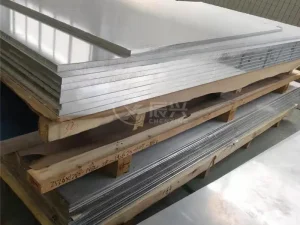
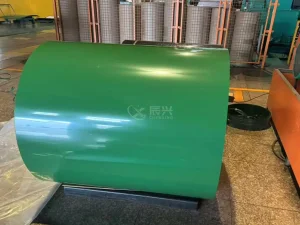
Aluminium’s high strength-to-weight ratio, structural fatigue resistance, and infinite recyclability have cemented it as a cornerstone of modern industrial applications. From 3003-grade rolled sheets utilized in heat exchangers to specialized PVDF-coated coils for weather-resistant architectural envelopes, manufacturers must adapt parameters to match localized environmental conditions. Europe's implementation of the Carbon Border Adjustment Mechanism (CBAM) has also altered global trade flows, making production efficiency and carbon tracking key metrics for modern industrial buyers.
Operational excellence, verified global export reach, and zero-defect quality management pipelines.


China continues to lead global aluminium smelting and processing capacity, driven by consolidated industrial clusters, vertical integration, and advanced hot-rolling and cold-rolling mill setups. The concentration of alumina refining, anode manufacturing, and smelting within regions like Shandong, Henan, and Inner Mongolia minimizes transport costs and reduces carbon emission pathways before final casting. This domestic integration allows Chinese factories to offer shorter lead times and higher consistency across high-volume production runs.
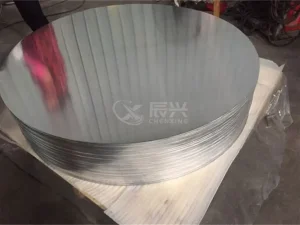
For international buyers seeking induction circles, deep-drawing components, and pharmaceutical-grade barrier foils, Chinese mills offer advanced manufacturing techniques. Technologies like continuous rotary casting, tension-leveling lines, and automated visual surface inspection systems ensure that rolled sheets meet tight tolerances (e.g., within ±0.02 mm) and remain flat during high-speed stamping operations.
Furthermore, Chinese suppliers have integrated global logistical pipelines. Direct rail networks to Central Asia and Europe (the China-Europe Railway Express) combined with high-frequency shipping departures from major coastal ports (Qingdao, Shanghai, Shenzhen) provide cost-effective transport routes. As a result, factories can deliver customized packaging foils, industrial profiles, and structural alloys globally while maintaining competitive pricing structures.
Engineered alloys optimized for severe mechanical, thermal, and atmospheric conditions.
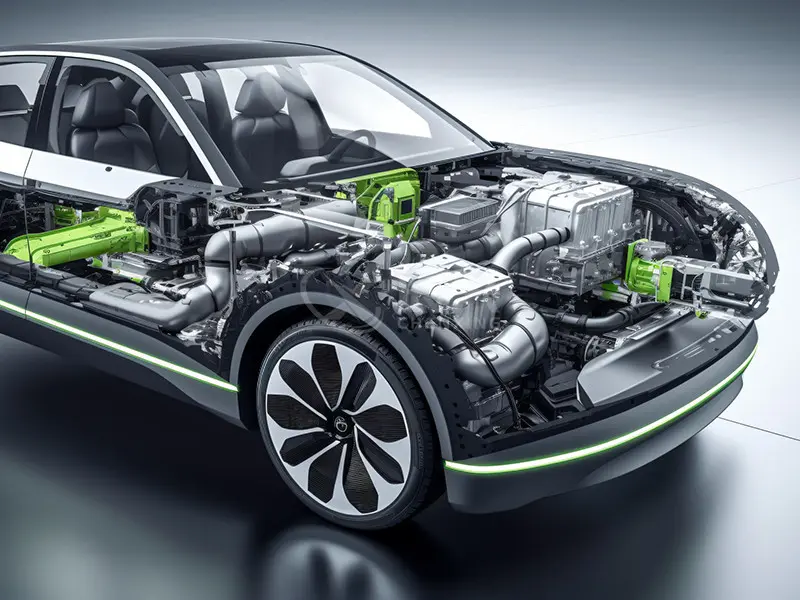
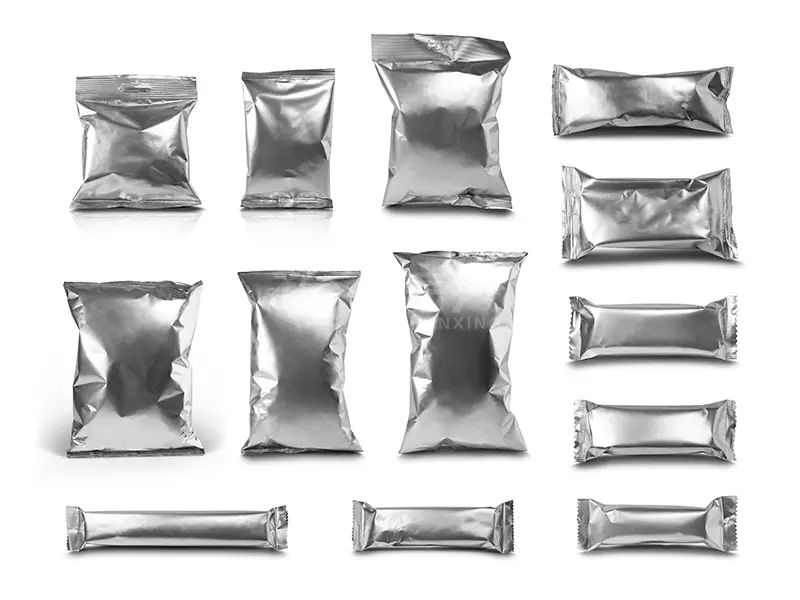


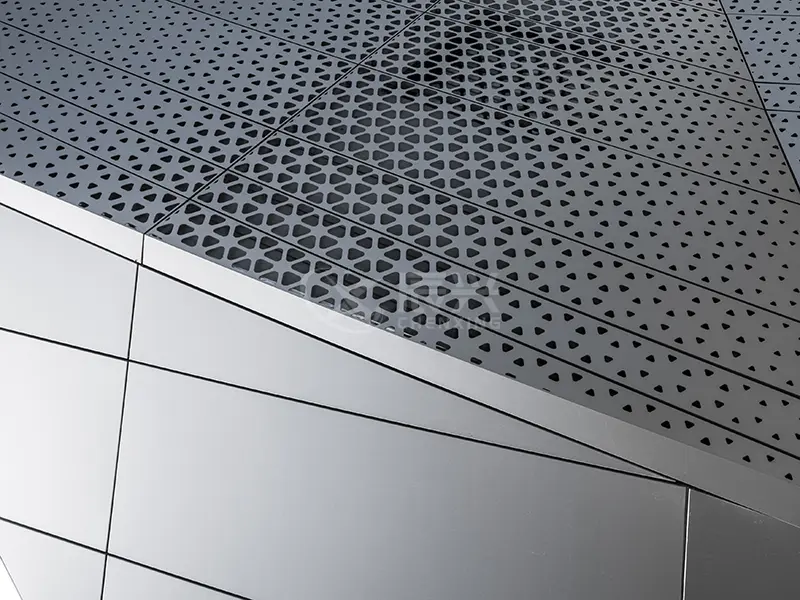

Industrial applications require specific metallurgical profiles tailored to environmental and mechanical stress factors. Below are key deployment scenarios where specialized aluminium alloys provide optimal performance:
As major economies push for decarbonization, the industrial sector is shifting toward "Green Aluminium." Smelters are transitioning from coal-fired power to renewable sources like hydropower and solar energy. This energy transition can reduce the carbon footprint of primary aluminium production from a global average of 16-20 tons of CO2 per ton of metal down to less than 4 tons.
Additionally, secondary aluminium recovery (recycling post-consumer scrap) requires only 5% of the energy needed for primary smelting. Factories are increasingly integrating advanced scrap-sorting and refining equipment to incorporate recycled content without compromising the tensile strength and formability of the finished alloys.
Stay updated on material technology, export supply chains, and evolving metallurgy trends.
Analysis of high-volume export strategies, tariff compliance, and logistics optimization for key international distribution networks.
Read More
Evaluating chemical purities, thickness tolerances, and mechanical surface tension requirements for electric vehicle battery packs.
Read More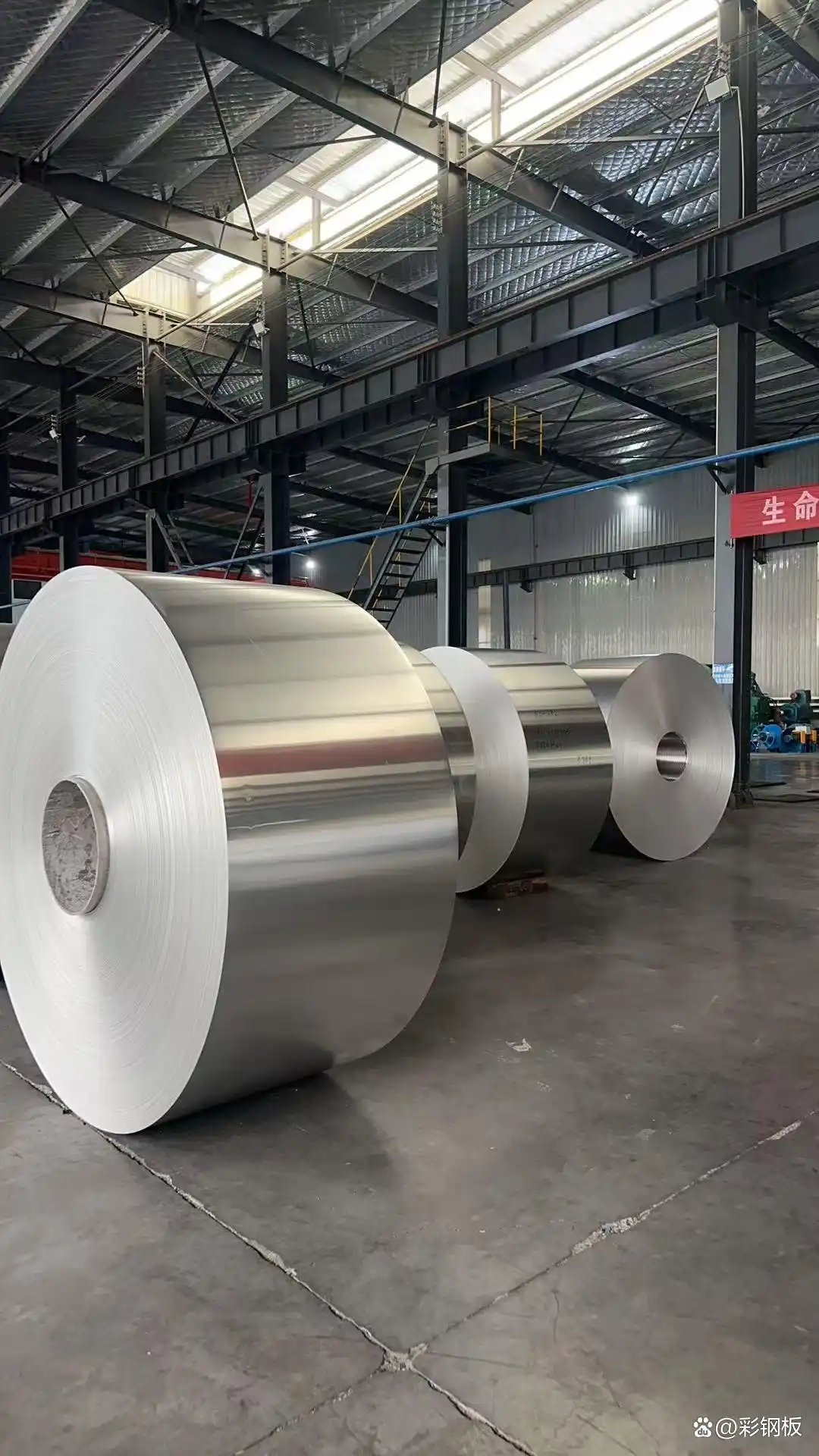
How the shift toward lightweight design in transport and green construction is driving global demand for coated and mill-finished coils.
Read MoreAddressing core technical questions from engineering and procurement teams.
Submit your technical specifications or alloy requirements. Our manufacturing team will review and provide a customized quote within 24 hours.
Submit Specifications NowExplore our deep-drawn components, specialty alloys, and high-performance foil products.