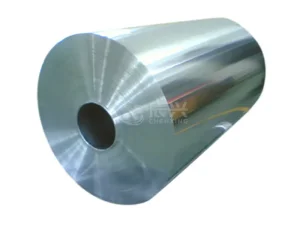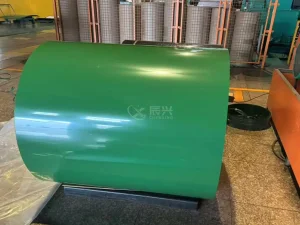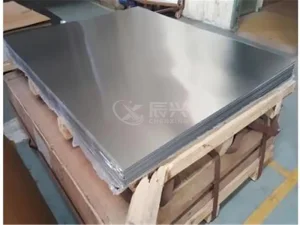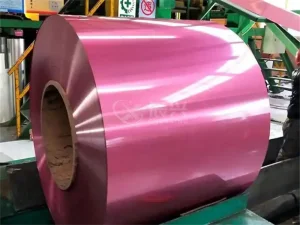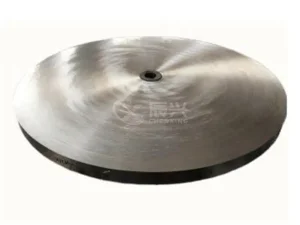
Explore our high-performance engineering materials engineered to support global heavy industries, aerospace, and architecture.
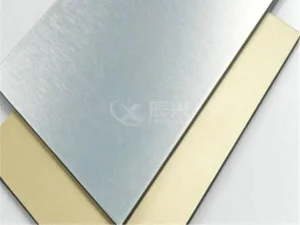
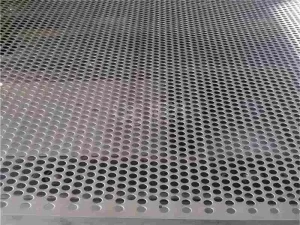
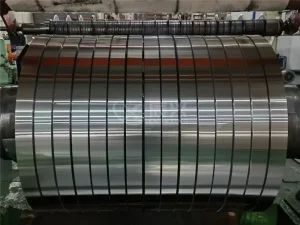
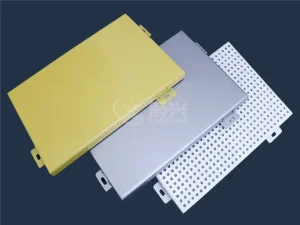
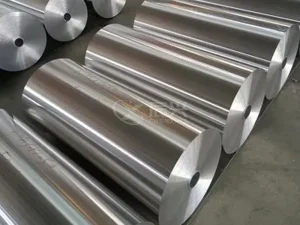
For decades, we have optimized aluminum metallurgy to provide heavy industrial sectors with absolute precision, high material consistency, and localized logistics support.


Blank aluminum plates represent the core structural substrate for an array of specialized industrial fabrications. As global manufacturing shifts toward lightweighting, sustainable construction, and advanced thermal management, the demand for precision-sheared, flatness-critical, and dimensionally stable aluminum blanks has scaled exponentially.
These semi-finished plates serve as crucial starting materials for CNC machining, metal spinning, high-speed deep drawing, and laser engraving. Without pristine mechanical flattening and uniform grain structure, post-production steps risk structural failure or warping—a critical concern for applications ranging from high-speed train chassis to semiconductors.
The global demand landscape is dominated by regional hubs requiring specific alloy capabilities:
Uncompromising material stability starts at the atomic level. We control recrystallization temperatures, grain structure alignment, and structural tempering to meet exact performance criteria.
Ideal for electrical grids, heat-exchanger fins, and deep-drawing processes. Pure 1050/1060 alloys offer over 61% IACS electrical conductivity, essential for busbars and power distribution blocks.
Anodizing artificially thickens the natural aluminum oxide layer, providing severe corrosion immunity, while PVDF (fluorocarbon) coatings provide decades of UV and chalking resistance in severe architectural profiles.
By employing continuous tension-levelers, our blank plates exhibit minimal residual internal stress, which ensures that cut, laser-machined, or stamped components stay flat.
The global transition toward carbon neutrality is prompting heavy machinery designers to replace standard mild steel plates with structural-grade blank aluminum plates. While steel exhibits high tensile strength, high-strength aluminum alloys (such as the 5xxx marine-grade and 6xxx structural-grade alloys) deliver equivalent load-bearing properties at nearly one-third the mass density.
Our rolling mill incorporates modern automated thickness control (AGC) systems that monitor plate gauge variation in real-time. By applying high-temperature annealing during the intermediate rolling stages, we control the recrystallization of the aluminum grain structure, optimizing grain alignment to maximize yield strength and elongation limits.
This metallurgical precision is critical for post-processing steps. When a downstream factory purchases a raw blank aluminum plate, they rely on consistent hardness profiles across the entire surface. Variations in material hardness can lead to inconsistent tool wear, variations in bend radius, and dimensional variations during manufacturing. By maintaining precise chemical composition limits, we ensure that every production run remains within tight tolerances.
From advanced aerospace hulls to everyday household appliances, our aluminum alloys are custom-formulated to maximize longevity and performance.
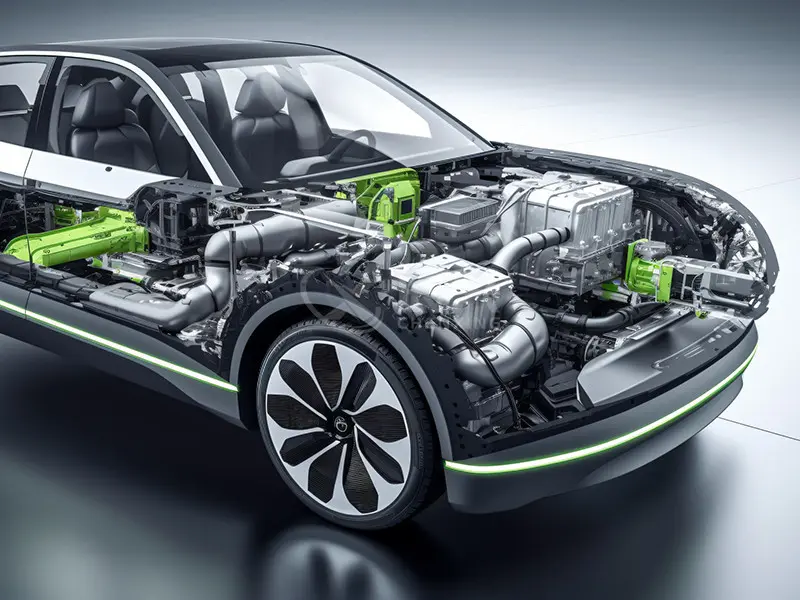
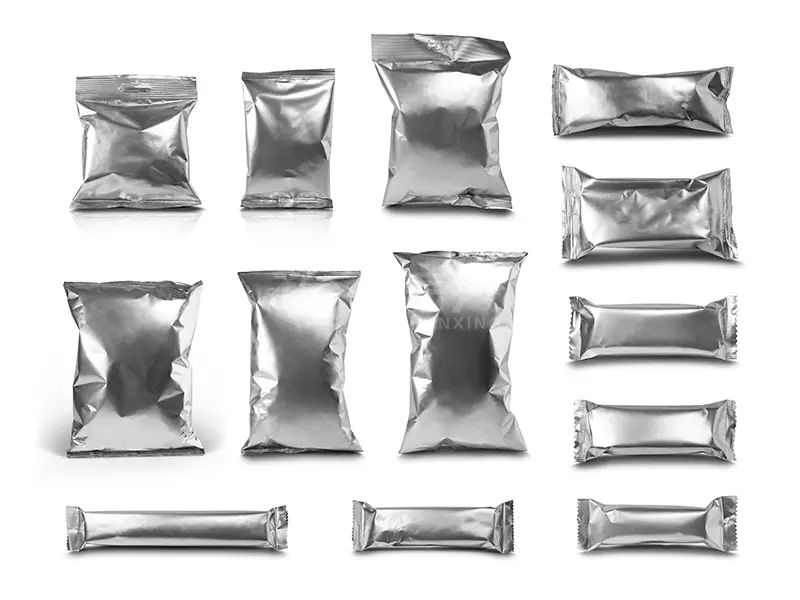


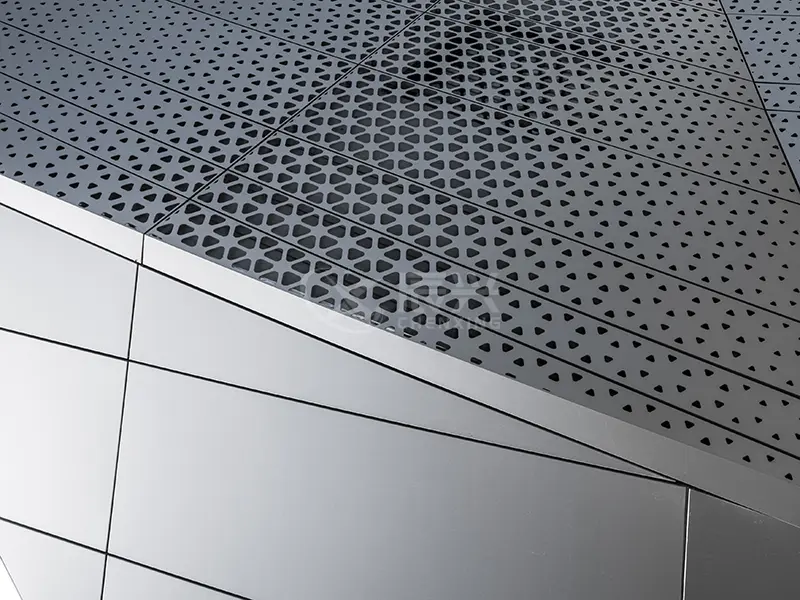

How we align advanced product development with localized logistics and environmental requirements across the globe.
By leveraging hydropower for electrolysis in our primary smelting operations, we significantly reduce the embedded carbon footprint of our blank aluminum plates, helping international buyers meet Scope 3 emissions targets.
Different markets face varying wind loads and environmental conditions. Our technical team works with regional distributors to customize alloy specifications for different projects, including coastal, high-salinity architectural cladding.
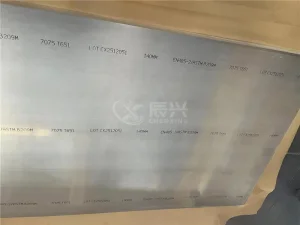
We utilize digital batch-tracking systems. Each shipment of blank aluminum plates comes with an online Material Test Report (MTR) detailing mechanical properties and chemical compositions, ensuring traceability.
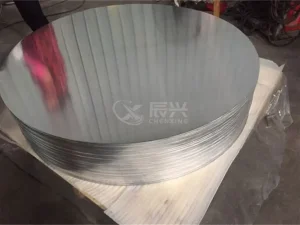
Whether you require customized anodized sheets, perforated plates, or high-purity aluminum circles, our technical engineering team responds to all inquiries within 24 hours.
Submit Design Requirements NowKeep pace with global aluminum supply chains, technological updates, and alloy developments from our factory experts.
Get answers to common metallurgical and supply questions from our engineering department.
Alloys from the 5xxx and 6xxx series, particularly 5005, 5052, and 6061, are highly suitable for anodizing. They yield a uniform, highly protective oxide layer. For architectural applications, 5005 provides a very uniform color match across structural components, while 6061 is preferred for CNC-machined parts requiring high tensile strength.
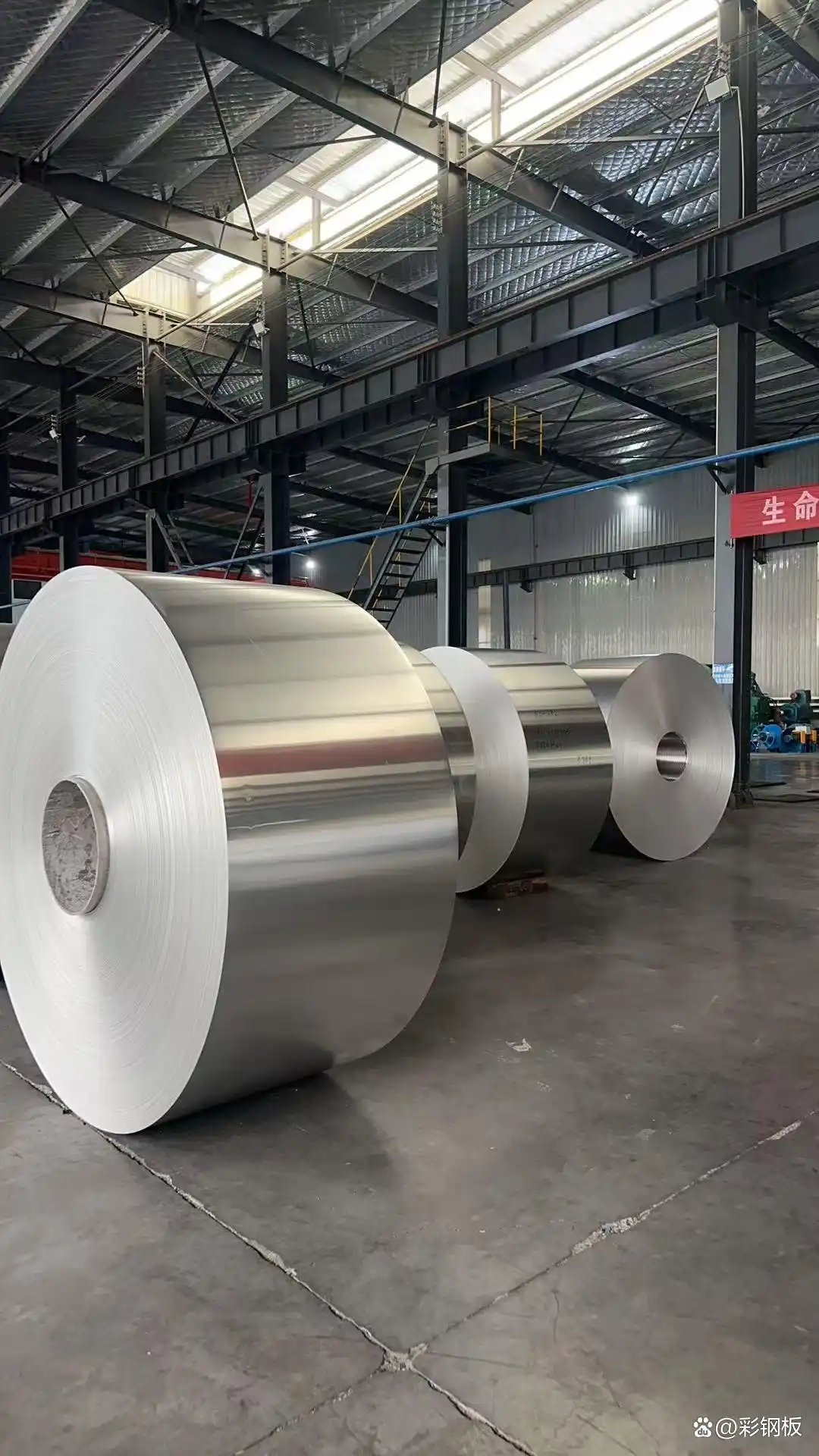
We use automated thickness control (AGC) systems during hot and cold rolling processes. Additionally, our inline tension levelers apply controlled tensile stress to flatten any edge waves or center buckles, ensuring that structural blanks maintain excellent flatness during laser cutting or CNC machining operations.
Our standard manufacturing MOQ depends on the thickness and width of the alloy required. For standard stock gauges in the 1xxx, 3xxx, or 5xxx series, we offer flexible configurations. Custom hole spacing or bespoke patterns may require tooling setup fees, which our sales engineers can detail during quotation.
PVDF (Polyvinylidene Fluoride) coatings contain high-performance fluorocarbon resins that offer excellent resistance to UV radiation, chemical exposure, and chalking, making them suitable for outdoor architectural applications. Polyester (PE) coatings are more economical and offer high color vibrance, making them ideal for indoor cladding, signage, and appliances.
Yes. We produce high-purity battery foils (typically utilizing 1060, 1070, or 1235 alloys) down to ultra-thin gauges under cleanroom conditions. These foils feature high electrical conductivity, excellent mechanical strength, and uniform surface wetting properties to ensure optimal adhesion of active cathode materials.
All highly finished plates, especially anodized, brushed, or mirror-finished plates, are protected with high-adhesion PE protective film or paper interleaving. We use export-standard, moisture-barrier wrapping and steel-banded wooden pallets to prevent oxidation and physical damage during sea freight.
Explore our complete product catalog, featuring specialized materials designed for unique industrial applications.