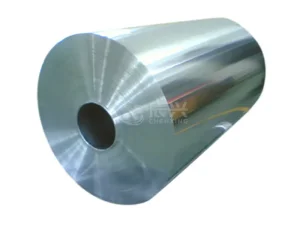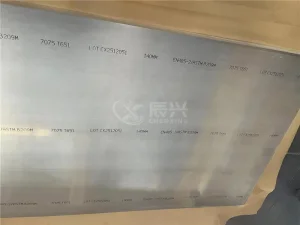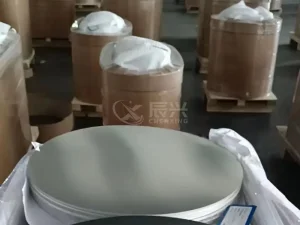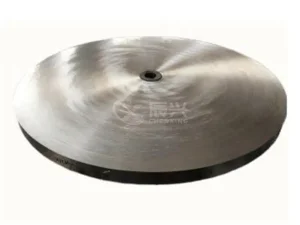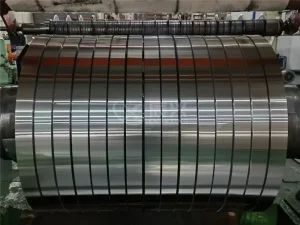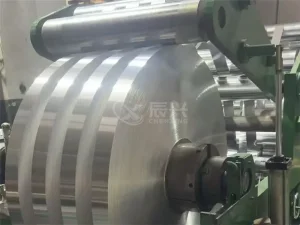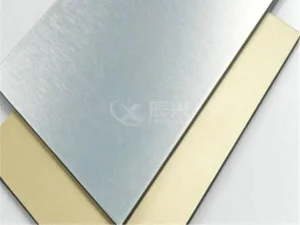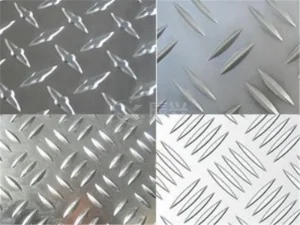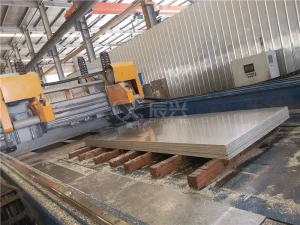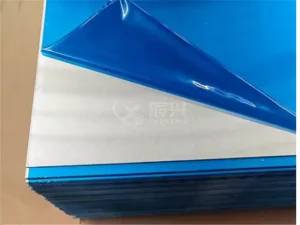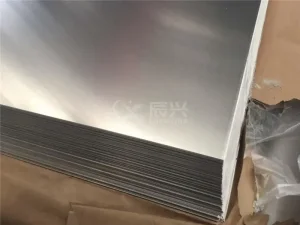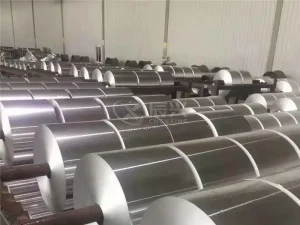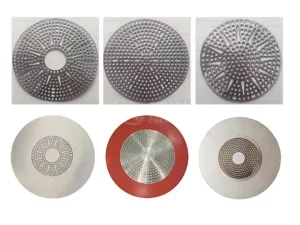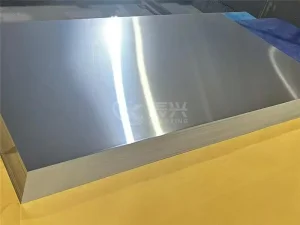
Premium structural plates, coils, strips, and tubes sourced for tier-1 global architectural window companies.
Proven industrial supply capability for systemic architectural glazing and aluminum window enterprises worldwide.


The contemporary structural fenestration landscape has undergone a monumental shift toward high-strength, lightweight aluminum systems. Global commercial construction drives this market, spurred by urbanization, stringent building codes, and structural efficiency demands. For architectural procurement professionals seeking to partner with an aluminum window company or evaluate global aluminum window companies, understanding the upstream supply chain is of paramount importance.
Aluminum window systems occupy over 60% of the commercial structural window market globally. This structural dominance stems from aluminum’s physical properties: a high strength-to-weight ratio, exceptional structural longevity, natural corrosion resistance, and superior recycling capability. Modern architectural designs favor expansive glass elevations with minimal sightlines, necessitating window frames that withstand massive wind loads and thermal movements. Aluminum is the premier structural material for these engineering challenges, outperforming vinyl (PVC) and timber in structural stability and load-bearing limits.
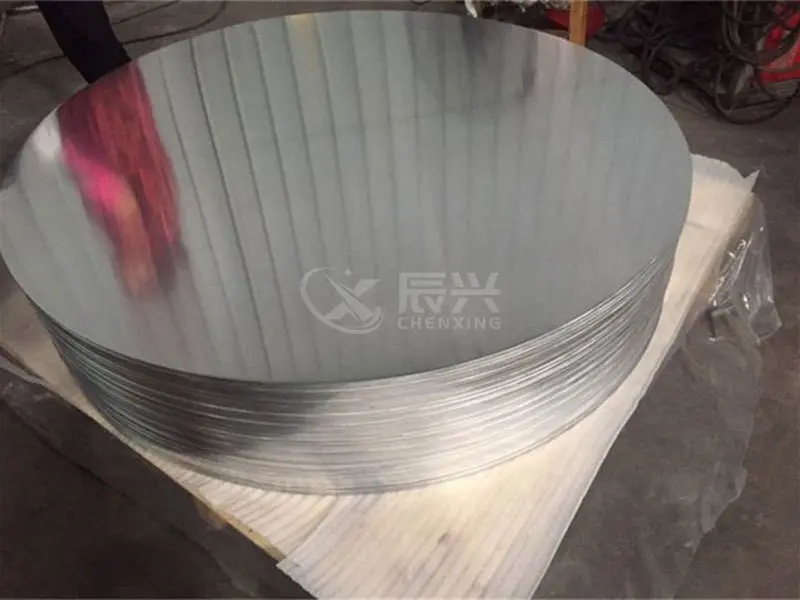
The performance of finished architectural windows relies directly on the chemical composition and mechanical properties of upstream aluminum components. Extruded frames, weatherproofing gaskets, thermal break barriers, and structural sheets are critical links in this process. Procurement officers must evaluate the raw material origins of their suppliers. As a leading manufacturer with over 20 years of experience, we provide essential semi-finished products—including anodized sheets, coils, circles, and highly specialized foils—that form the structural base of premium architectural applications.
"To buy from premium aluminum window companies is to invest in advanced metallurgy. The performance of a high-performance window frame is determined long before extrusion, beginning at the precise casting and composition of the raw aluminum billet."
Three primary macro trends currently drive the design, engineering, and manufacturing methodologies of modern aluminum window systems:
Premium precision aluminum circles, coils, foils, and specialty sheets produced under strict QC tracking for heavy manufacturing.
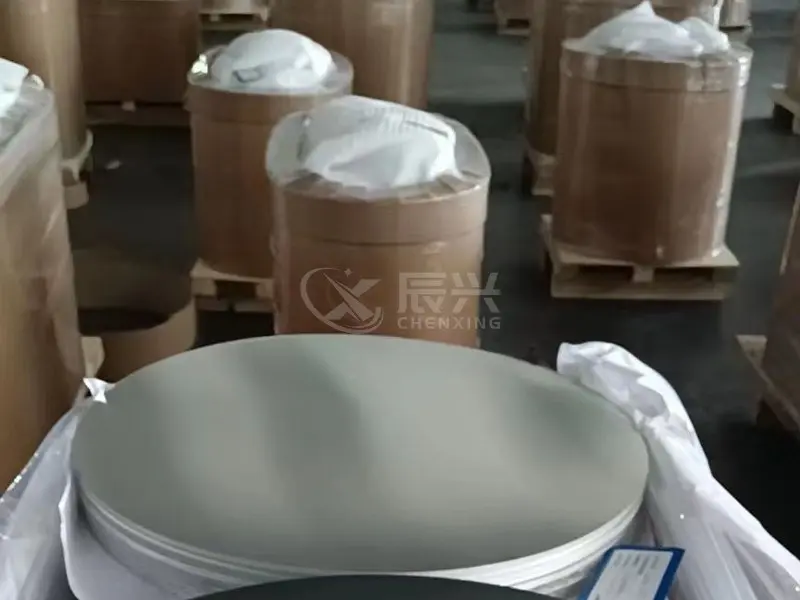
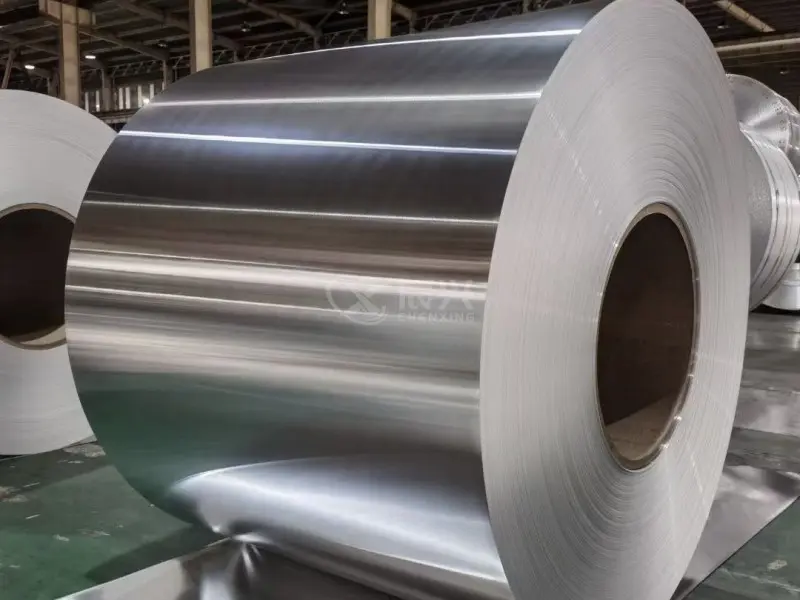
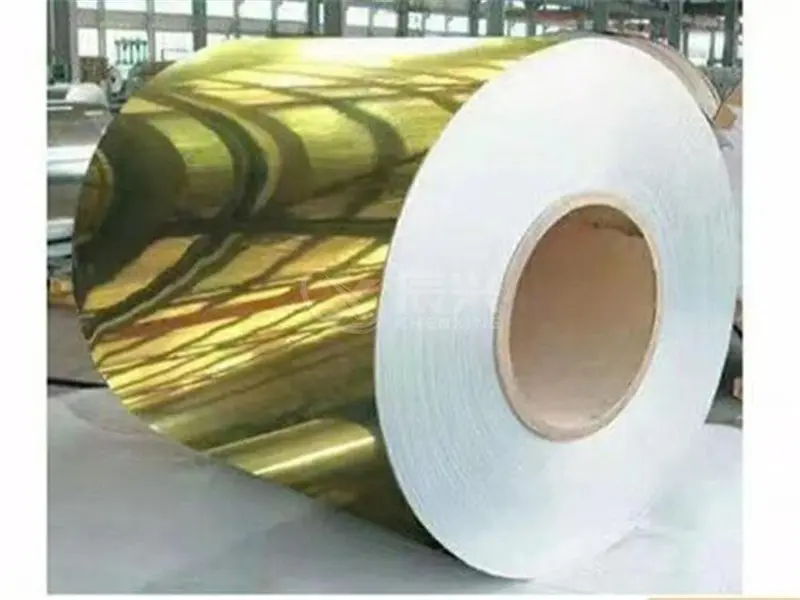
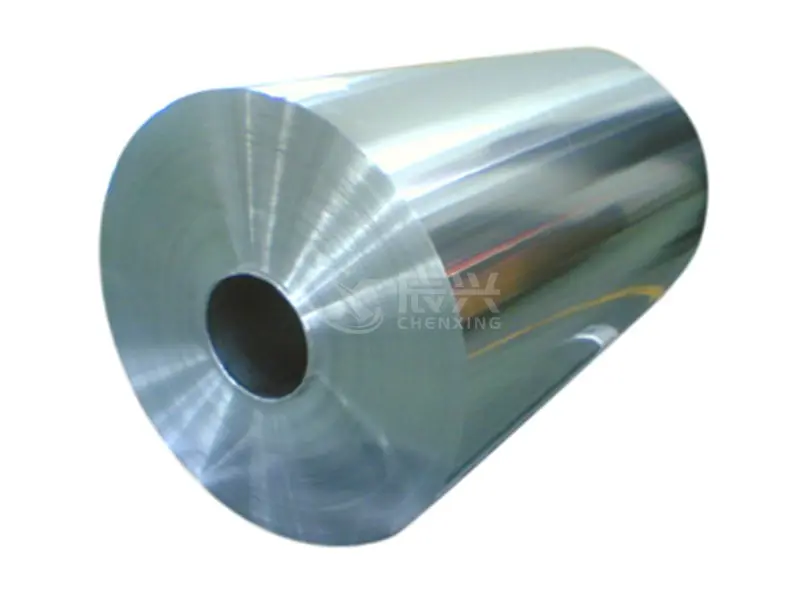
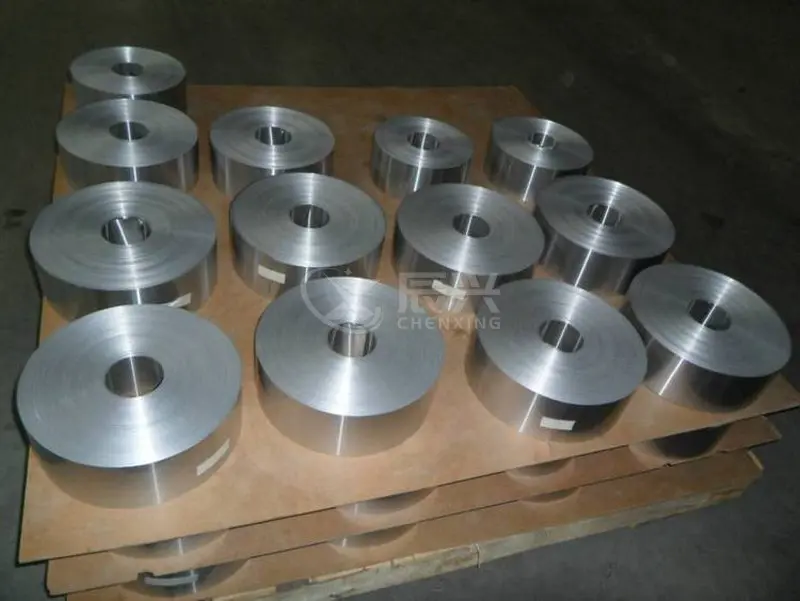
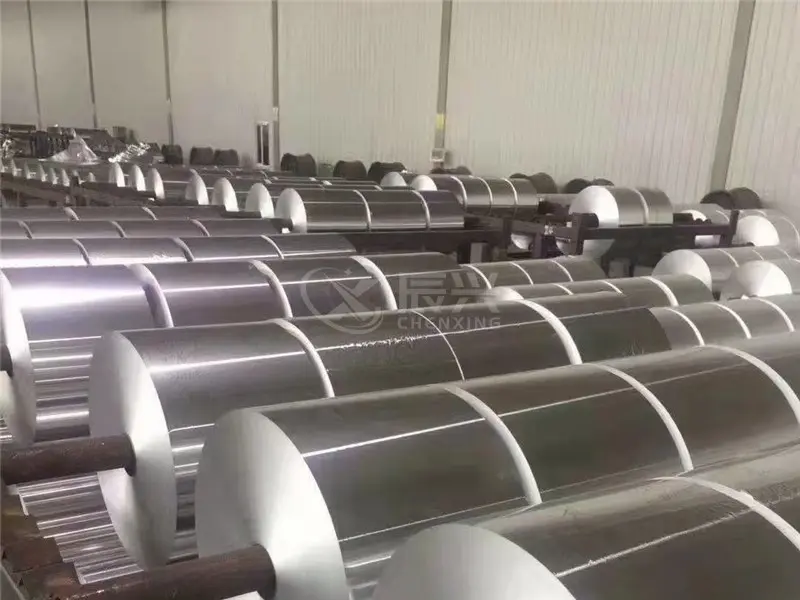
Aluminum window profiles require specific optimization based on localized geography and structural application context. A system engineered for arid regions will underperform in high-salinity marine or extreme wind-load alpine climates. Procurement teams must match system specifications with localized environmental conditions:
In coastal zones, saltwater spray combined with humidity acts as a catalyst for galvanic and pitting corrosion. Window frames in these settings require a minimum of 20 to 25 microns of anodized thickness or high-durability fluoropolymer (PVDF) coatings. In coastal projects, components such as anodized plates are critical for flashings and sill closures, protecting the perimeter joint against degradation.
Regions with extreme seasonal temperature fluctuations require frames with structural multi-cavity polyamide barriers. These cavities, often filled with polyurethane insulating foam, minimize heat loss through conduction. Utilizing high-performance thermal breaks helps achieve a low window U-value, eliminating cold bridging and preventing interior condensation on the aluminum profile.
High-rise buildings experience massive wind loads (up to 5.0 kPa) and structural inter-story drift. Structural window systems require robust structural alloys, such as 6082 T6, which offer superior tensile yield strength compared to standard architectural alloys. These heavy-duty window configurations depend on structural backing plates, structural columns, and thick exterior aluminum cladding panels to absorb dynamic structural loads without permanent deformation.
The structural window industry is shifting from static framing to smart, high-performance building envelopes. The technological roadmap focuses on these critical paths:
Adopting zero-emission primary smelting powered by hydro-energy and hydrogen reduction.
Developing frames with built-in PV collectors, automated sensors, and micro-ventilation channels.
Transitioning to self-cleaning superhydrophobic and photocatalytic surfaces to lower maintenance costs.
Utilizing bio-based polyamides with aerogel inserts to optimize thermal isolation profile design.
From heavy transport and aerospace structures to architectural building envelopes, raw aluminum materials serve as the foundation of modern infrastructure.

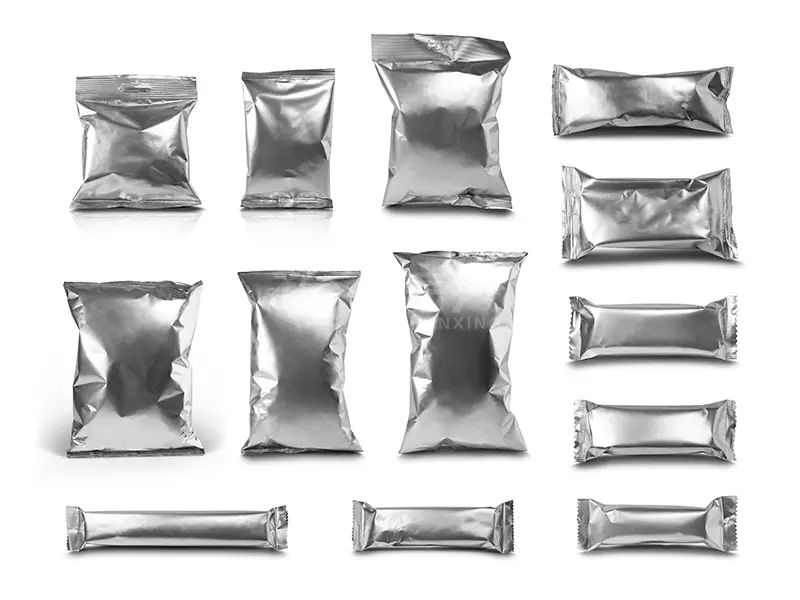


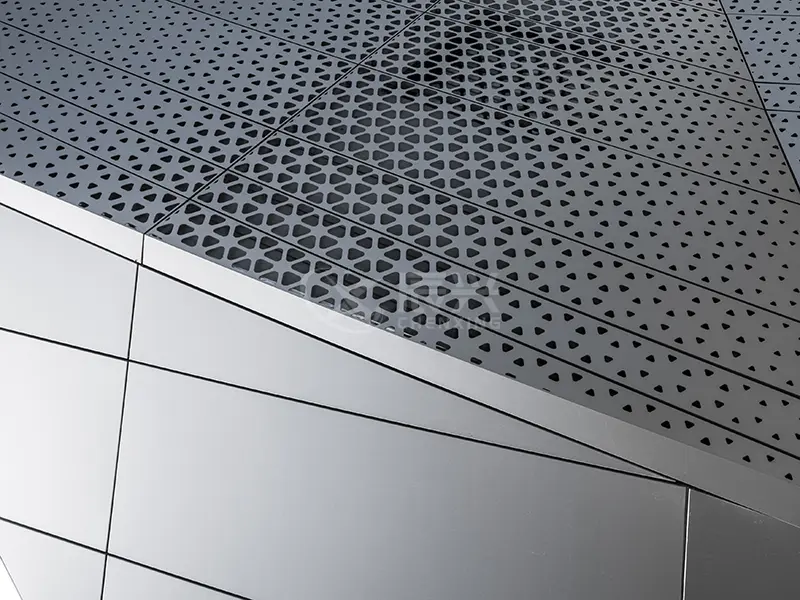

Modern building envelopes require an integrated system solution approach, moving away from isolated individual components. Design institutions, structural engineers, and facade consultants specify complete, high-performance systems. Our upstream material supply directly addresses the manufacturing needs of these systems:
By coordinating material specifications early in the design phase, real estate developers and window companies can achieve significant cost efficiencies while meeting project performance requirements. This collaborative approach minimizes fabrication scrap, accelerates installation timelines, and ensures long-term building performance.
For inquiries about our products or pricelist, please contact us. Our technical support team will respond within 24 hours.
Stay informed with technical market reviews, material engineering developments, and raw metal supply chain updates.
Expert responses addressing key material requirements, alloy selections, and quality parameters in the structural window supply chain.
For structural framing, 6000-series alloys are standard. Alloy 6063 provides a smooth surface finish and good extrusion properties, making it ideal for standard frame profiles. For high-rise projects facing extreme wind loads, engineers specify 6082-T6 or 6061-T6. These alloys offer higher yield strength to withstand deformation.
Anodizing converts the aluminum surface into a durable, integrated aluminum oxide layer. This layer resists chipping and peeling compared to paint coatings. Class I anodizing (minimum 18 microns) provides excellent resistance against salt spray, preventing pitting and galvanic corrosion in marine environments.
Polyamide thermal breaks isolate the interior and exterior halves of the aluminum frame, restricting thermal transfer. By reducing heat conductivity, they prevent energy loss and lower a building's overall U-value. This design supports green building compliance and helps control interior condensation.
Batch-level tracking ensures full traceability from the raw billet to the finished architectural element. If a structural failure occurs under wind loading, tracking allows quality assurance teams to verify the mechanical properties, chemical composition, and heat-treatment profiles of the specific batch.
Our facility operates on an 8D response system. We address critical technical and pricing requests within 24 hours, providing design feedback and manufacturing feasibility analyses to support engineering projects.
High-performance industrial sheets, circles, and foils engineered for global architectural and manufacturing applications.