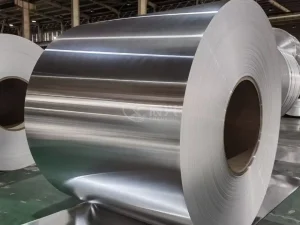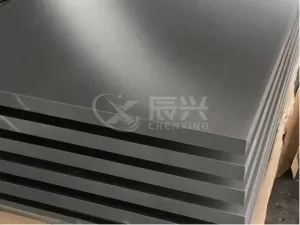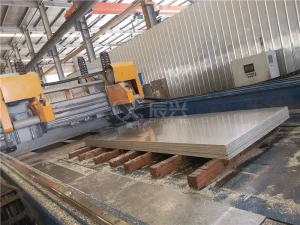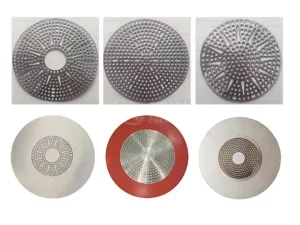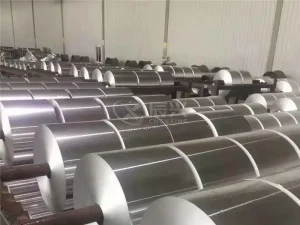
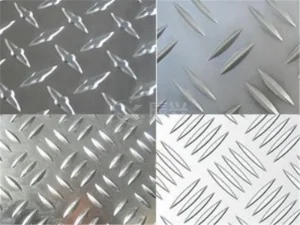
Explore our foundational range of premium-grade textured sheets, high-purity circles, and specialized metal alloy configurations sourced directly from our global factories.
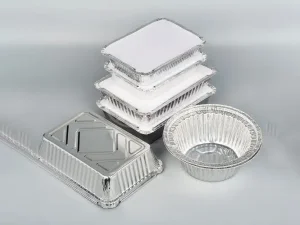
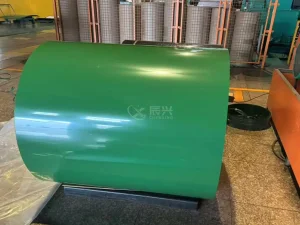
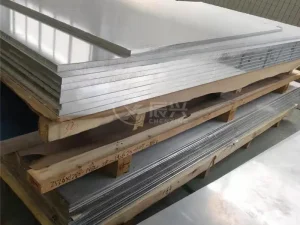
In high-precision industrial sectors—such as thermal management, structural aerospace trusses, automotive fluid cooling systems, and chemical process piping—the specification of extruded aluminum tubing is dictated by the precise intersection of mechanical properties, dimensional tolerances, and alloy metallurgy. Selecting the right aluminum tube company and factory is not merely a purchasing decision; it is a critical engineering process that directly influences the structural integrity and longevity of the final application.
"Extruded hollow profiles, specifically aluminum tubes, require structural homogeneity that can only be achieved through strict control of billet temperature, extrusion speed, and subsequent heat treatment cycles."
Industrial aluminum tubes are classified into distinct alloy classes based on their chemical composition and thermal treatment response. Selecting the optimal alloy ensures the structural balance between yield strength, corrosion resistance, and workability:
Alloys 6061 and 6063 represent the standard for architectural and structural engineering. Offering excellent extrudability, moderate-to-high strength, and responsiveness to T6 tempering (artificial aging), these alloys are ideal for frameworks, hydraulic systems, and heat exchangers.
Alloys such as 5083 and 5086 provide outstanding corrosion resistance in marine and chemical environments. These non-heat-treatable alloys gain strength through strain hardening (cold work) and deliver exceptional structural performance in highly saline atmospheres.
Alloys like 7075 are reserved for extreme stress applications, primarily within aerospace, military defense, and motorsports. Their mechanical yield strength rivals that of many structural steels while preserving the weight-saving advantages of aluminum.
Why Tier-1 industrial enterprises trust our global manufacturing network and precision-driven supply chain management.


The global market for aluminum tubing has transitioned from transaction-based procurement to deep, strategic partnerships. Procurement directors are faced with managing LME (London Metal Exchange) raw material price index volatility, verifying regional environmental footprints (such as Carbon Border Adjustment Mechanism (CBAM) requirements), and securing supply chain resilience. An elite aluminum tube factory must provide more than raw extrusion capabilities; they must offer strategic logistics, dynamic hedging options, and value-added post-processing operations (e.g., precise internal skimming, multi-bend configurations, and custom surface anodization).
In addition to geopolitical changes, modern B2B buyers mandate strict adherence to technical parameters. Seamless tube requirements are increasing for pneumatic systems, where structural welded lines could introduce weak points under pressure. Conversely, for structural framing and electrical conduits, high-speed welded tubes derived from strip coils present a cost-effective, high-tolerance solution. A seasoned partner helps navigate these specifications early in the design cycle to prevent cost overruns.
Providing specialized extrusion solutions across high-growth industrial sectors where weight efficiency, thermal capacity, and corrosion control are paramount.
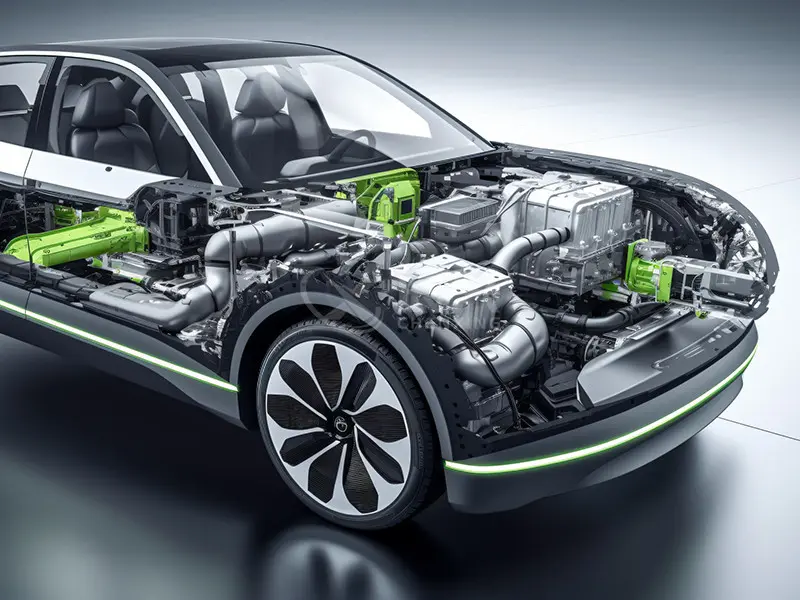
Weight reduction in electric vehicle (EV) battery frames, cooling conduits, structural crash beams, and high-pressure fuel lines using 6xxx and 7xxx series alloy extrusions.
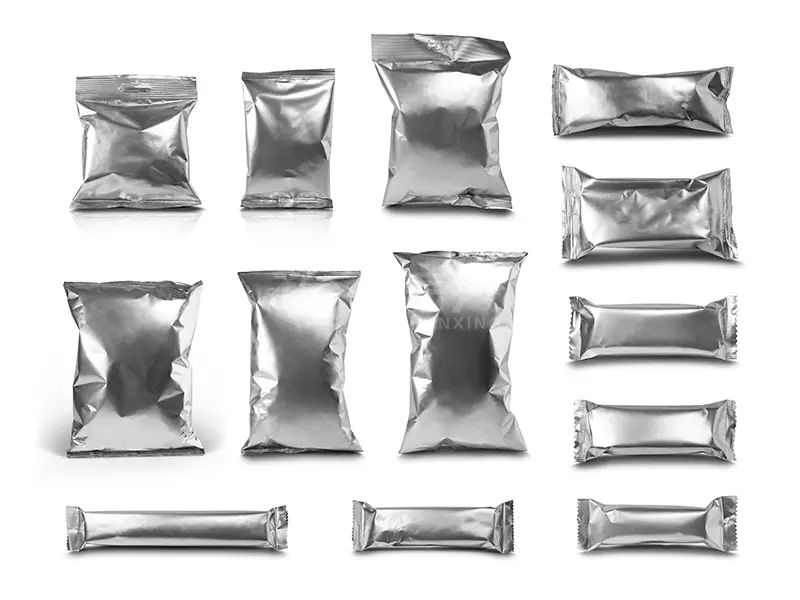
Purity-controlled foil structures and collapsible tubes engineered for food contact and pharmaceutical barrier applications, guaranteeing light, moisture, and chemical isolation.

Highly conductive aluminum tubing and heat-sink extrusions designed for semiconductor cooling systems, electronic casings, and high-frequency communication wave guides.
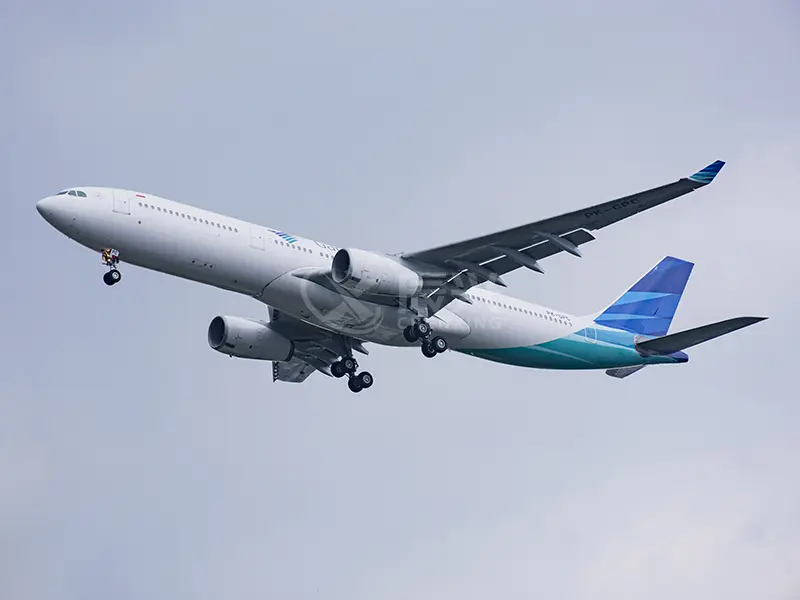
AS9100-compliant, ultra-high strength 7075 and 2024 seamless hydraulic tubing and flight-control structures designed to withstand extreme thermal cycles and mechanical stress.
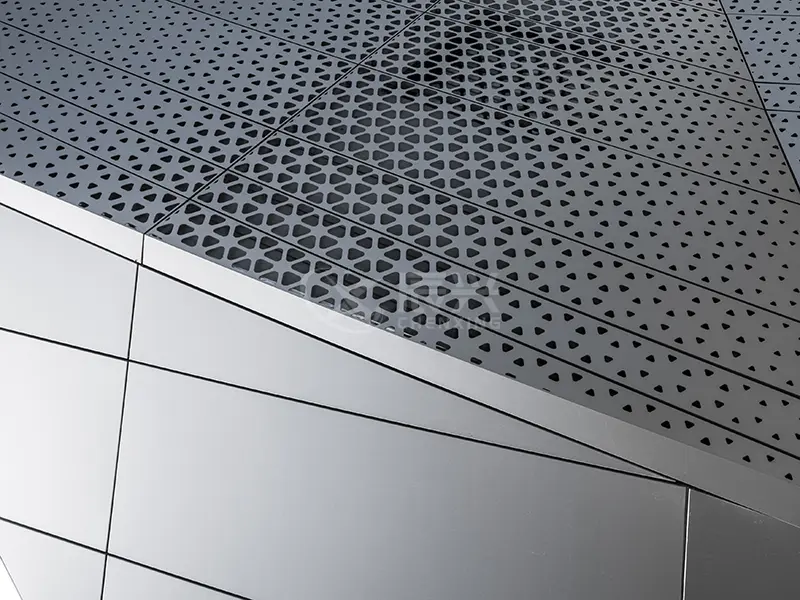
Anodized structural tubes, architectural frameworks, curtain-wall systems, and electrical conduits optimized for durability and aesthetic longevity in coastal and urban climates.

Fin-tube evaporators, micro-channel tubes, and condenser components for heating, ventilation, air conditioning, and refrigeration (HVAC-R) units.
The aluminum extrusion industry is in the midst of a technological shift. Leading factories are implementing closed-loop recycling mechanisms, processing post-consumer scrap back into high-grade billets without compromising purity or tensile strength. Incorporating post-consumer recycled (PCR) content drastically lowers the carbon footprint, reducing the environmental impact from approximately 16 tonnes of CO2 per tonne of primary aluminum down to under 4 tonnes for low-carbon products.
On the factory floor, Smart Extrusion Systems (SES) utilizing real-time sensor feedback are transforming dimensional control. Extrusion dies equipped with thermocouple arrays and infrared surface monitors ensure optimal flow velocities, minimizing cross-sectional variation. This level of precision is critical for automated downstream processes like laser cutting and orbital welding, where variations in wall thickness can disrupt assembly-line welding setups.
Furthermore, digital twin technology is now used in die engineering. Before a die steel is milled, virtual extrusion simulations model stress distribution, surface friction, and seam-weld quality for complex profiles. This shortens the prototyping cycle and helps ensure consistency across production runs.
Get in touch with our metallurgical engineering team. Submit your drawings, specify your alloy requirements, and receive a complete feasibility analysis and quotation within 24 hours.
Stay informed with our technical analyses, global trade updates, and metallurgical breakthroughs direct from the manufacturing floor.
Addressing the critical technical, logistics, and quality assurance questions of global procurement officers and design engineers.
Seamless aluminum tubes are fabricated using direct extrusion presses with solid billets over a mandrel, ensuring no internal weld seams exist. This makes them ideal for high-pressure fluid containment, CNC bending, and critical structural applications where pressure leaks or seam split risks cannot be tolerated. Structural welded tubes are roll-formed from aluminum strip coils and high-frequency induction welded. They offer tight dimensional tolerances, thinner walls, and lower cost, making them excellent for architectural framing, conduit lines, and lightweight structural frameworks.
Our quality management framework issues a Material Test Report (MTR) or Mill Test Certificate (MTC) conforming to EN 10204 3.1 for every batch. This documents the exact chemical composition (spectral analysis) and mechanical properties, including tensile strength, yield strength, and elongation percentages. Additionally, components are tested using ultrasonic flaw detection and hydrostatic pressure testing, with complete heat number tracking throughout the manufacturing and extrusion processes.
Our precision drawing and sizing processes allow us to meet tolerances beyond standard commercial specifications (such as ASTM B210/B221 and EN 755/EN 12020). For custom high-precision aerospace and medical projects, we can maintain outer diameter (OD) and inner diameter (ID) tolerances as tight as +/- 0.05 mm, and wall thickness tolerances within +/- 0.08 mm depending on the alloy class and tube cross-sectional geometry.
We provide a comprehensive suite of surface finishing services, including chemical etching, clear/color anodizing (MIL-A-8625 Type II & Type III hardcoat), electrocoating, PVDF painting, and powder coating. Anodized coatings convert the aluminum surface into a durable oxide layer, which can withstand over 1,000 hours of continuous neutral salt spray testing (ASTM B117), making them suitable for severe marine and chemical exposure.
To prevent oxidation, scratching, and mechanical deformation during transit, we pack shipments in reinforced wooden crates or heavy-duty cardboard boxes, wrapping each layer with protective foam or interleaved anti-corrosive paper. Desiccant packs are distributed throughout to absorb ambient moisture in sea freight containers. We also construct custom steel crating and frame supports for oversized profiles to facilitate safe forklift and crane unloading at your facility.
Explore our specialized range of aerospace-grade alloy sheets, heat exchanger foils, and custom circular blanks engineered for demanding heating elements and structures.