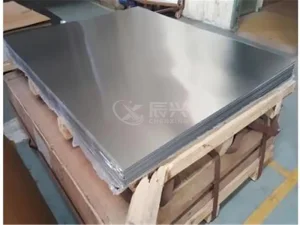
Direct from fully accredited manufacturing centers. Strict adherence to ASTM B209, EN 485, and JIS H4000 specifications.
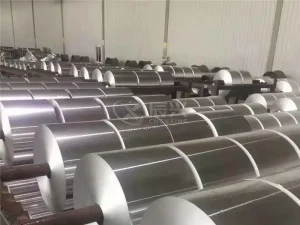
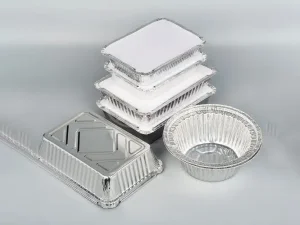
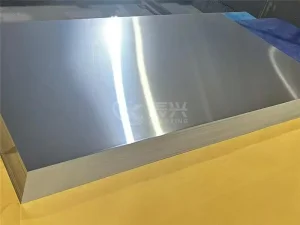
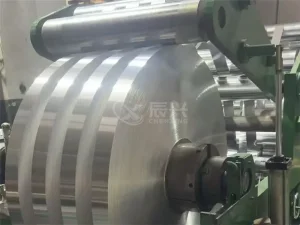
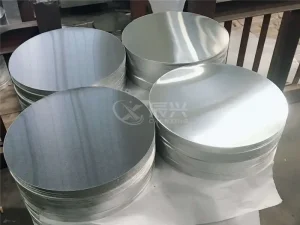
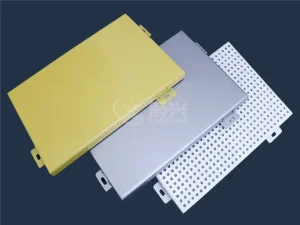
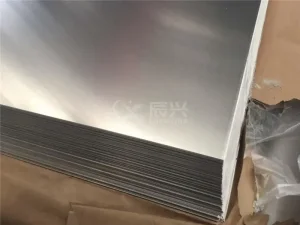
Global logistics capabilities, robust QA frameworks, and custom processing operations optimized for large industrial buyers.


Navigating direct mill capabilities, local supply-chain compliance, and high-performance alloy selection.
Modern procurement directors within the automotive, electronics, pharmaceutical, and construction fields look beyond just cost. The real-world cost of materials is heavily affected by processing accuracy, structural consistency, and delivery timelines. When enterprises source raw materials such as 7075-T6 plates or 8011 blister foils, minor deviations in thickness tolerances or alloy purity can cause complete shutdowns of automated high-speed stamping lines.
To mitigate risk, procurement models must address:
Verification Checklists:
Ensure your trade partner provides Mill Test Certificates (MTC) in accordance with EN 10204 3.1, tracing back chemical analyses to the original furnace charge.
China is home to some of the world's most integrated smelting, refining, and precision cold-rolling clusters. This network offers excellent raw material security and fast turnaround times. The combination of state-of-the-art multi-high cold rolling mills with automated profile control systems guarantees consistent flat sheets and foil products.
Direct mill advantages include:
Direct Chill (DC) vs. Continuous Casting (CC)
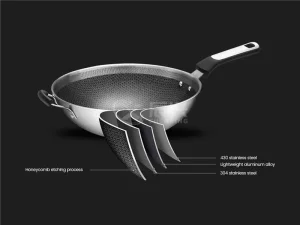
DC processes produce fine grains ideal for anodizing and drawing applications (like 3-Ply Cookware). CC processes are optimized for cost-effective packaging, light ducting, and simple siding panels.
For buyers across North America, Europe, and Southeast Asia, local compliance is critical to smooth operations. Navigating anti-dumping duties, countervailing tariffs, and import documentation requires deep regulatory experience.
Key compliance frameworks include:
Compliance Standards Met:
A quick guide to selecting the right chemical compositions and mechanical properties for your application.
Common Grades: 1050, 1060, 1100, 1200
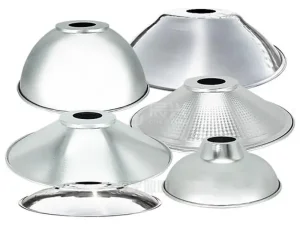
Offers excellent electrical conductivity, thermal properties, and high corrosion resistance. Highly formable, though it exhibits lower mechanical strength. It is ideal for lighting reflectors, chemical equipment, and cosmetic closures.
Common Grades: 3003, 5052, 5754
Alloyed with manganese and magnesium to improve tensile strength. Highly resistant to marine corrosion. Commonly used in deep-drawn kitchenware, vehicle fuel lines, structural paneling, and pressure vessels.
Common Grades: 6061, 6082-T6, 7075-T6
Heat-treatable alloys with excellent structural strength and machining properties. Often used in high-stress applications such as aerospace frames, high-speed rail cars, heavy-duty structural parts, and precision mold tooling.
How our industrial aluminum solutions perform in critical operations worldwide.
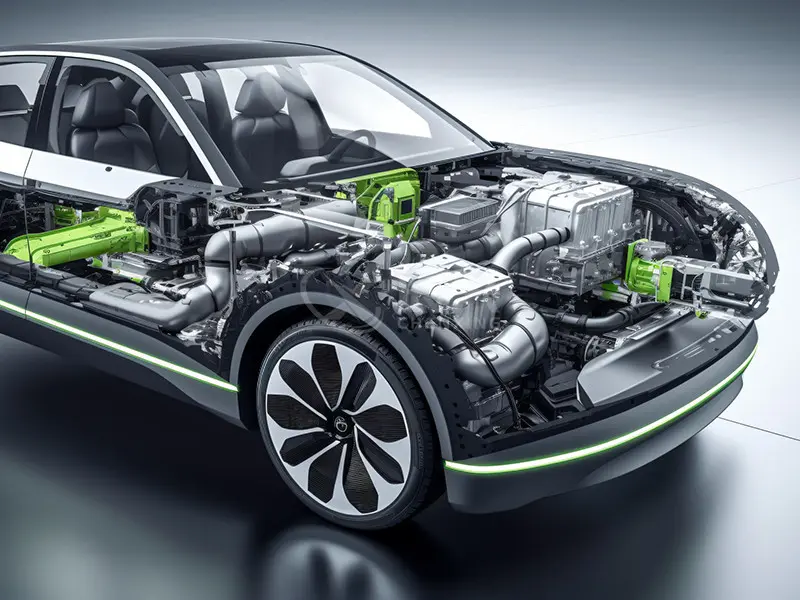
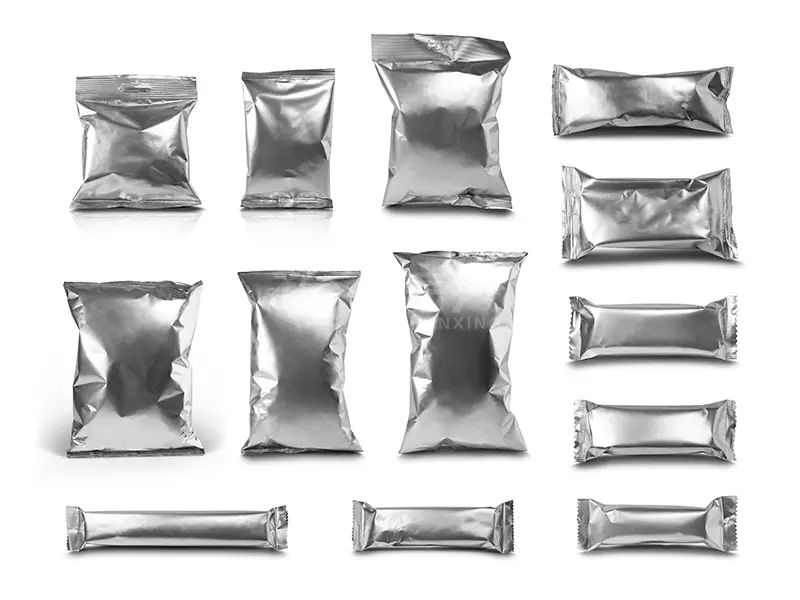


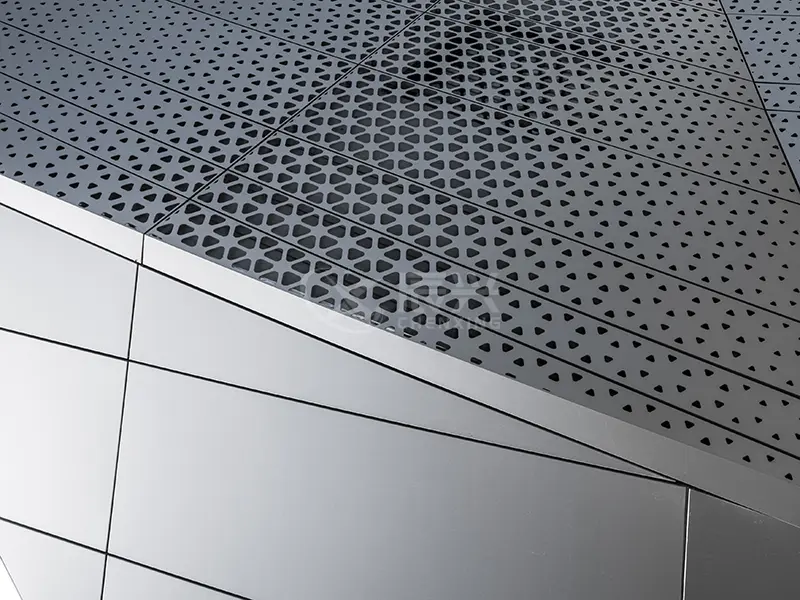

Essential trends shaping carbon budgets, green manufacturing, and regulatory compliance for global buyers.
The global metal production sector is undergoing significant decarbonization. As regulations like Europe's Carbon Border Adjustment Mechanism (CBAM) roll out, manufacturers and trading houses are adapting their production technologies to reduce carbon footprints. Aluminum production has traditionally been carbon-intensive, but new processing alternatives are changing the landscape:
Additionally, modern supply chains rely heavily on digital validation. Leading factories utilize automated surface scanning and real-world temperature monitoring systems. This ensures consistent mechanical properties, reliable thickness tolerances, and clean surface finishes across every coil.
Connect with our engineering and logistics teams to receive an detailed quote and compliance analysis within 24 hours.
Inquire NowStay informed with technical updates, market analysis, and product insights from our engineers.
Read our analysis on trade flows, ocean freight patterns, and new production capabilities at our primary rolling facilities.
More news →
An in-depth look at chemical purity, mechanical strength, and dynamic winding requirements for lithium-ion battery foils.
More news →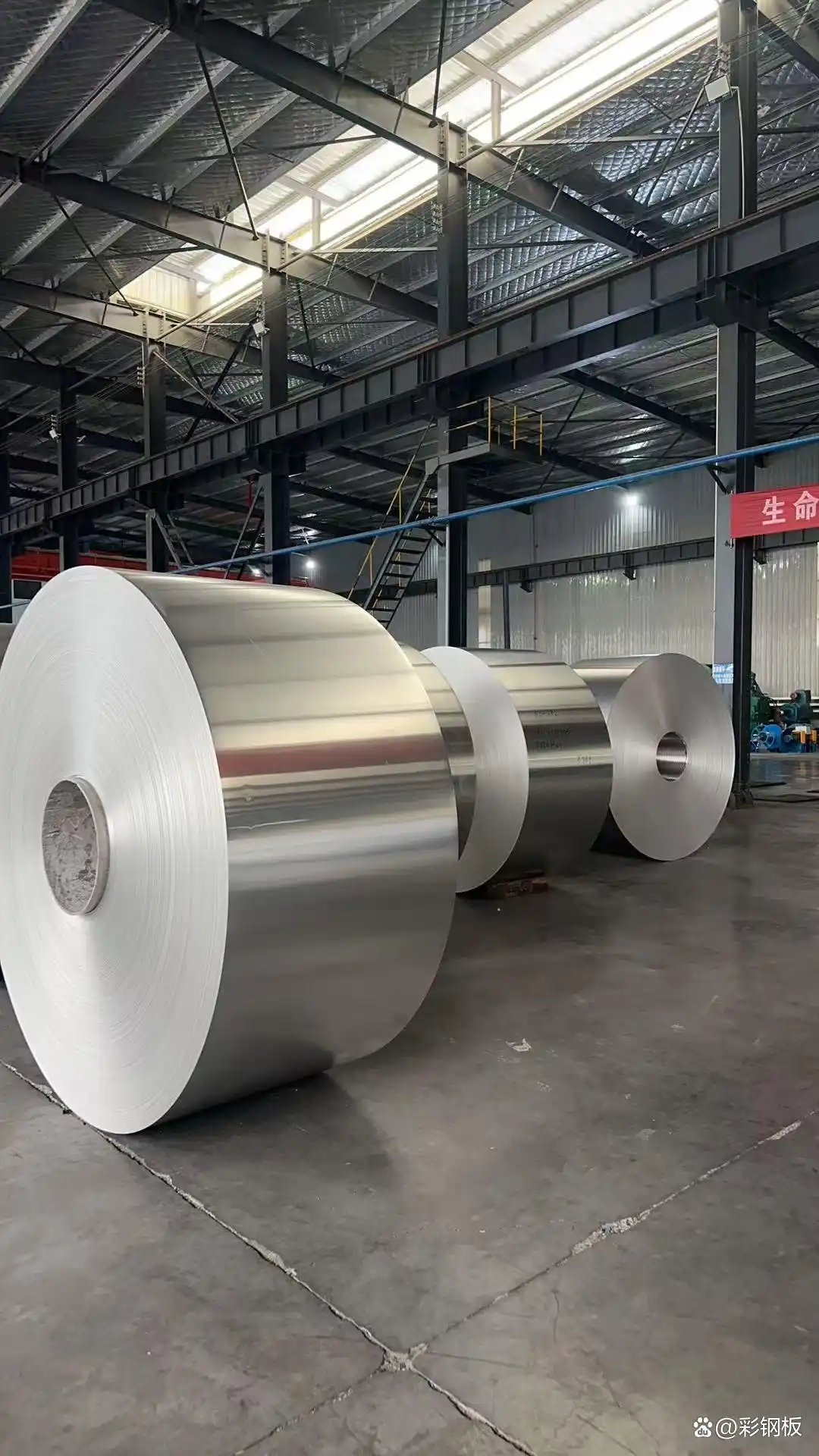
How shifting environmental standards are driving the demand for light, highly recyclable building envelope materials.
More news →Common questions from global sourcing directors regarding specifications, logistics, and quality assurance.
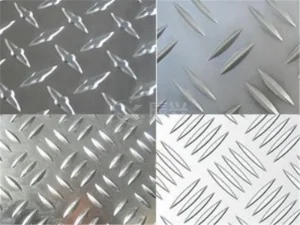
Industrial foils, structural sheets, and custom-embossed solutions for specialized manufacturing demands.