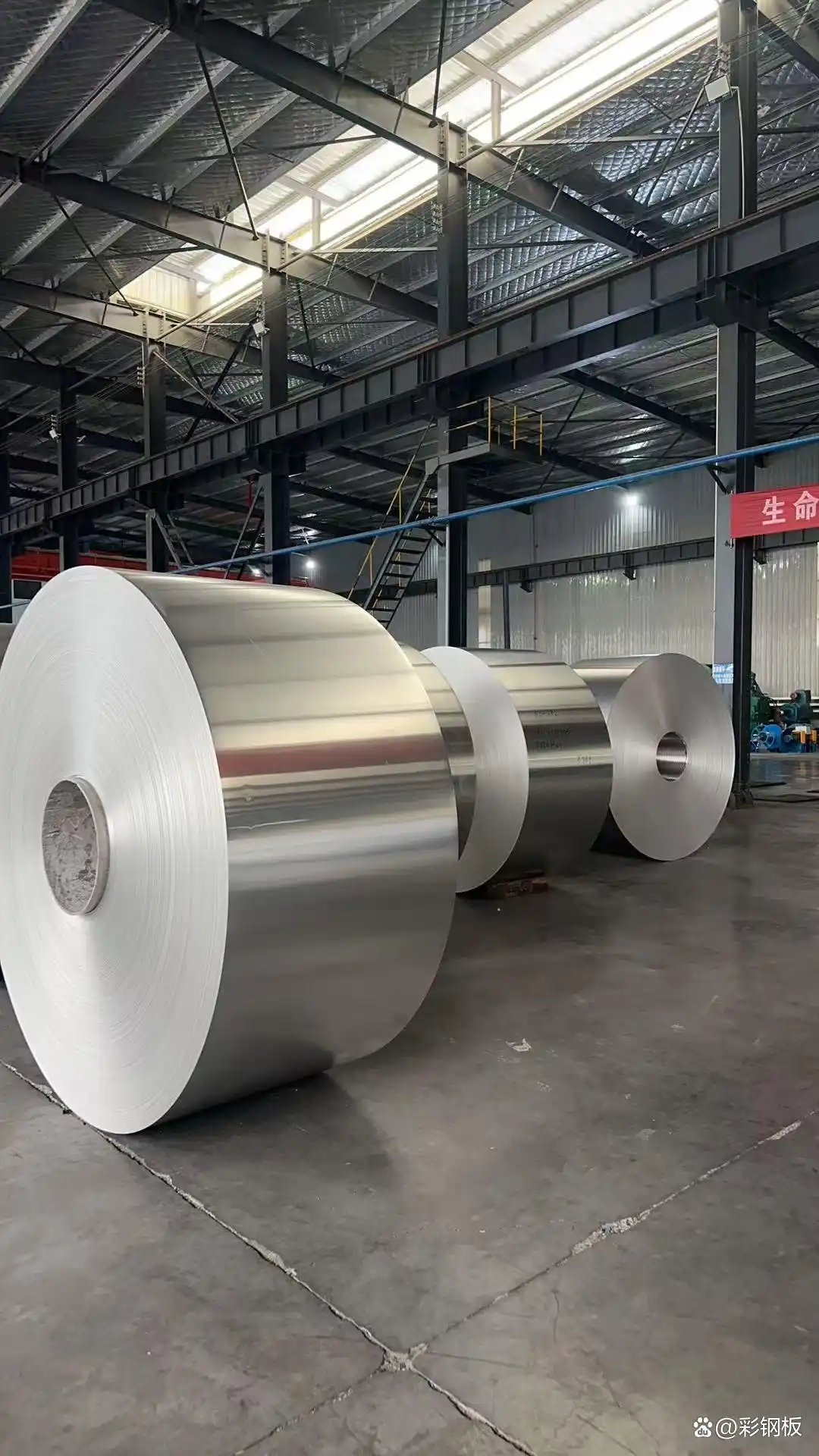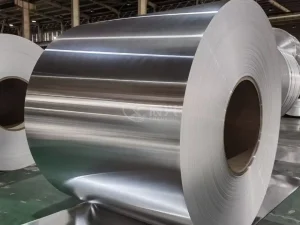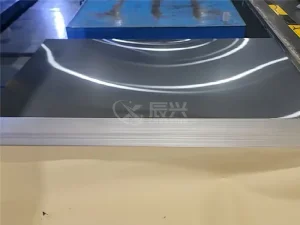
Buy Aluminum Sheet Stock Companies & Company

Premium Grade Alloys, Custom Extrusion, Precision Blanking, and Structural Coil Processing from China’s Leading Strategic Manufacturing Plants.

Global Aluminum Market Outlook & Industrial Demands

Why procurement teams are transitioning to resilient, high-volume direct-mill integration.

Securing High-Yield Materials for High-Stress Applications

The contemporary demand for Aluminum Sheet Stock has transitioned beyond simple metal supply. Today's global companies require metallurgical verification, strict compliance with dimensional tolerances, and direct access to primary rolling facilities. Across the aerospace, automotive, electronics, and construction industries, materials must adhere to strict performance metrics to reduce fatigue failures, optimize deep drawing operations, and guarantee surface longevity.

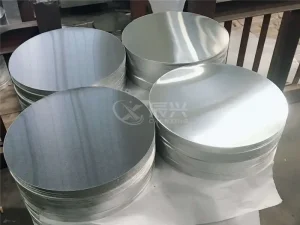
Selecting the right factory partner determines whether your components will survive the fabrication process. In deep-drawing operations, uniform grain structure limits "earring" effects and mechanical tearing. For anodized architectural sheets, chemical-purity profiling prevents color variation and surface mottling. We address these requirements with strict quality control from ingot smelting to the finished protective film.

< 0.05%
Tolerance Drift
100%
Spectro-Tested
ASTM/EN
Global Standards

Alloy Selection Matrix & Key Mechanical Properties

Alloy Temper Tensile Strength (MPa) Primary Industry Applications
1050/1060 O, H14, H24 75 - 145 Electrical, Chemical Equipment, spun metal parts, capacitors.
3003 O, H14, H24 110 - 190 Deep-drawn cookware, fuel tanks, chemical routing, industrial cladding.
5052 H32, H34, O 190 - 260 Marine grade structures, electronic enclosures, pressure vessels.
6061 T4, T6 180 - 310 Structural framing, aerospace brackets, heavy equipment structures.
8011 O, H18, H22 80 - 165 Food containers, pharmaceutical blisters, air duct thermal barriers.

Why Choose Us

Enterprise capacity combined with strict engineering control standards.

20+

20+ Years Manufacture Experience

Providing verified material structures, thermal optimization, and rolled sheet processing to industrial partners since 2004.

35+

Exported To 35+ Countries

Supplying OEM distributors, fabricators, and government contractors across North America, Europe, Southeast Asia, and South America.

QC Inspection

STRICT QC INSPECTION & INTELLIGENT TRACKING

Featuring in-line ultrasonic defect detection, optical surface inspection, and full heat-number traceability for zero-defect deliveries.

8D Response

24-HOUR CUSTOMER SERVICE, 8D RESPONSE

Engineering-backed support desks resolving manufacturing requests, logistics modifications, and technical inquiries with structured 8D reports within 24 hours.

Technical Roadmap & Metallurgy

Understanding alloy tempers, chemistry profiles, and coating options.

Alloying Elements & Properties

The performance of aluminum sheet stock is determined by its alloying elements:

  • 1xxx Series: >99% purity. Highest electrical and thermal conductivity. Excellent formability but lower mechanical strength.
  • 3xxx Series (Mn addition): High structural stability, corrosion resistance, and excellent weldability.
  • 5xxx Series (Mg addition): Exceptional saltwater corrosion resistance, high fatigue limits, and weld joint efficiency.
  • 8xxx Series (Fe-Si complex): Extreme ductility, perfect for micro-foil applications and food packaging packaging.

Advanced Surface Engineering

We implement in-house surface treatment processes to meet diverse industrial demands:

  • Brushed Finishes: Controlled abrasive brushing generates a uniform linear texture, perfect for consumer electronics and premium appliances.
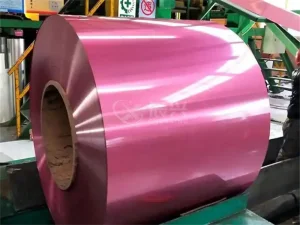
  • Polyester (PE) Coating: High-performance decorative finish offering UV stabilization, flexibility, and long-term color retention.
  • Mechanical Mirroring: Achieves high surface reflectivity (>85%) for architectural lighting designs and solar energy collectors.

Future Roadmap: Decarbonization

To support environmental goals, our production plans prioritize green metallurgical practices:

  • Low-Carbon Smelting: Utilizing hydropower sources to reduce carbon emissions to less than 4 tons of CO2 per ton of aluminum.
  • Recycled scrap integration: Closed-loop reprocessing systems return up to 40% of production scrap directly into the casting process.
  • Bio-Degradable Rolling Oils: Transitioning to clean lubricants to reduce factory VOC output by 90%.

Industrial Application Scenarios

High-grade aluminum components serving global industrial sectors.

Aluminum For Transportation

Aluminum For Transportation

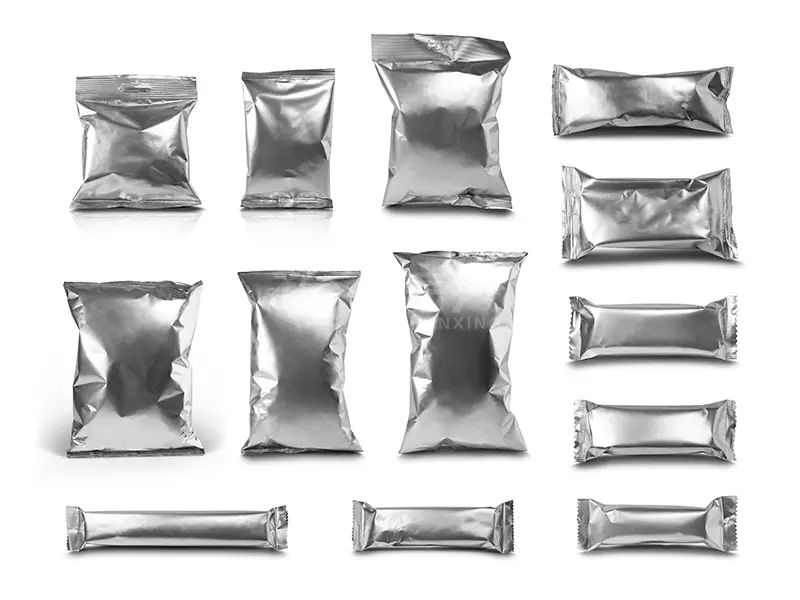
Aluminum For Packaging

Aluminum For Packaging

Aluminum For Electronics

Aluminum For Electronics

Aluminum For Aerospace

Aluminum For Aerospace

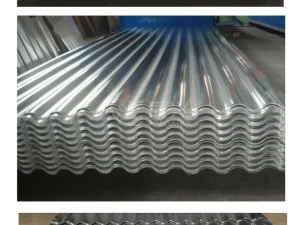
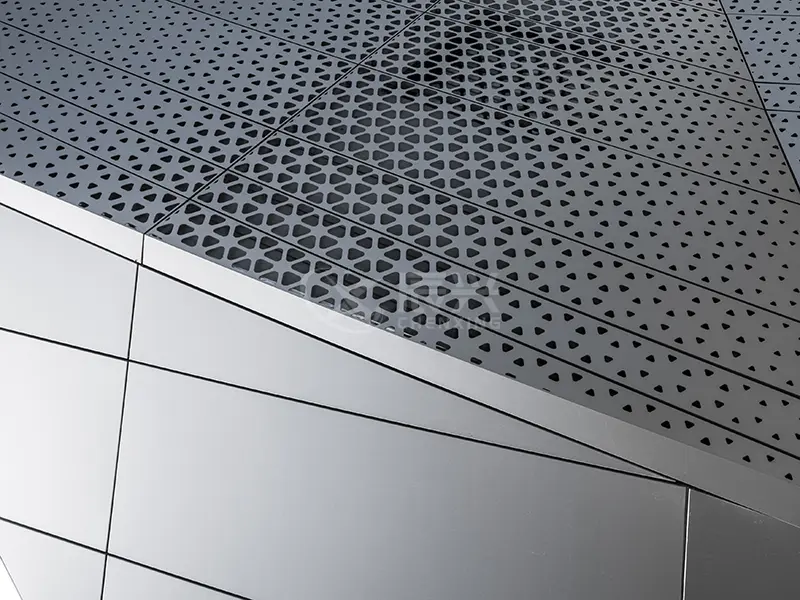
Aluminum For Construction

Aluminum For Construction

Aluminium For Household Appliances

Aluminium For Household Appliances

Supply Chain Resilience & Direct Factory Advantages

How China's raw material hubs provide cost-efficiency, technical stability, and delivery reliability.

Operating from the core of China’s advanced aluminum processing hubs, our factories benefit from an integrated vertical supply chain. We maintain direct partnerships with nearby alumina refineries and primary smelters. This layout guarantees raw material availability and reduces shipping delays, even during periods of high global demand.

Key supply chain advantages:

Integrated Slabs

Direct continuous casting ensures consistent grain structure and minimizes impurity counts in high-purity series.

Optimized Freight

Proximity to deep-water ports reduces local transit times, ensuring direct and efficient export routing.

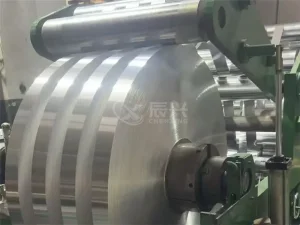
Custom Slitting

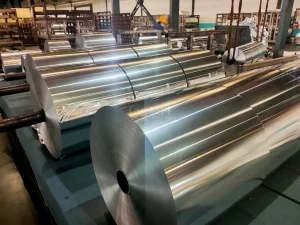
In-house precision slitting lines process coils to custom widths, minimizing processing scrap for customers.

Inquiry

For inquiries about our products or pricelist, please leave your contact info below and our engineering team will get back to you within 24 hours.

Submit Inquiry Now

Latest News & Market Insights

Keep up with global market adjustments, technical advancements, and export tariff updates.
Global Aluminum semi-finished exports

Global Aluminum Semi-Finished Exports Surge, Our Factory Expansion Ready to Meet Rising Global Demands

Read Full Article →
Battery Grade Foil

Battery-Grade Aluminum Foil: Technical Specification Profiles, Surface Cleanliness, and Rising Global EV Demands

Read Full Article →
Global Aluminum Coil Market

Global Aluminum Coil Market Grows Steadily Driven by Green Building Standards and Advanced PV Bracket Assemblies

Read Full Article →

Expert Procurement & Metallurgical FAQ

Critical answers for global procurement officers, quality managers, and fabrication engineers.
What is the standard tolerance limit for customized aluminum slitting processes?
Our standard factory tolerances for slitting coils and cut-to-length sheets are held strictly to ASTM B209 and EN 485 specifications. For high-precision slitting, we routinely guarantee a width tolerance down to ±0.1mm to ±0.2mm, depending on sheet thickness and material grade. Custom processing lines allow us to maintain flatness parameters that prevent bowing and camber.
Why is the AA3003 alloy preferred over pure AA1050/1060 for deep-drawn cookware and vessels?
While AA1050/1060 offers excellent chemical purity and conductivity, AA3003 adds manganese (1.0% to 1.5% Mn). This composition increases mechanical tensile strength by approximately 20% to 30% without reducing elongation properties. This makes AA3003 highly resistant to rupture during deep drawing, forming stable wall configurations in containers.
How do you guarantee corrosion resistance in marine environments (e.g. AA5052)?
AA5052 contains 2.2% to 2.8% Magnesium, which provides exceptional corrosion resistance in saline and alkaline environments. Our factory maintains control over grain boundary structures during cold rolling. This limits intergranular corrosion susceptibility. We confirm chemical compositions via optical emission spectrometers to guarantee every shipment matches raw chemical certificates.
What export packaging systems are used to prevent oxidation during sea transport?
Aluminum is highly susceptible to condensation and white rust (oxidation) when exposed to varying oceanic climates. To prevent this, we pack materials using seaworthy wooden pallets. Products are wrapped with water-resistant plastic barriers, silica gel desiccant packs, hard edge protectors, and steel banding. This maintains dry, hermetically sealed conditions throughout sea transit.
What is the typical resolution workflow for quality feedback under the 8D response system?
Upon receiving quality feedback, we activate our 8D response procedure: D1: Form a cross-functional engineering team. D2: Define the issue with material details and heat numbers. D3: Implement containment actions within 24 hours. D4: Perform root-cause analysis using Ishikawa diagrams. D5: Define permanent corrective actions. D6: Implement and track verification plans. D7: Update control plans to prevent recurrence. D8: Formally close the process with the client.