Explore our factory-direct inventory of high-purity aluminum alloys, custom-rolled coils, and precision induction components engineered for industrial compliance.
A professional whitepaper mapping structural chemistry, tempering characteristics, and downstream roll-forming processes.
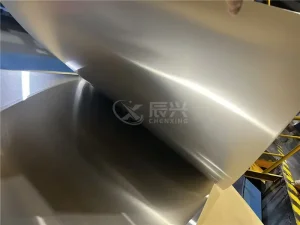
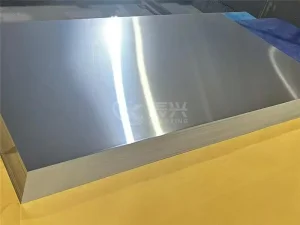
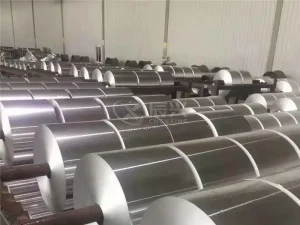
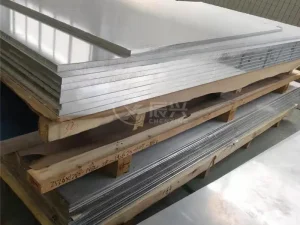
Modern advanced manufacturing relies heavily on aluminum sheet metal rolls due to their exceptional strength-to-weight ratio, atmospheric corrosion resistance, and high recyclability. For industrial buyers, structural engineers, and production line procurement specialists, obtaining raw materials of reliable mechanical composition represents the boundary between systemic success and supply chain failure.
Each family of aluminum alloys is defined by its primary alloying element, which dictates the metal's performance envelope. Below is the technical classification breakdown of the typical alloys rolled within our factories:
| Alloy Series | Primary Alloying Element | Tensile Strength (MPa) | Elongation (%) | Primary Industrial Applications |
|---|---|---|---|---|
| 1050 / 1100 | Pure Al (≥99.0%) | 75 - 115 | 20 - 35 | HVAC Fin Stock, Chemical Storage, Foil Packaging |
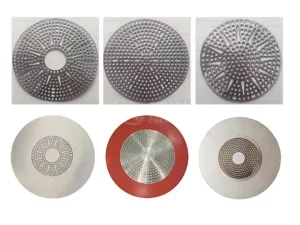
| 3003 | Manganese (Mn) | 110 - 160 | 15 - 30 | Cookware Deep Drawing, Heat Exchangers, Fuel Tanks |
| 5754 | Magnesium (Mg) | 190 - 240 | 12 - 20 | Automotive Body Panels, Marine Engineering, Sound Barriers |
| 6082 T6 | Magnesium-Silicon (Mg-Si) | 290 - 310 | 8 - 12 | Structural Frames, Offshore Scaffolding, Heavy Machinery |
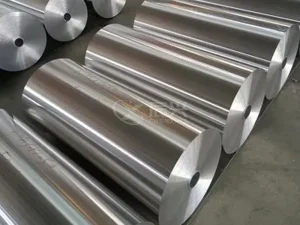
Aluminum coils undergo cold-reduction processes, meaning control of the material's structural temper is critical. Understanding temper classifications prevents manufacturing issues such as micro-cracking during bending or deep drawing processes:
Enterprise scale, systematic tracking, and rapid response mechanisms built to secure global metal supplies.
Integrating smart manufacturing, decarbonization, and precision surface technologies.
Decarbonizing raw aluminum production is critical for modern supply chains. Our technical roadmaps focus on using renewable energy source integration (hydropower and solar arrays) to minimize carbon intensity down to below 4.0 kg CO2 per kg of primary aluminum, complying with CBAM requirements.
We deploy high-definition CCD visual inspection cameras and real-time ultrasonic testing on our rolling mills. Any micro-voids, oxidation lines, or thickness variations exceeding ±0.005mm are automatically flagged and tracked via our Manufacturing Execution System (MES).
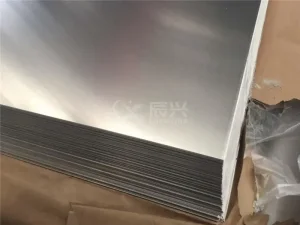
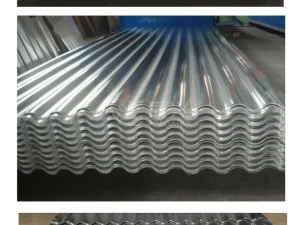
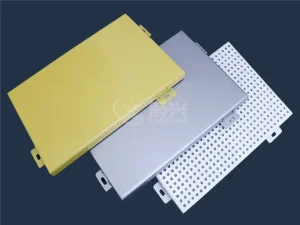
For roofing sheets and architectural veneer panels, standard mill finishes are insufficient. Our manufacturing line has added continuous anodizing and fluorocarbon (PVDF) electrostatic spraying lines, guaranteeing architectural panels a lifetime performance exceeding 25 years.
Analyzing regional deployment requirements and the high efficiency of integrated Chinese production hubs.
Aluminum coil applications are highly dependent on regional weather conditions and local regulatory frameworks:
Purchasing directly from Chinese factories offers significant strategic benefits. China's integrated aluminum clusters combine upstream refining with downstream rolling and finishing in single industrial zones. This reduces transit times, limits alloy oxidation risks during intermediate transport, and provides economies of scale.
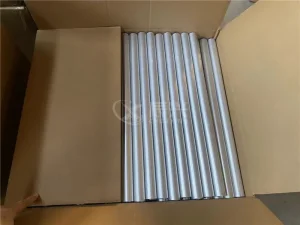
Additionally, our shipping networks allow us to manage complex export logistics efficiently. By utilizing container tracking systems and standard steel-spindle seaworthy packaging (with desiccant packages wrapped in protective plastic barriers), we ensure that your orders arrive without corrosion or physical damage.
Our commitment to international quality standards guarantees material performance and traceability.
All aluminum coils and sheets leaving our mills must pass strict mechanical testing protocols, and are shipped with complete EN 10204 3.1 Mill Test Certificates (MTC). We verify mechanical limits, electrical conductivity, and alloy element distributions via spectral chemical analysis.
| Testing Parameter | Reference Standards | Testing Methods & Instruments | Target Compliance Thresholds |
|---|---|---|---|
| Chemical Composition | ASTM B209, EN 573-3 | Direct-Reading Optical Emission Spectrometer (OES) | Zero element crossover; strictly within chemical limits |
| Mechanical Properties | ASTM E8, ISO 6892-1 | Universal Tensile Testing Machine (Yield, Tensile & Elongation) | T6 state hardness > 95 HBW; yield strength matching certifications |
| Surface Quality | ISO 2943, GB/T 3880 | Visual Light-Scanning Inspection, Hydrophobic contact angle | No oil residues, zero surface scratches, zero oxidation patches |
| Dimensional Tolerances | ASTM B209, EN 485-4 | Continuous Laser Thickness Gauge Sensors | Thickness deviation control within ±0.01 mm |
Answers to common metallurgical and logistics questions to help streamline your procurement decisions.
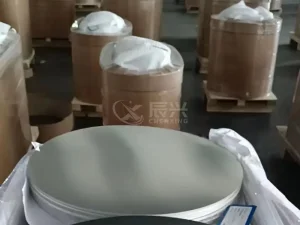
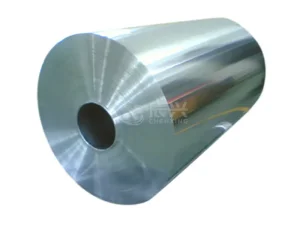
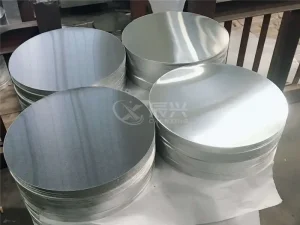
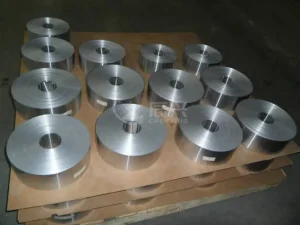
Further alloy selections, circles, and functional HVAC foils sourced directly from our integrated facilities.