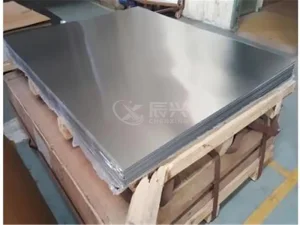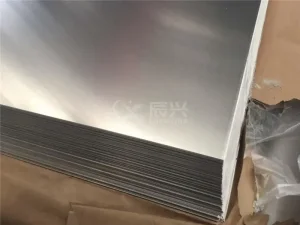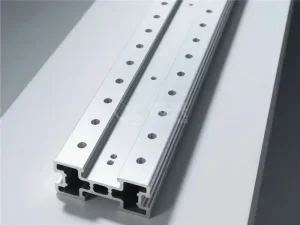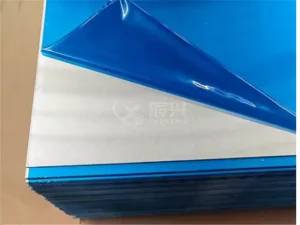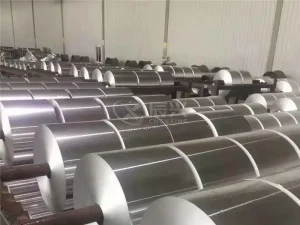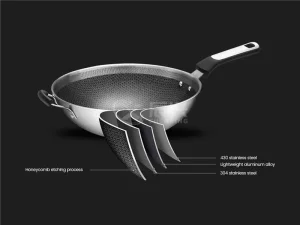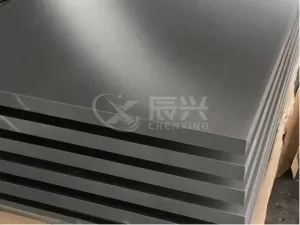
Explore our foundational range of structural profiles, precision-finished coils, and high-strength industrial sheets directly from our state-of-the-art rolling mill.
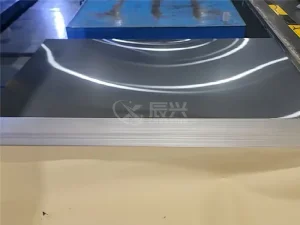
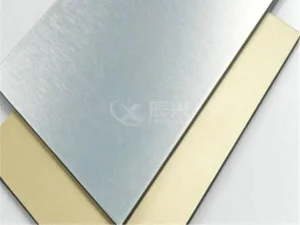
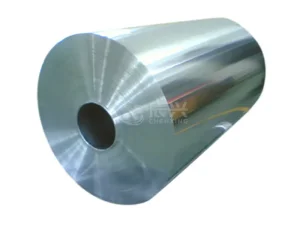
Engineered for mission-critical industrial applications, backed by certified global trade compliance and structured technical oversight.


Aluminum metal rolls (commonly referred to as aluminum coils or strip rolls) represent the backbone of contemporary industrial engineering, processing, and assembly. Due to their exceptional strength-to-weight ratio, native oxidation resistance, thermal conductivity, and infinite recyclability, these products form the structural foundation of modern architectural facades, high-capacity automotive structural systems, heat-exchanger assemblies, consumer electronics, and sterile pharmaceutical packaging.
For procurement professionals, lead project engineers, and global commercial supply chain executives, sourcing high-grade metal rolls is not merely a transaction; it is a critical equation balancing metallurgical integrity, dimensional tolerance compliance, and structural performance validation. This whitepaper analyzes the current global supply dynamics, highlights the advantages of manufacturing partnerships in industrial hubs, outlines the chemical and physical roadmaps of key alloys, and offers a comprehensive purchasing framework designed for complex, localized operational environments.
Selecting the optimal temper condition (e.g., O-temper, H14, H24, H18, or T6) and grain structure orientation during the hot/cold rolling process directly determines the forming behavior of aluminum rolls. Mismatched alloy selection leads to premature mechanical failure, stress-corrosion cracking, and micro-tears during downstream drawing, punching, or roll-forming processes.
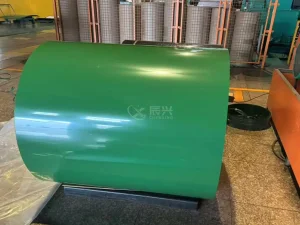
The global demand for high-purity and alloyed aluminum rolls continues to grow, driven by the green energy transition, high-speed rail electrification, electric vehicle (EV) lightweighting, and architectural energy conservation mandates. Modern high-rise curtain walls, for instance, utilize PVDF-coated aluminum rolls to guarantee 25+ years of structural and aesthetic longevity under intense UV exposure and variable wind-load stresses.
In the packaging and pharmaceutical sectors, high-barrier foils fabricated from 8011 and 1235 alloys are critical to protecting sensitive pharmaceuticals and food products from ambient moisture, oxygen contamination, and ultraviolet degradation. In thermal management (HVAC systems, air conditioning heat sinks, and battery cooling plates), aluminum foils require precise metallurgical control of elements like iron and silicon to maximize heat dissipation efficiency while maintaining mechanical tensile strength.
Operating a robust global supply chain requires partners who can mitigate volatility in raw material costs, energy surcharges, and logistics delays. China's industrial aluminum ecosystems are recognized globally for their unparalleled vertical integration, scaling efficiency, and lean manufacturing capabilities. Our manufacturing facility combines ingot smelting, continuous casting, hot rolling, cold rolling, tension leveling, surface treatment, and precision slitting into a unified production flow.
By bypassing intermediate processing agents, we maintain strict control over thermal processing histories. This direct-line integration reduces energy consumption, eliminates physical handling hazards, and guarantees that downstream materials—such as 1050, 3003, 5052, and 6082 alloys—comply with precise chemical tolerances. Furthermore, the proximity to deep-water shipping corridors and major rail freight links ensures reliable transit times and cost-effective shipping configurations, minimizing port delays and container shortages.
| Alloy Grade | Primary Temper Options | Core Chemical Identifiers | Key Performance Characteristics | Primary Applications |
|---|---|---|---|---|
| 1050 / 1060 | O, H14, H24, H18 | Al ≥ 99.5% | Excellent electrical/thermal conductivity, superior formability | Power transmission, industrial capacitors, chemical vessels |
| 3003 / 3105 | O, H14, H24 | Al-Mn (Mn: 1.0 - 1.5%) | Moderate strength, high corrosion resistance, superb weldability | Architectural roofing, cookware, HVAC heat exchangers |
| 5052 / 5754 | H32, H34, H111 | Al-Mg (Mg: 2.2 - 2.8%) | High fatigue strength, marine corrosion resistance, good formability | Marine structures, vehicle fuel tanks, structural enclosures |
| 6061 / 6082 | T4, T6, T651 | Al-Mg-Si (Mg & Si trace) | High tensile strength, heat-treatable structural alloy | Heavy transport chassis, precision machinery, military bridges |
| 7075 | T6, T651, O | Al-Zn-Mg-Cu (Zn: 5.1 - 6.1%) | Ultra-high strength-to-weight ratio, comparable to structural steel | Aerospace structural ribs, CNC machined components, military armor |
To meet the demands of next-generation industries, our manufacturing plants employ advanced technological roadmaps. This includes intelligent automatic gauge control (AGC) and automatic flatness control (AFC), which continuously measure and adjust rolling forces in real-time. This guarantees dimensional tolerances within microns across the entire width of the coil, reducing scrap rates during high-speed stamping and roll-forming processes.
Looking toward future industrial demands, we are actively developing and manufacturing ultra-thin, high-tensile battery-grade aluminum foils (down to 9 microns) for lithium-ion battery collectors. By applying proprietary grain-refinement techniques to the ingot stage, we improve the electrical conductivity and tensile strength of the foil, preventing tears during high-tension battery winding and coating processes. Additionally, our R&D team is focusing on closed-loop circular metallurgy, using up to 80% recycled aluminum scrap while maintaining the strict chemical purity limits required for safety-critical aerospace and automotive applications.
Global sourcing requires reliable local coordination. To bridge geographic distances, we offer comprehensive localized engineering and service programs. This includes localized regional sales representatives, native-language technical support, and structural engineering consultations to assist with alloy and temper selection during the design phase.
Our commitment to quality is backed by our structured 8D Problem Solving Methodology. Should a material deviation occur on the factory floor or in the field, our team initiates a corrective action plan within 24 hours. A containment team isolates the affected batch, dynamic simulation software identifies the root cause of the metallurgical or dimensional deviation, and permanent corrective actions are integrated into the rolling mills' process control software to prevent recurrence. This responsive, data-driven approach minimizes production downtime and protects your project timeline.
Our manufacturing processes and finished products comply with international regulatory and quality frameworks. All aluminum metal rolls are produced under strict quality management systems and are certified to meet or exceed:
From deep-sea marine structural plating to high-altitude aerospace fairings, our aluminum metal rolls are engineered to meet demanding structural and environmental specifications.
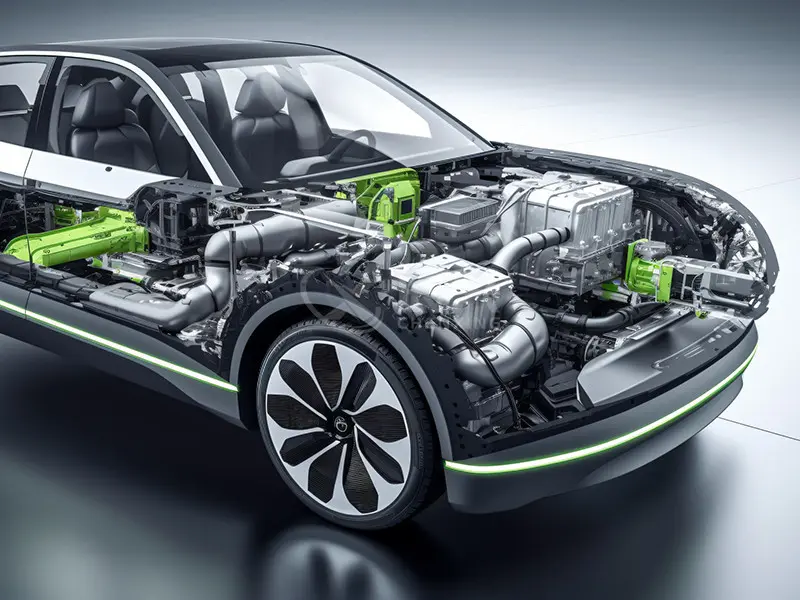
High-strength 5xxx and 6xxx series alloys designed for automotive body panels, railway carriages, container structures, and marine vessel superstructures to reduce weight and fuel consumption.
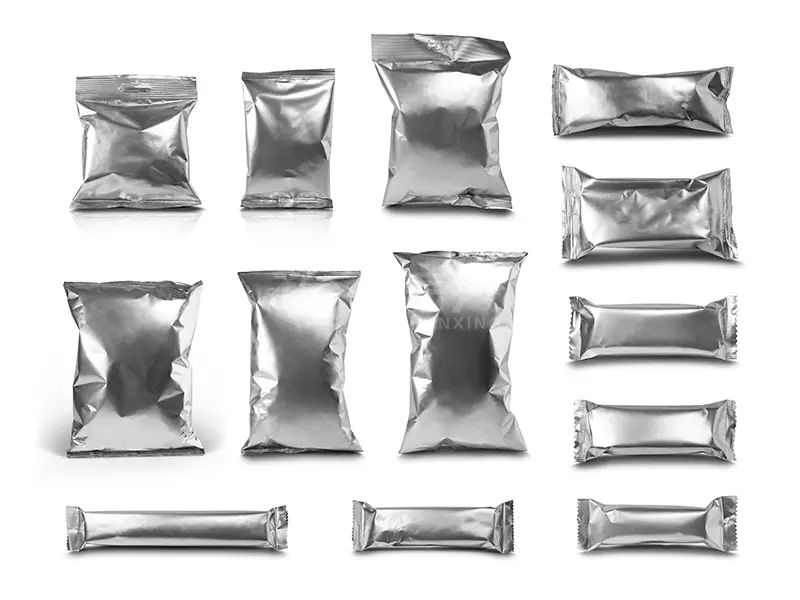
Sterile, high-barrier 8011 and 1235 alloy foils providing absolute protection for pharmaceutical blister packs, food containers, and consumer product packaging.

Superb thermal dissipation characteristics utilized for consumer electronic housings, computer heat sinks, lithium-ion battery casings, and internal shielding.

Ultra-high strength 7075 and 2024 alloys developed for aircraft structural bulkheads, wings, skin panels, and support brackets requiring extreme weight-to-strength ratios.
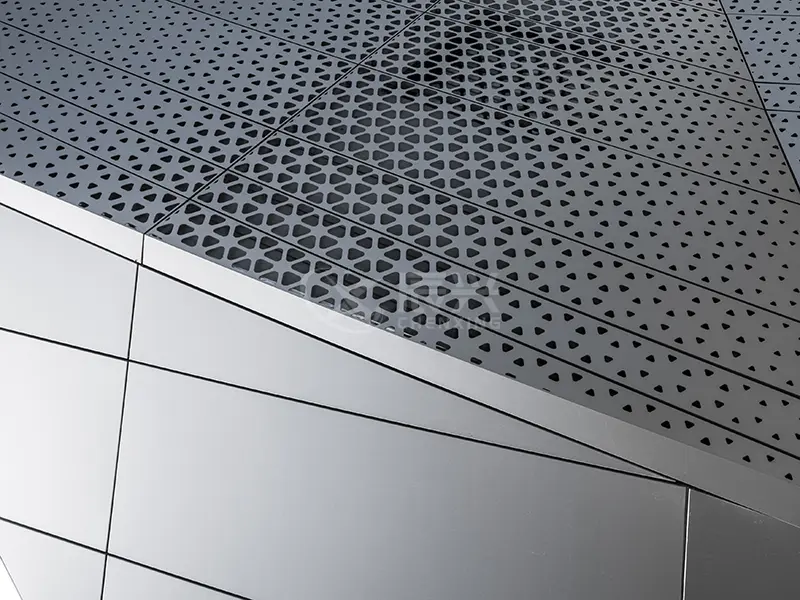
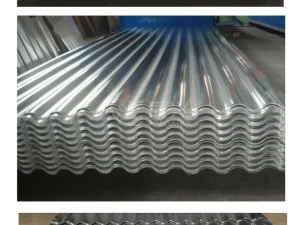
PVDF-coated, anodized, and corrugated architectural sheets and coils for weather-resistant exterior cladding, structural roofing, and interior panel systems.

Brushed and mirror-finish alloys engineered for high-end refrigerator doors, microwave trims, washing machines, and general home appliance structural frameworks.
Find answers to common engineering questions regarding alloy selection, dimensional tolerances, custom surface treatments, and international supply chain logistics.
Stay informed about global market shifts, metallurgical advancements, and supply chain updates directly from our corporate engineering desk.

To meet surging global demands for semi-finished industrial aluminum products, our factory has completed its third-phase cold rolling mill integration.

Analyzing the metallurgical tolerances and coating standards required for high-density lithium-ion battery cell manufacturing.

How modern LEED-certified architectures and structural thermal break designs are expanding the utilization of high-performance architectural coils.
Provide your dimensional tolerances, alloy configuration, temper specifications, and destination port. Our metallurgical engineering desk will respond with a firm quotation within 24 hours.
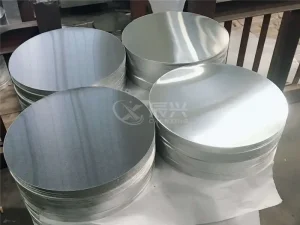
Browse our precision-stamped blanks, heavy architectural plates, and custom-finished foil products designed for demanding operating environments.