
Explore our foundational range of highly calibrated aluminum items engineered for complex mechanical applications, industrial thermal control, and extreme environmental durability.
An Analytical Whitepaper on High-Performance Aluminum Ductwork and Alloy Components in Modern Infrastructure
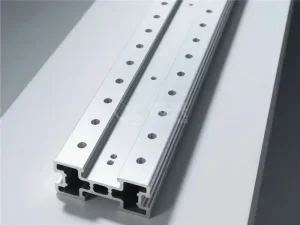
In the contemporary paradigm of mechanical, electrical, and plumbing (MEP) engineering, the selection of conduit materials for air distribution and thermal management governs the net operational efficiency of modern industrial complexes. Aluminum duct systems, manufactured through precise extrusion, continuous rolling, and rigorous geometric stabilization, represent the apex of sustainable, high-efficiency atmospheric management. Unlike conventional galvanized steel variants, high-purity aluminum alloys possess inherent physical characteristics that minimize friction coefficients, mitigate long-term degradation from corrosive condensates, and structurally reduce the static load calculated for overhead grid systems.
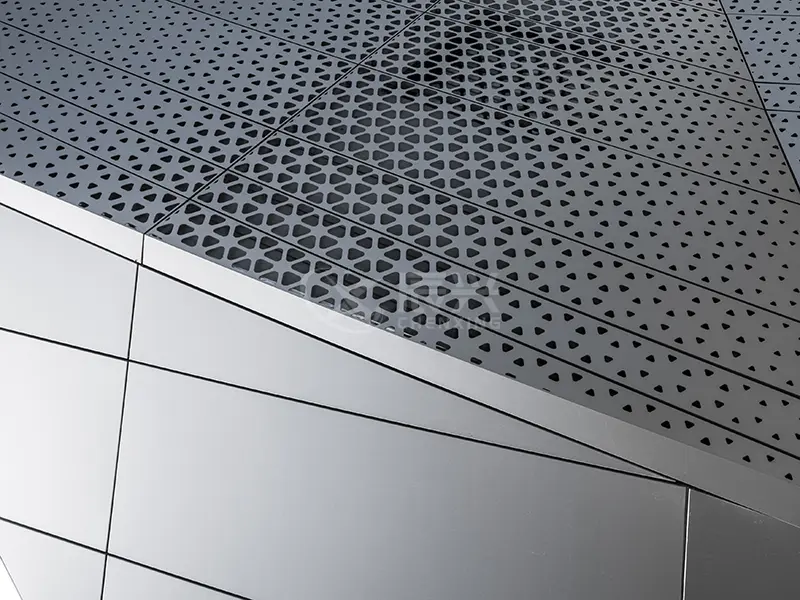
From a macroscopic viewport, the integration of advanced aluminum foils, refined architectural panels, and specialized industrial tubing underpins the modernization of cleanrooms, high-capacity marine vessels, petrochemical refineries, and commercial data centers. These sectors demand absolute airtightness, flame-retardant security, and zero particulate off-gassing. By engineering ducts and thermal distribution components from certified 1050, 3003, and 6082 alloys, manufacturers provide industrial operators with an absolute barrier against moisture vapor transmission, microbiological cultivation, and structural degradation caused by cyclic thermal expansion and contraction.
Supply Chain Resiliency, Metallurgical Standards, and Geopolitical Procurement Paradigms
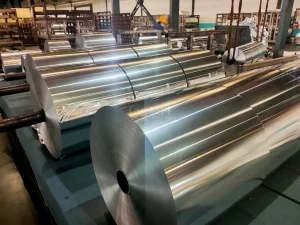
The international marketplace for industrial aluminum production is shifting toward consolidated, technologically vertically integrated fabrication facilities. Modern procurement directors do not simply seek material vendors; they require precision metallurgical entities capable of ensuring supply chain continuity amid global disruptions. As modern HVAC specifications transition globally toward strict environmental criteria, factories must balance high volume with extreme dimensional tolerance control, leveraging continuous casting and state-of-the-art cold rolling mills to yield consistent tensile strength and precise foil thickness matrices.
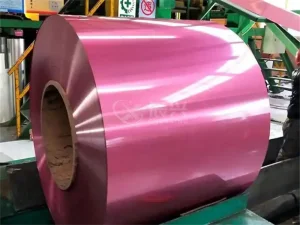
Currently, Asia-based manufacturing epicenters represent the dominant tier of structural aluminum exports, serving cross-continental demands through standardized distribution routes. The competitive advantage of leading manufacturing entities relies heavily on proximity to high-capacity smelting hubs, paired with native execution of specialized surface processes, including hydrophilic polymer coat applications, structural brushing, and bright-dipped mirror finishing. These processing variables determine performance thresholds when exposed to highly aggressive ambient environments, such as maritime logistics clusters, sub-tropical commercial centers, and high-salinity coastal processing installations.
Quantifiable Quality Assurance Protocols and Comprehensive Engineering Integrity Frameworks
Two decades of continuous technological refinement in cold-rolling, extrusion, and advanced surface coating lines.
Seamless regulatory custom clearance and cross-border logistics management across 35 international sovereign domains.
Real-time optical defect sorting, spectral verification, and end-to-end batch identification tracing protocols.
Immediate engineering support deployment backed by complete 8D root-cause problem-solving frameworks within 24 hours.
Harmonizing International Manufacturing Matrices with Complex Regional HVAC Building Codes
Operating as a premium manufacturing tier requires deploying deep regulatory adaptation mechanisms. Global projects require compliance with distinct localized structural mandates. Our engineering lines translate raw production output to align perfectly with ASTM (American Society for Testing and Materials) standards, EN European norms, BS British Standards, and strict DIN requirements. Whether an infrastructure installation demands UL-181 Class 0 or Class 1 air duct structural classification for smoke containment, or requires FDA-compliant lacquer coatings for hygienic food processing applications, our factory parameters are dynamically adjusted per project profile.
Full adherence to ASHRAE guidelines for mechanical duct systems, SMACNA testing tolerances for structural air leakage limits, and ASTM B209 chemical property verifications for general engineering alloys.
Complete compliance with EN 13180 for ventilation in buildings, ensuring mechanical structural elasticity parameters, precise thickness metrics, and absolute conformity with environmental RoHS and REACH mandates.
Cross-Industry Structural Customization Across Diverse Sectors Requiring Precision Aluminum Mediums




Pioneering Low-Carbon Decarbonized Smelting, Smart Traceability, and Ultra-Thin Composite Geometries
The manufacturing future of premium aluminum products hinges on minimizing environmental impact while maximizing mechanical performance. Our factory development path prioritizes integrating green aluminum profiles refined via hydrogen-fueled thermal processes and inert anode smelting techniques. These innovations substantially decrease the scope 1 and scope 2 emissions index per metric ton of processed alloy, enabling developers to claim substantial LEED credits across complex urban engineering projects globally.
Concurrently, deep integration of algorithmic smart tracking technologies via non-destructive laser etching ensures that each production batch possesses a distinct cryptographic manufacturing profile. This cloud-synchronized data trail documents the raw material provenance, exact extrusion run parameters, cold-rolling stress profiles, and final tensile verification data. This ensures absolute material accountability for high-stakes implementations like deep-drawing cookware fabrication, pharmaceutical container sealing, or high-velocity aerospace HVAC installation networks.
Direct Engineering and Material Procurement Query Resolutions Provided by Leading Factory Experts
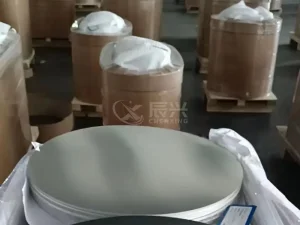
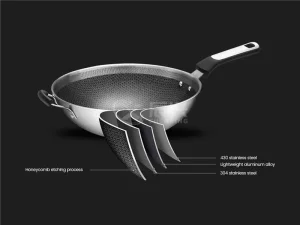
Alloy 3003 is formulated with manganese as its primary alloying agent, elevating its base tensile strength by roughly 20% over 1000-series variants while preserving superior elongation characteristics. This properties profile allows 3003 foils and blanks to undergo deep-drawing and extreme lock-seaming processes without stress fracturing, making it ideal for high-pressure air distribution systems and durable cookware production lines.
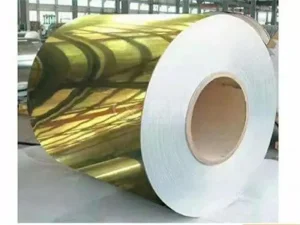
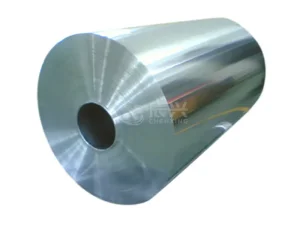
Surface treatments modify thermal performance and chemical vulnerability. Hydrophilic polymer coatings alter the surface tension on air conditioning foils, preventing localized water bridging and ensuring rapid drainage of atmospheric moisture to inhibit corrosion. Mirror finishes increase thermal reflectivity above 85%, significantly reducing radiative heat gain through the external walls of large-scale conduit configurations.
The 8D response framework requires deploying an emergency engineering assessment within 24 hours of any material variant detection. This system executes an exact containment protocol, identifies the fundamental metallurgical or logistical root cause through physical and digital analysis, and applies standardized corrective actions to maintain a consistent zero-defect threshold across global enterprise deliveries.
Continuous Market Assessments, Metallurgical Trend Tracking, and Factory Scale Advancements
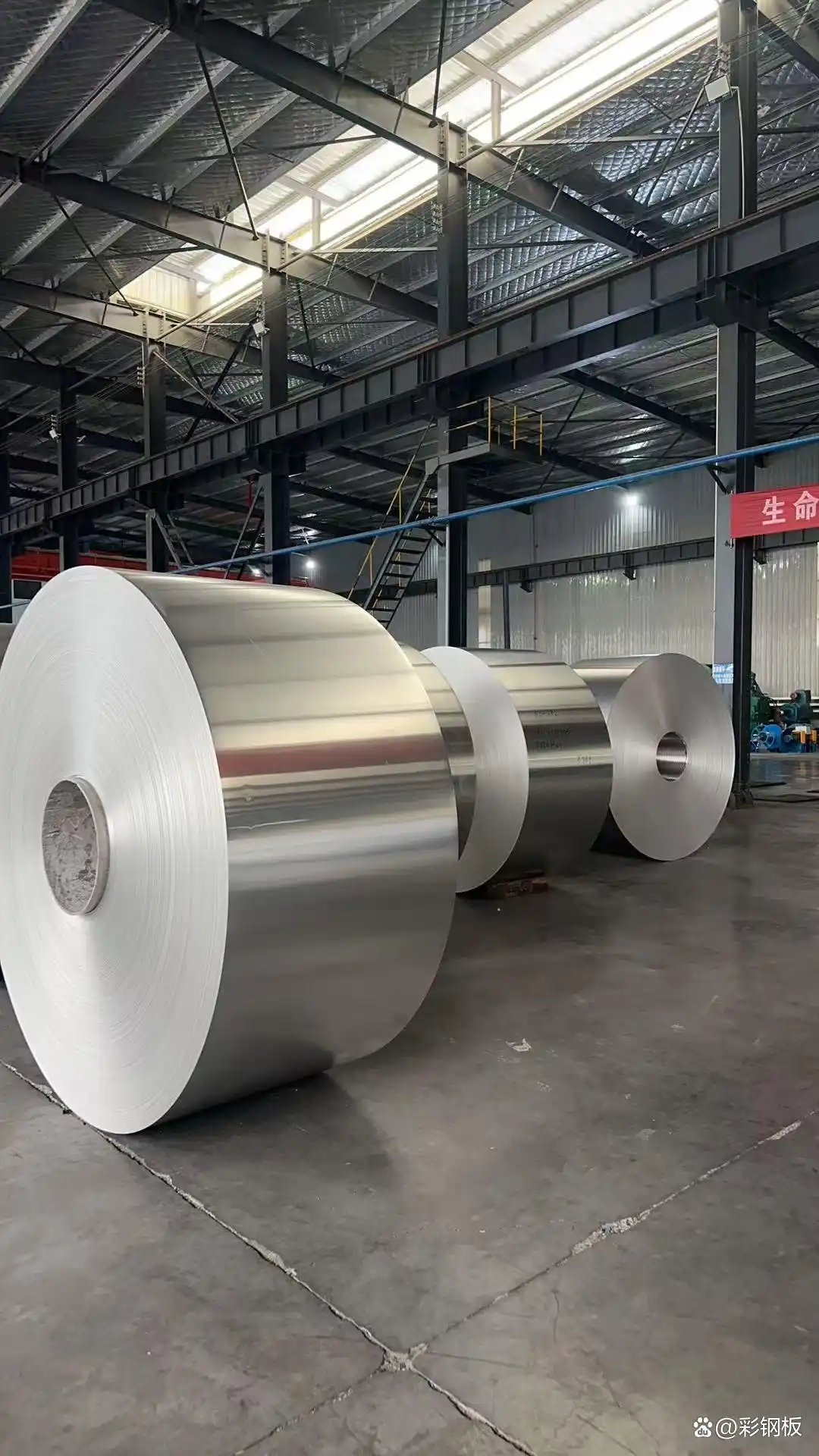
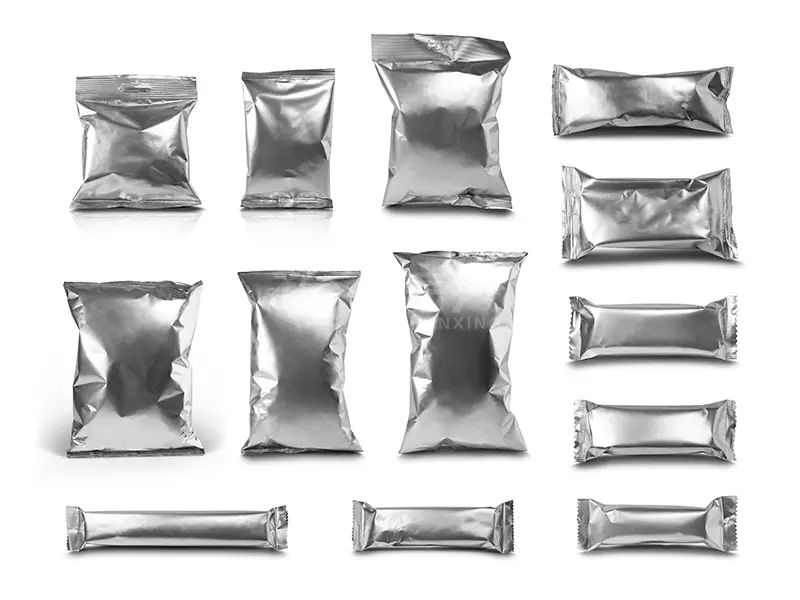
Complete global supply dispatch matrix including structural profiles, industrial tubing, and custom packaging foils.
Engage directly with our metallurgical engineering team to coordinate project dimension parameters, custom alloy formulations, or full structural cost breakdowns. Response generated under complete 8D framework criteria within 24 hours.
Submit Engineering Request Now