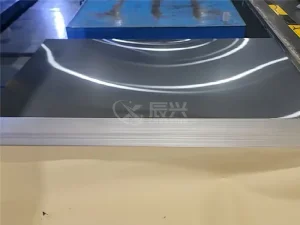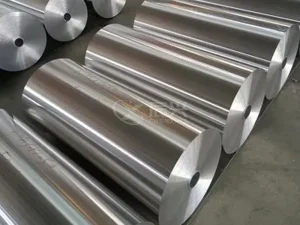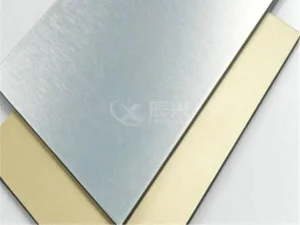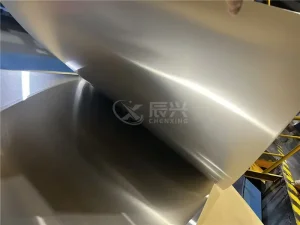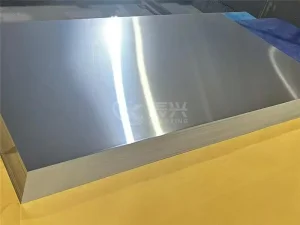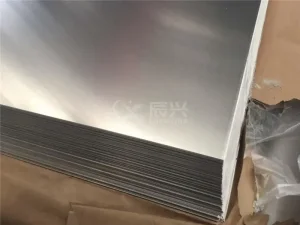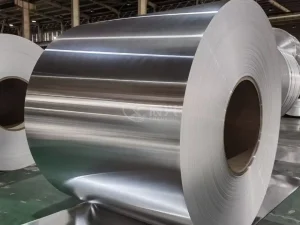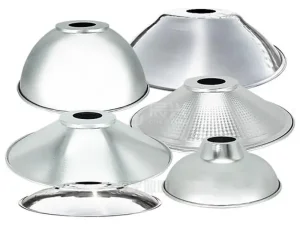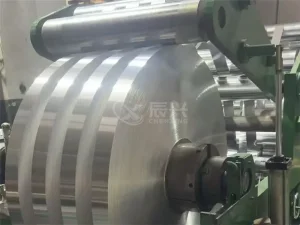
Explore high-performance structural and architectural aluminum products direct from our advanced fabrication facilities.
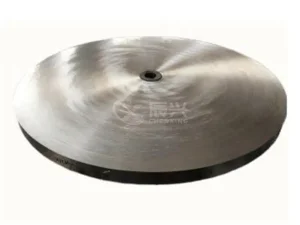
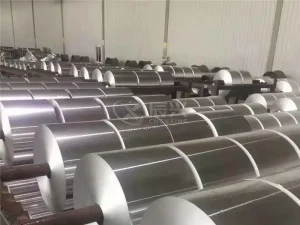
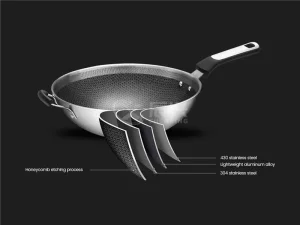
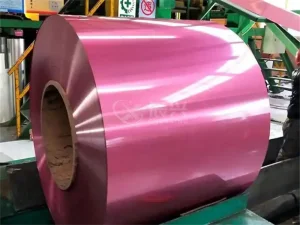
A comprehensive engineering guide to mechanical properties, metallurgy tolerances, and selection standards for global procurement.
Modern metallurgy is no longer just about melting and rolling. In today's high-tech industrial manufacturing, procurement departments require precise, customizable Aluminium Sheet Specifications to achieve weight reduction, structural integrity, and long-term corrosion resistance. Aluminium sheets, foils, and coils are designated by various global standard bodies (ASTM, EN, JIS, GB/T), which dictate their chemical composition, temper, mechanical properties, and dimensional tolerances.
Choosing the correct aluminum plate parameters ensures structural safety in transportation, excellent thermal performance in HVAC, hygiene and barrier properties in pharmaceutical packaging, and extreme chemical resistance in electrochemical applications. Understanding these differences directly impacts production yields and raw material cost control.
To assist manufacturing designers and global purchasing managers in selecting the ideal material grade, the table below consolidates the technical profiles of widely used commercial alloys:
| Alloy Series | Common Tempers | Tensile Strength (MPa) | Yield Strength (MPa) | Elongation (%) | Key Industrial Applications |
|---|---|---|---|---|---|
| 1xxx Series (e.g., 1050, 1100) | O, H14, H18, H24 | 75 - 165 | 35 - 145 | 5 - 35 | Chemical equipment, cookware blanks, electrical conductors, reflectors |
| 3xxx Series (e.g., 3003, 3104) | O, H14, H19, H24 | 110 - 260 | 40 - 240 | 3 - 25 | Beverage cans, architectural wall corner panels, heat exchangers, HVAC ductwork |
| 5xxx Series (e.g., 5052, 5754) | O, H32, H34, H38 | 190 - 310 | 90 - 230 | 10 - 25 | Marine hulls, automotive body panels, fuel lines, pressure vessels |
| 6xxx Series (e.g., 6061, 6082) | T4, T6, T651 | 180 - 350 | 110 - 310 | 8 - 18 | Structural bridges, aerospace frameworks, railway passenger cars, machinery bases |
| 8xxx Series (e.g., 8011) | O, H18, H22 | 80 - 150 | 60 - 130 | 12 - 30 | Pharmaceutical blister pack foils, household food-grade packaging rolls |
As governments worldwide accelerate their net-zero emission targets, the global demand for aluminum products has experienced a profound structural evolution. Procurement managers are no longer prioritizing cheap transactional costs alone; they are examining the raw material's total carbon footprint, or Scope 3 emissions. This has led to the rise of **Green Aluminum** (produced using renewable energy sources, primarily hydroelectric power) and high-recycled-content sheet alloys.
Additionally, geopolitical supply chain shifts have made **localized inventory, global regulatory certifications, and factory transparency** vital selection criteria. Factories are increasingly adopting Digital Twin technology and AI-driven automated flatness measurement systems to ensure consistent thickness control across wide-width sheets (exceeding 2500mm). This reduces the material processing waste for end-users in the automotive stamping and packaging container manufacturing sectors.
Our company designs custom solutions that address the specific engineering pain points of core vertical markets:
A benchmark for quality control, engineering expertise, and direct-to-factory production.


Premium raw stock circles, coils, and specialized foils engineered to strict flatness, metallurgical structure, and surface perfection standards.
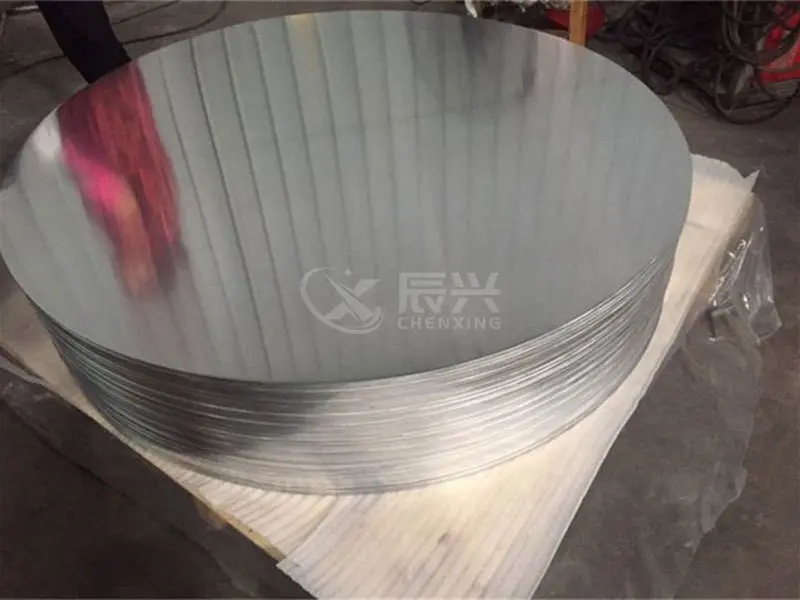
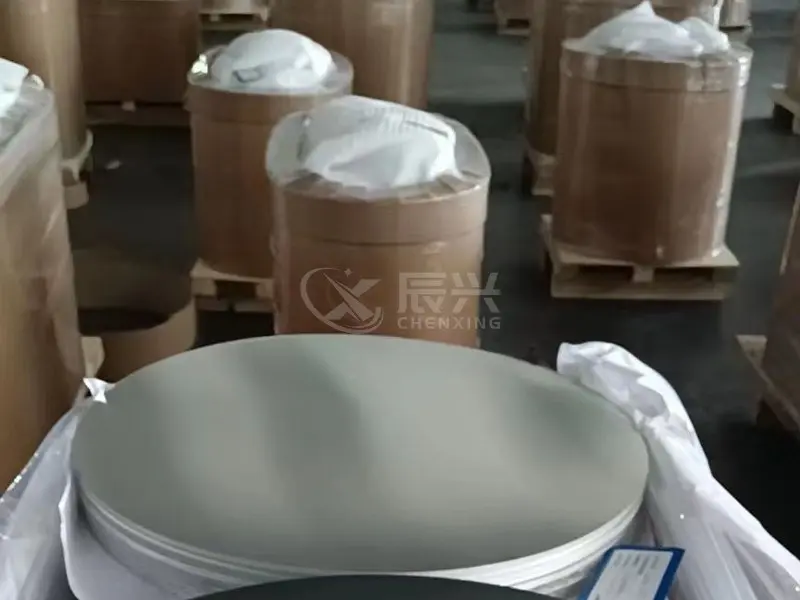
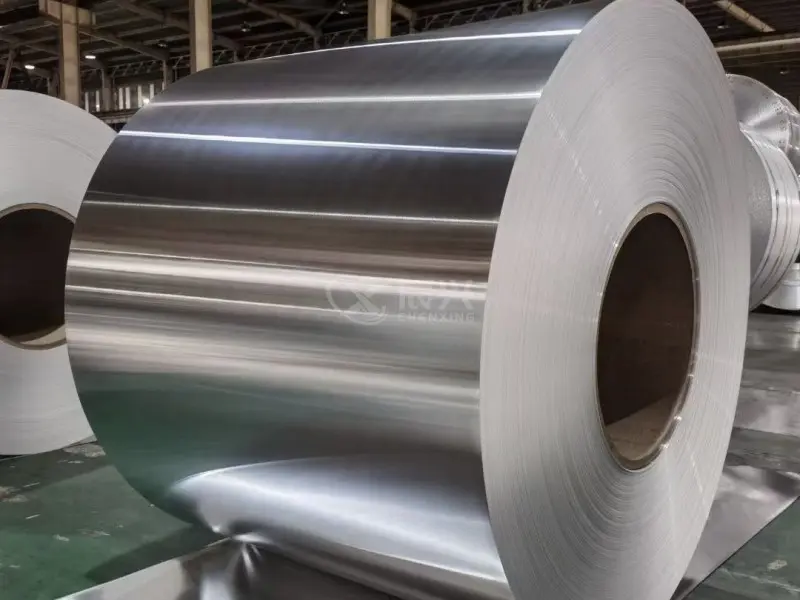
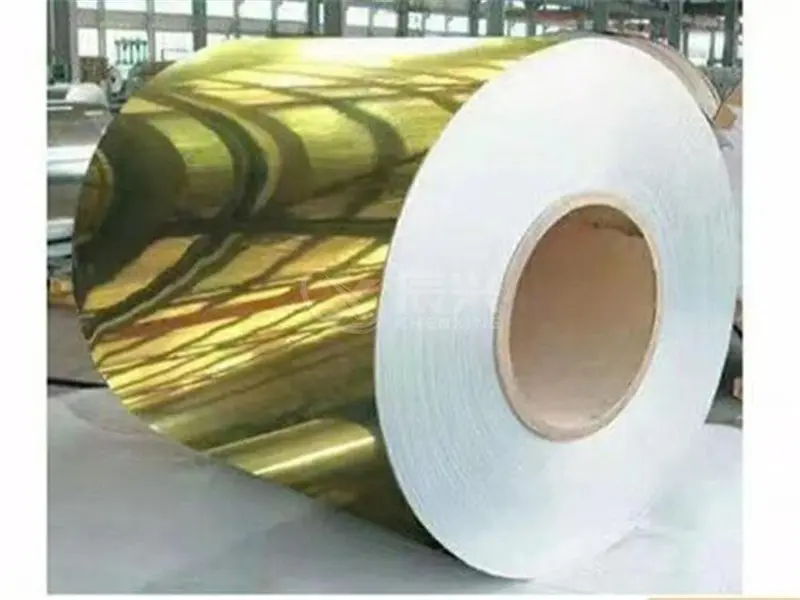
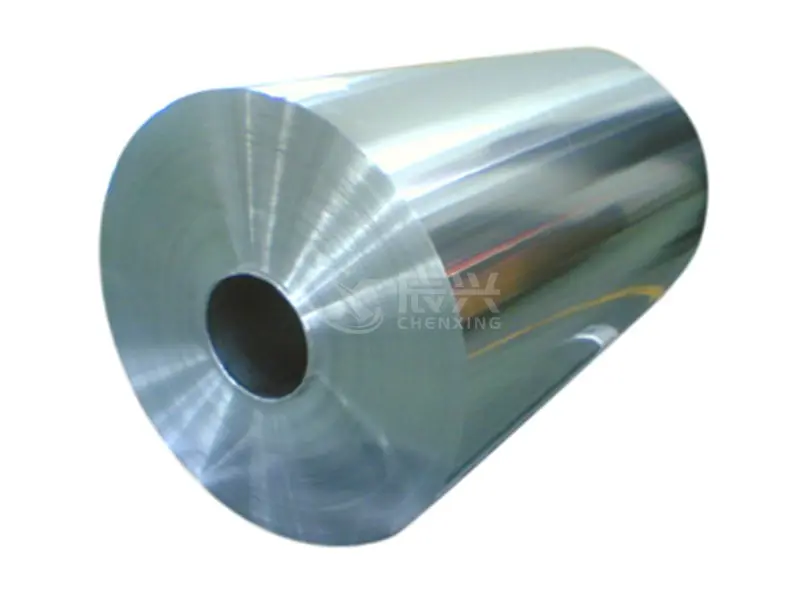
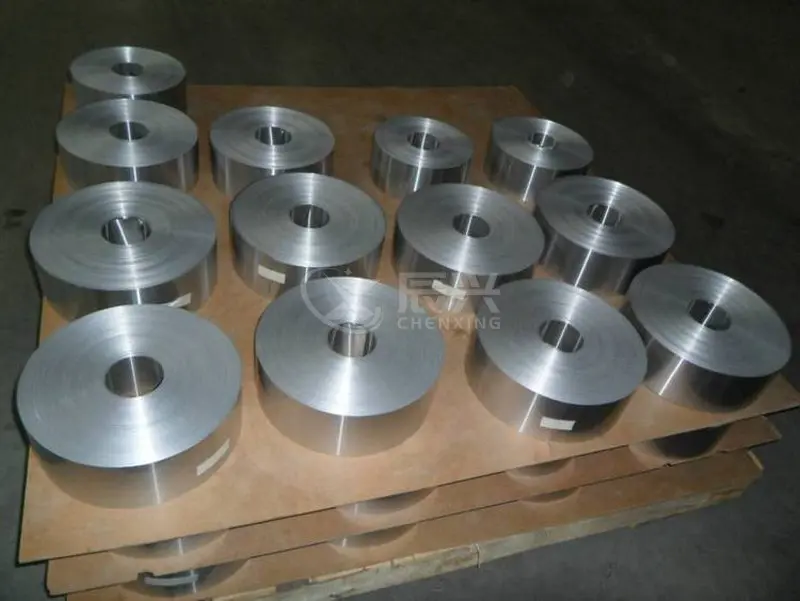
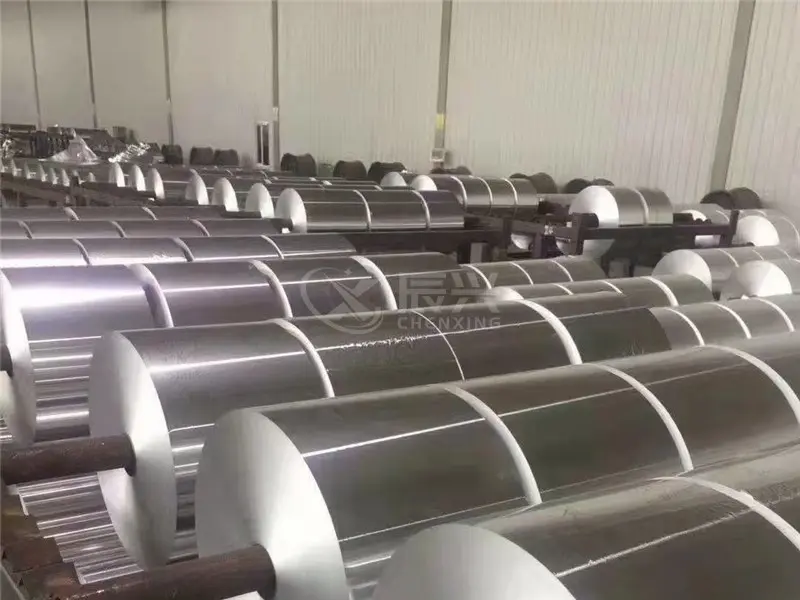
Providing high-precision materials custom-tailored to global performance requirements.
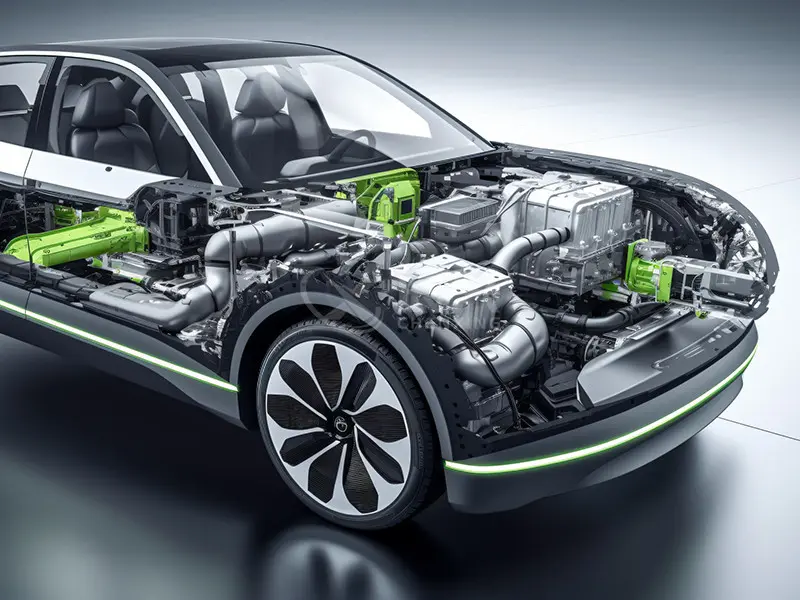
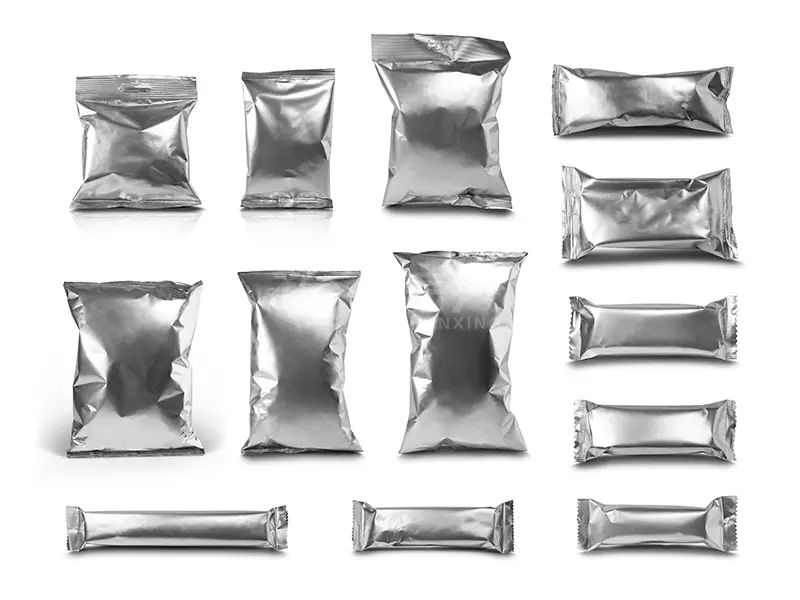


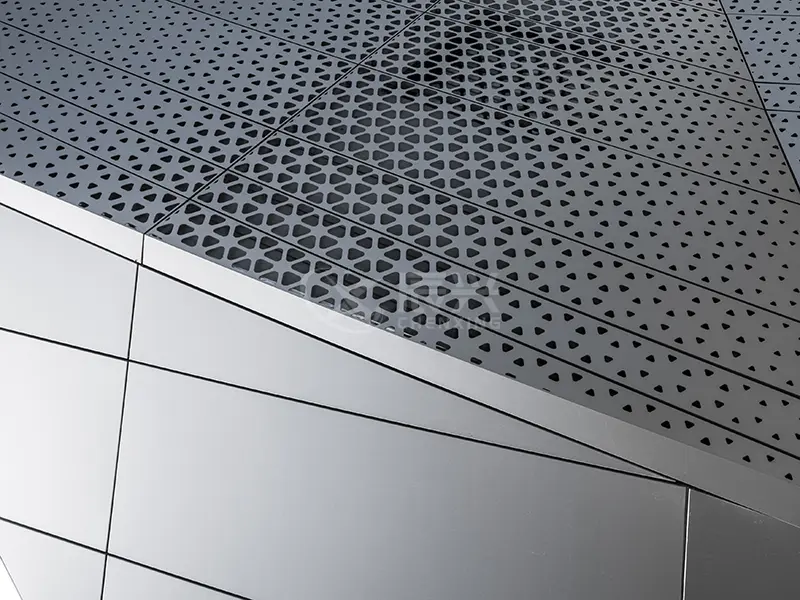

To stay ahead of industry demands, our technical team is working on multi-layered solutions, alloy purifications, and localized treatment strategies:
Reducing impurities (such as iron, silicon, and copper) in chemical compositions to maximize grain size control, improve anodizing surface quality, and prevent edge cracking during deep drawing.
Pioneering low-carbon smelter technologies and high-ratio post-consumer scrap recycling schemes to drastically reduce Scope 1, 2, and 3 carbon footprints in line with European CBAM regulations.
Developing eco-friendly organic coatings, self-cleaning hydrophobic finishes, and high-conductivity surface treatments for electrical housing and architectural siding applications.
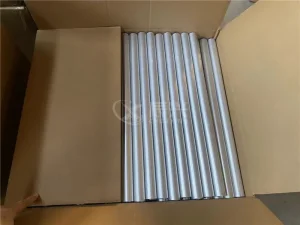
Refining advanced packing lines with active moisture desiccant systems, anti-oxidation barriers, and rigid custom shockproofing to prevent scratch and corrosion damage during sea freight.
As a global partner, we comply with international manufacturing rules. All our processes are certified to ISO 9001:2015 for general quality management, and IATF 16949 for strict automotive supply chain conformity. Every shipment of aluminium sheets, coils, or circles is dispatched with comprehensive Mill Test Certificates (MTC) conforming to EN 10204 3.1, detailing chemical composition tests and mechanical test results (tensile strength, yield strength, elongation).
Furthermore, our materials fully comply with RoHS and REACH environmental directives, ensuring chemical safety and bio-compatibility for food contact (FDA-approved alloys like 1050, 3003, and 8011) and medical packaging environments. Through close relationships with SGS and TÜV Rheinland, we perform external verification audits to guarantee transparency for buyers.
For inquiries about our products, mechanical specifications, or custom pricelists, please leave a message and we will respond within 24 hours.
Stay up to date with industrial aluminium breakthroughs, production milestones, and global market dynamics.
Investigating changes in regional distribution and shipping trends for major industrial buyers.
Read More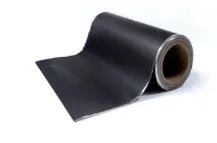
An inside look at carbon-coated aluminum foil applications in high-density lithium-ion battery cells.
Read More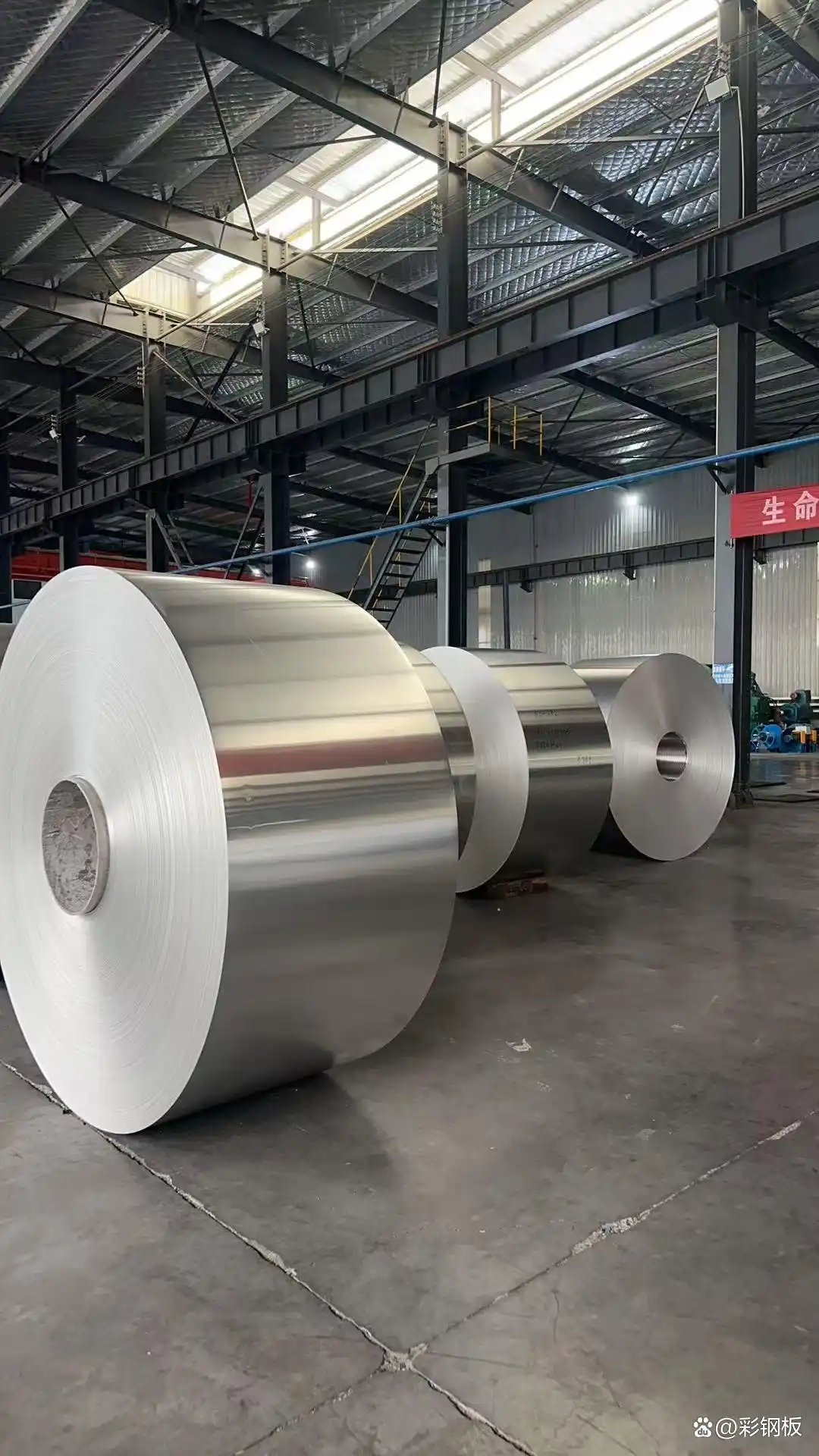
How lightweight design requirements in modern infrastructure are driving sustainable coil consumption.
Read MoreExpert answers to the most common questions regarding aluminium specification, testing, and shipping protection.
Explore high-strength structural sheets, circles, and foil blanks direct from our state-of-the-art factories.