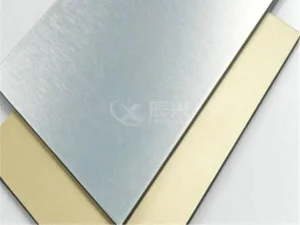
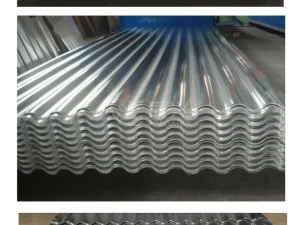
Examine our advanced metallurgy catalog, engineering structural-grade sheets, precision foils, and composite architectural panels directly sourced from integrated fabrication complexes.
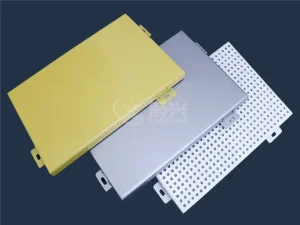
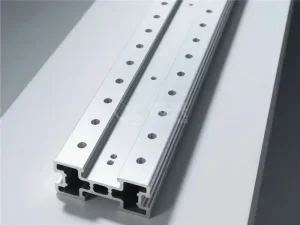
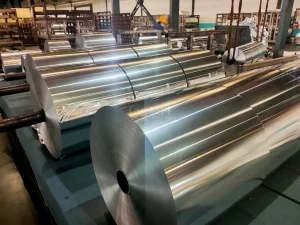
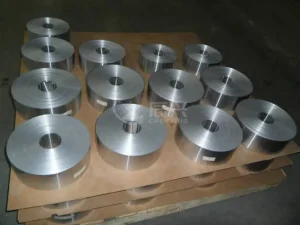
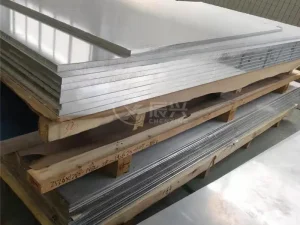
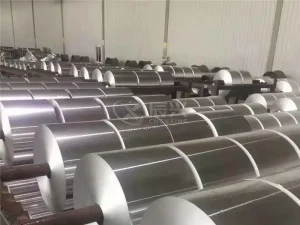
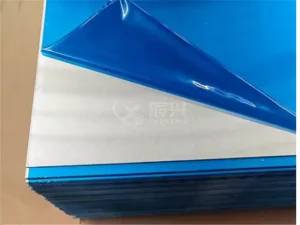
Leveraging over two decades of metallurgical research, advanced cold-rolling processes, and strict multi-layered inspections to deliver global-standard alloy supplies.

Every industrial extrusion and foil roll is monitored under spectral analyzers and online thickness control units, logging full tracing databases for downstream aerospace, automotive, or construction projects.

Our dedicated engineering desk coordinates localized parameter matching, providing mechanical layout adjustments, ASTM standard conversions, and rapid response cycles globally.
Whether you require proprietary magnesium-to-aluminum ratios for mechanical structures or localized compliance configurations, our design houses execute tailor-made extrusion dies.
The global industrial landscape is undergoing a systemic transition toward lightweight, highly recyclable, and structural metals. High-performance aluminum alloys (such as 1000, 3000, 5000, and 6000 series) have moved beyond basic construction uses. They are now integral components in high-speed rail cabins, aerospace bulkheads, battery packaging, cleanrooms, and thermal management assemblies.
Aluminum's inherent high strength-to-weight ratio, combined with its natural resistance to oxidation, makes it the optimal material for modern sustainable infrastructure. By utilizing precision-extruded profiles and anodized sheets, industries achieve a drastic reduction in carbon emissions while retaining structural durability.
Furthermore, in specialized commercial interior sectors, the requirement for sterile, fire-rated, and visually dynamic surfaces has fueled the growth of structural cladding panels. Industrial engineers select anodized aluminum sheets over standard painted steel due to their superior chemical resistance, longevity, and lightweight properties.
| Alloy Grade | Core Mechanical Trait | Primary Application Target |
|---|---|---|
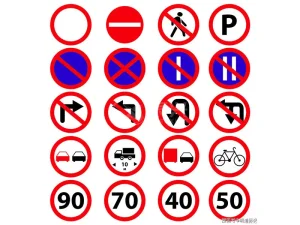
| 1050 / 1060 | High Ductility & Thermal Conductivity | HVAC Foils, Cookware Blanks, Road Signs |
| 3003 | Superior Workability & Corrosion Resistance | Air Ducts, Deep-drawn Containers, Heat Sinks |
| 5052 / 5754 | High Fatigue Strength & Marine-grade Core | Structural Panels, Enclosures, Rail Transit |
| 6063 / 6061 | Excellent Extrusion Properties | Heavy Industrial Frames, Window Systems |
China's dominance in the global aluminum supply chain rests on vertical integration. The path from raw bauxite refining to advanced anodization and precision slitting occurs within specialized regional clusters. This geographic concentration minimizes logistical overhead and guarantees consistent mechanical properties.
Our plants leverage both casting pathways to process custom grain-refined structures. This ensures that the final plates resist cracking during heavy bending, deep drawing, or structural stamping.
Equipped with computerized gauge controls, our cold-rolling mills output consistent thickness parameters down to micro-level tolerances. This is crucial for high-speed foil wrapping machines and precision electronics casing production.
By employing continuous electrochemical bath systems, we deliver uniform oxide layer depths (ranging from 5 to 25 microns). This process provides reliable corrosion protection without the risk of yellowing or delamination over decades of use.
Discover how different alloy formulations are applied across transport networks, modern electronics, sterile medical packaging, and high-performance architectural shells.

Used to construct high-strength, lightweight railway cars, automotive chassis, and battery trays. This helps lower fuel consumption and increases payload capacities.
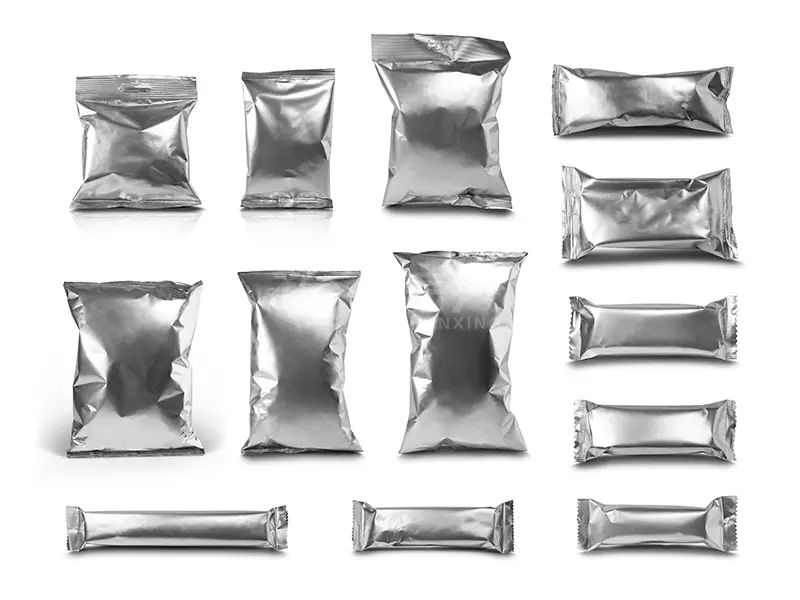
Delivers high-barrier protection for consumer foods and pharmaceutical goods, preventing light, moisture, and gaseous ingress from compromising shelf stability.

Essential for heat dissipators, shielded structures, computer casings, and mobile device frames due to its lightweight nature and superior thermal conductivity.

High-end structural grades engineered to endure cyclic mechanical stress, thermal fluctuations, and high-altitude atmospheres.
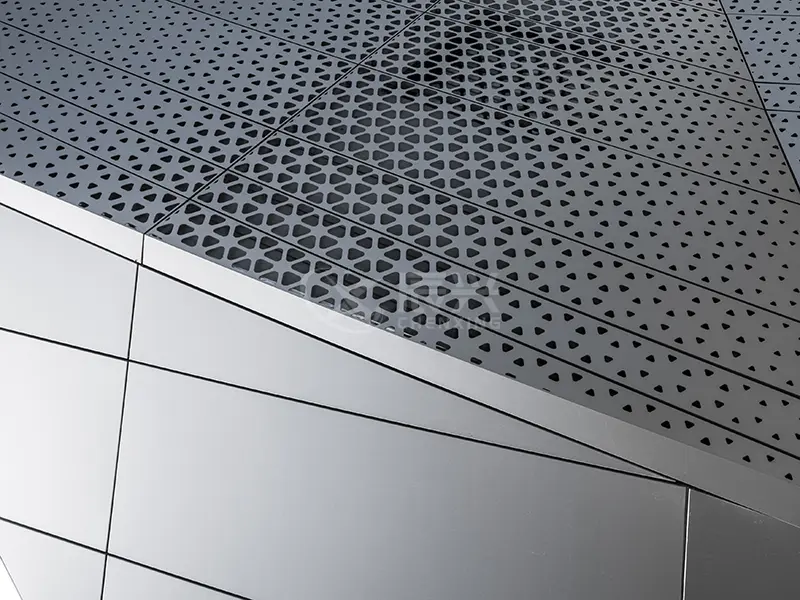
Enables durable facade systems, insulated roof cladding, modular office partition walls, and durable framing systems that require minimal structural maintenance.

Found in refrigerator panels, microwave shields, high-end cooker bodies, and wash machines, delivering sleek finishes and long-term resistance to corrosion.
Our technological progress focuses on refining grain layouts, increasing alloy purity, and implementing digital inspection loops. We use specialized testing equipment to confirm physical and chemical tolerances prior to bulk shipments.
To ensure high performance in critical structural applications, our factories subject material batches to rigorous testing regimes:
Utilizing Optical Emission Spectrometers (OES), we verify element distributions down to ppm limits. Keeping exact controls over iron, silicon, and copper percentages prevents recrystallization anomalies during annealing cycles, giving buyers predictable forming properties.
We prioritize compliance with localized environmental and construction standards. Every production run undergoes testing to align with regional guidelines in Europe, the Americas, and Southeast Asia.
Our quality management workflow governs all factory operations, from raw billet arrival to mechanical processing and shipping.
All packaging-grade coils, pharmaceutical foils, and architectural panels undergo routine testing to verify they are free of hazardous substances.
We supply materials certified to international standards. This assures structural engineers that our alloy plates meet designated bending limits.
If processing anomalies occur, our engineers initiate a comprehensive tracking analysis, locating root issues and providing solutions within 48 hours.
Collaborate with our technical staff to align material parameters with your project requirements. Receive structural specs, custom alloy options, and port-delivery quotes within 24 hours.
Submit Inquiry NowStay informed about shifting global tariffs, changes in packaging regulations, and new processing technologies developed within our manufacturing facilities.
Our plants have adapted logistics lines to support direct port deliveries. This adjustments helps mitigate global freight delays and ensures stable material distribution.
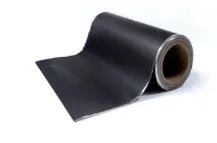
Our new ultra-thin calendering process supports energy density increases in lithium batteries, helping power next-generation EV platforms.
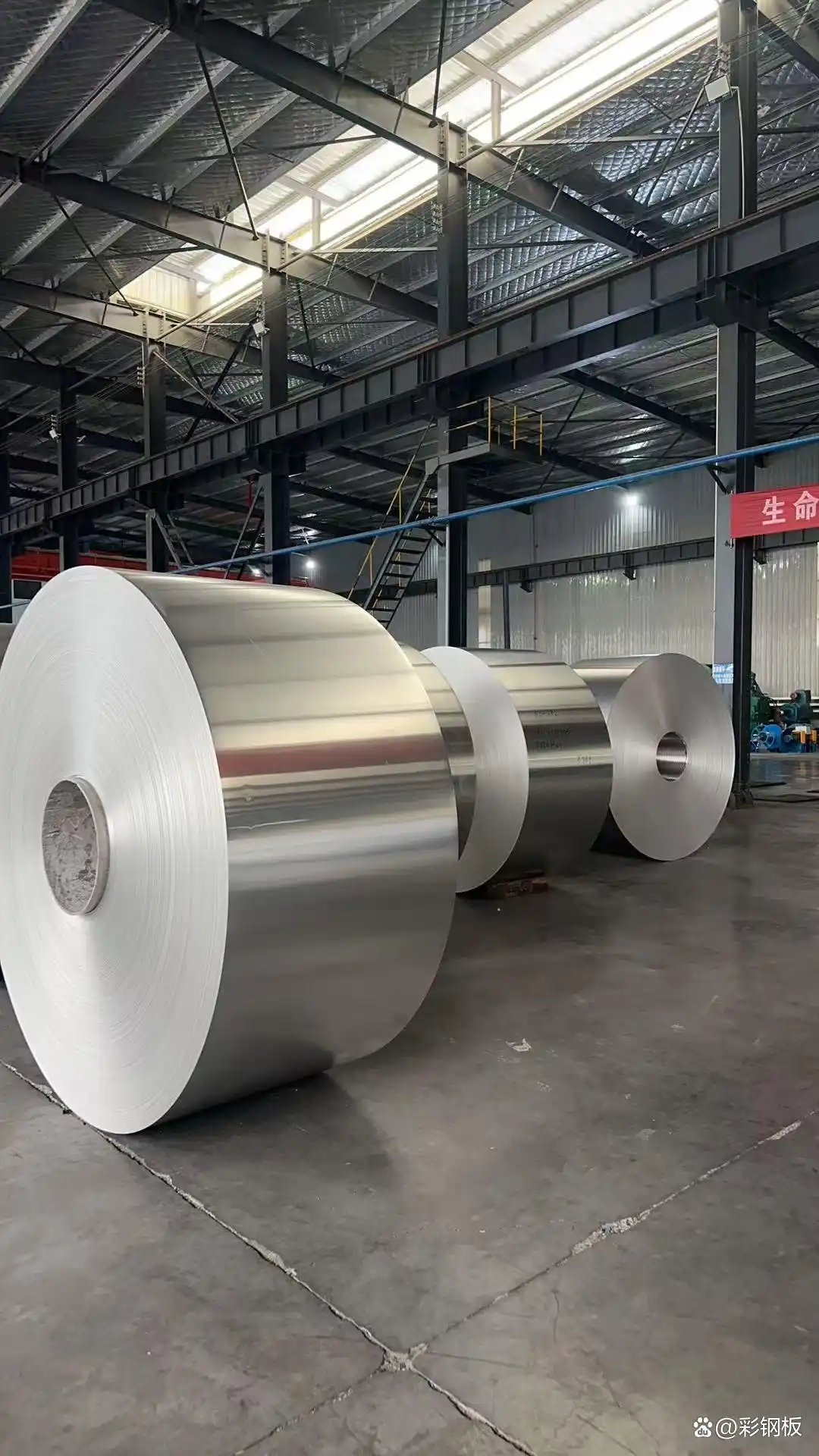
By using clean-melting furnace lines, we have cut energy consumption by 15%, providing high-performance architectural alloys with a lower carbon footprint.
Access detailed information regarding alloy specifications, surface coatings, international shipping, and quality assurance processes.
For standard alloy matrices (such as 1050, 3003, and 5052), our typical mill lead times run from 15 to 25 days. Custom architectural profiles requiring new extrusion dies involve an extra 7 to 10 days for tooling verification and test extrusions.
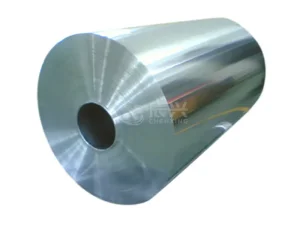
Our plants process pharmaceutical foils (alloys like 8011/8021 in O temper) on high-precision slitting and rolling equipment. We use online pinhole detection systems to monitor the material continuously, verifying the absolute barrier properties needed for blister packaging.
We offer brushed textures, mirror polished finishes, chemical anodization (matte, silver, or custom color tints), and PVDF coatings. Our processing lines guarantee color uniformity and coating adhesion, meeting major architectural specifications.
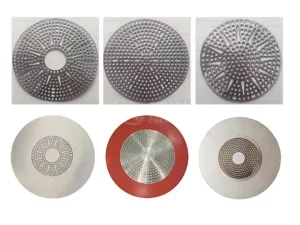
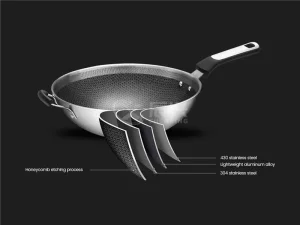
Yes. Our multi-ply clad circles (combining aluminum core bodies with ferritic stainless steel bases) are engineered to ensure uniform induction heating, structural stability, and reliable performance across various cookware lines.
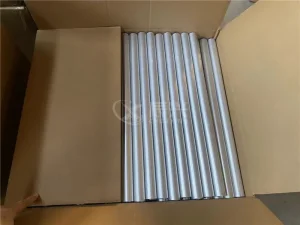
We work with international logistics providers under FOB, CIF, and DDP terms. All products are wrapped in seaworthy packaging, using moisture barriers and wooden pallets to prevent mechanical or environmental damage during transit.
Browse the second tier of our specialized manufacturing catalog, featuring induction blanks, protective foils, and precision structural tubes.