
Premium raw material configurations including cold-rolled circles, deep drawing sheets, and performance metal blanks.
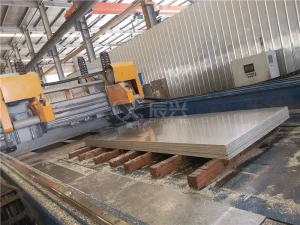
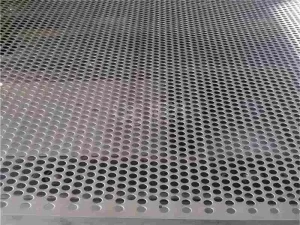
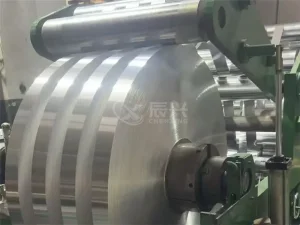
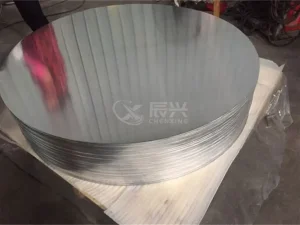
A comprehensive overview of material grades, mechanical attributes, and global procurement criteria for manufacturing sectors.
In B2B sheet metal pressing and heavy-duty stamping, the crystallographic orientation and grain size distribution of the aluminum circle directly dictate the failure rate. Standard low-grade alloys frequently suffer from "orange peel" defects or directional thinning. Our manufacturing lines leverage customized hot-rolled (DC) and continuous-cast (CC) coil processing methods to control the recrystallization phases precisely, guaranteeing isotropic drawing parameters (minimal earing tendencies, typically lower than 2%).
Depending on the final application, whether it is high-thermal conductivity cookware, automotive structural components, or lighting reflectors, choosing the appropriate alloy grade is critical for yield rates. The table below outlines standard properties across common alloy categories used by top factories worldwide.
| Alloy Series | Primary Temper | Tensile Strength (MPa) | Elongation (%) | Best Application Area |
|---|---|---|---|---|
| 1050 / 1060 | O, H12, H14 | 75 - 110 | ≥ 30% | Standard Cookware, Spinning, Reflectors, Electronics |
| 3003 | O, H14, H24 | 110 - 150 | ≥ 25% | Deep-drawn pots, Pressure Cookers, Heat Shields |
| 3104 | H19, O | 180 - 260 | ≥ 12% | High-Strength Can Bodies, Container Blanks, Structural parts |
| 5052 / 5083 | H32, H34, O | 210 - 320 | ≥ 15% | Marine fittings, Pressure vessels, High-End electronics casings |
Maintaining reliable quality profiles involves tracking material properties from direct casting to final blanking. Essential criteria include:
Decades of continuous manufacturing innovation and rigorous supply chain management for global markets.


From aerospace components to durable household appliances, our aluminum solutions adapt to diverse requirements.

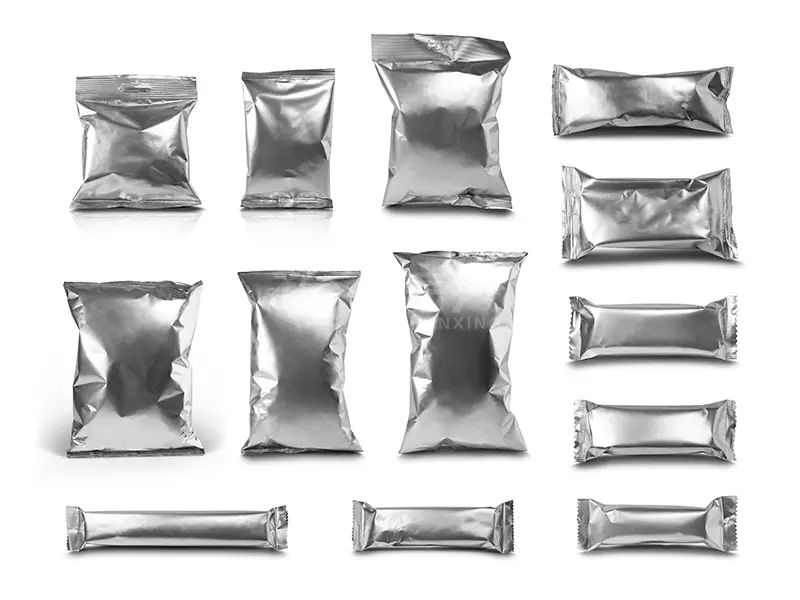


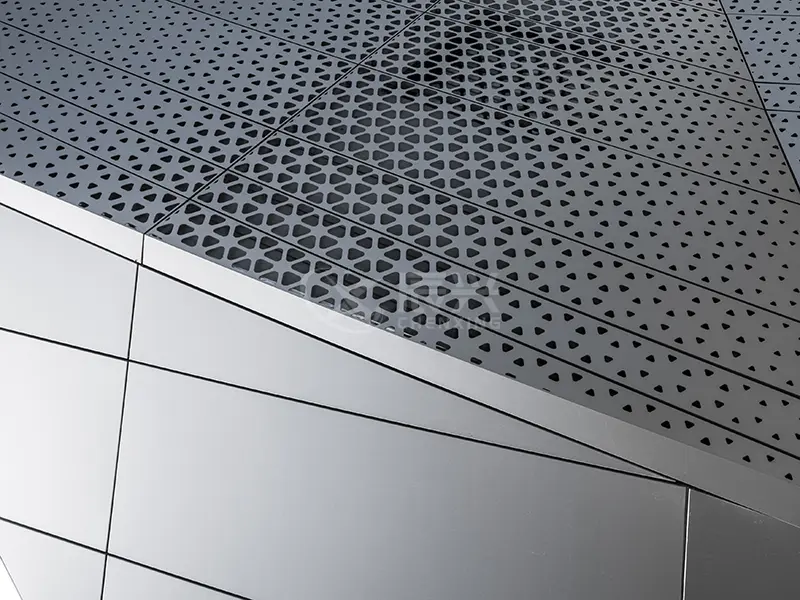

Market developments, ecological objectives, and technical innovations shaping raw materials sourcing.
Environmental standards such as the European Union's Carbon Border Adjustment Mechanism (CBAM) are transforming sourcing metrics. Global buyers prioritize suppliers using hydro-powered smelting or integrated scrap-loop collection systems. Our factories actively reduce carbon outputs by sourcing low-carbon primary aluminum ingots and utilizing high-efficiency regenerative gas burners during melting phases.
Adding precise trace elements (such as titanium, zirconium, or manganese) to standard 1xxx and 3xxx series aluminum alloys refines the grain boundaries during recrystallization. This enables thinner-walled containers and lightweight cookware that retain high structural integrity under pressure, lowering transportation costs and material consumption for downstream manufacturers.
To reduce defect rates down to parts-per-million (PPM) thresholds, our latest lines integrate automated optical sorting systems. High-resolution CCD cameras scan every blank for micro-scratches, laminations, pinholes, or surface oxidation. Blanks failing compliance are directed to the recycling furnace, ensuring only pristine products reach export packaging.
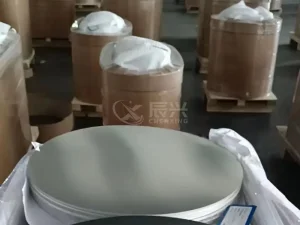
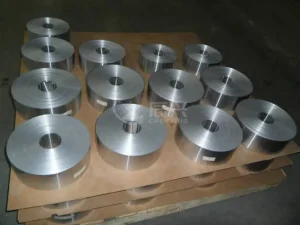
Faced with fluctuating freight indices and port congestion, B2B procurement benefits from optimized export logistics. Our packing configurations use heavy-duty wooden pallets, complete steel-banding, and desiccants within moisture-resistant barriers. This guarantees aluminum discs arrive corrosion-free and ready for production, regardless of transit duration.
Stay informed with news, technical developments, and global trade updates.
Discover how global manufacturing shifts are impacting export patterns for high-performance circles...
Read Article →
Analyzing structural transformations in EV battery supply lines and the rise in precision thin-foil specifications...
Read Article →
Analyzing structural demands for light metal alloys across urban construction planning networks...
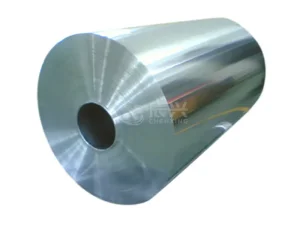
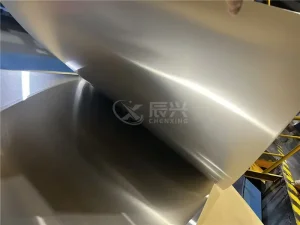
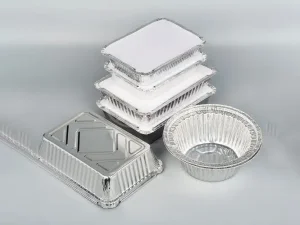
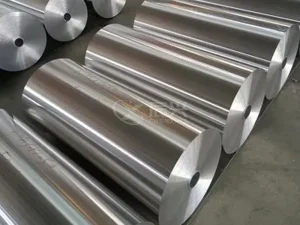
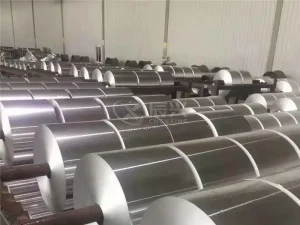
Read Article →Specialized aluminum foil compositions, marine-grade sheeting, and custom perforated profiles for HVAC and structural layouts.
Direct answers to essential metallurgical, technical, and commercial questions from sourcing professionals.
For custom dimensions (ranging from 100mm to 1200mm in diameter), production timelines generally span 20 to 30 days. Standard mill finishes with common alloy grades (1050/3003 O-temper) are often prioritized for accelerated shipping schedules.
CC (Continuous Cast) circles are economical and highly suitable for standard spinning operations, basic cookware, and light stampings. DC (Direct Cast / Hot Rolled) sheets possess a refined crystalline layout, making them essential for high-ratio deep drawing, pressure vessels, and anodized surface requirements.
We pack circle stacks with interleaving neutral glassine paper or plastic slip sheets, place desiccant packs within hermetically sealed barrier wraps, and secure the bundle to heavy wooden pallets to prevent moisture ingress during shipping.
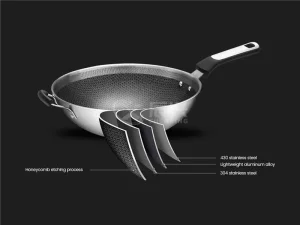
Yes. We manufacture multi-layer composite discs (e.g., 3-ply combinations containing SUS430, Al1050, and SUS304). This provides direct induction-heating capability for high-end cookware products.
Connect directly with our metallurgy and sales teams. We provide formal pricing, chemical composition reports, and physical sample evaluations within 24 hours.