
Direct access to mill-certified alloys, coils, sheets, and foils optimized for building facades, industrial cladding, thermal systems, and deep-drawing fabrication.
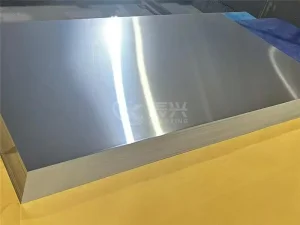
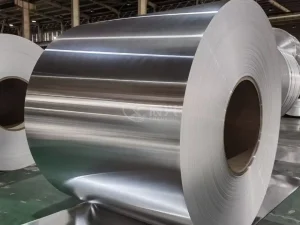
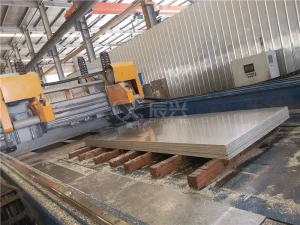
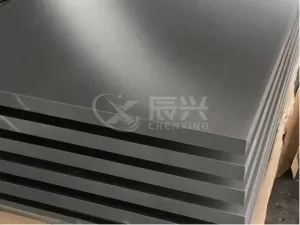
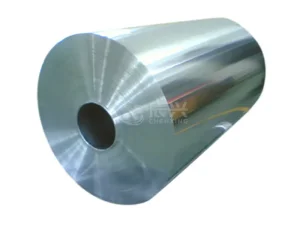
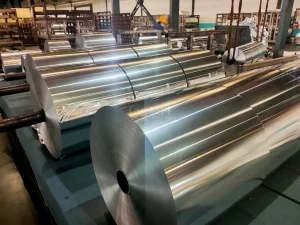
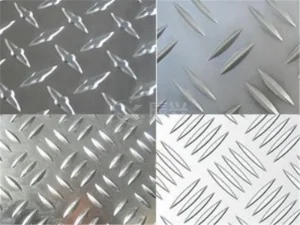
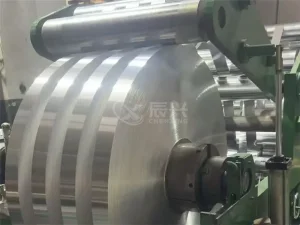
In modern industrial and structural projects, selecting the right Aluminium Cladding material is not merely an aesthetic choice; it is a critical engineering decision that dictates building lifespan, seismic safety, energy efficiency, and compliance with local fire hazard codes. Globally, architectural developers, structural engineers, and industrial procurement managers are transitioning from traditional cladding materials to high-performance aluminium alloys due to their exceptional strength-to-weight ratio, long-term corrosion resistance, and complete recyclability.
The global market demand for aluminium cladding is projected to grow substantially as modern construction projects align with green building standards (such as LEED and BREEAM). In high-density urban areas, facade systems must withstand extreme wind loads, prevent thermal bridging, and act as a reliable barrier against fire propagation. The material science underlying these systems involves selecting precise structural alloys (e.g., 3003, 3104, 5083, or 7075 series) and matching them with high-durability surface coatings like polyvinylidene fluoride (PVDF) or anodization treatments to defeat environmental degradation.
| Alloy Series | Key Mechanical Properties | Best Cladding & Architectural Application | Corrosion Resistance |
|---|---|---|---|
| 1000 Series (e.g., 1100, 1050) | High purity (99.0%+), superb formability and ductility, moderate strength. | Complex architectural shapes, flashing, embossed trim work. | Outstanding (Excellent self-passivation) |
| 3000 Series (e.g., 3003) | Manganese alloyed, 20% stronger than 1000 series, excellent workability. | Standard exterior wall panels, roofing sheets, air ducts. | Very High (Resists chemical atmospheric attacks) |
| 5000 Series (e.g., 5083) | Magnesium alloyed, exceptional structural strength under severe stress. | Marine cladding, offshore platforms, high-humidity coastal facilities. | Maximum (Marine-grade grade protection) |
| 7000 Series (e.g., 7075) | Zinc alloyed, extreme yield strength, comparable to steel alloys. | High-impact structural supports, aerospace structural components. | Moderate (Requires protective surface coating) |
When engineering global infrastructure, procurement teams must carefully verify material mill test certificates (MTC) to guarantee that incoming cladding stocks conform strictly to international benchmarks, such as ASTM B209, EN 485, and GB/T 3880. Working directly with a unified manufacturing plant allows commercial buyers to customize alloy compositions, thickness tolerances, and sheet dimensions to minimize waste during installation, optimizing structural yield and driving down total lifecycle costs.
How integrated manufacturing chains, high-capacity extrusion lines, and advanced metallurgical control guarantee global competitiveness.
From raw bauxite refining to multi-stage rolling mills and automated PVDF continuous coating lines, China-based factories consolidate the entire process flow under one roof, reducing scrap rates and logistical lead times.
Modern Chinese foundries employ electromagnetic stirring and vacuum degassing technologies. We configure precise trace elements (Manganese, Magnesium, Silicon) to ensure optimized post-bending performance and surface consistency.
Equipped with heavy-tonnage hydraulic extrusion presses (up to 12,500 UST), our factory lines easily output complex hollow-core profiles, extra-wide sheets, and custom-formed panels that other regional suppliers cannot manufacture.


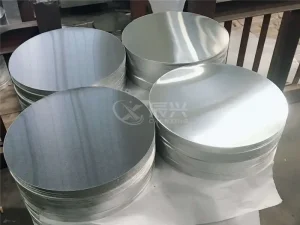
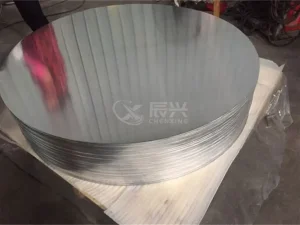
High-performance circular profiles, mirror sheets, and customized aluminum foils optimized for global industrial applications.
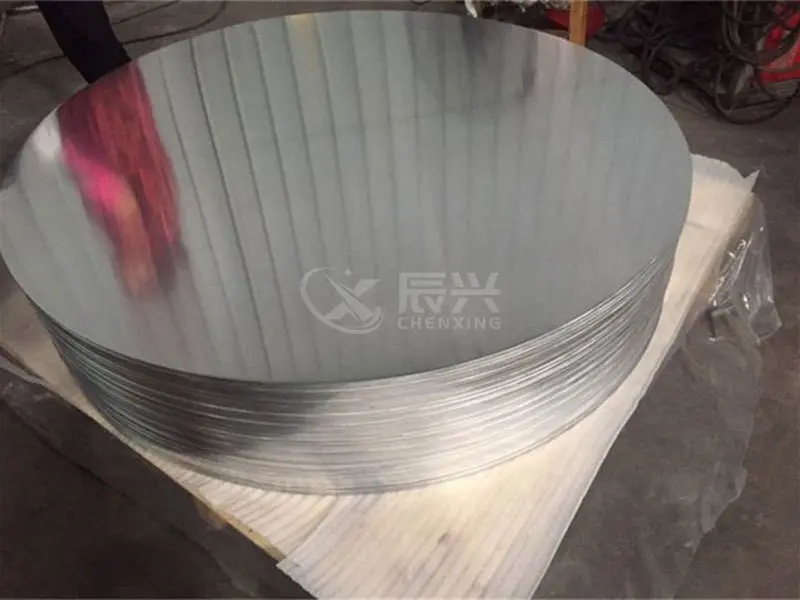
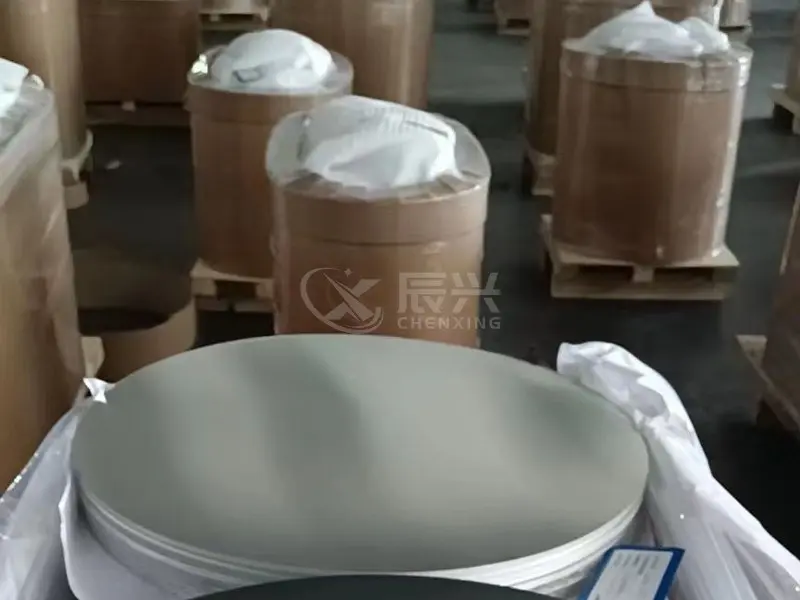
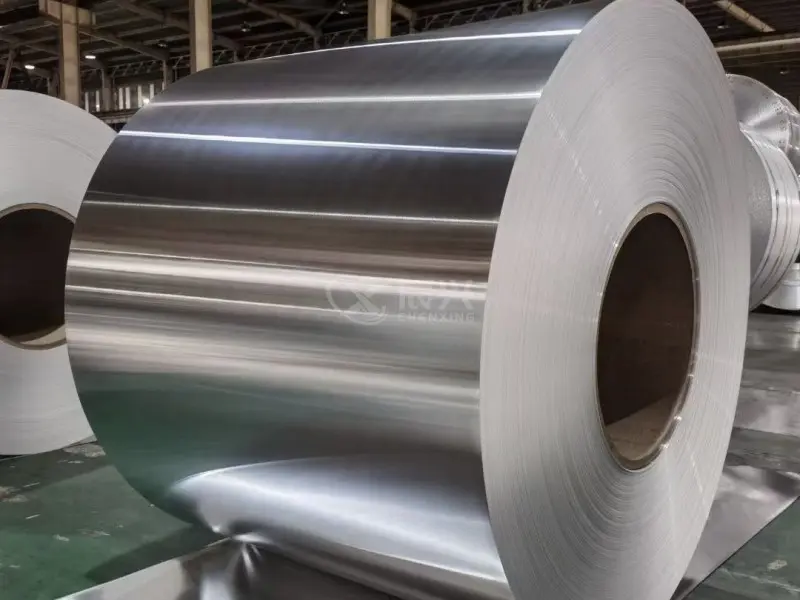
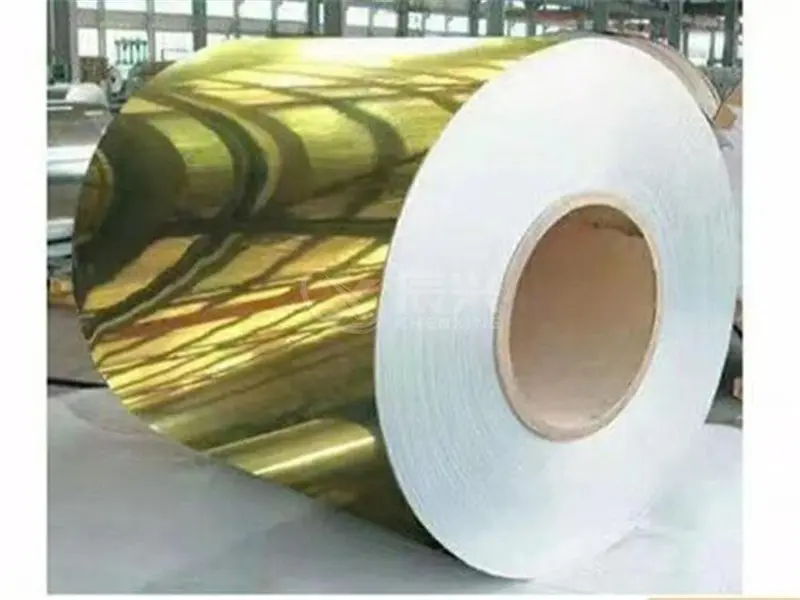
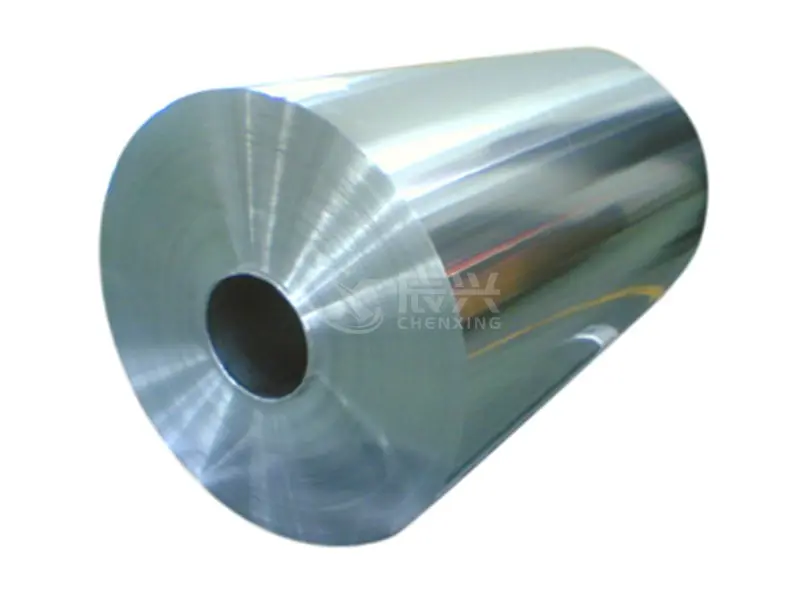
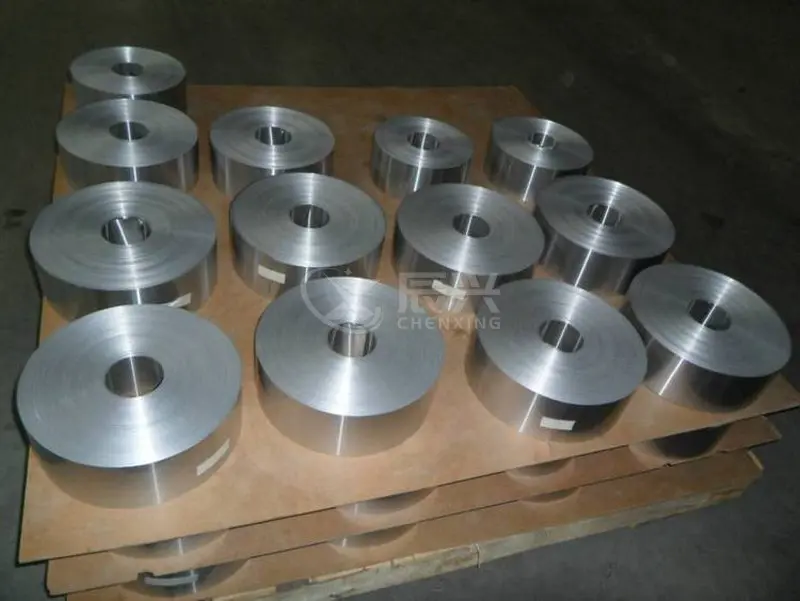
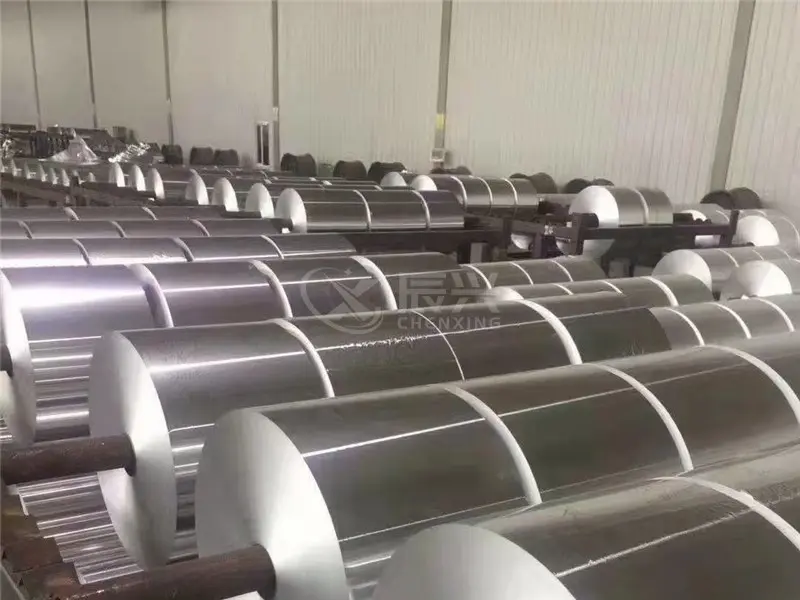
Our premium-grade aluminium products serve as critical structural and components elements across multiple leading industry verticals.

Reducing mass in high-speed rail cars, truck boxes, and automotive crumple zones to improve fuel economy.
Explore Transport Materials »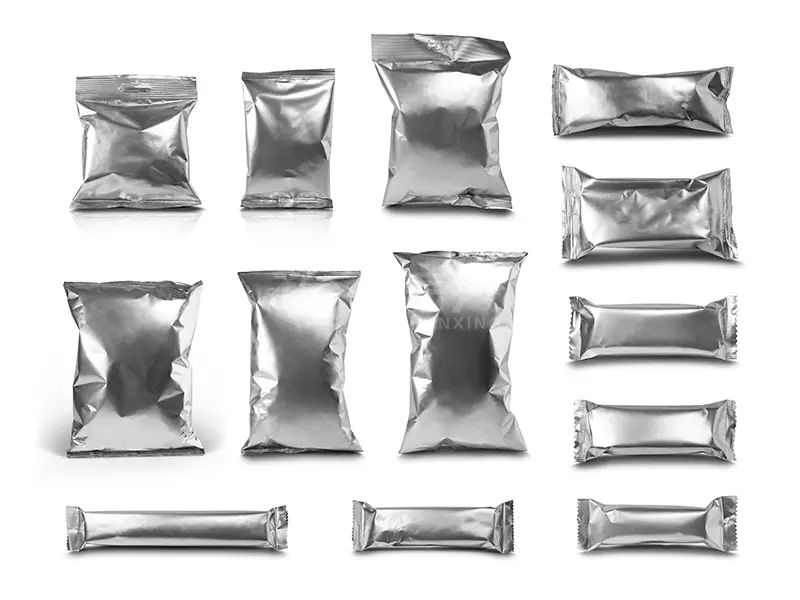
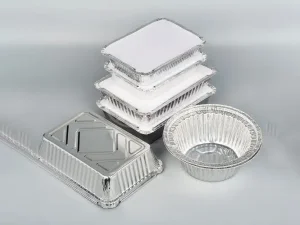
Eco-friendly barrier foil and container sheet, preventing contamination in food and pharmaceutical industries.
Explore Packaging Materials »
High heat dispersion sheets and foil coils specifically engineered for structural heat sinks, PCBs, and batteries.
Explore Electronic Materials »
Elite 7xxx and 2xxx alloy combinations exhibiting superior fatigue performance and structural reliability under high stress.
Explore Aerospace Materials »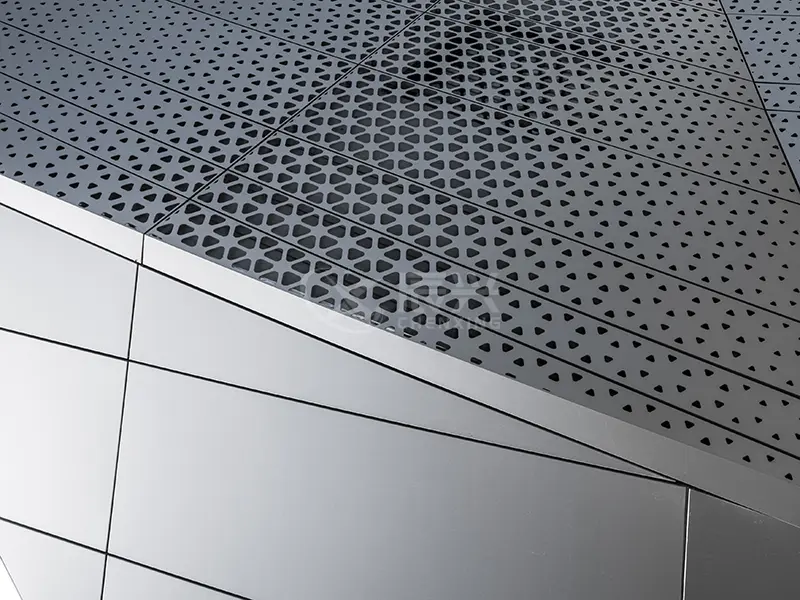
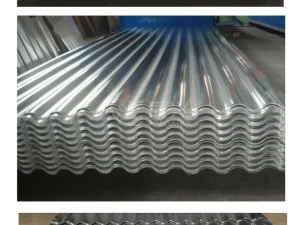
Durable weathering sheets, curtain walls, external cladding panels, and framing systems optimized for urban environments.
Explore Construction Materials »
Reflective, anti-fingerprint, and chemically passivated brushed sheets for modern premium aesthetics.
Explore Appliance Materials »Sourcing large volumes of aluminium cladding requires a solid grasp of structural mechanics, thermal behaviors, and standard industry practices. The integrity of an exterior wall relies heavily on the panel’s resistance to elastic deformation and wind-induced pressure.
Elastic Deformation and Wind Load Resistance: Standard cladding designs calculate the required panel thickness by assessing local wind velocity, structural height, and building shape. By utilizing higher-strength alloys such as 3003-H14 or 3104-H18, designers can reduce panel thickness without compromising safety, saving steel framework costs and easing load strain on the building structure.
Thermal Movement Controls: Aluminium features a thermal expansion coefficient of approximately 23 x 10-6 m/m·°C. In projects spanning regions with severe temperature swings, this translates to roughly 2.3 mm of expansion per meter of cladding. To prevent buckling or seal failure, mounting brackets and joint layouts must incorporate specialized slip joints or floating clip profiles to absorb this cyclic movement.
Coatings and Corrosion Resistance: Surface treatments play a key role in extending service life. Standard PVDF coatings (comprising at least 70% Kynar 500 resin) offer excellent resistance to UV radiation, industrial chemical exposure, and chalking. For harsh coastal zones, choosing a marine-grade anodized finish (Class I, > 25 microns) ensures a durable protective oxide layer that resists saltwater corrosion.
Recyclability and Carbon Footprint reduction: As ESG mandates shape global purchasing policies, aluminium is highly valued for its sustainability. Sourcing metal produced using low-carbon energy sources allows project leads to earn valuable LEED points and reduce scope 3 emissions, supporting the global transition to a circular industrial economy.
Stay informed on global supply metrics, industrial applications, and factory technological updates.
Addressing the critical engineering, quality control, and logistics questions from professional cladding purchasers.
Solid aluminium cladding is a single, homogeneous layer of aluminum alloy (usually 3mm thick), whereas ACP features a multi-layer structure consisting of two thin skins bonded to a non-aluminium core. Solid cladding offers superior mechanical durability, long-term impact resistance, and is naturally non-combustible (Class A1 fire rating). These qualities make solid cladding panels the preferred choice for high-rise facades and projects with strict building safety codes.
For severe coastal settings, high-UV zones, or industrial sites, PVDF (Polyvinylidene Fluoride) coatings containing at least 70% Kynar 500 or Hylar 5000 fluorocarbon resins are highly recommended. Alternatively, FEVE (Fluoroethylene Vinyl Ether) coatings provide excellent gloss retention and a wider palette of vibrant finishes, ensuring lasting protection and aesthetics in demanding climates.
Modern factories utilize automated rolling mills and precise tension leveling machinery to regulate sheet flatness and thickness. By using computerized laser measurement systems, we maintain dimensional variations well within ASTM B209 and EN 485-4 specifications. This ensures that every shipped batch integrates seamlessly during jobsite assembly.
B2B buyers should request Mill Test Certificates (MTC) conforming to EN 10204 Type 3.1. These documents outline chemical composition, yield strength, tensile strength, and elongation percentages. Additionally, quality certifications such as ISO 9001:2015, SGS chemical verification reports, and fire resistance test certificates (e.g., ASTM E84, EN 13501-1) are key to verifying compliance with target building regulations.
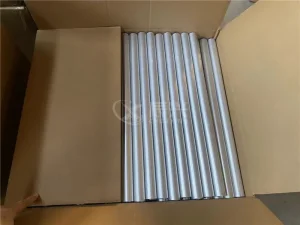
Additional premium industrial alloys, roofing systems, deep-drawing circles, and specialized structural tube elements.
Request customized chemical composition limits, target mechanical performance profile adjustments, and container freight quotes. Our metallurgical team responds within 24 hours.
Submit RFQ Now