
Explore our high-performance aluminum solutions manufactured to strict international standards.
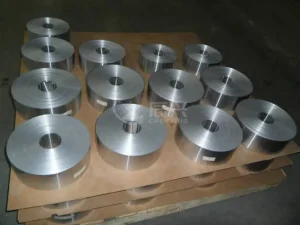
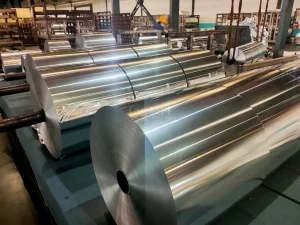
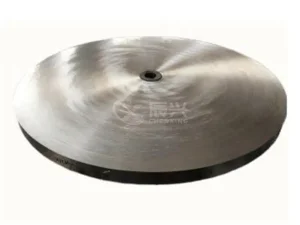
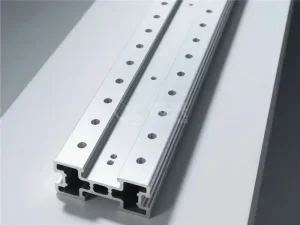
In the high-performance alloy industry, metal sourcing requires more than selecting local suppliers. Global procurement relies on a thorough analysis of metallurgical science, chemical optimization, production consistency, and logistics reliability. Selecting the right aluminum company is a critical decision affecting structural integrity, product shelf-life, and processing costs.
For modern manufacturers, selecting partners is no longer based solely on price per metric ton. It involves assessing the manufacturer's technological depth, including hot-rolling mills, cold-rolling mills, direct-chill casting processes, and heat-treatment control systems. These capabilities determine structural attributes, such as tensile strength, yield limits, grain size uniformity, and corrosion resistance.
China's aluminum sector has shifted from basic smelting to advanced material engineering. Procurement managers who evaluate high-grade mills in key manufacturing hubs can leverage several structural benefits:
Chinese factories are located within integrated industrial clusters that combine bauxite refining, ingot casting, continuous rolling, and secondary processing. This clustering minimizes internal shipping costs, reduces transit times, and ensures stable raw material supplies, even during global market shifts.
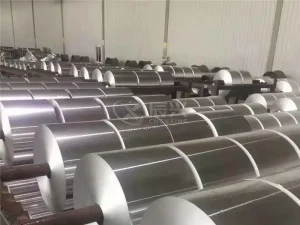
Our manufacturing lines are equipped with modern 4-high and 6-high cold-rolling mills. These mills are paired with automatic gauge controls (AGC) and shape meters (AFC) to guarantee flat profiles and uniform thickness. This level of control is essential for thin materials like battery foils and food-grade foils.
Advanced automation and process controls lower production costs per ton. This allows us to offer competitive pricing without compromising quality. Large production capacities also allow for fast scaling to meet massive bulk orders.
Chinese mills support custom alloy chemistry adjustment, heat-treatment tempers (such as H14, H24, H18, T6), and specific surface finishes (e.g., anodized, embossed, mirror-finished, or polymer-coated). This flexibility helps meet the exact needs of specialized industries.
Evaluating global suppliers requires a balanced approach. While pricing is important, verifying technical qualifications and certifications is critical for a secure supply chain:
Providing reliable material performance across major global industries.
Engineered to support global applications in infrastructure, electronics, and transport.
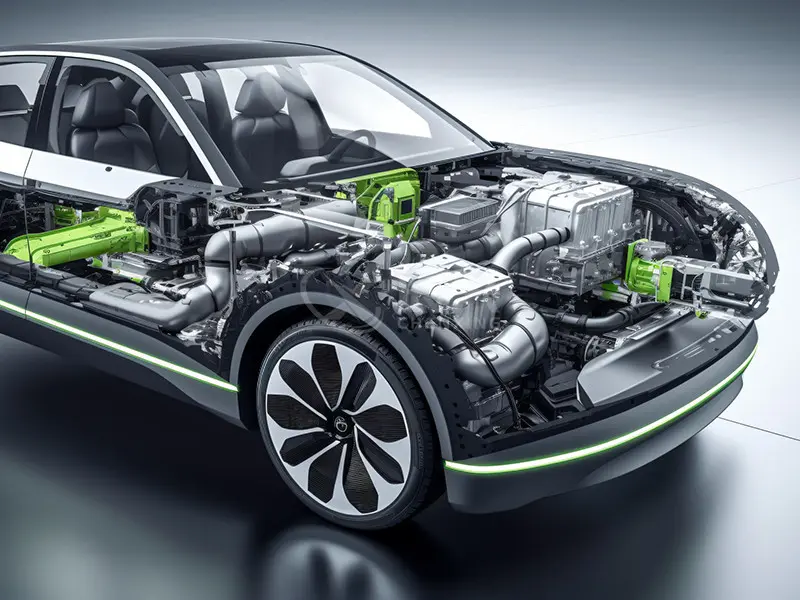
Lightweighting materials designed to lower emissions in modern automotive structures.
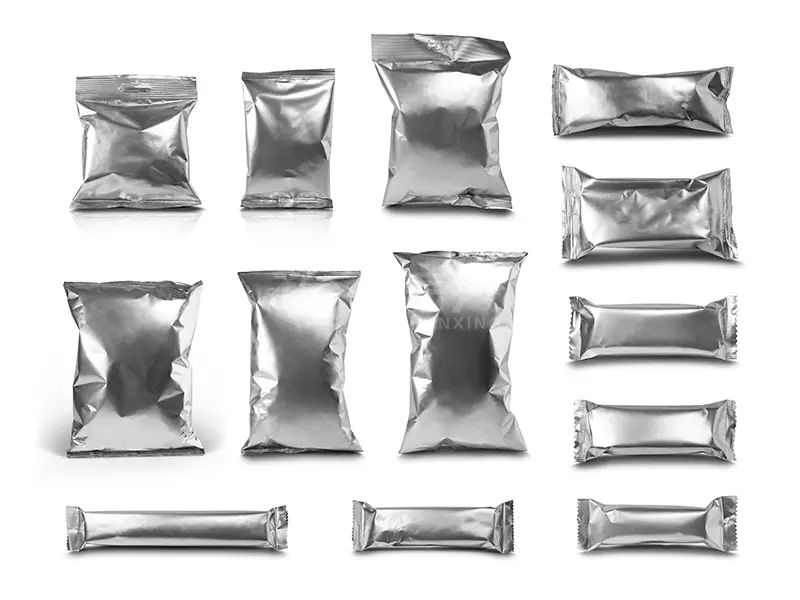
Formable, food-grade materials that provide barrier protection for packaging.

Providing thermal and electrical conductivity for consumer electronics and heat sinks.

High-strength alloy systems engineered to perform under extreme pressure.
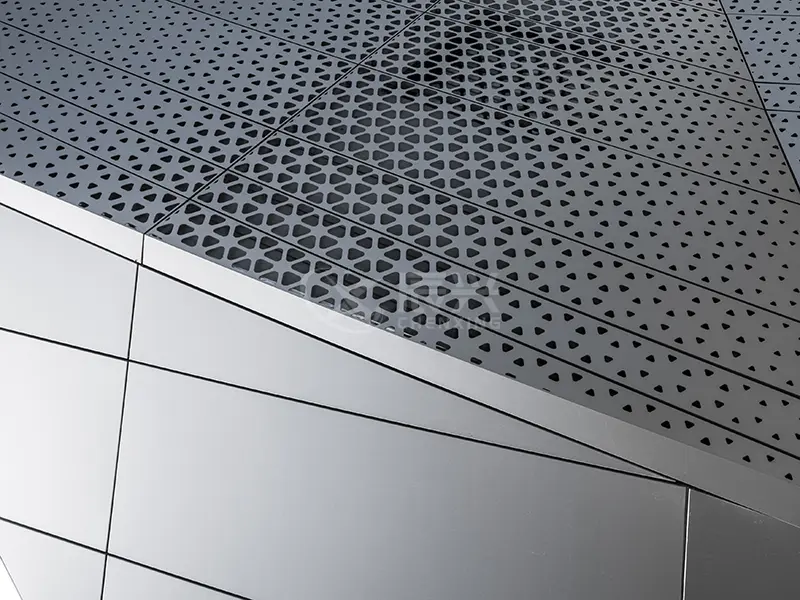
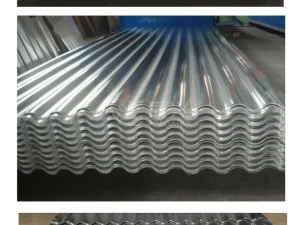
Corrosion-resistant panels and profiles built for facades and framing.
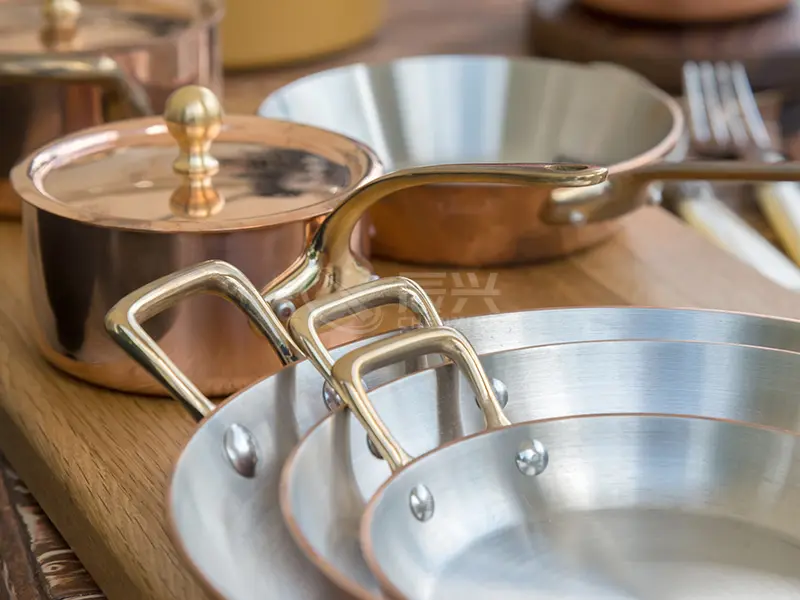
Aesthetic, durable surface finishes applied to home appliances.
The global aluminum market is changing due to updates in environmental policy, energy efficiency, and high-performance design requirements. Procurement teams should monitor these three trends:
Reducing emissions is a priority for modern supply chains. Leading manufacturers are investing in smelting powered by renewable energy, like hydropower, and expanding secondary recycling systems. Sourcing low-carbon metal helps global enterprises meet their carbon reduction goals.
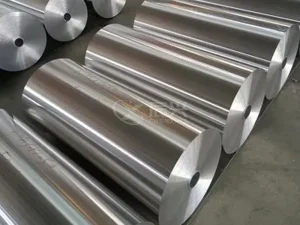
The growth of the EV market has increased global demand for high-purity battery foils (typically 1060, 1070, or 1235 alloys). These foils serve as current collectors in lithium-ion battery cells. They require precise thickness controls and high tensile strength to handle high-speed winding processes.
Manufacturers are shifting away from shipping standard mill-finished plates. Modern applications require processed components. Advanced slitting lines, continuous anodizing, and multi-color polymer coatings allow factories to ship materials that are ready for immediate assembly.
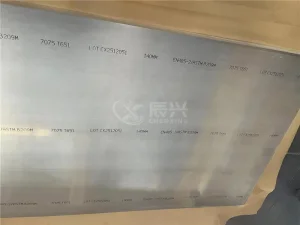
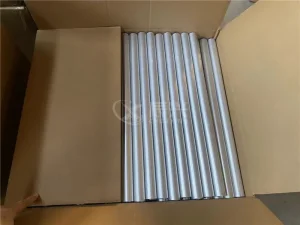
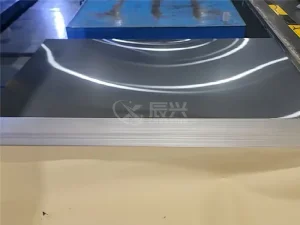
Export volumes of semi-finished plates are rising, supported by updated processing capacity at our mills.
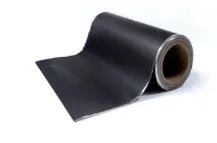
Technological insights into how battery-grade foils support high-energy density cells.
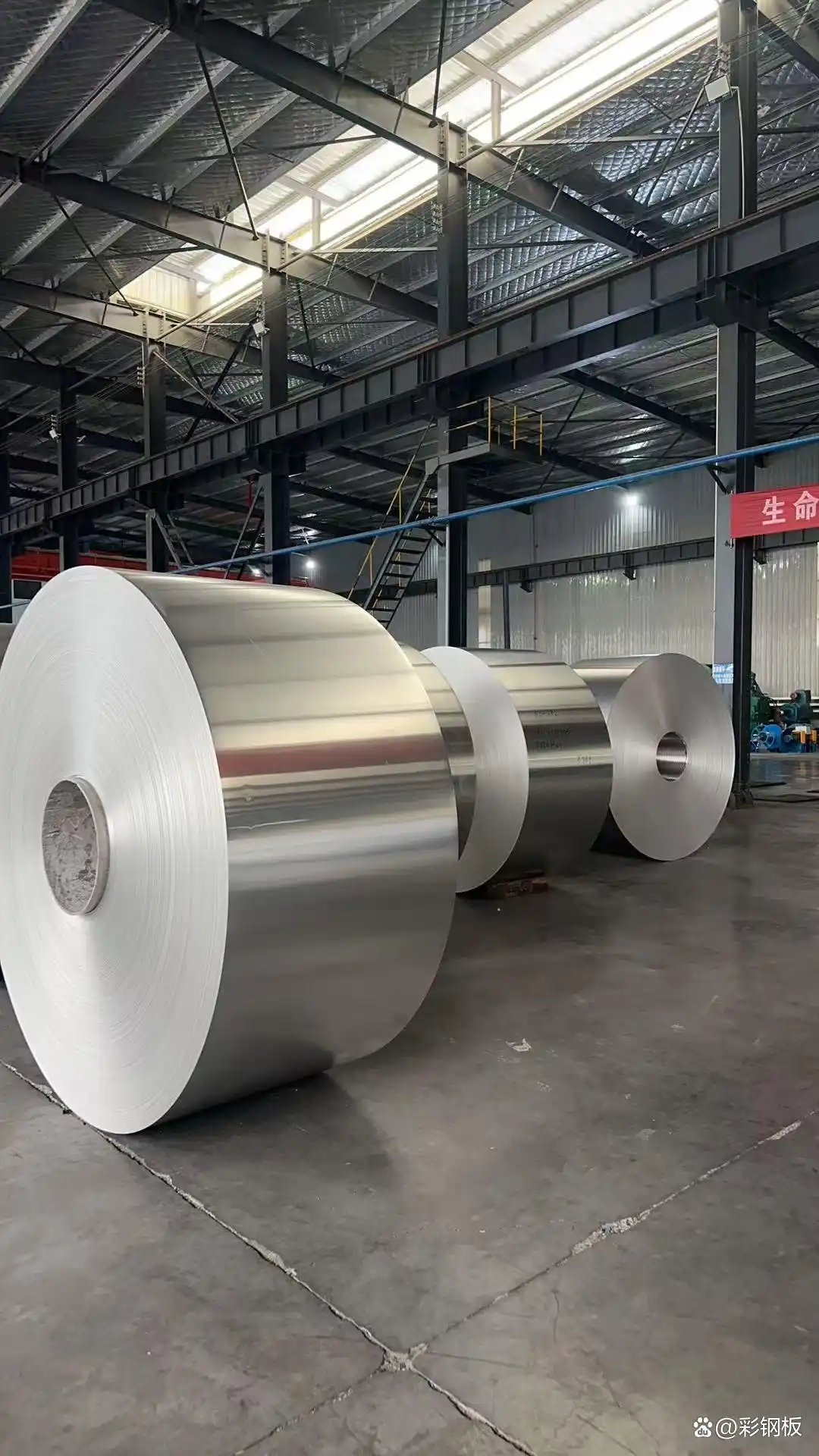
Analysis of global coil growth driven by renewable energy structures and eco-friendly construction.
Detailed answers to common questions about global procurement and quality control.
Standard production times run between 20 to 35 days, depending on the alloy class, temper requirements, and volume. Custom alloy adjustments or specialized surface finishes may extend the timeline. Shipping times vary by destination, and we provide clear updates from the initial cast to final delivery.
Aluminum coils and foils are sensitive to moisture oxidation. We use professional export packaging, including heavy-duty moisture barriers, desiccant packs, hardboard edge protection, and steel band securing on solid wooden pallets. This protection keeps the metal clean and dry during transit.
Every shipment undergoes regular quality checks. We conduct chemical composition analysis using optical emission spectrometers, mechanical testing (tensile strength, yield point, elongation), surface quality checks, and dimensional tolerance confirmation. Test certificates are provided with every delivery.
Yes. Our processing lines can adjust metallurgical compositions within limits to control mechanical attributes. We process various tempers from fully annealed soft O to fully hardened H18, and heat-treated conditions like T6 for structural alloys.
We use a structured 8D problem-solving process. If a quality issue is reported, our engineering team responds within 24 hours to contain the material, analyze the root cause, and implement corrective actions. This systematic approach ensures issues are resolved and prevented in the future.
Supporting diverse applications, from structural corner protection to micro-electronics.
Get in touch with our engineering team for chemical reports, dimension tables, and volume pricing. We provide comprehensive project quotes within 24 hours.