Direct from verified ISO-compliant manufacturing facilities. High purity, tight tolerance specifications, and robust surface processing capabilities.
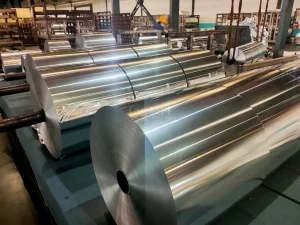
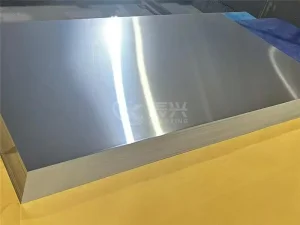
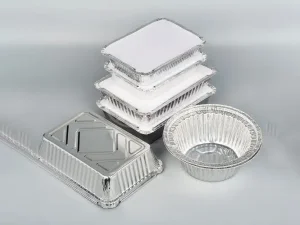
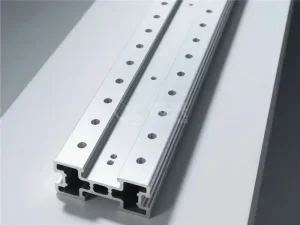
The global industrial metals sector is undergoing structural change driven by decarbonization initiatives and engineering requirements for lightweight materials. At the heart of this transition is the aluminum sheet ("Alu sheet"), a core component across transportation, industrial machinery, architectural structures, and clean energy systems.
Engineers and procurement executives look beyond simple unit-cost parameters. Real efficiency depends on structural integrity, precision chemical compositions, and low scope-3 emissions. Global factories are transitioning to secondary smelting practices (reclaimed alloy materials) and green electricity inputs (such as hydropower-driven electrolysis) to reduce the carbon footprint of structural coils and sheets.
Standard grade series (such as 1xxx and 3xxx) remain dominant in packaging and thermal applications. However, alloy groups like 5xxx (primarily Al-Mg alloys like 5754 and 5083) are seeing increased demand due to their intergranular corrosion resistance in marine environments and high tensile strength in battery enclosures for electric vehicles (EVs).
These trends shape procurement criteria. When purchasing aluminum sheets directly from Chinese factories, buyers look for suppliers who provide comprehensive metallurgical tracing, strict dimensional control, and global certification compliance (such as EN, ASTM, and DIN standards).
Procuring raw aluminum at a global enterprise scale requires balancing material purity, pricing strategies, and logistical reliability. Standard spot purchasing leaves corporations vulnerable to market volatility. Modern sourcing executives focus on multi-tier supplier validation, factory QA processes, and regional standardizations.
High-volume buyers prioritize facilities that run continuous casting and hot rolling configurations. These methods ensure isotropic mechanical properties throughout the coil length. This structural uniformity reduces processing downtime during high-speed stamping, laser cutting, and deep-drawing processes on the customer’s shop floor.
Our operational metrics reflect established experience in precision metallurgical supply chains. We support global clients with engineered material quality and responsive technical support.


Different industries require specific chemical and physical traits from aluminum materials. Below is an overview of how these alloys are engineered to meet specialized industrial needs.
5xxx series alloys (such as 5754 and 5083) are essential for structural frames, cargo beds, and marine bulkheads due to their strength-to-weight ratio and corrosion resistance. Using lightweight sheets directly reduces vehicle fuel consumption and increases EV range.
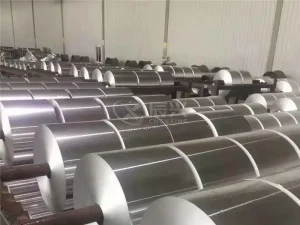
Specialized high-purity foils and strips (including 8011 and 1235) offer barrier protection against light, moisture, and gases. These properties are critical for pharmaceutical blister packs, food containers, and sterile barrier systems.
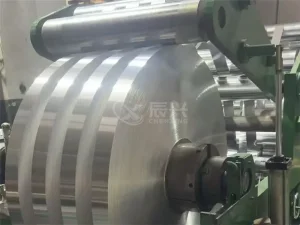
High thermal and electrical conductivity makes 1xxx series alloys (1050/1100) suitable for heat sinks, capacitor casings, and electromagnetic shielding. Precision-slit coils support automated surface mount technology (SMT) production lines.
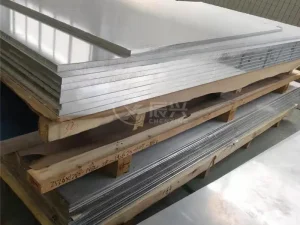
Structural components utilize high-strength precipitation-hardened alloys. Heavy plate manufacturing meets strict internal structure testing standards (such as ultrasonic porosity scanning) to ensure reliability under extreme stress conditions.
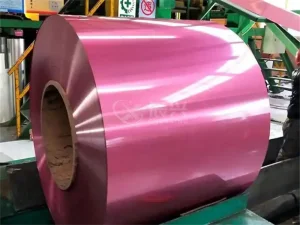
3003 and 5005 sheets are used for building facades, curtain walls, and roofing structures. Pre-treated coatings, such as polyester (PE) or polyvinylidene fluoride (PVDF), protect the underlying metal from environmental wear and UV exposure.
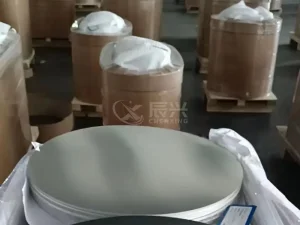
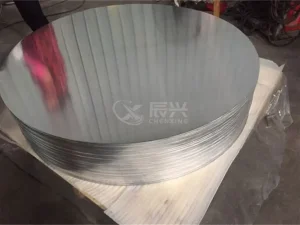
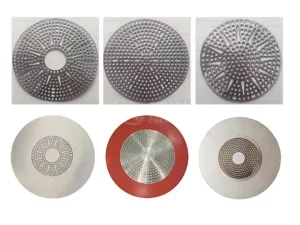
Circle elements made of 1050 and 3003 alloys are manufactured for deep-drawing operations. These materials distribute heat evenly and can be bonded with induction-ready stainless steel bases for modern cookware designs.
Global logistics and regional standards can complicate raw material imports. Effective sourcing requires aligning Chinese production practices with local specifications in the target market, such as ASTM B209 in North America, EN 485/573 in Europe, and JIS H4000 in Japan.
Reliable aluminum suppliers provide mill test certificates (MTC) detailing the exact chemical composition (Si, Fe, Cu, Mn, Mg, Cr, Zn, Ti) and mechanical behavior (tensile strength, yield strength, elongation percent). These parameters ensure chemical tracing conforms to requirements like RoHS, REACH, and FDA rules for food-contact surfaces.
Additionally, modern supply chains require formal quality dispute mitigation procedures. Our 8D response model provides structure for tracking issues, analyzing root causes, and implementing preventative actions to minimize disruptions on your production lines.
The next generation of aluminum production centers on digital manufacturing and sustainable processes. Leading mills use real-time sensors to track thickness profile deviations down to a micron level, ensuring consistent flatness across large coils.
Simultaneously, the industry is working to establish closed-loop recycling networks. Collaborating with customers to reclaim scrap aluminum reduces energy consumption by up to 95% compared to refining primary aluminum. Developing high-strength, low-carbon alloys will remain a key priority for B2B procurement strategies moving forward.
Key information to address common technical and logistical questions during the B2B procurement process.
Stay informed on global metal markets, emerging technology, and production trends directly affecting supply chains.
Monitoring supply dynamics and shipping capacities to maintain stable lead times for global partners.
Read ArticleAn analysis of specialized thin-gauge foils for lithium-ion battery collectors in electric vehicles.
Read ArticleEvaluating the shift toward secondary aluminum alloys and low-emission manufacturing models.
Read ArticleContact our engineering and sales teams with your alloy grades, dimensions, tempers, and volume requirements. We will provide a detailed proposal within 24 hours.
Supporting deep-drawing, structural fabrication, and barrier packaging applications with tailored alloy configurations.