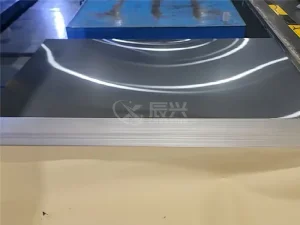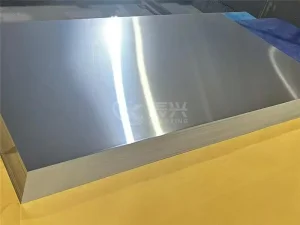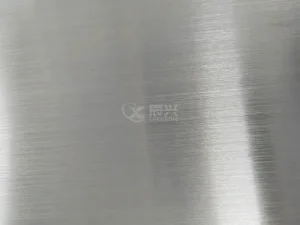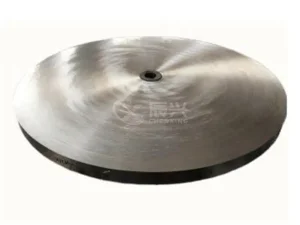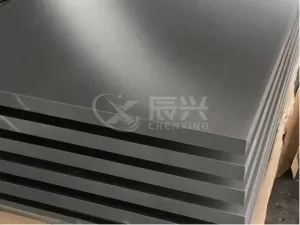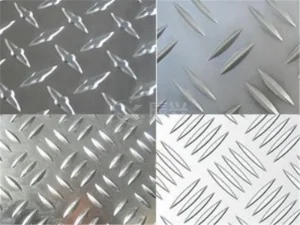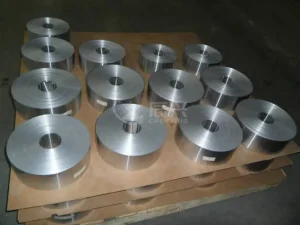
Explore our foundational range of highly calibrated aluminum sheets, plates, and structural foils engineered to withstand demanding environments.
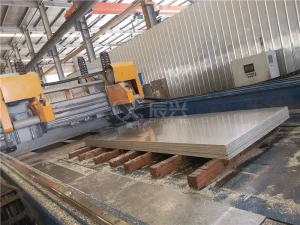
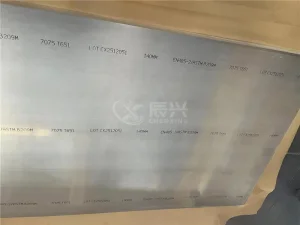
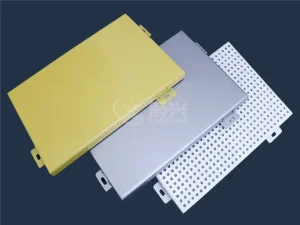
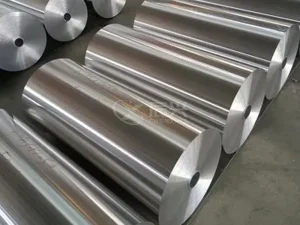
Selecting a global partner to buy Al sheet products requires an understanding of advanced material sciences. The industrial term "Al Sheet" encompasses an array of aluminum alloys, mechanical tempers, and surface finishes designed for specific stress limits, exposure profiles, and thermodynamic environments. Professional buyers do not just acquire raw metal; they procure custom-engineered substrates certified to global performance parameters. As structural demands shift toward lighter, stronger, and more sustainable designs, manufacturers must demonstrate mastery over alloy chemistry, precision rolling tolerances, and advanced heat treatments.
Premium aluminum sheet manufacturing is governed by strict compliance with international specifications such as ASTM B209, EN 485, and JIS H4000. Minor variations in chemical compositions, particularly with micro-alloying elements like Magnesium (Mg), Manganese (Mn), Chromium (Cr), and Zirconium (Zr), will lead to vast deviations in tensile strength, stress-corrosion cracking resistance, and grain structural behavior during fabrication. Modern Chinese factories have integrated direct-reading spectrometers and smart chemical dosing systems into their refining processes, achieving precision within 0.001% of elemental composition limits.
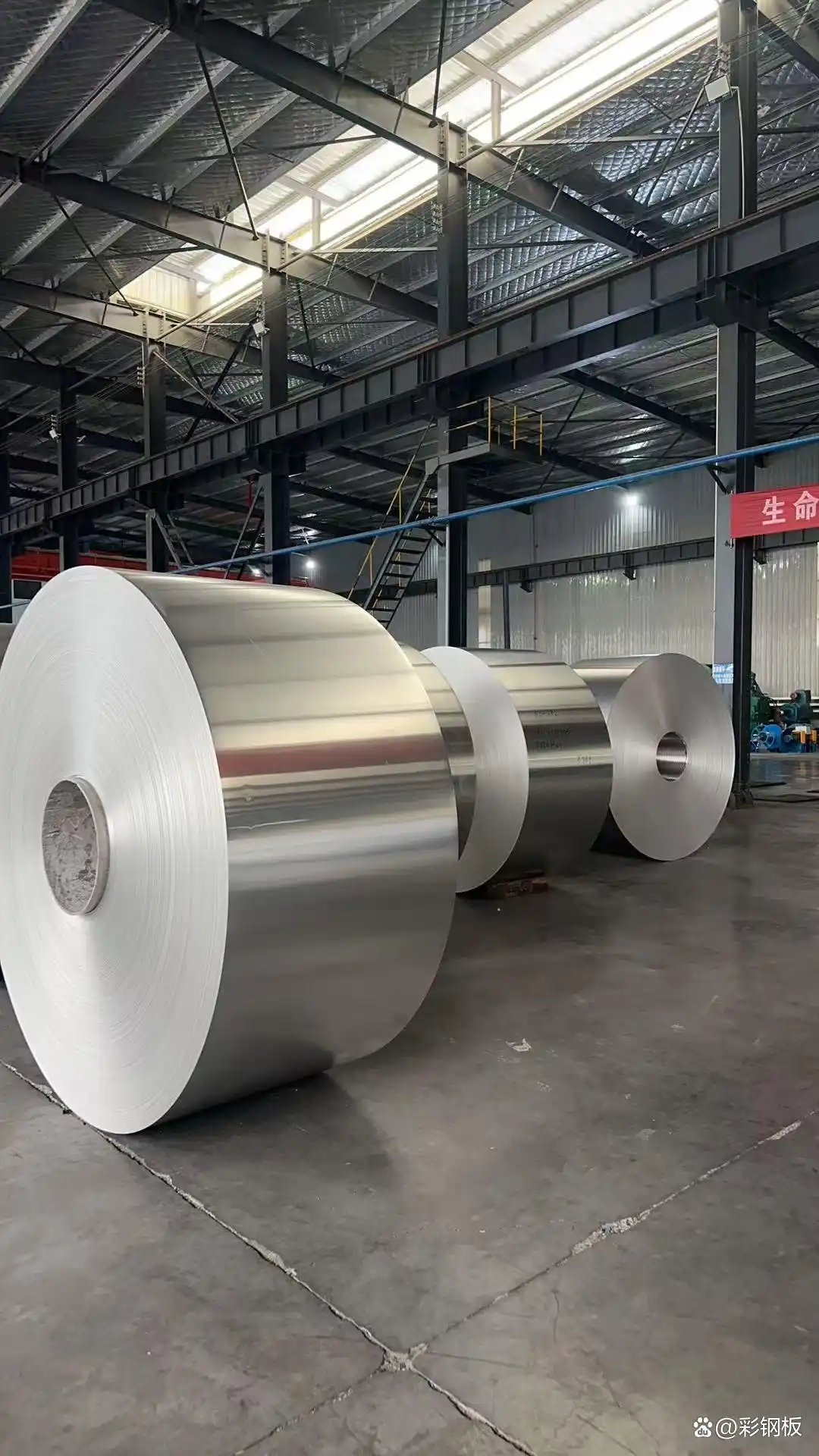
Our organization has spent over 20 years refining the process of producing high-performance aluminum sheets. We address the core vulnerabilities commonly associated with lower-grade imports: lack of thickness consistency, surface oxidation, structural deformation, and internal micro-cracks. Through advanced continuous casting and cold-rolling technologies, we control every critical phase of manufacturing:
The global dominance of Chinese aluminum factories is not merely a product of production volume, but rather the result of structural supply-chain integration. By locating processing plants adjacent to major primary smelters and international shipping terminals, Chinese manufacturers minimize transport costs and mitigate carbon-emissions footprints from cross-province raw material hauling. Additionally, deep investments in state-of-the-art European cold-rolling mill machinery have brought tolerance capabilities down to levels that traditional domestic suppliers cannot cost-effectively replicate.
In addition to machinery, Chinese factories leverage deep pools of localized metallurgical engineers. This highly specialized labor force manages complex processes like solution heat treatments, artificial aging, and uniform grain-refinement techniques. From a cost-performance perspective, the dense industrial clusters in regions such as Henan, Shandong, and Jiangsu allow for quick access to secondary processes like anodizing, mechanical embossing, and protective film lamination, resulting in a single point of dispatch for all custom aluminum products.
Industrial aluminum serves as the backbone across key sectors. Below is a breakdown of optimized applications and structural requirements.
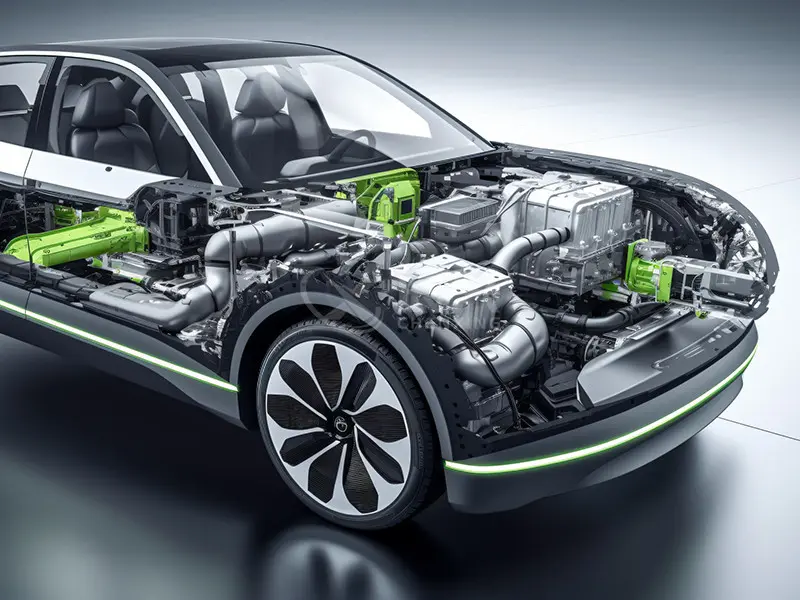
High-strength sheets and plates optimized for railway carriages, automotive chassis parts, and marine hulls where mass reduction translates to immediate fuel efficiency and lower emissions.
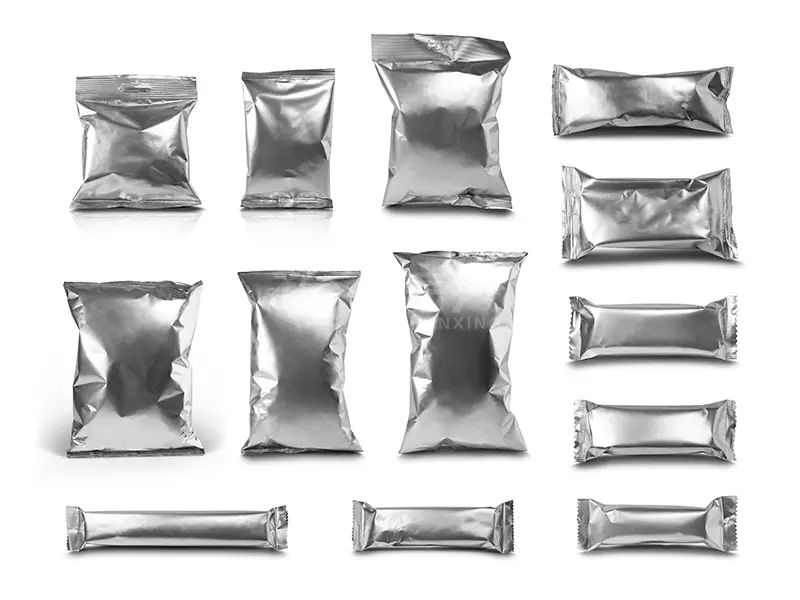
Ultra-thin barrier foils and sheets designed to preserve pharmaceutical items and food products, characterized by excellent formability and resistance to chemical corrosion.

Highly conductive alloys utilized in heat sinks, EV battery cells, and smartphone casings that require optimal thermal dissipation and precision structural designs.

Exceedingly high-strength alloys like the 7xxx series that maintain structural integrity and fatigue resistance under extreme cryogenic temperatures and aerodynamic pressures.
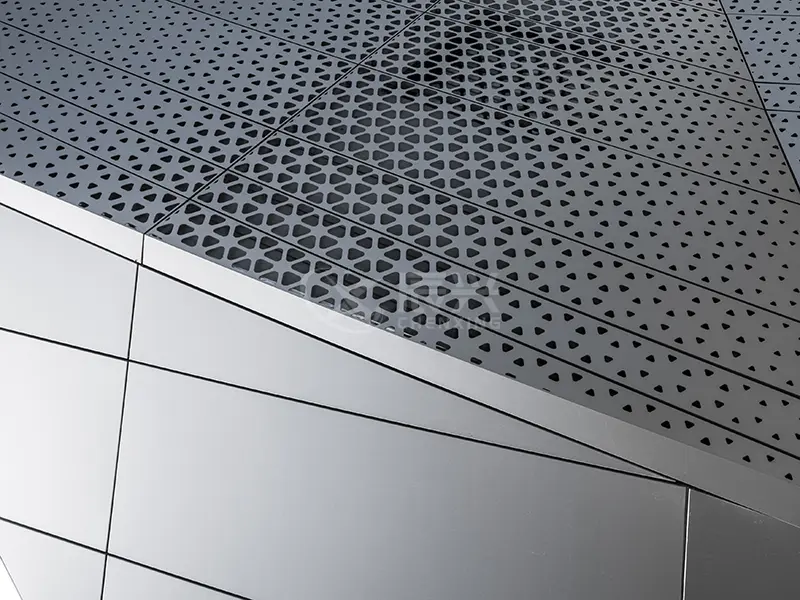
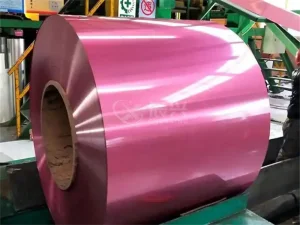
Weatherproof, color-coated, and embossed panels engineered for exterior building facades, modern roofing assemblies, and long-lasting window profiles.

Brushed and mirror-finished panels that blend aesthetic design with structural utility, resisting fingerprint marks, surface scuffs, and thermal expansion.
Modern engineering demands more than off-the-shelf catalog selections. True value resides in configuring custom, macro-level material solutions tailored to specific operating conditions:
In offshore and ship-building environments, mechanical stress combined with saline exposure causes accelerated corrosion. Standard steel components rust, while lower-quality aluminum suffers from exfoliation. The solution lies in applying 5083 H116/H111 aluminum sheets. The high magnesium content, coupled with strict control of the cold-work hardening phase, stabilizes the alloy's microstructure, preventing the precipitation of continuous beta-phase networks along the grain boundaries. This eliminates the risk of sudden structural failure in vessel hulls and drilling platforms.
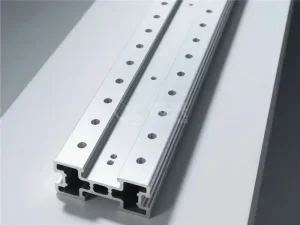
The rapid growth of electric vehicles demands lightweight battery pack casing systems that offer both fire containment and impact protection. Extruded profiles paired with high-conductivity battery-grade aluminum foils (e.g., alloy 1060 or 1235) provide the necessary electrical insulation and high thermal conductivity. The lightweight housing structure ensures that the total curb weight of the EV is minimized, directly extending driving ranges while shielding critical cell modules from physical impacts.
In high-density industrial HVAC installations and building ventilation schemes, heat exchangers must offer high thermal transfer coefficients while resisting long-term atmospheric moisture. Applying hydrophilic-coated or polyester-coated color aluminum coils ensures high heat dissipation performance alongside robust corrosion protection, preventing dust accumulation and bio-film formation on HVAC cooling fins over decades of operation.
Enterprise procurement departments must design their RFQ procedures to target high-yield metallurgical properties rather than simply choosing the lowest bid. Key variables to include in procurement contracts include:
Collaborate directly with our engineering team to draft custom alloys, match specific tempers, and lock in competitive wholesale pricing. Expect a response containing detailed technical data within 24 hours.
Submit Inquiry NowStay informed about global aluminum market dynamics, innovative alloy developments, and supply chain adjustments.
Review our specialized architectural coils, mechanical strips, and heat-resistant foil solutions designed to fulfill demanding industrial needs.