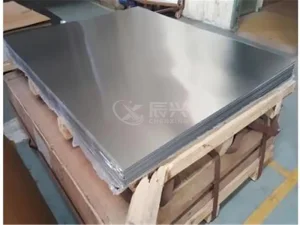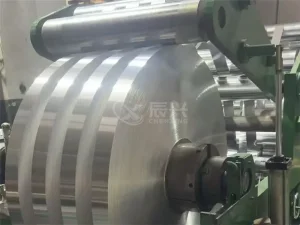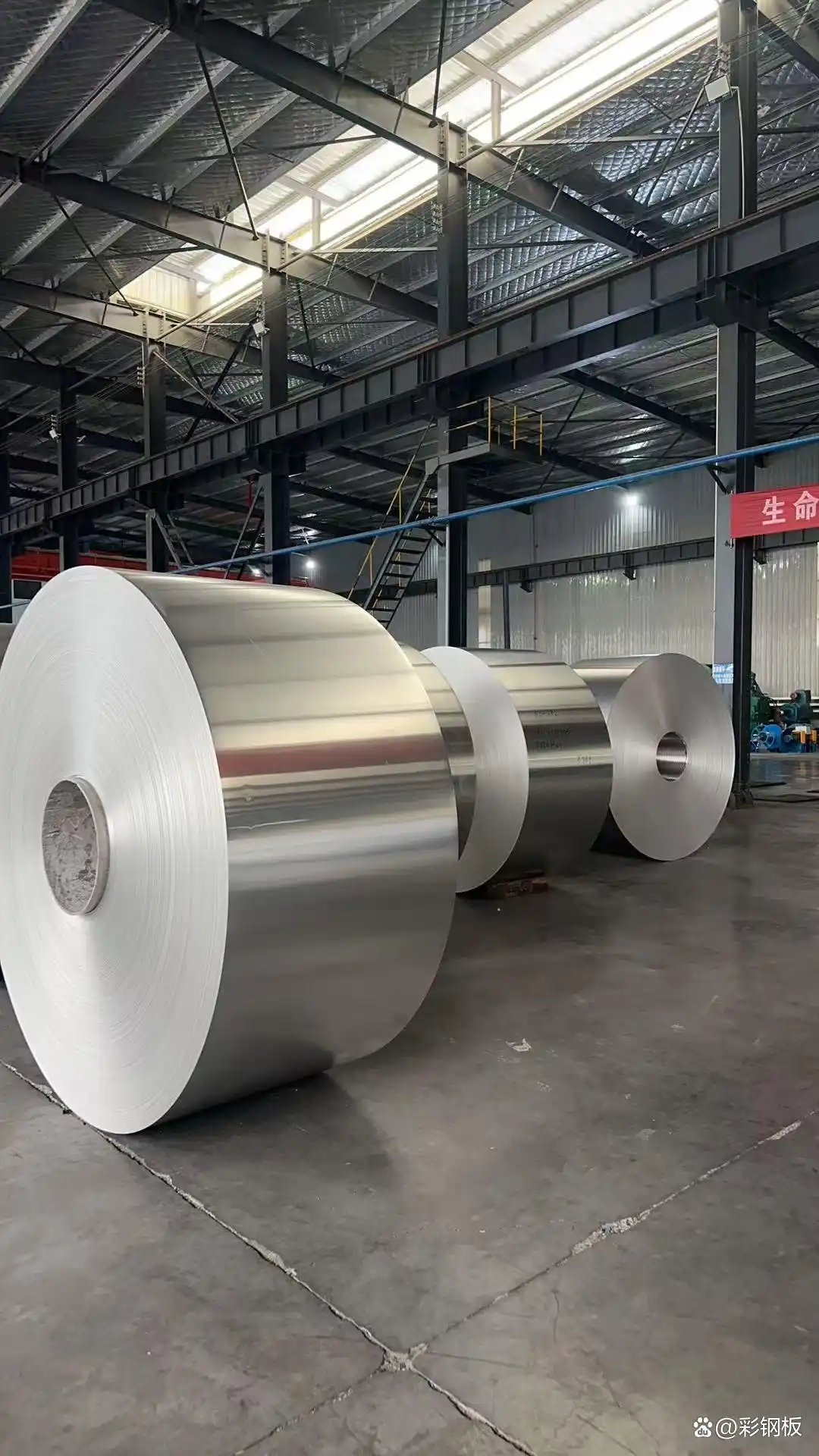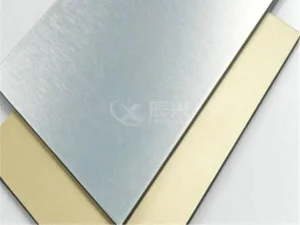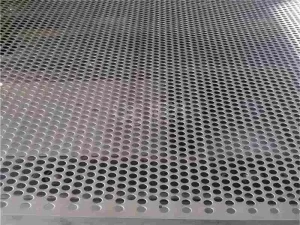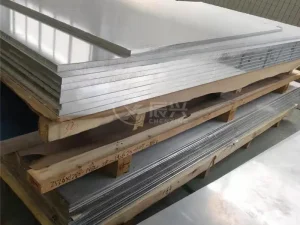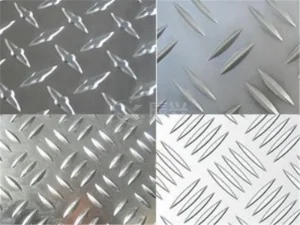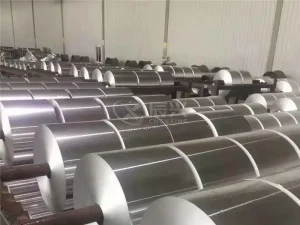
As a primary choice for heavy-duty structural applications, the 6082 Aluminum Sheet is classified under the Al-Mg-Si family (6xxx series). Over the past decade, this alloy has steadily replaced 6061 in many structural contexts across European markets, thanks to its significantly higher mechanical strength, outstanding machinability, and superior corrosion resistance in aggressive environments.
The metallurgical design of 6082 focuses on a precise ratio of Magnesium (Mg) and Silicon (Si), supplemented by Manganese (Mn). Manganese is the defining element in this alloy; it controls grain structure during recrystallization, resulting in a fine, uniform grain structure that translates directly into high fracture toughness and resistance to impact stress.
| Alloy | Si (Silicon) | Mg (Magnesium) | Mn (Manganese) | Fe (Iron) | Cr (Chromium) | Cu (Copper) | Al (Aluminum) |
|---|---|---|---|---|---|---|---|
| 6082 | 0.70 - 1.30 | 0.60 - 1.20 | 0.40 - 1.00 | Max 0.50 | Max 0.25 | Max 0.10 | Remainder |
Typically supplied in T6 (solution heat-treated and artificially aged) and T651 (stress-relieved by stretching) tempers, 6082 aluminum sheets provide a yield strength of up to 260 MPa and a tensile strength of 310 MPa. For structural components subject to dynamic load patterns, the T651 temper minimizes residual internal stresses, preventing deformation during complex CNC machining cycles.
Leveraging two decades of manufacturing leadership, our enterprise ensures that every batch of aluminum sheets complies with international quality benchmarks. Through state-of-the-art smelting and rolling installations, we run strict ultrasonic inspection algorithms to eliminate internal micro-porosity and inclusions, rendering our raw materials suitable for demanding sectors such as rail transit and maritime vessels.
The development of 6082 aluminum sheets is rapidly adapting to the imperatives of decarbonization and structural optimization. Our engineering research and development is currently focused on three major technical milestones:
By transitioning from traditional natural gas burners to clean-burning hydrogen during the ingot casting stage, we aim to reduce the scope 1 carbon intensity of our 6082 plates by up to 40% before 2030.
Adding precise micro-elements like Titanium (Ti) and Zirconium (Zr) refines the cast structure, enhancing overall weldability while avoiding heat-affected zone (HAZ) softening during high-energy laser beam welding.
We are establishing automated, alloy-segregated recycling loops with key strategic clients. This allows for high-yield conversion of process scrap back into aerospace-grade raw material, drastically reducing energy usage.
In an era of clean energy shifts and lightweight transport structures, 6082 aluminum sheets provide standard solutions across various industrial environments:
With outstanding corrosion resistance to salt spray, 6082 plates are extensively applied in catamarans, superstructures, offshore support vessels, and helidecks. They maintain mechanical integrity even when fully submerged.
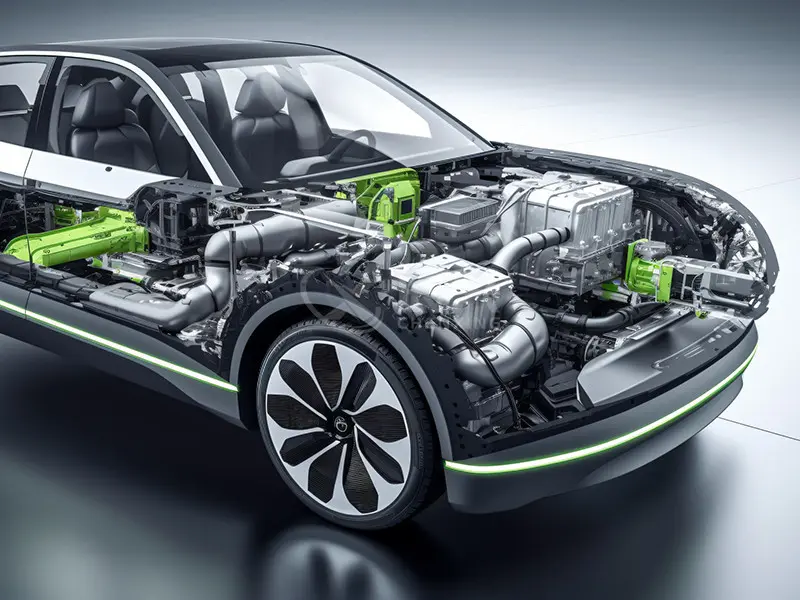
Used in commercial truck trailer chassis, crash box structures, and railway carriage side panels, the alloy absorbs impact energy efficiently while saving deadweight to maximize freight payloads.
Thanks to high structural rigidity and excellent anodizing properties, 6082 is widely selected for manufacturing robot arms, semiconductor tooling plates, mold bases, and optical mounting tables.
In our Chinese manufacturing hubs, we have fully integrated Factory 4.0 automation systems. Real-time control loops regulate rolling speed, billet pre-heating temperature, and emulsion spray rate, resulting in thickness consistency with tolerances tighter than standard European and ASTM norms.
We handle global supply chain risks through diversified logistics integrations. From automated storage and retrieval systems (ASRS) inside the factory floor to direct customs clearance portals at Qingdao, Shanghai, and Tianjin ports, we minimize dispatch delays. Our partnership networks guarantee stable raw material inputs and fixed shipping rates, keeping you insulated from spot-market price volatility.
Large engineering firms and OEMs require strict compliance and detailed documentation. When sourcing 6082 structural plates from our factories, you receive a full documentation package:
Full chemical analysis and physical testing verification per EN 10204 3.1 or 3.2, ensuring batch traceability back to the initial smelting ladle.
Advanced laser scanners monitor length, width, and diagonal squareness, confirming strict alignment with EN 485 dimensional tolerances.
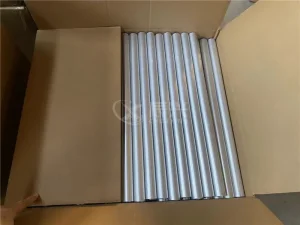
Coated with protective PE/Laser films on both sides and packaged in seaworthy wooden crates to prevent surface scratching during sea transit.
To support global distribution, we comply with strict regulatory frameworks. All materials are certified compliant with European REACH and RoHS rules, preventing hazardous heavy metals from entering your manufacturing processes.
We offer tailored trade financing, local warehousing partners in Rotterdam, Houston, and Singapore, and multi-currency billing options to simplify procurement for purchasing departments.
Fill out your detailed engineering requirements. Our certified metallurgy team will reply within 24 hours.