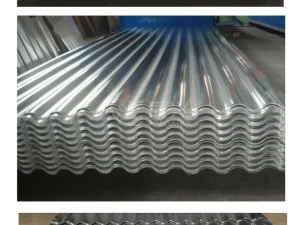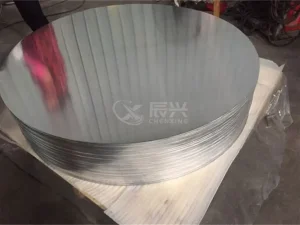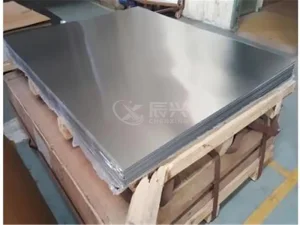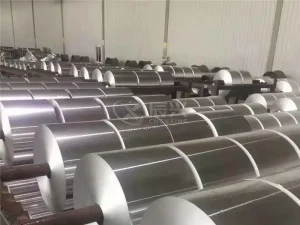
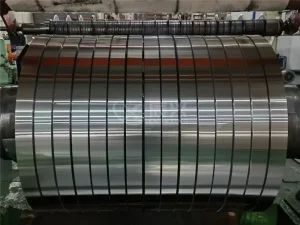
Optimized for cable wrap, electrical transformers, and heat exchange systems.
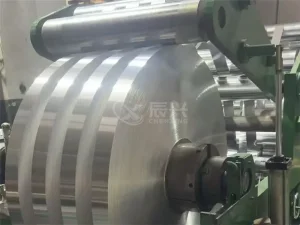
High-grade aluminum strips offering superior weldability for oil, gas, and water transport pipes.
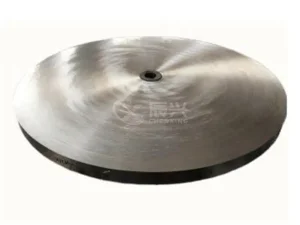
Durable, anodized corner strips tailored for coastal sub-zero climate protection.
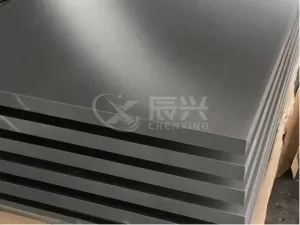
Structural alloy sheets engineered for maximum stress tolerance and mechanical fatigue resistance.


As one of the world's most aggressive adopters of sustainable technologies, Norway is currently transforming its industrial supply chains. From the maritime hubs in Aalesund and Bergen to the emerging gigafactories in Arendal and Mo i Rana, demand for highly precise, light-weight, and corrosion-resistant materials has skyrocketed. While Norway stands as an exporter of primary aluminum ingots due to its clean hydroelectric grid, the country is a net importer of high-precision semi-finished products such as slitted aluminum strips, coated micro-coils, and advanced composite sheets.
For modern Norwegian procurement officers, standard commodity grades are no longer sufficient. Supply-chain strategies mandate adherence to strict environmental metrics (like Carbon Border Adjustment Mechanism or CBAM ready manufacturing) alongside zero-defect processing. Aluminum strips are widely integrated in subsea fiber-optic armor shielding, high-voltage transformers, marine-grade heat exchangers, and architectural cladding designed to survive heavy Arctic snow loads. Selecting the right global manufacturing partner requires deep knowledge of mechanical stress limits, alloy chemistry, and surface finishes.
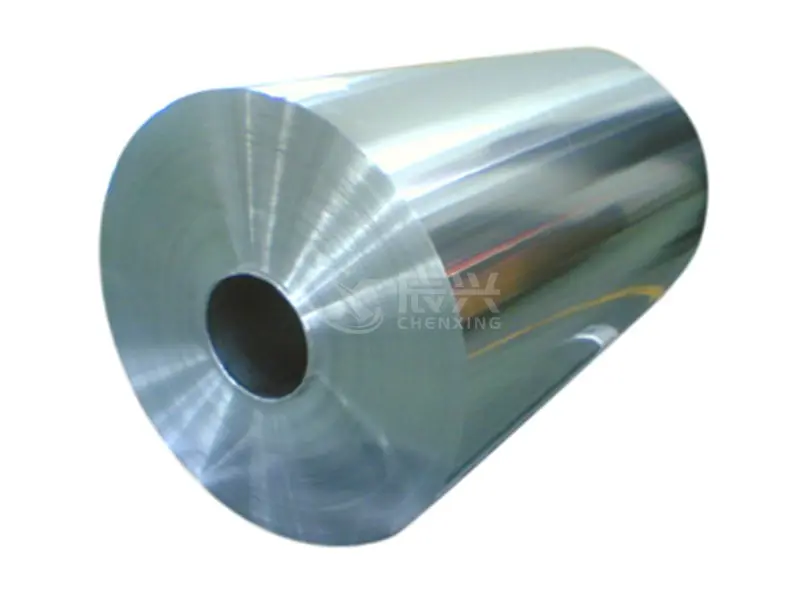
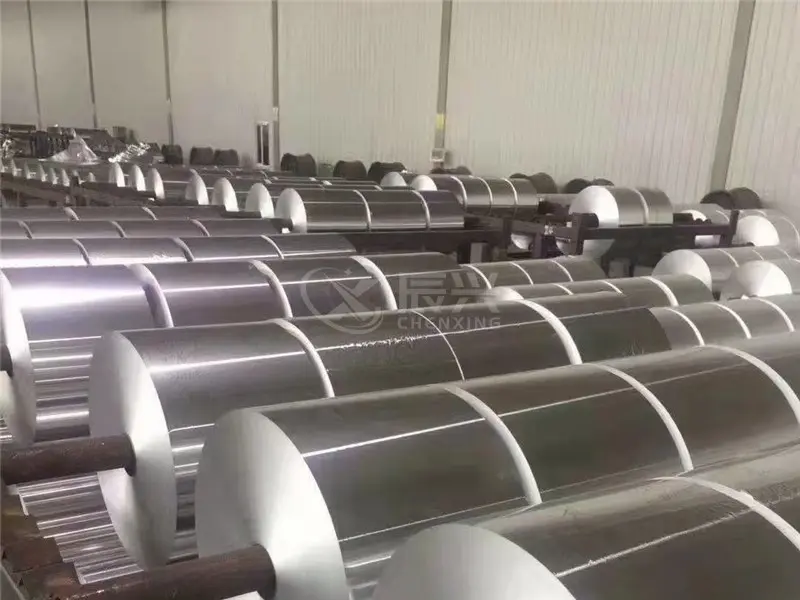
The global aluminum supply chain relies heavily on raw material cost-effectiveness coupled with top-tier precision processing technology. China remains the center of advanced precision slitting and cold rolling. Our state-of-the-art facility bridges the gap by offering Norwegian distributors and manufacturers direct access to factory pricing with rigorous quality controls that align with EN standards.
To prevent galvanic corrosion and stress fractures in cold marine environments, the microstructural integrity of aluminum strips must be flawless. From cast slab heating to final tension leveling, our production lines track every variable. This ensures the uniform mechanical properties essential for automated stamping, deep drawing, and roll-forming processes on Norwegian assembly lines.
Norway's unique geography presents demanding operational environments. High salinity, moisture levels, and prolonged freezing temperatures accelerate material degradation. Therefore, choosing the correct alloy family is crucial:
| Alloy Family | Common Temper | Tensile Strength (MPa) | Yield Strength (MPa) | Typical Applications in Norway |
|---|---|---|---|---|
| 1050 / 1060 | O, H14, H24 | 60 - 140 | ≥ 35 | Transformer windings, EV busbars, lighting reflectors |
| 3003 | H14, H18, H24 | 140 - 200 | ≥ 110 | HVAC fins, heat shields, automotive cooling, composite piping |
| 5052 / 5754 | O, H32, H34 | 190 - 280 | ≥ 80 | Marine cable sheathing, offshore structural panels, liquid tankers |
| 7075 | T6, T651 | ≥ 540 | ≥ 480 | Aerospace structures, marine tooling, high-load machinery components |
The performance of an aluminum strip on high-speed automated equipment is largely determined by its edge quality. During slitting, standard cutters can introduce micro-burrs, edge waves, and dimensional variations. Our factory utilizes high-precision rotary shear cutters monitored by machine-vision AI inspection systems. This system dynamically measures width tolerances down to ±0.05 mm and detects surface defects in real time.
Furthermore, our automated tension leveling guarantees flat strips with minimal residual stress. This is particularly important for Norwegian transformer and coil winders, where even minor edge burrs can puncture insulating paper or film, leading to catastrophic short circuits.
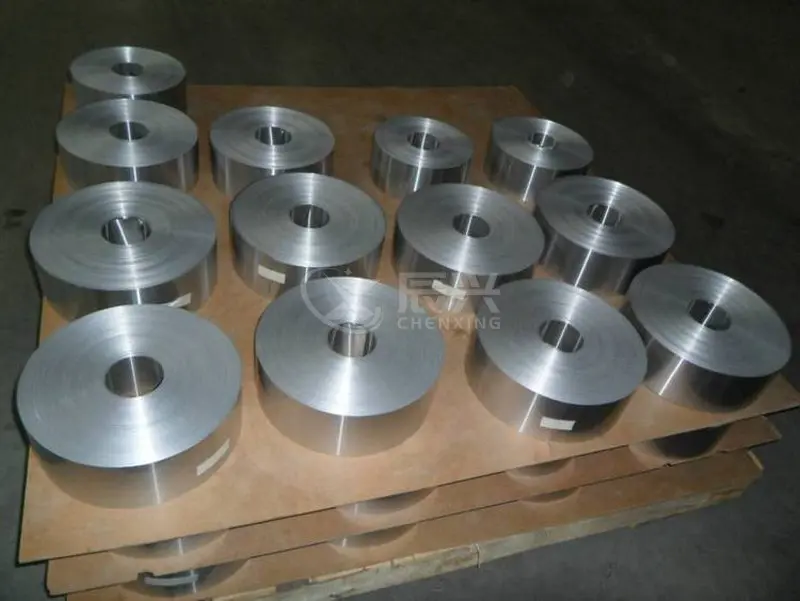
Shipping thin-gauge metal across oceans to ports like Oslo, Bergen, or Trondheim requires robust protective measures. Humidity and condensation during maritime transport can cause surface oxidation (white rust). We address this by packaging our coils with moisture-resistant barriers, silica gel packs, and heavy-duty steel strapping on reinforced wooden pallets.
Furthermore, our documentation processes support smooth customs clearance. We provide full chemical trace certifications, tensile test reports, and EN 10204 3.1 inspection certificates with every shipment to ensure compliance with European industrial standards.
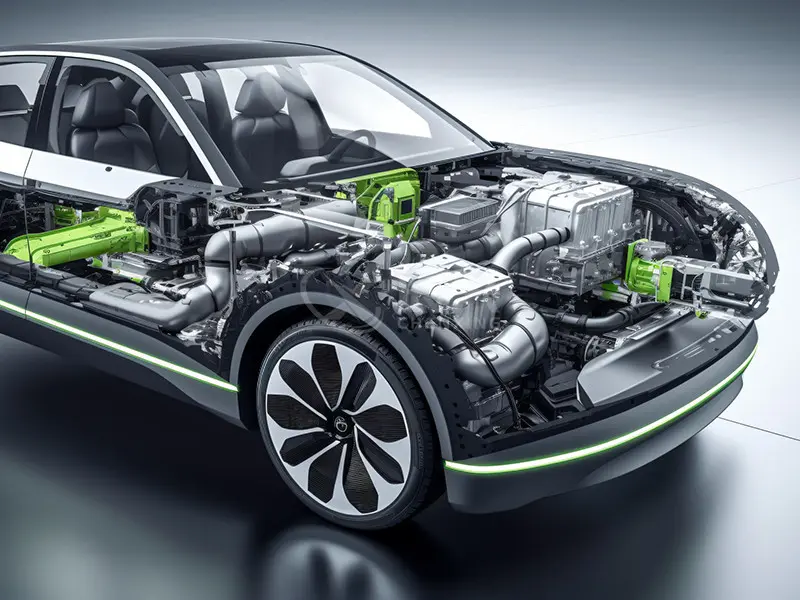
Lightweight alloys engineered for electric vehicle chassis, marine vessels, and railway carriages.
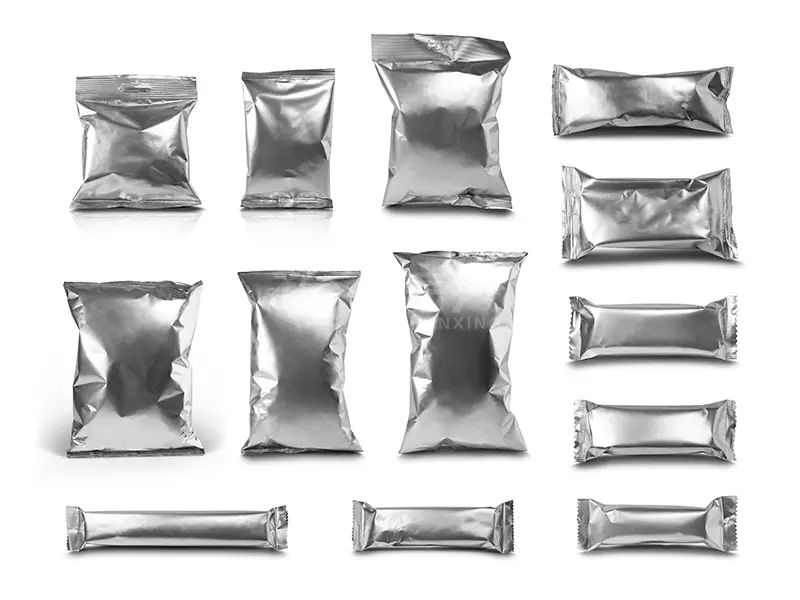
Food-grade, barrier-resistant foils and strips for long-shelf-life packaging.

High-conductivity alloys for micro-conductors, PCBs, and shielding enclosures.
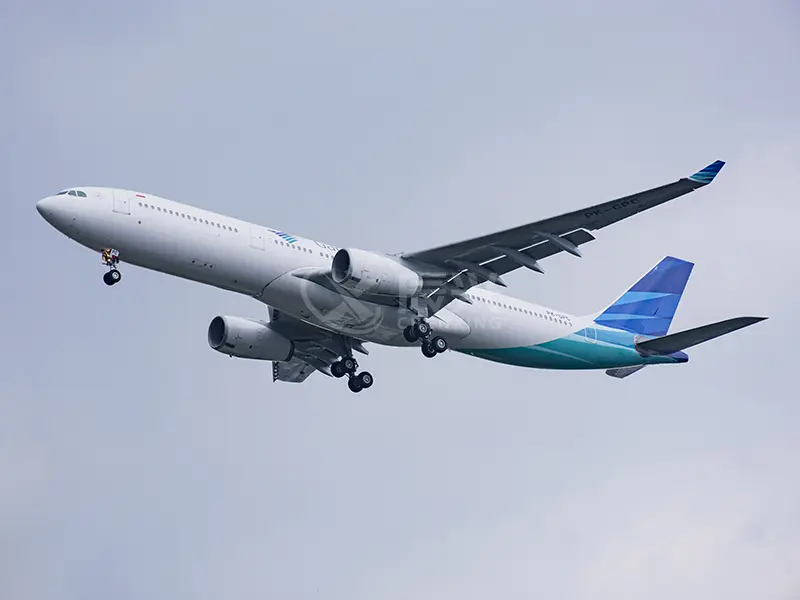
Military and aerospace-grade structural alloys with high fatigue resistance.
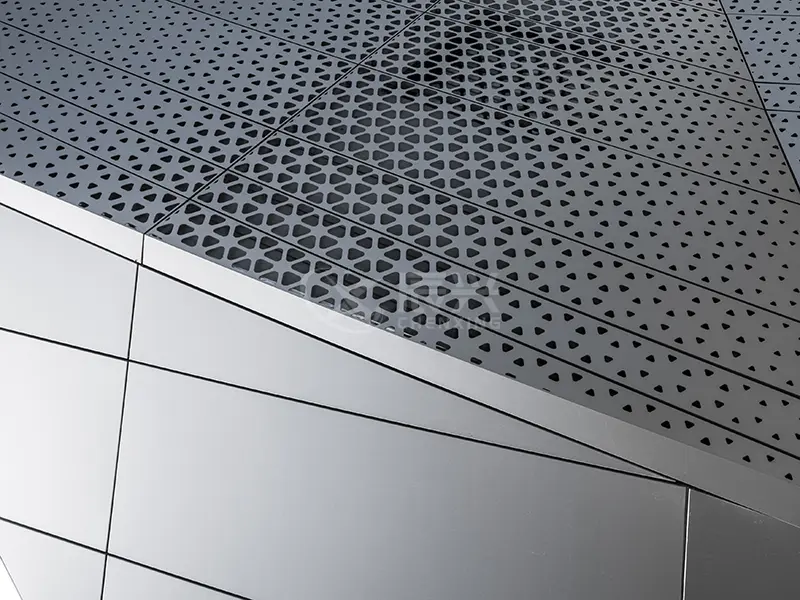
Anodized materials for exterior facades, roofing systems, and window frames.
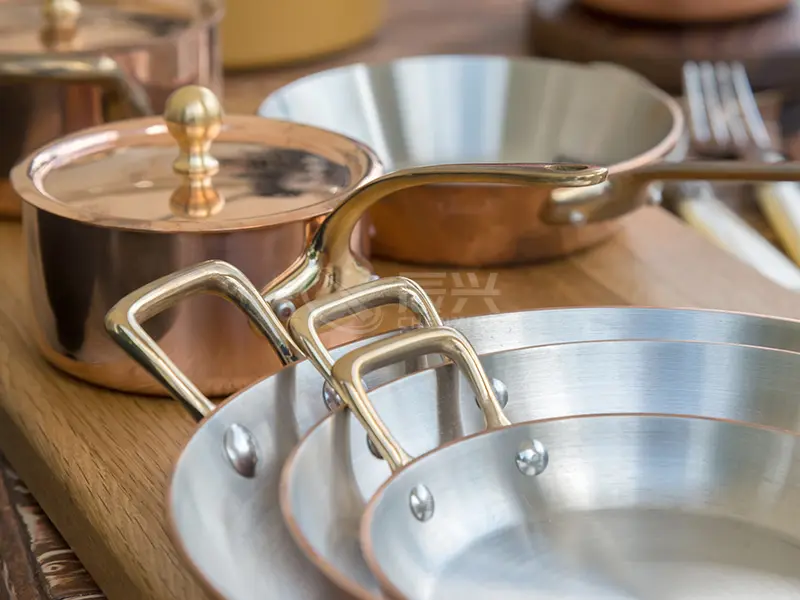
Excellent forming materials for refrigeration panels, cookware, and trim.
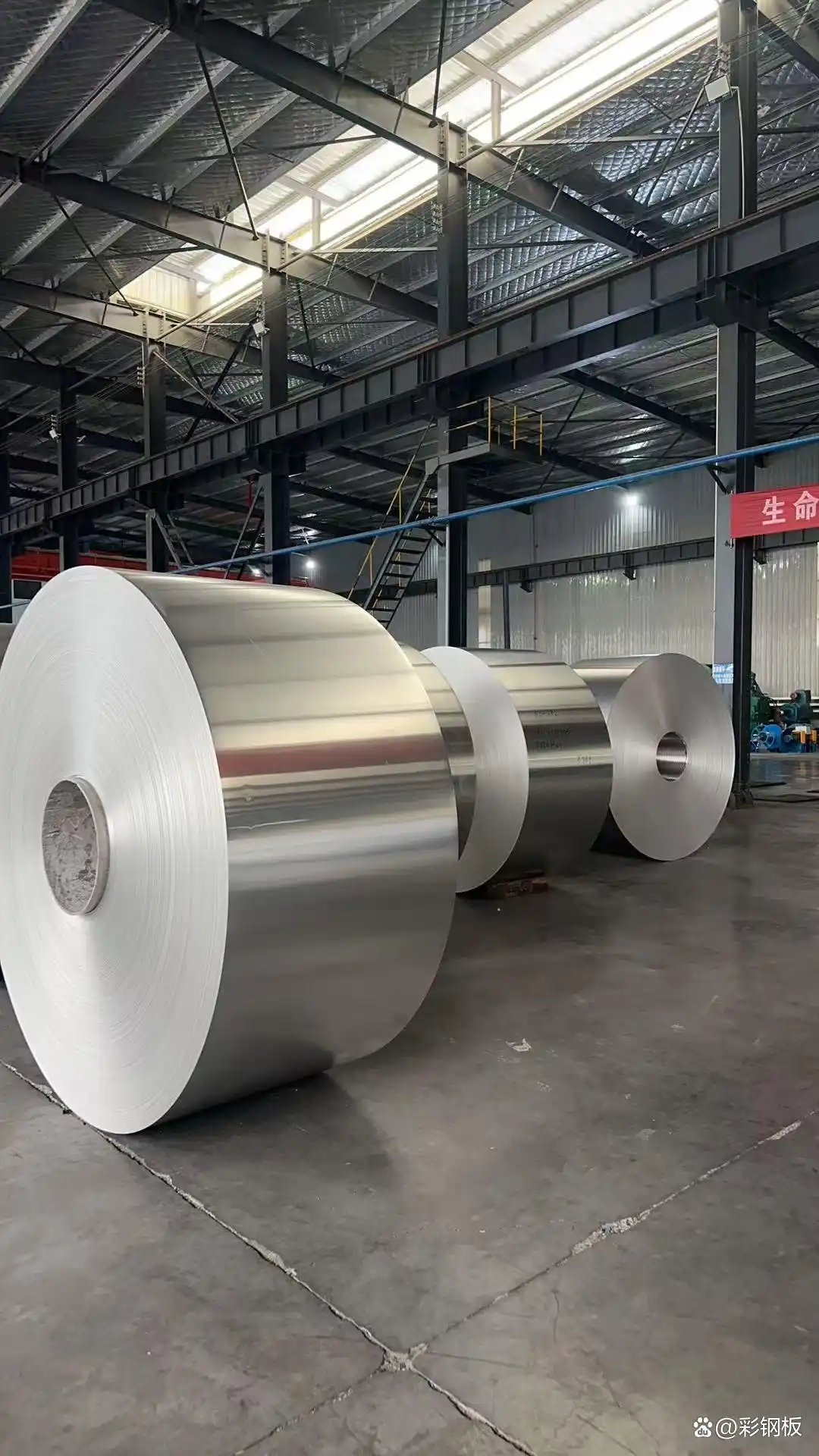
Typically, production takes 15 to 25 days depending on the alloy class and slitting specifications. Shipping transit time from China ports (like Qingdao or Shanghai) to major Norwegian ports such as Oslo or Bergen ranges from 30 to 45 days. We also offer expedited air freight for trial batches.
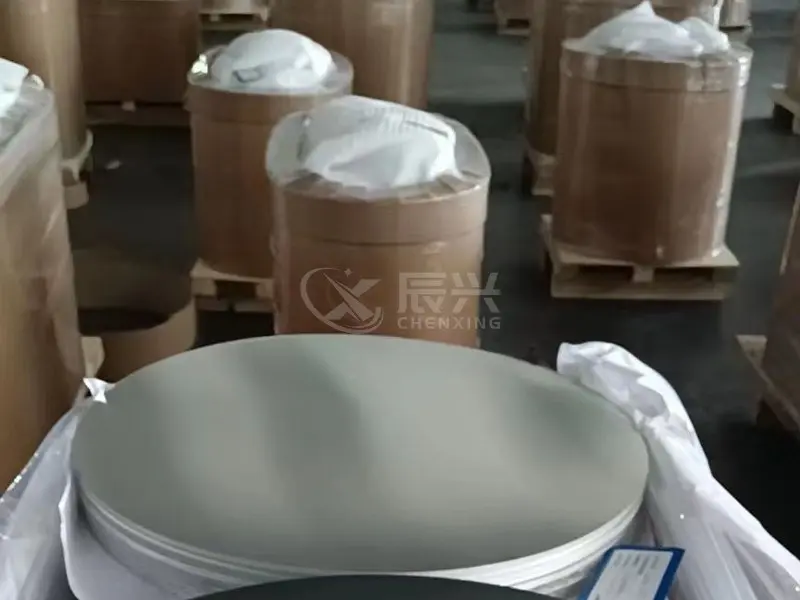
Every coil pack is wrapped in a multi-layered plastic film barrier, fitted with active desiccant packs, and encased in heavy-duty cardboard and steel straps. This prevents sea spray, coastal humidity, and temp fluctuations from introducing corrosion during maritime transit.
Yes. All of our aluminum strips are manufactured to comply with EN 485, EN 573, and EN 10204 3.1 standards. We provide material chemical analysis, mechanical property test certificates, and trace records with every shipment.
For custom dimensions or specific alloys like 5754 or 5083, our MOQ is generally 3 to 5 metric tons. However, we can supply smaller test runs depending on current mill runs and raw material stock. Contact our sales department to discuss your exact requirements.
Through precise control of the cold rolling reduction ratio and customized annealing heat treatments (such as H24 or soft O state). This guarantees uniform grain structures, optimized elongation values, and balanced yield-to-tensile ratios.
Yes. We supply 1060 and 1070 purity aluminum strips with customized surface finishes that minimize laser beam reflection. Additionally, we control surface oils and contaminants to prevent weld defects like porosity or micro-voids.
Absolutely. Our industrial rotary slitters produce precision-conditioned edges. We offer deburred, round-cut, and chamfered edges to ensure smooth handling and prevent short-circuiting in high-voltage electrical wrap applications.
Yes. We keep records of our energy consumption and emission profiles. We provide raw data reports for environmental impact studies to assist our Norwegian partners in calculating Scope 3 carbon footprints and preparing CBAM disclosures.
Submit your required dimensions, alloy designations, and temper levels. Our engineering team will review your specifications and contact you within 24 hours.