
Direct mill shipments engineered to withstand the demanding marine and architectural environments of New Zealand.
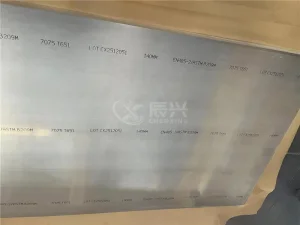

New Zealand's isolated geography, combined with its highly rugged coastline and aggressive marine environments, requires structural metals that offer an optimal balance of lightweight design, high strength, and exceptional corrosion resistance. In major industrial centers like Auckland, Christchurch, and Tauranga, the demand for high-grade aluminum plates has steadily surged, driven by rapid developments in commercial shipbuilding, transport engineering, agricultural machinery, and modern architectural cladding.
Unlike other global markets, the New Zealand construction and manufacturing sectors must comply with rigorous local regulatory frameworks, notably the New Zealand Building Code (NZBC) and structural standard AS/NZS 1664 (Aluminum Structures). Material supply chains serving Kiwi engineers cannot simply rely on generic specifications. They must deliver traceable quality with mill test certificates conforming to EN 10204 3.1 standards, ensuring that raw material chemical composition and mechanical properties strictly meet design limits.
Particularly in marine construction—a cornerstone of the Auckland economy—vessel builders require specialized alloys like 5083 H116 or H321. These alloys must undergo sensitization testing (ASTM G67) to ensure they resist intergranular corrosion in high-saline Southern Ocean waters. Our manufacturing plants maintain tight quality control protocols to supply New Zealand's premium marine yards with certified plates that satisfy DNV, Lloyd's Register, and RINA survey requirements.
On the global stage, the aluminum market is undergoing a transition driven by decarbonization and energy-efficiency goals. Aluminum’s role as a "green metal" makes it a preferred material for light-weighting vehicles, which directly lowers fuel consumption and greenhouse gas emissions in commercial transport. However, this global demand spike has placed immense pressure on lead times and supply consistency.
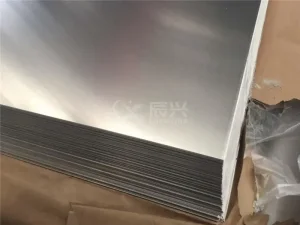
For New Zealand businesses, managing global logistics presents unique challenges. Long sea routes from global manufacturing centers to ports like Lyttelton or Tauranga require robust protection against transit damage and corrosion. Our factories utilize heavy-duty export packaging, including IPPC-certified wooden pallets, moisture barrier film, and silica gel desiccant packs, to ensure every shipment of raw aluminum plates arrives in pristine, mill-fresh condition, free from white rust or water stains.
Get a Freight Quote to NZDecades of manufacturing excellence backing New Zealand's top engineering projects.
Select the correct aluminum alloy based on mechanical strength, formability, and environmental exposure.
| Alloy Grade | Common Tempers | Tensile Strength (MPa) | Corrosion Resistance | Typical NZ Industry Application |
|---|---|---|---|---|
| 1050 | O, H14, H24 | 65 - 145 | Excellent | Electrical busbars, deep-drawn cookware, thermal reflectors, chemistry vessels. |
| 3003 | O, H14, H24, H18 | 110 - 200 | Very Good | HVAC ducting, architectural cladding panels, heat exchangers, food processing equipment. |
| 5083 | O, H111, H112, H116, H321 | 275 - 350 | Superior (Marine) | Commercial boat hulls, pressure vessels, offshore rigs, heavy transport sideboards. |
| 6082 | T4, T6, T651 | 290 - 370 | Good | Structural bridges, heavy load-bearing frames, roof trusses, transport trailers. |
Engineered for industrial resilience, precision processing, and thermal efficiency.
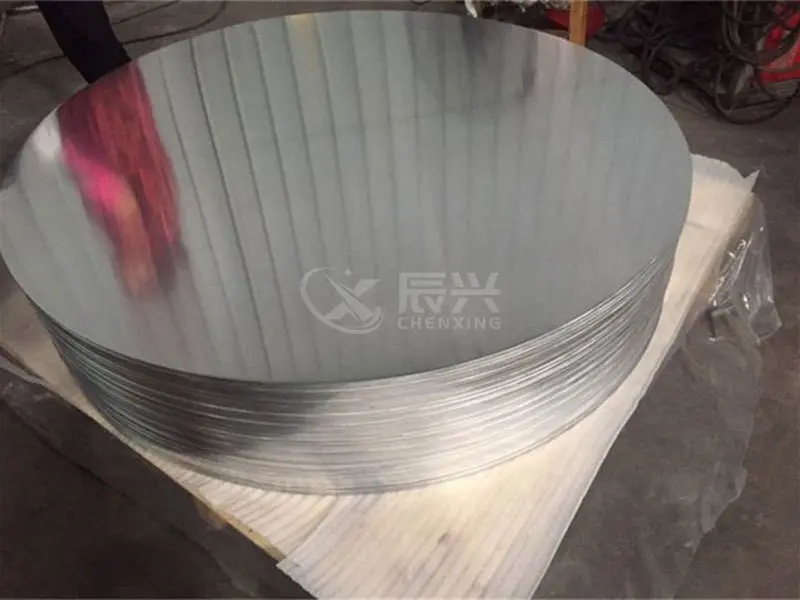
High reflectivity and deep-drawing capacity for lighting reflectors and hollowware manufacturing.
View Details →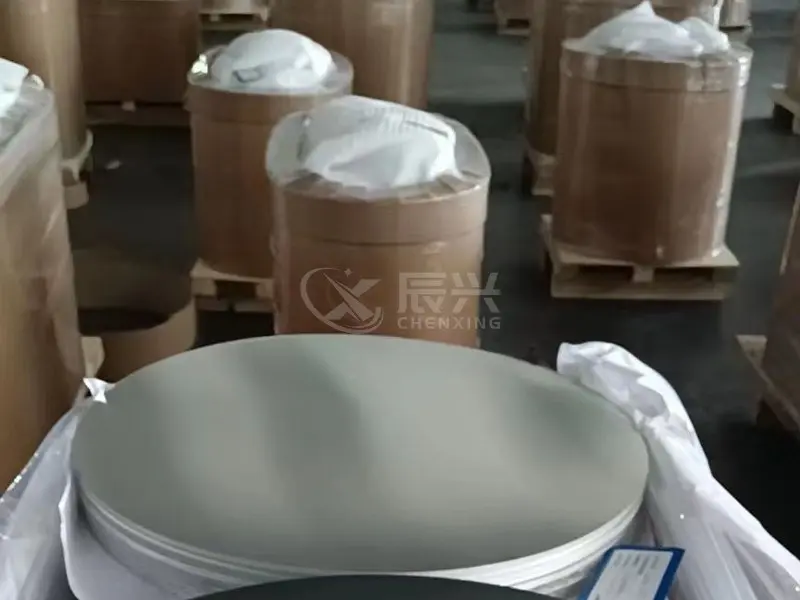
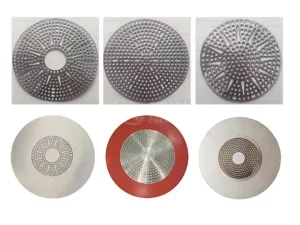
Excellent forming characteristics and corrosion resistance for industrial cookware and vessels.
View Details →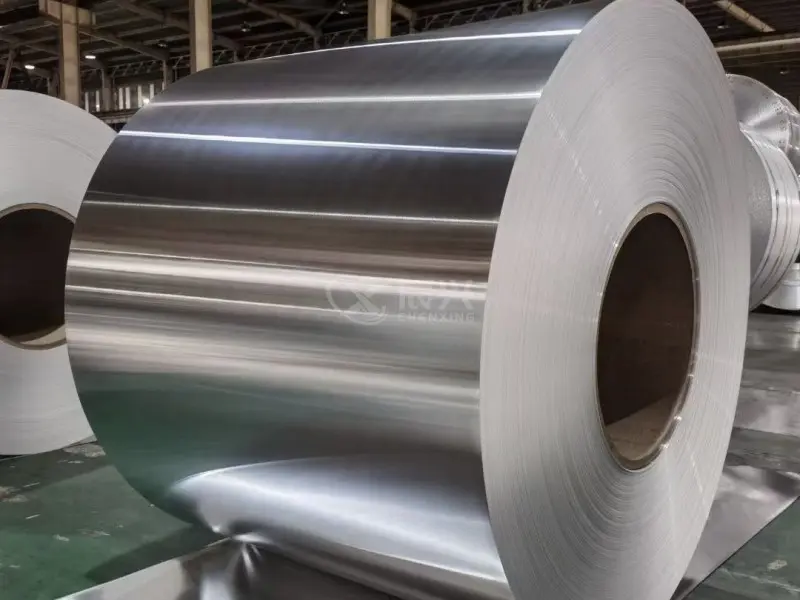
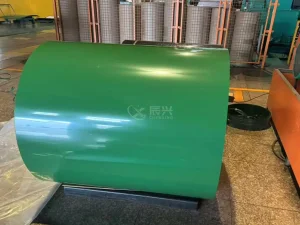
Premium hot and cold rolled coils, slit to custom widths for industrial press lines.
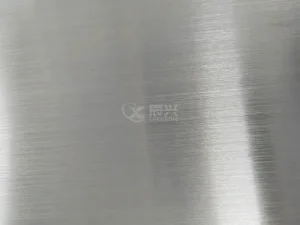
View Details →Uniform brushed textures designed for interior decorative panels and exterior structural cladding.
View Details →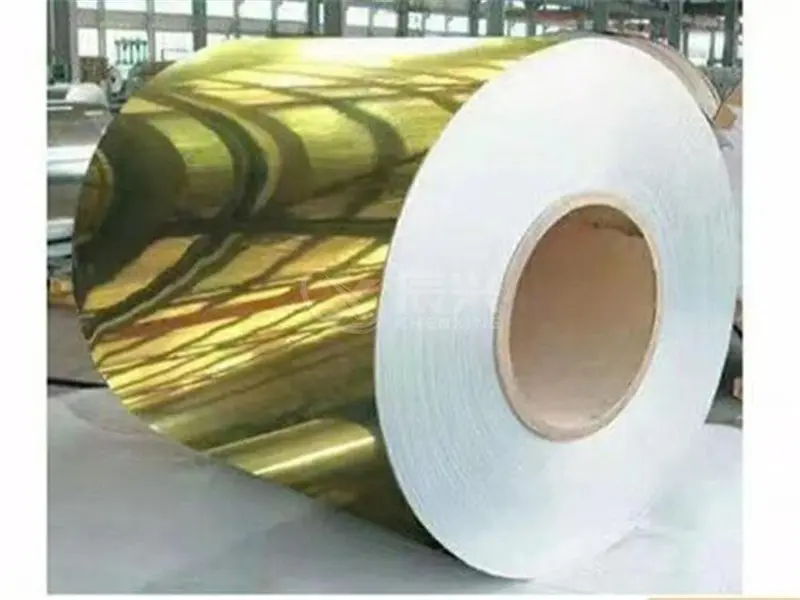
Polished reflective surfaces engineered for solar thermal systems and architectural lighting fixtures.
View Details →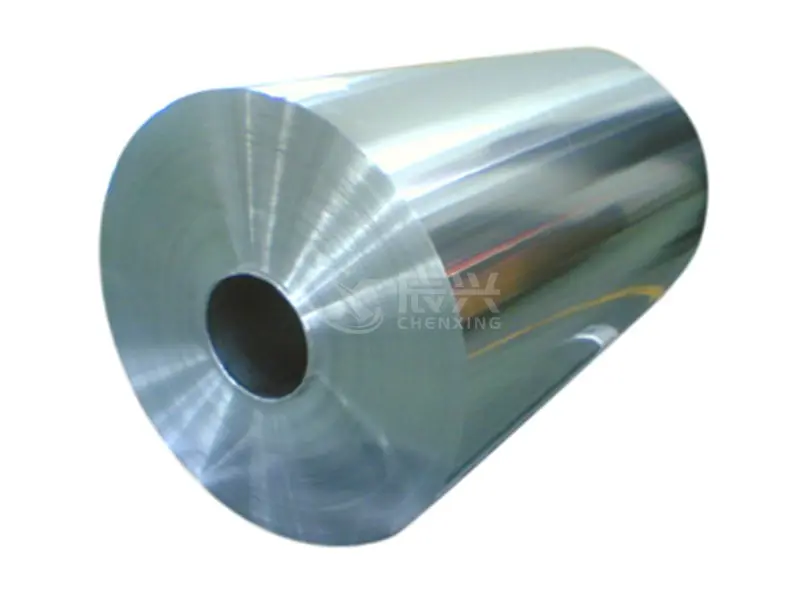
Hydrophilic-coated foils designed to optimize heat exchange efficiency in HVAC units.
View Details →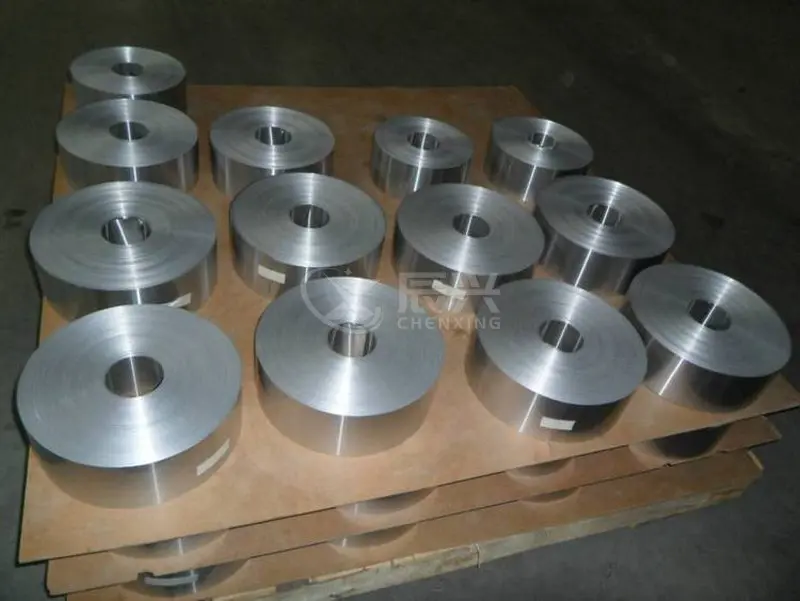
Reinforced foil structure for flexible ducting, ensuring high fire rating and zero air leakage.
View Details →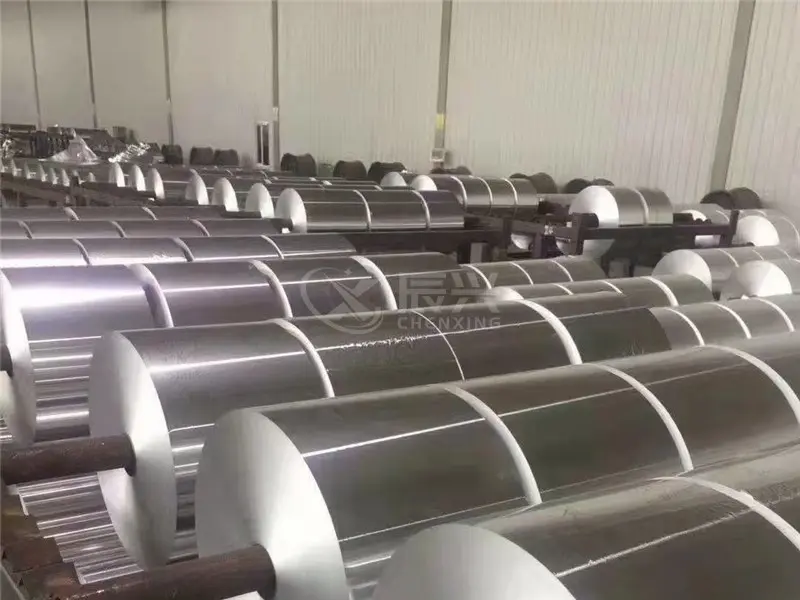
Flexible packaging foils with optimal barrier properties for food, pharma, and thermal barriers.
View Details →Deploying advanced aluminum solutions across critical sectors to maximize durability and performance.

Decreasing tare weight in heavy-duty commercial tankers, road trains, and marine vessels to improve efficiency.
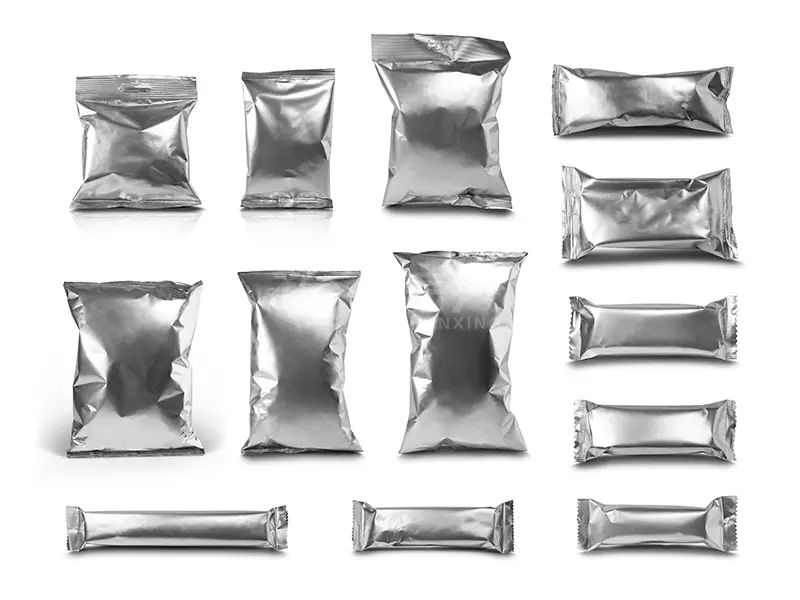
Superior barrier foils and container materials ensuring long shelf-life and hygiene for global food logistics.

High thermal conductivity alloys utilized in heat sinks, semiconductor housings, and electronic enclosures.

Ultra-reliable, high-strength structural plates matching strict international aerospace certification standards.
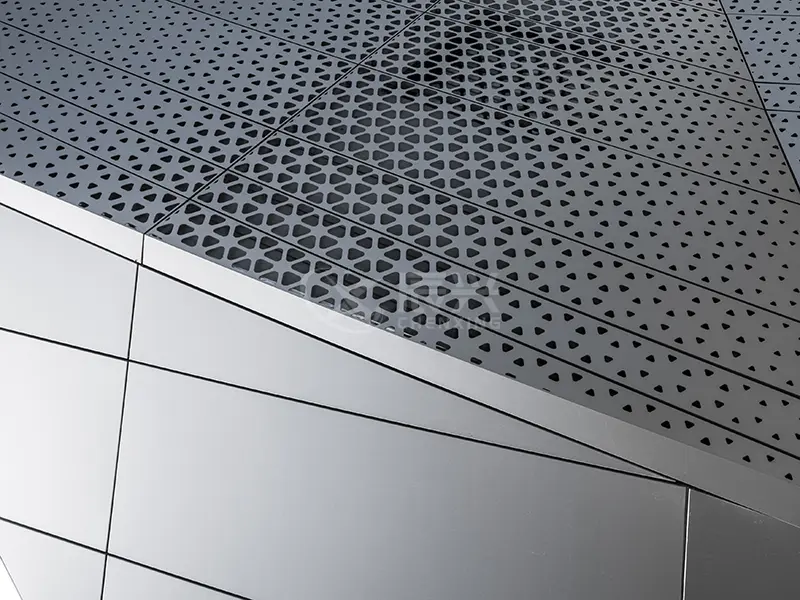
Weatherproof facade systems, structural roofing panels, and framing systems complying with regional building codes.

Aesthetic surface finishes, corrosion-resistant internal components, and deep-drawn pans for modern homes.
In response to global demands for efficiency and lower carbon footprints, our production facilities are implementing state-of-the-art technologies that enhance the metallurgical properties of aluminum plates. By integrating continuous casting systems and advanced heat-treatment lines, we achieve highly uniform grain structures. This direct grain control dramatically improves the weldability and machinability of structural plates like the 6082 T6, which is crucial for complex kiwi architectural frameworks and heavy transport chassis.
For applications where aesthetic longevity and environmental resistance must coexist, such as coastal facades in Wellington or marine hulls in Foveaux Strait, surface preparation is vital. We utilize automated tension leveling to ensure flat tolerances exceeding standard commercial benchmarks. This is followed by optional chemical pre-treatments, such as PVDF coating or structural embossing, which provide defense against high-UV indexes and abrasive salt particles.
As New Zealand transitions towards a circular economy, construction and engineering projects increasingly evaluate the lifecycle carbon footprint of materials. Our manufacturing roadmap focuses on utilizing clean energy inputs for the smelting process, alongside maximizing the inclusion of pre-consumer recycled aluminum scrap. This approach significantly lowers the embodied carbon of each plate delivered to Auckland or Christchurch ports, helping local companies meet Green Star and Homestar building ratings.
Stay informed with global market analyses, product innovations, and supply chain updates.
Meeting international demand with upgraded production output and faster mill processing lines.
Read Article →
How specialized high-purity aluminum foil serves as current collectors in lithium-ion batteries.
Read Article →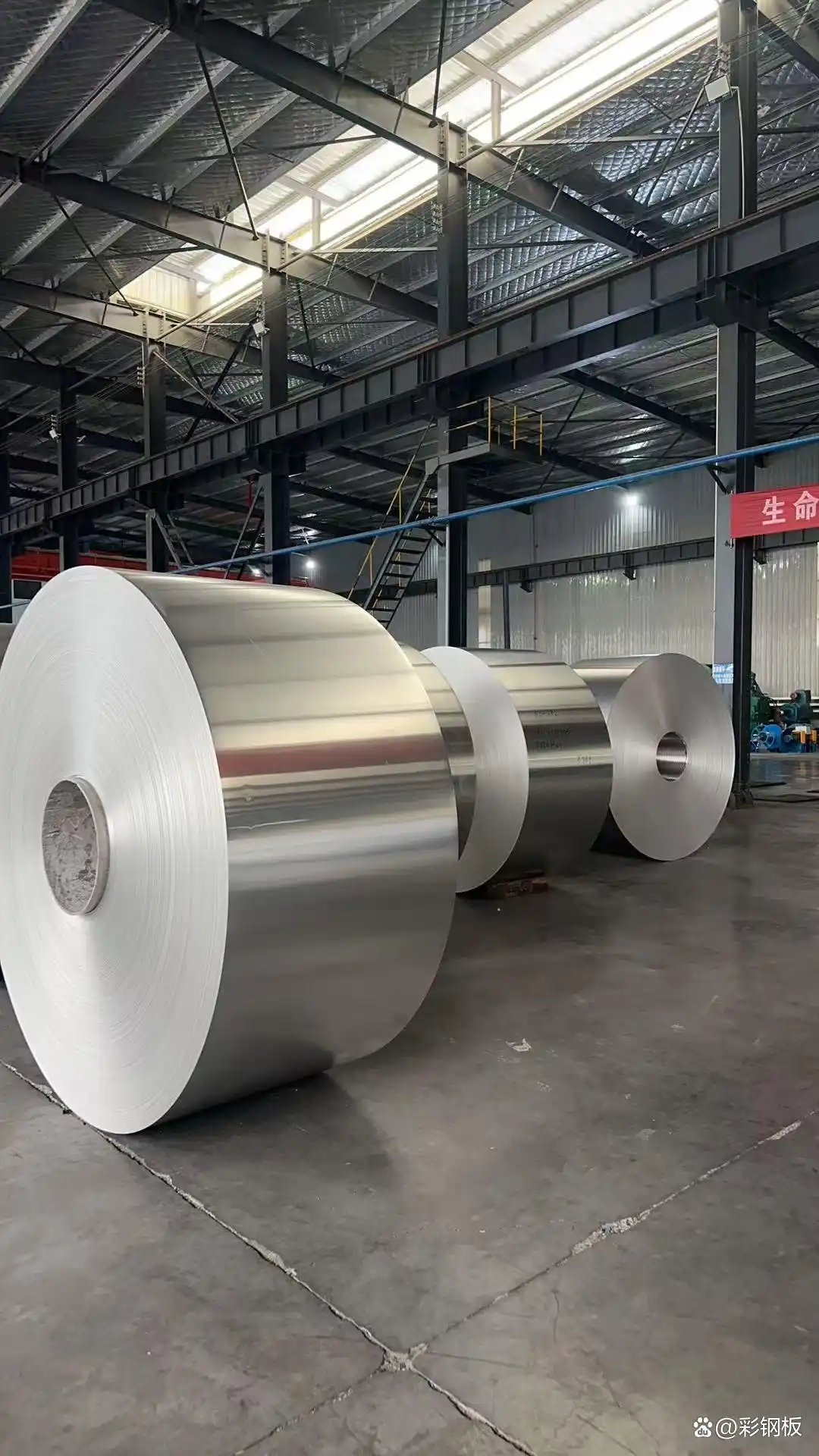
Exploring the rapid transition toward lightweight, highly recyclable aluminum coils in civil works.
Read Article →Addressing core technical, compliance, and logistical inquiries for New Zealand procurement officers.
For structural hulls, marine-grade 5083 in H116 or H321 tempers is highly recommended. These materials contain 4.0% to 4.9% magnesium, which provides superior resistance to intergranular corrosion in salt water. They are fully certified by international ship classification registries like Lloyd's Register or DNV, ensuring compliance with marine survey requirements in NZ.
Every shipment of structural plates is accompanied by a mill test certificate conforming to EN 10204 3.1. This documentation includes detailed chemical analysis (spectrometric analysis) and mechanical testing results (tensile strength, yield strength, elongation), verifying compliance with AS/NZS 1664 and ASTM specifications.
We apply heavy-duty seaworthy packaging designed for Pacific sea transit. Plates are interleaved with neutral paper or protective PE film to prevent scratching, then secured using plastic or metal strapping on IPPC-certified wooden pallets. The entire unit is wrapped in heavy-duty shrink film containing silica gel desiccant bags to prevent moisture-induced white rust.
Yes, we provide cut-to-length and precision slitting services directly at our mills. By receiving customized plate lengths and widths, New Zealand manufacturing yards can reduce local machining and material waste, optimizing their production costs.
Typically, production takes between 15 to 30 days depending on the alloy type and order volume. Ocean transit time from Chinese shipping ports to New Zealand main ports (Auckland, Tauranga, Lyttelton) is approximately 18 to 25 days. We provide tracking information from production to port delivery.
Complete product catalog with preserved factory specifications. Click to request technical drawings or price quotes.
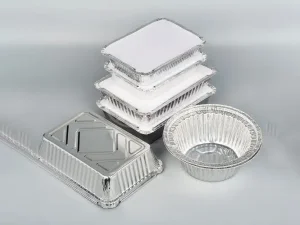
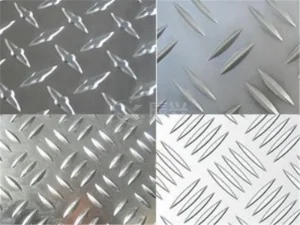
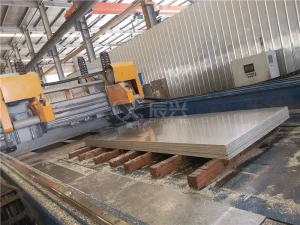
Connect with our engineering and logistics specialists to receive a tailored quotation, complete with shipping rates to any New Zealand port, within 24 hours.
Send Inquiry Now