
Engineered for extreme deep drawing and spinning operations in French transport, cookware, and light engineering applications.
Providing structural aluminum semi-finished products globally with top-tier verification and support.
Over two decades of precision metallurgical development and global cold-rolled strip/blank distribution.
Meeting challenging technical and regulatory frameworks across EU, North America, and APAC regions.

Real-time microstructural monitoring and testing protocols for zero-defect deep drawing.

Fast, rigorous engineering analysis using 8D methodology to resolve quality concerns within 24 hours.
Analysis of the deep-drawing and industrial manufacturing landscape in France and Western Europe.
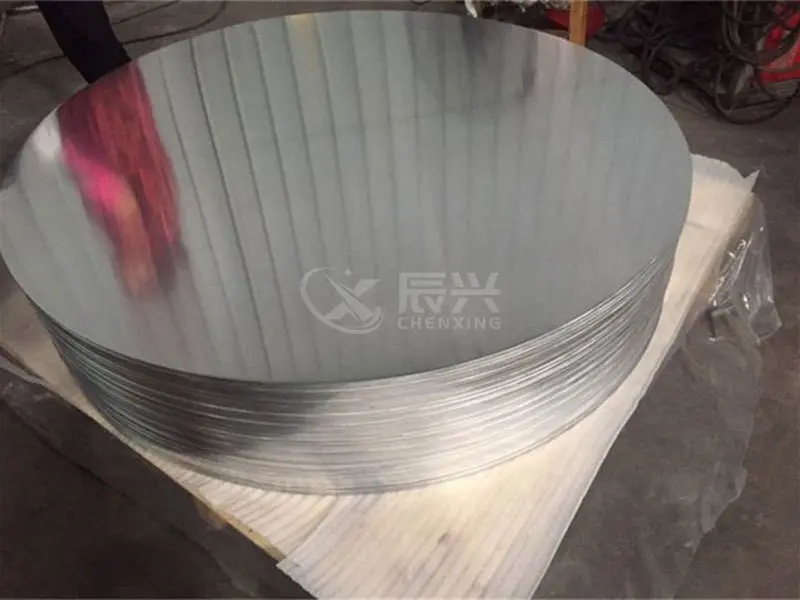
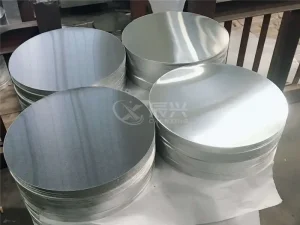
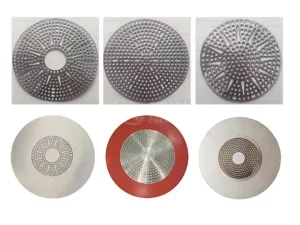
The manufacturing sector in France requires strict compliance with high-performance aluminum standards. Historically known for culinary innovations, high-end cookware manufacturers (such as those clustered in Burgundy and Normandy) utilize continuous cast-rolling (CC) and hot-rolled (DC) circles to create culinary utensils. The requirements include extreme tensile strength and excellent surface quality to prevent surface imperfections like orange-peel patterns during deep drawing.
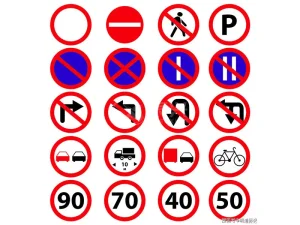
Additionally, French infrastructure and highway logistics demand heavy integration of signage and reflector plates conforming directly to *NF Route* (French National Standards for Road Signs). These systems demand structural stability and resistance to corrosion, calling for specific 1050, 1060, or 5052-tempered alloys.
Sourcing metallic raw materials from a verified manufacturer ensures supply chain resilience for French industries. Our logistical setups facilitate smooth shipping routes directly into hubs like the Port of Marseille-Fos and Le Havre. Under current market conditions, material compliance with environmental and technical declarations (such as REACH and RoHS regulations) is critical. Having our manufacturing processes aligned with international logistics ensures French partners receive clean, well-documented consignments.
| Alloy Grade | Al (%) Min | Si (%) Max | Fe (%) Max | Cu (%) Max | Mn (%) Max | Typical Application in France |
|---|---|---|---|---|---|---|
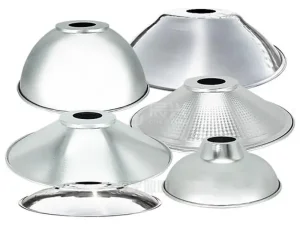
| 1050 | 99.50% | 0.25 | 0.40 | 0.05 | 0.05 | Reflectors, Non-stick Cookware |
| 1060 | 99.60% | 0.25 | 0.35 | 0.05 | 0.03 | Capacitor Shells, Signages |
| 3003 | Al-Mn Alloy | 0.60 | 0.70 | 0.05-0.20 | 1.0-1.5 | Pressure Cookers, Rice Cookers |
| 5052 | Al-Mg Alloy | 0.25 | 0.40 | 0.10 | 0.10 | Marine Grade, Automotive Parts |
Our production line implements specialized annealing heat treatment protocols to optimize the mechanical properties of our circles. Mechanical performance targets are adjusted specifically to the client's manufacturing setup:
Delivering high-integrity engineering materials across key industries in Western Europe.
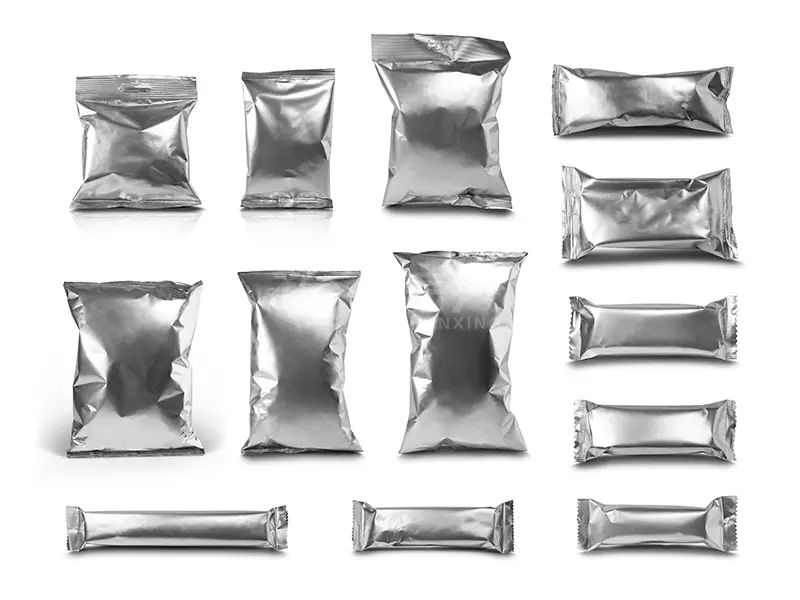


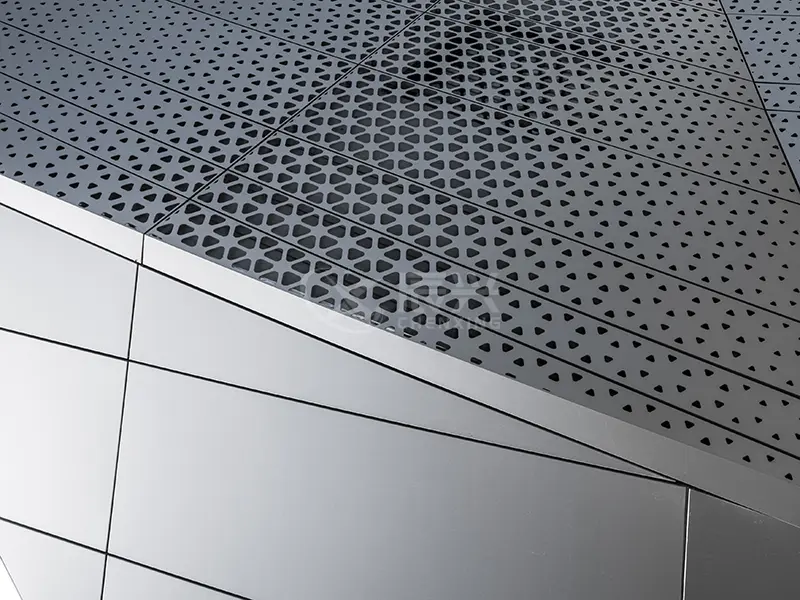
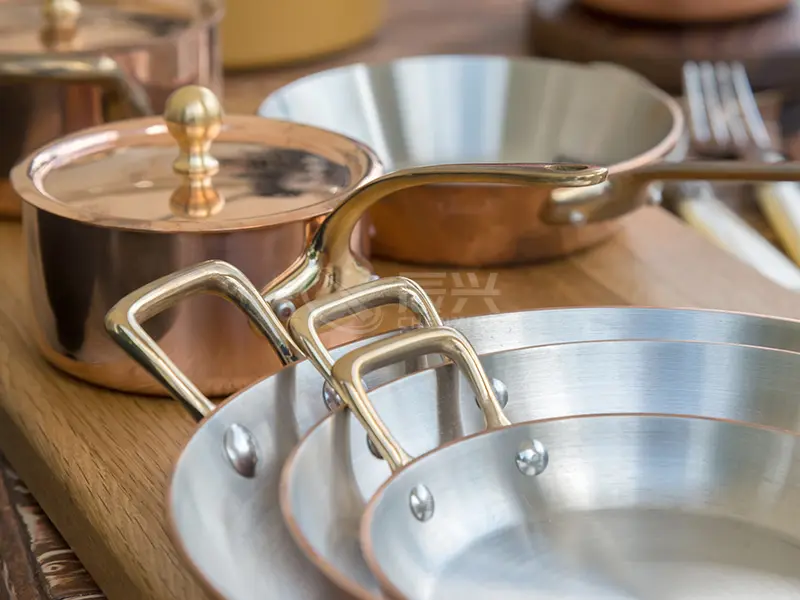
How we support French partners through active environmental tracking and quality certifications.
As the European Union steps up its decarbonization protocols, carbon tracking has become a core element of chemical and metallurgical raw material procurement. We provide certified calculations of the embedded greenhouse gas emissions of our aluminum products, allowing French importers to register their CBAM declarations efficiently. By continuously improving the thermal efficiency of our melting and casting processes, we help reduce potential carbon import costs.
We work to meet standard manufacturing credentials, tracking our material chemistry carefully. Our products are fully compliant with RoHS and REACH standards. All shipments are supplied with certified Mill Test Certificates (MTC) conforming to EN 10204 3.1, detailing chemical composition, tensile strength, yield strength, and elongation rates.
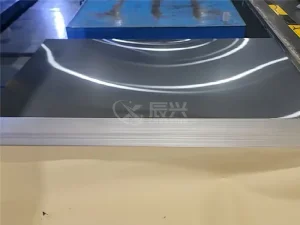
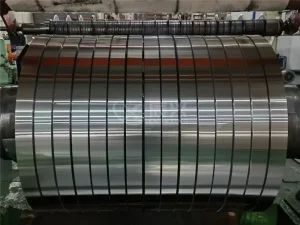
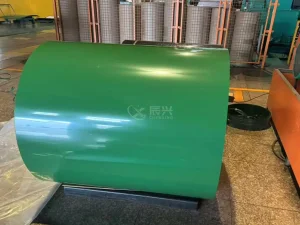
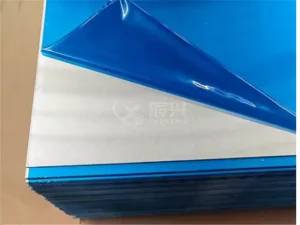
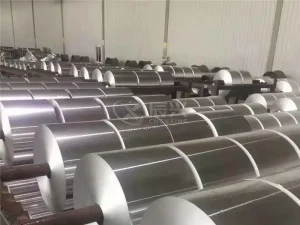
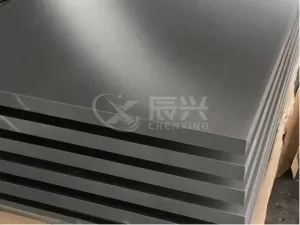
Explore our full line of aluminium circle blanks, coils, sheets, and foils tailored for industrial processors.
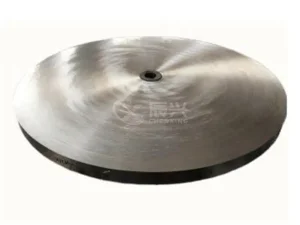
Key analytical reports on raw material pricing, green industrial practices, and regulatory trends affecting EU buyers.
Export volumes of cold-rolled aluminum sheets and structural circles to European hubs have adjusted to meet the recovery of manufacturing sectors, showing shifts in global logistics patterns.
Read Article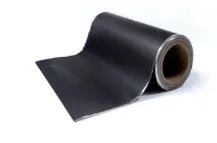
The rise of EV manufacturing gigafactories in Northern France has created steady demand for ultra-thin, high-purity aluminum foil substrates with tight mechanical tolerances.
Read Article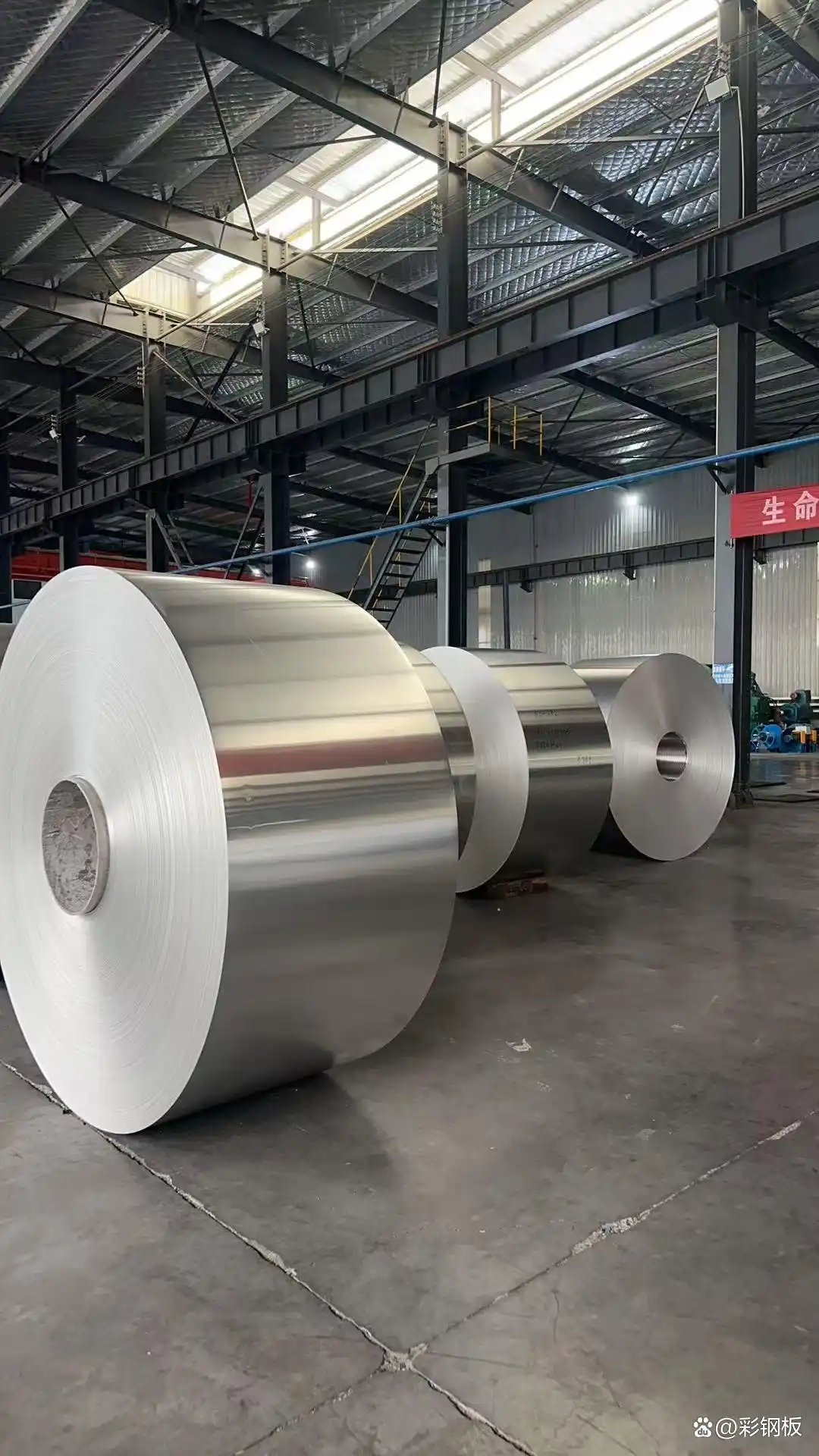
With tightening environmental policies across the EU, manufacturers are adopting low-carbon melting practices and recycling protocols to reduce the embedded carbon footprint of imported metals.
Read ArticleAnswers to technical, regulatory, and logistical queries from industrial buyers in France.
Hot-Rolled (DC / Direct Chill) circles are cast from ingots and then hot-rolled, creating a homogeneous grain structure that is highly suitable for deep drawing (LDR up to 2.4) and complex spinning without structural tearing. Continuous Cast (CC) circles are formed directly from molten metal into coils. While more cost-effective, they have a less uniform grain orientation and are better suited for shallower stamping, simple bending, and standard cookware production.
We track energy consumption during the melting, rolling, and annealing processes. We provide French and EU importers with the required CBAM reporting templates, detailing direct and indirect embedded emissions (Scope 1 and Scope 2) according to EU Regulation 2023/956, helping ensure compliance at customs entry points.
For standard non-stick frying pans where high thermal conductivity and moderate strength are required, Alloy 1050 or 1100 in the H12 or H14 temper is recommended. For heavy-duty pressure cookers, Alloy 3003 in the O (fully annealed) or H14 temper is typically used, as the added manganese content increases tensile strength and improves pressure resistance.
We control the grain size (keeping it within the ASTM 6-8 range) to prevent the "orange peel" effect during forming. In addition, we apply fine tension leveling and strict filtration to keep the surface free of oil stains, scratches, or metallic inclusions that could affect subsequent anodizing, powder coating, or enameling processes.
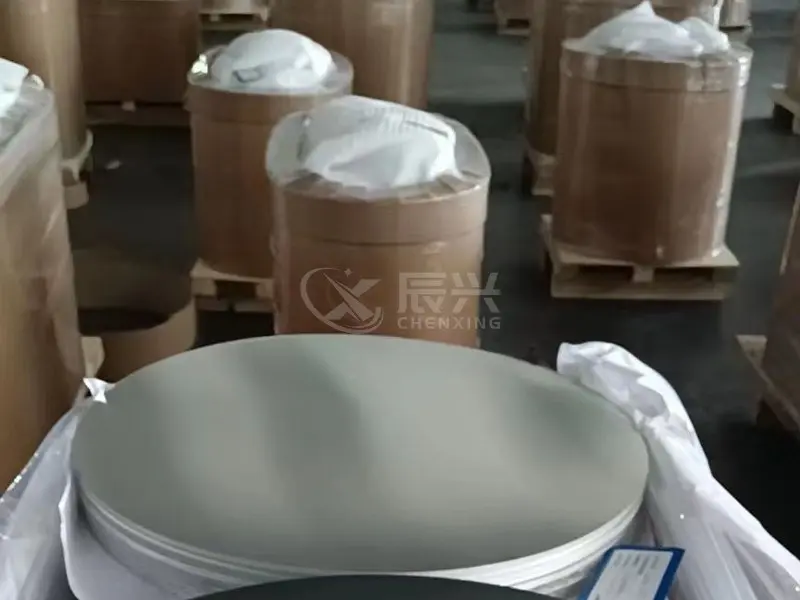
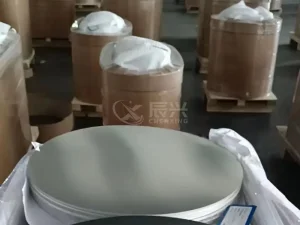
Production cycles generally run between 20 to 30 days depending on the volume and specifications. Shipping transit time from our facilities to the main French ports (such as Le Havre, Marseille-Fos, or Dunkirk) typically takes 30 to 40 days. All circles are securely packed on export-compliant wooden pallets with desiccants, wrapped in moisture-resistant plastic, and secured with steel strapping to prevent damage during sea transport.
Submit your alloy grades, custom diameters, thickness tolerances, and quantity requirements today. Receive a comprehensive quotation and technical validation from our engineering team within 24 hours.
Send Inquiry Now