Deploying precision CNC punching and continuous annealing technologies, we produce highly ductile, deep-drawing aluminum blanks that fulfill Uruguay's rigorous metal spinning and forming standards.
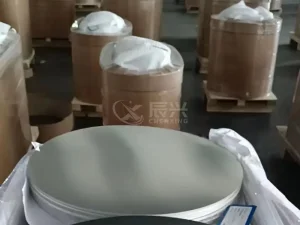
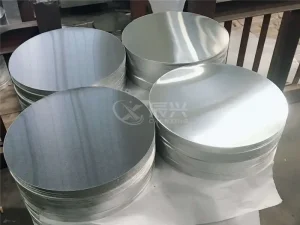

Uruguay's processing and light industrial manufacturing sectors are undergoing rapid technical shifts. In major economic centers such as Montevideo, Canelones, and the free zones, manufacturers are modernizing their processing technologies to satisfy both domestic demand and export criteria within the Mercosur trade block. The regional requirement for top-grade hollowware, household electronics, heavy-duty road signage, and custom industrial lighting requires high-performance raw materials.
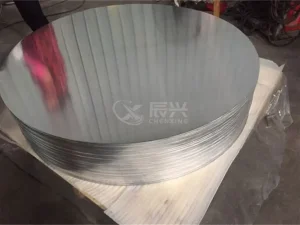
Sourcing reliable aluminium circle factories is paramount for Uruguayan metal pressing and spinning enterprises. Due to regional economic changes and the drive towards local industrial growth, companies demand aluminium circular blanks with exceptional physical attributes: zero earing behavior, uniform grain distribution, precise flatness, and tight gauge tolerance. Sourcing directly from certified global manufacturing plants allows regional companies to minimize material scrap rates while optimizing output.
Furthermore, Uruguay's environmental initiatives require highly sustainable sourcing practices. Industry leaders increasingly seek low-carbon footprint aluminum, manufactured using clean energy systems, to fulfill regional ESG criteria. The demand for standard purity levels (like alloy 1050) and high-strength corrosion-resistant elements (like alloy 3003 and 5052) highlights the complex material matrix necessary for South America's dynamic markets.
Our structural annealing procedures maintain grain dimensions within 35 to 55 microns. This range minimizes the orange-peel effect during deep forming operations.
Advanced shear-level precision controls mechanical deviation below ±0.02 mm, dramatically lowering edge fracture ratios on high-speed press systems.
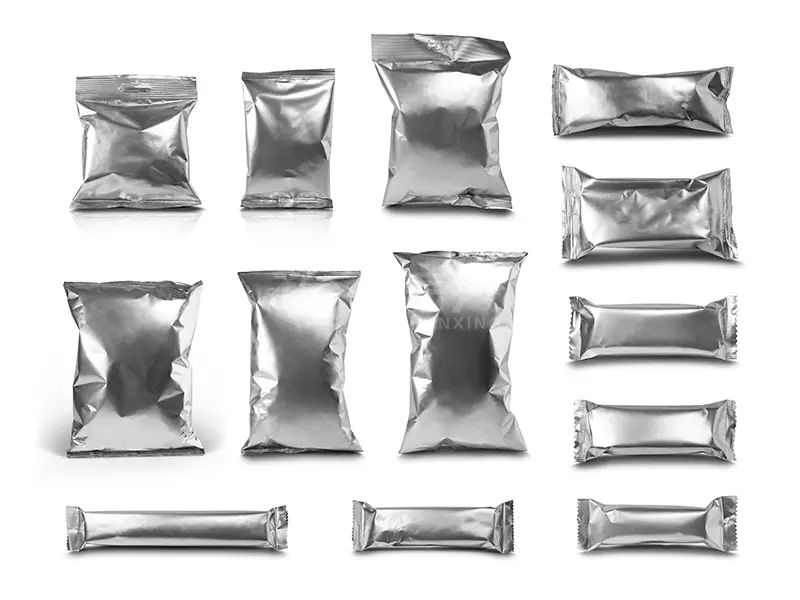
Incorporates interlayered anti-humidity paper, double-layer barrier films, and robust vacuum desiccants, guaranteeing corrosion-free ocean freight to Montevideo port.
Understanding the micro-structure of aluminum circles is crucial for optimizing manufacturing throughput. When selecting metal suppliers for projects in Uruguay, industrial engineers must evaluate mechanical performance parameters. Below is a comparative metallurgical review of common alloys applied in modern spinning and deep drawing:
| Alloy Grade | Temper Options | Tensile Strength (MPa) | Yield Strength (MPa) | Elongation Rate (%) | Primary Industrial Applications |
|---|---|---|---|---|---|
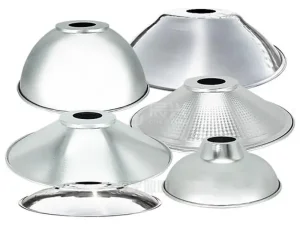
| Alloy 1050 | O, H12, H14, H18 | 65 - 95 | ≥ 35 | ≥ 35% | Utensils, reflector cones, lamp shades, cosmetic shells |
| Alloy 1100 | O, H14, H24 | 75 - 105 | ≥ 40 | ≥ 30% | Chemical processing equipment, industrial dials, heat exchangers |
| Alloy 3003 | O, H12, H14, H24 | 95 - 135 | ≥ 50 | ≥ 28% | Non-stick cookware, heavy pressure vessels, heat shields |
| Alloy 5052 | O, H32, H34, H38 | 170 - 240 | ≥ 130 | ≥ 20% | Marine fittings, automotive assemblies, heavy-duty gas containers |
In deep-drawing operations, "earing" refers to the formation of wavy projections on the rim of the drawn cup. This mechanical defect is caused by planar anisotropy of the sheet metal. Minimizing this effect involves tightly regulating hot-rolling temperatures and cold-rolling reduction ratios in our state-of-the-art factory. For our imports to South American manufacturers, we guarantee an earing rate of under 3% (often approaching 0% for premium O-temper variants). This allows our customers to minimize edge-trimming processes, saving precious production time and scrap costs.
Our technological roadmap also integrates automated optical inspection (AOI) to trace mechanical surface defects. Scratching, denting, pinholes, and rolling-line anomalies are analyzed by AI detection devices before shipping. This focus on reliability ensures our production lines meet international standards like ASTM B209, EN 485, and UNIT compliance requirements in Uruguay.
We provide specialized manufacturing capabilities and international trade compliance management to assure reliable logistics paths from fabrication plants to Montevideo, Uruguay.
Specialized processing of aluminum alloys with international certifications.
Managing high-volume contract exports across Latin America, Europe, and Asia.
Utilizing online automated optical fault tracking and laser gauging systems.
Dedicated technical engineers providing prompt metallurgical advice.
Importing industrial goods into Uruguay requires deep understanding of regional regulations and logistics pathways. The Port of Montevideo serves as a major gateway for Mercosur freight, demanding exact documentation to ensure fast customs clearance. Our dedicated logistics team works alongside major clearing agencies in Uruguay to streamline procedures and avoid costly delays.
Our materials align with standard parameters defined by the Instituto Uruguayo de Normas Técnicas (UNIT). This ensures our products integrate seamlessly into local civil work configurations, electrical appliances, and public infrastructure projects.
Every shipment is backed by a comprehensive QA packet, including Mill Test Certificates (MTC) conforming to EN 10204 3.1, detailed Packing Lists, Bills of Lading, and certified Country of Origin documentation for import tax optimization.
Crossing the equator exposes cargo to extreme relative humidity. We apply heat-treated heavy wooden pallets, custom desiccant bags, and multi-layered shrink wrap to protect our products from saltwater and moisture ingress.
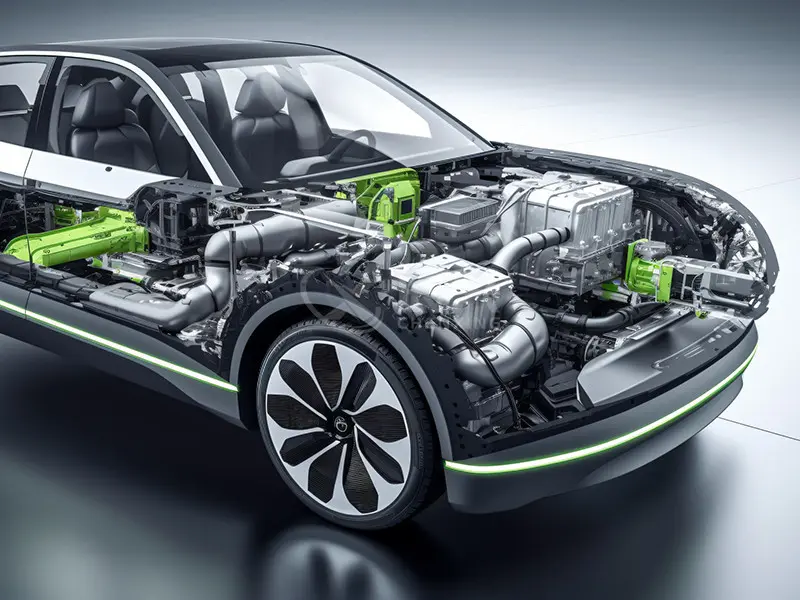
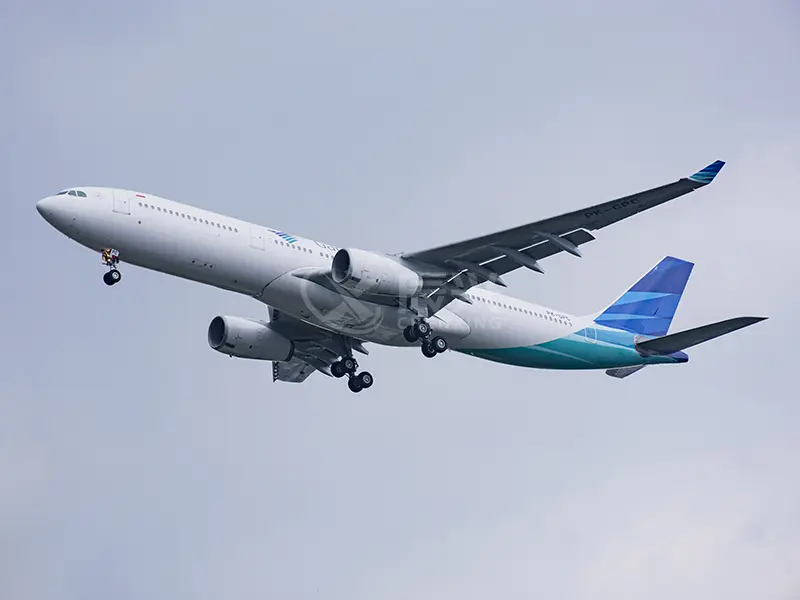
Our aluminum disks and custom sheets are designed to meet the operational demands of various high-growth industries.
Find quick, authoritative answers to common questions regarding logistics, alloy composition, processing techniques, and quality assurance processes.
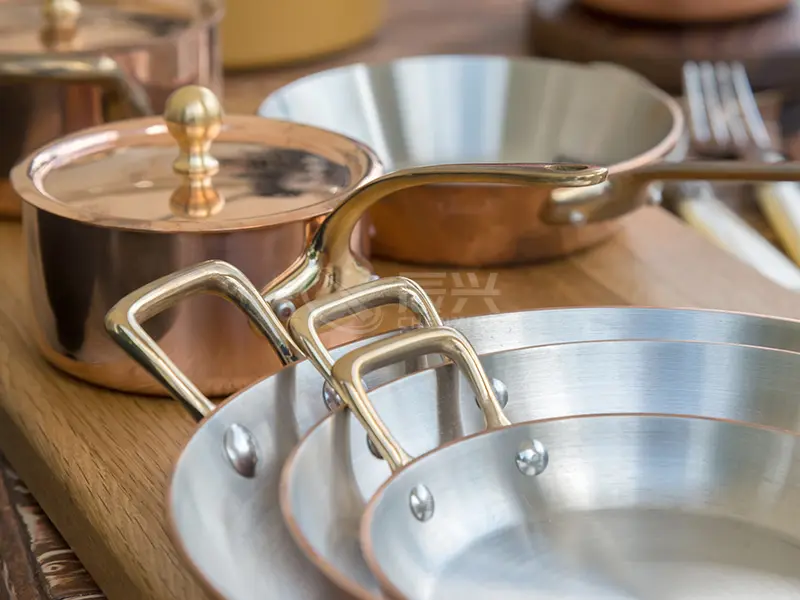
For standard cookware like non-stick frying pans, pressure cookers, and pots, Alloy 1050 and Alloy 3003 are widely preferred. Alloy 1050 offers excellent thermal conductivity and is cost-effective, while Alloy 3003 features higher mechanical strength and superior corrosion resistance due to its manganese content. If you are manufacturing induction-ready cookware, our Induction Aluminum Circles with specialized bottom bases provide the perfect solution.
These surface defects are prevented by controlling the metallurgical microstructure. Our rolling mills maintain strict heat treatment protocols to keep the grain size within 35 to 55 microns. Controlling grain size prevents the rough "orange peel" texture during forming, and balancing planar anisotropy keeps the earing ratio below 3%, minimizing material waste during production.
We work to strict international guidelines like ASTM B209 and EN 485. Our standard thickness tolerance is ±0.02 mm, and our diameter tolerance is ±0.5 mm. These tight tolerances help prevent tool wear and manufacturing interruptions on automatic spinning machines and hydraulic drawing systems.
Shipping to Uruguay requires crossing humid maritime zones. Every bundle is packed using waterproof plastic wrap and desiccant bags, with interleaving paper between individual sheets. The bundles are then secured in export-grade wooden cases with steel straps, ensuring dry arrival at the Port of Montevideo.
Our standard MOQ is 3 to 5 metric tons per size, depending on the alloy class and thickness. Once specifications are confirmed, our typical production cycle runs 20 to 30 days. Marine shipping times from our facility to Montevideo generally take between 35 and 45 days, depending on shipping schedules.
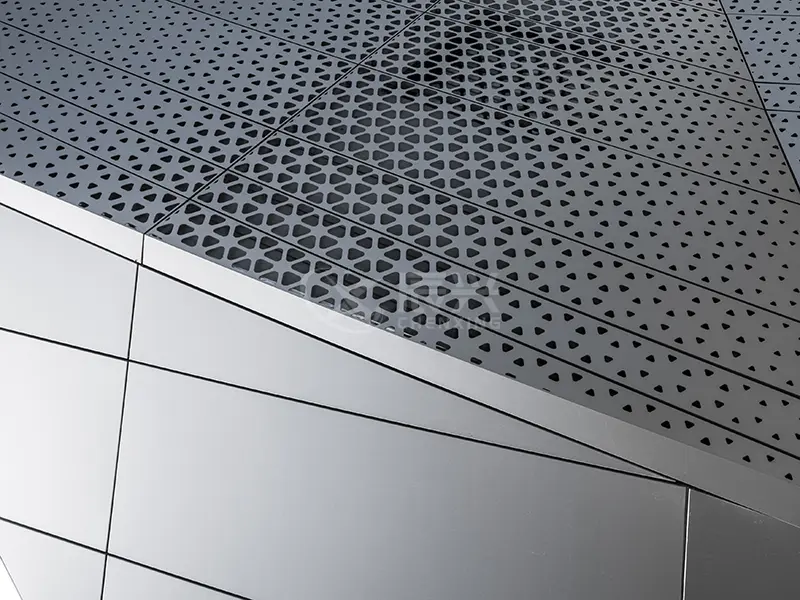
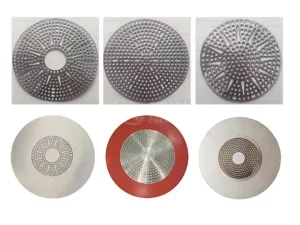
Yes, our production lines are equipped with advanced CNC punching systems. We can fabricate custom-patterned perforated sheets and circles according to your exact mechanical drawings, providing tailored options for lighting installations, decorative elements, and filtration equipment.
Absolutely. Our 1000-series (1050, 1060, 1100) and 3000-series (3003) aluminum circles are food-grade and comply with international packaging safety standards, making them safe for food contact and cooking applications.
Yes. Our metallurgical team assists clients globally. If you encounter deformation issues, cracks, or surface roughness during your spinning or pressing processes, our engineers can analyze your parameters and recommend the optimal alloy composition and temper configuration.
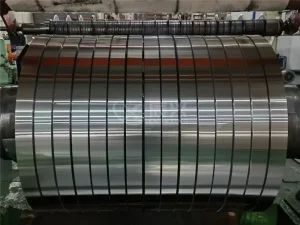
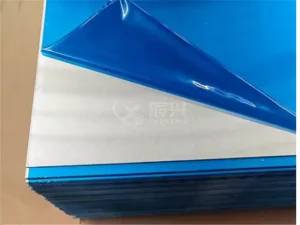
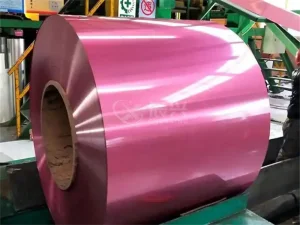
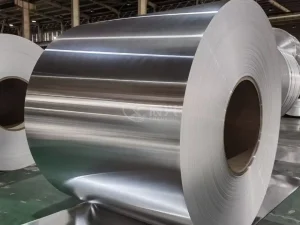
Browse our complete selection of aluminum circles, strips, and high-performance coils designed for industrial operations in Uruguay.
Stay informed on raw material market shifts, technology updates, and global supply trends.
Get in touch with our engineering team for customized alloy tempers, drawing evaluations, and logistics solutions tailored to your operations in Uruguay.
Send Inquiry Now