Direct supply from leading manufacturing facilities, ensuring peak tensile strength and precision thickness control.
A comprehensive technical overview of performance indicators, fabrication standards, and manufacturing optimization.
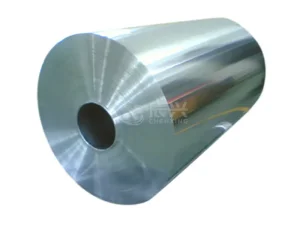
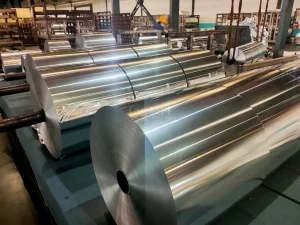
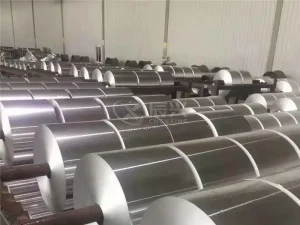
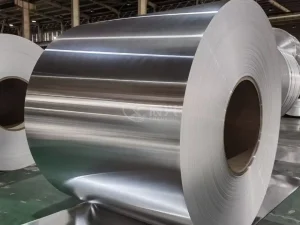
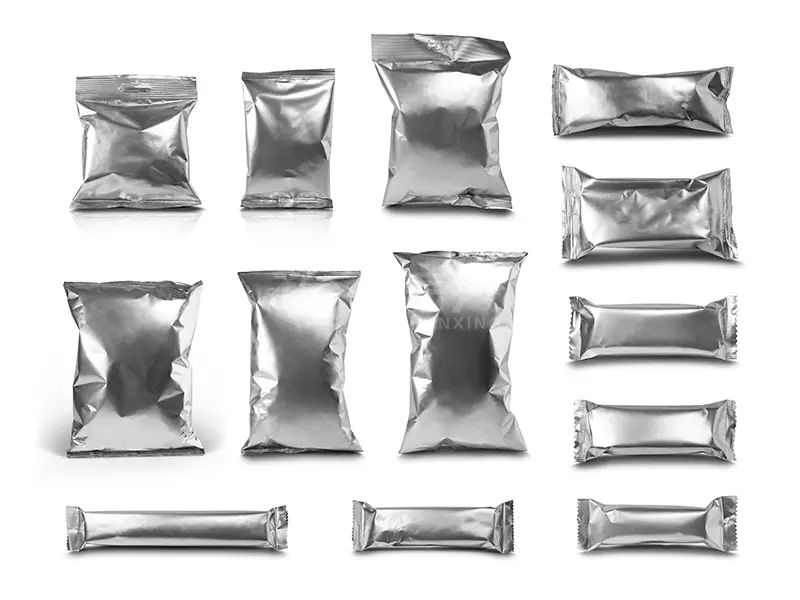
Release Aluminum Foil, widely recognized for its application in composite lamination, pressure-sensitive adhesive protection, and industrial insulation, serves as a high-barrier substrate engineered with custom-formulated coating layers. Manufactured in state-of-the-art Chinese rolling mills, these foils typically utilize premium alloys such as 1235, 8011, 8021, and 8079.
The core substrate of release foil offers unmatched structural integrity, acting as an absolute barrier against moisture vapor transmission, light ingress, and gaseous penetration. During processing, the raw foil is subjected to an online annealing process to obtain precise tempers—most commonly O (soft), H18 (hard), or H22/H24 (half-hard)—before a critical micro-thin layer of release agent (usually solvent-free silicone or solvent-based fluorosilicone) is applied. This layer dictates the release force required to detach the foil from adhesive matrix carriers.
To guide procurement specialists and structural engineers, the table below highlights the standard physical properties of release aluminum foil depending on chemical composition and thickness variations.
| Alloy Designation | Temper Code | Thickness Range (mm) | Tensile Strength (MPa) | Elongation (%) | Typical Application Scenarios |
|---|---|---|---|---|---|
| 8011 | O / H18 | 0.006 - 0.050 | 80 - 145 | ≥ 3.0 | Pharmaceutical blister backing, cable wrapping, household containers |
| 8079 | O | 0.006 - 0.030 | 85 - 110 | ≥ 4.0 | High-density packaging laminate, industrial battery insulation barriers |
| 1235 | O / H18 | 0.005 - 0.020 | 75 - 130 | ≥ 2.5 | Laminated electronic shielding foil, ultra-thin release liners |
| 3003 | H18 / H24 | 0.015 - 0.200 | 140 - 220 | ≥ 5.0 | Heat exchange fins, HVAC systems, deeply drawn mechanical containers |
For release aluminum foil utilized in gas-barrier laminate stacks, pinhole count is the absolute measure of barrier performance. When thickness is reduced below 20 microns, micro-voids can develop during the cold rolling process due to inclusions or dynamic grain boundary strain. Standard Chinese manufacturing parameters utilize electromagnetic pinhole detector systems on slitting lines to guarantee the following thresholds:
A track record of technological precision, rigorous testing, and reliable global distribution.


How downstream integration, infrastructure, and raw material access optimize total cost of ownership (TCO).
Chinese rolling factories operate inside regional manufacturing ecosystems where bauxite smelting, rolling oil compounding, core spool machining, and surface coating processes reside in close proximity. This localized clustering reduces transport time of hot-rolled coils to cold-rolling departments, resulting in reduced thermal loss, minimal oxidation risk, and lower carbon footprints per metric ton produced.
Furthermore, access to abundant domestic primary ingot capacity ensures that raw material pricing remains highly stable compared to facilities reliant on import channels. This structural buffer directly benefits multinational buyers seeking fixed-price, multi-year supply contracts.
Operating as a Tier-1 supplier means meeting the food-contact and chemical safety regulations of major target markets. Our partner facilities hold comprehensive certifications including:
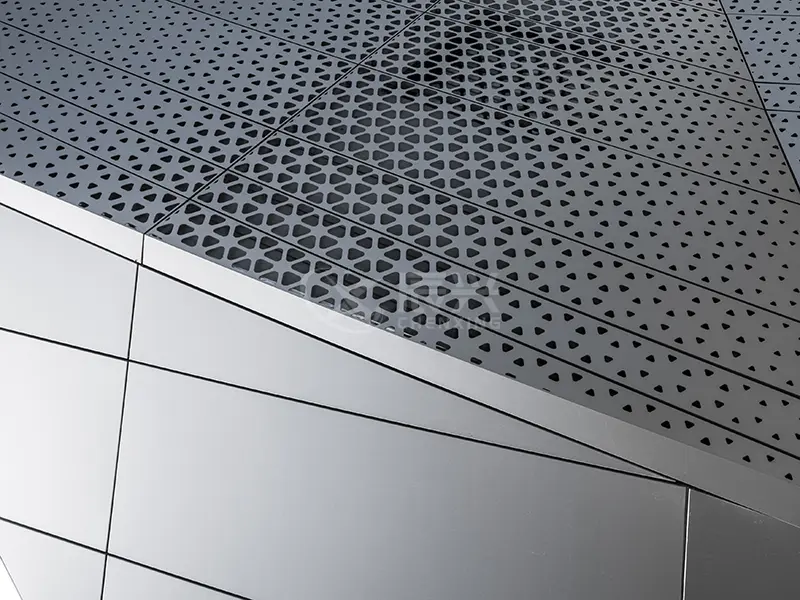
Exploring the multi-faceted industrial deployments of release aluminum foils and aluminum sheets.




Analysis of emerging material dynamics and advanced rolling configurations.
Market demands for lighter consumer electronics and high energy density battery units have driven foil rolling parameters to down-gauge past traditional boundaries, successfully fabricating ultra-thin foil products at thicknesses of 4.5 μm to 5 μm with highly stable mechanical properties.
Foil processors are scaling up green-energy initiatives, leveraging hydro-electric primary smelters in southwestern China. By matching high-purity secondary scraps with optimized electric melting profiles, carbon emissions per metric ton are reduced by over 40%.
Integration of inline Corona treating systems with specialized polymeric primer layers (water-based polyurethanes or solvent-based resins) ensures peak bonding strength of release agents to the aluminum, eliminating subsequent delamination risks.
For comprehensive inquiries, technical specification reviews, customized alloy tolerances, or physical sample evaluations, submit your request details. Our technical team responds within 24 hours with complete 8D analytical reporting frameworks if required.
Submit Request NowInsights on international aluminum dynamics, raw materials supply, and clean energy rolling innovations.
Read the detailed overview on the growing global demand for high-strength packaging components.
Read Article
Exploring structural coating materials and high-conductivity foils for vehicle batteries.
Read Article
A close analysis of environmental policy impact on the production of architectural coils.
Read ArticleAddressing the common design, purchasing, and metallurgical questions from global procurement directors.
Complete product availability covering primary drawing applications, architectural coatings, and pharmaceutical requirements.