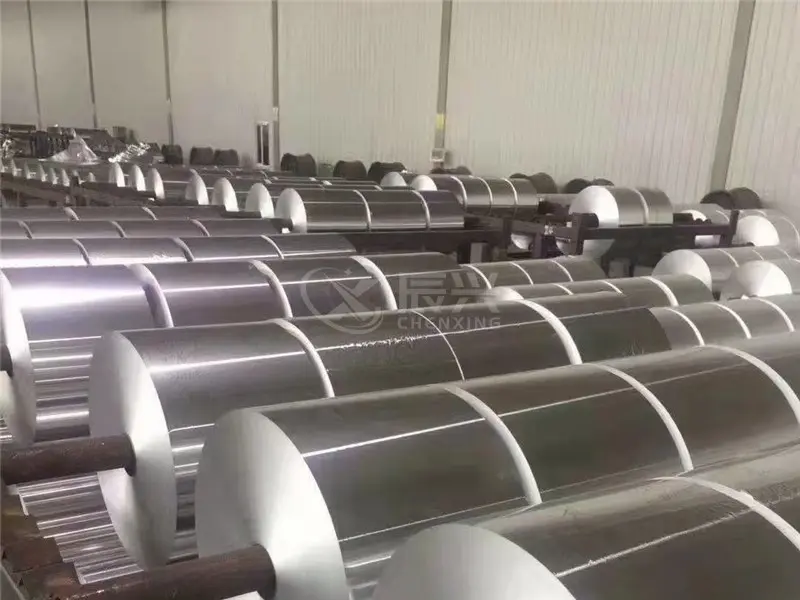
Explore our premium industrial aluminum offerings designed for critical load-bearing applications, environmental resistance, and electrical conductivity.
Our corporate foundation rests upon two decades of precision fabrication, verified engineering qualifications, and custom B2B global trade compliance.


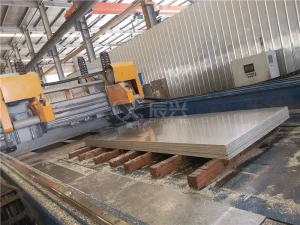
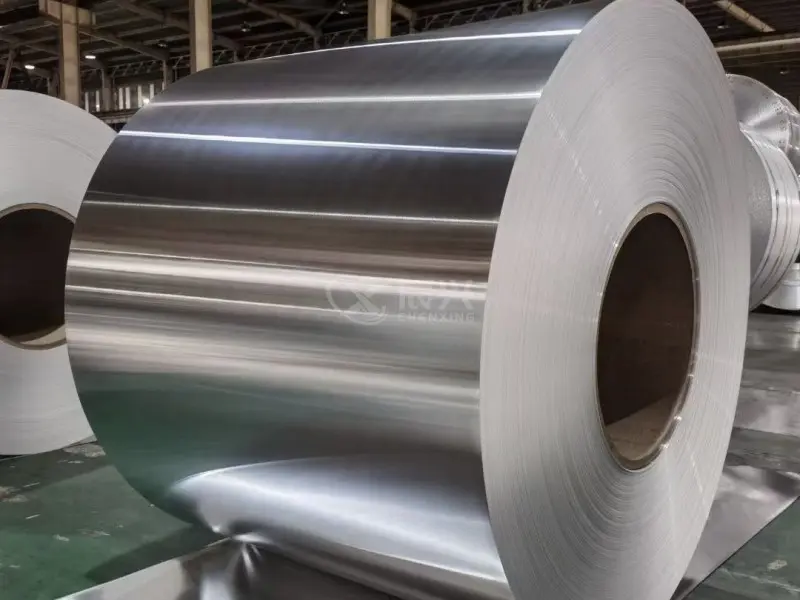
Modern industrial operations necessitate materials that satisfy structural rigidity requirements while addressing weight reduction targets. As one of China’s premier industrial aluminum manufacturing networks, we specialize in transforming raw ingots into application-engineered profiles, sheets, coils, and foils.
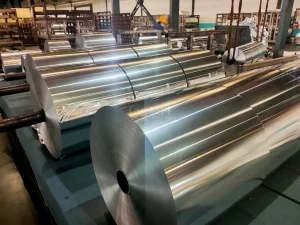
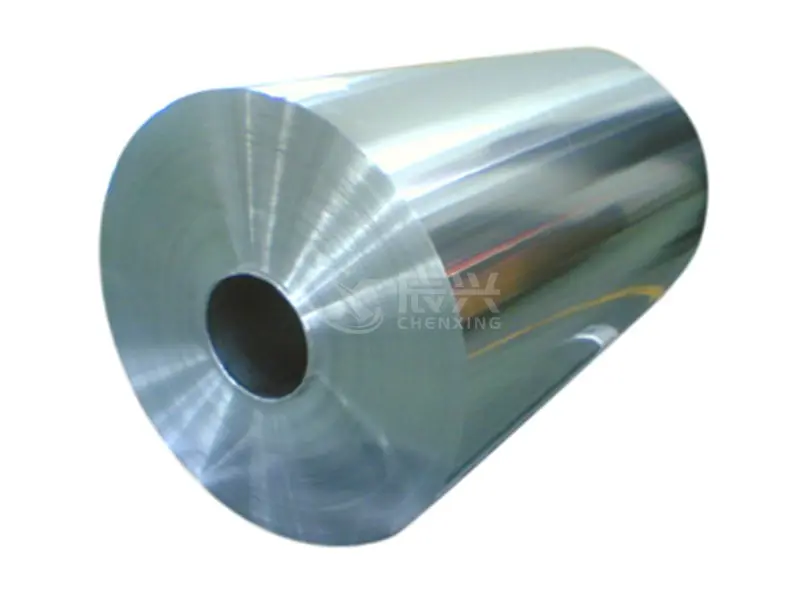
The global transition to electric vehicles (EVs) has prioritized weight reduction. High-strength aluminum alloys, such as the 5xxx and 6xxx series, are key in reducing the weight of EV body-in-white (BIW) systems. Our ultra-thin battery aluminum foils are specifically engineered to optimize current collector performance in lithium-ion batteries. These foils provide the mechanical tension and electrochemical stability required to support high-capacity anode and cathode coatings.
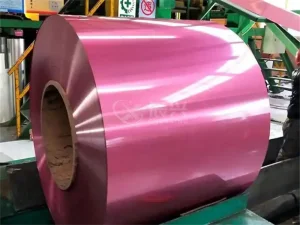
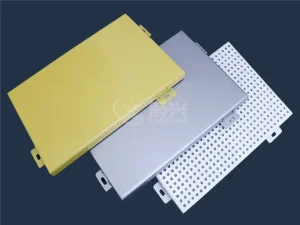
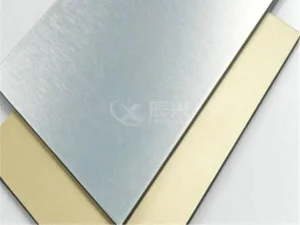
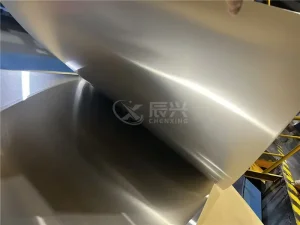
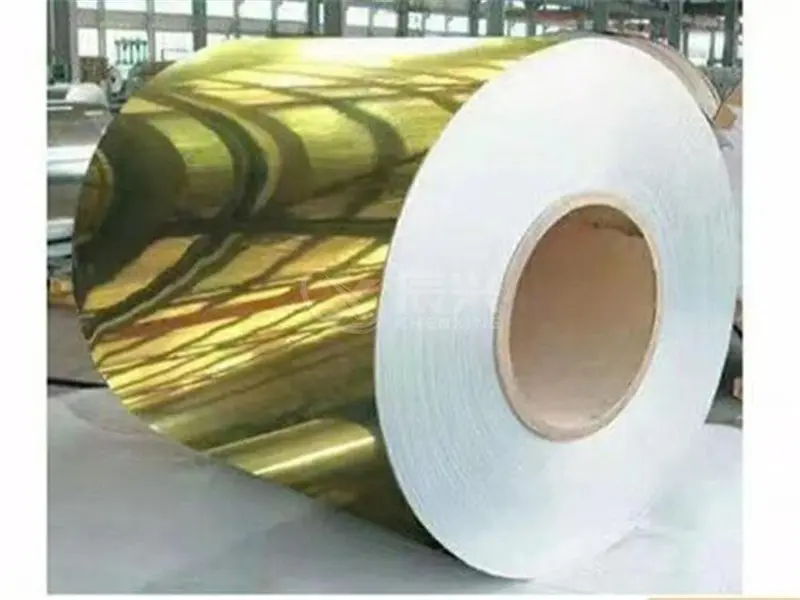
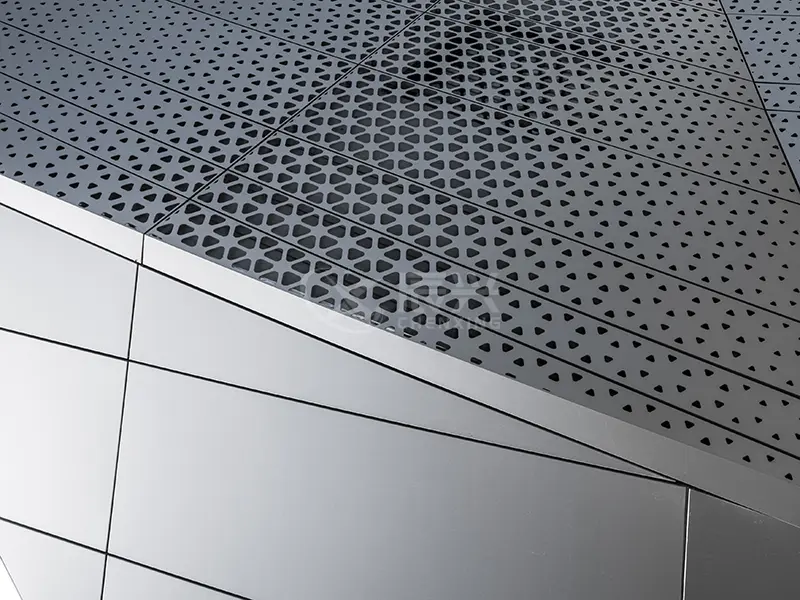
Architectural applications require materials that combine aesthetic versatility with weather protection. Our polyester-coated color aluminum coils and solid aluminum panels are treated with specialized PVDF coatings. This treatment ensures lasting UV protection, resistance to acid rain, and structural stability, helping to prevent building envelope degradation in harsh coastal or industrial environments.
Custom alloys optimized for maximum heat dissipation in electronics and industrial heat exchangers.
Structural reliability under high load-bearing constraints, verified through tensile and hardness testing.
Fully compliant with major international standards including ASTM, EN, DIN, and ISO 9001 certifications.
Our manufacturing facilities utilize strict hot and cold rolling protocols to achieve exact thickness tolerances. Below is the material guide for our major industrial grades.
| Alloy Series | Key Elements | Common Temper Designations | Tensile Strength (MPa) | Primary Industrial Applications |
|---|---|---|---|---|
| 1xxx Series (e.g., 1050, 1100) | Al ≥ 99.0% | O, H14, H18, H24 | 80 - 145 | Chemical equipment, heat exchangers, food processing, lighting reflectors |
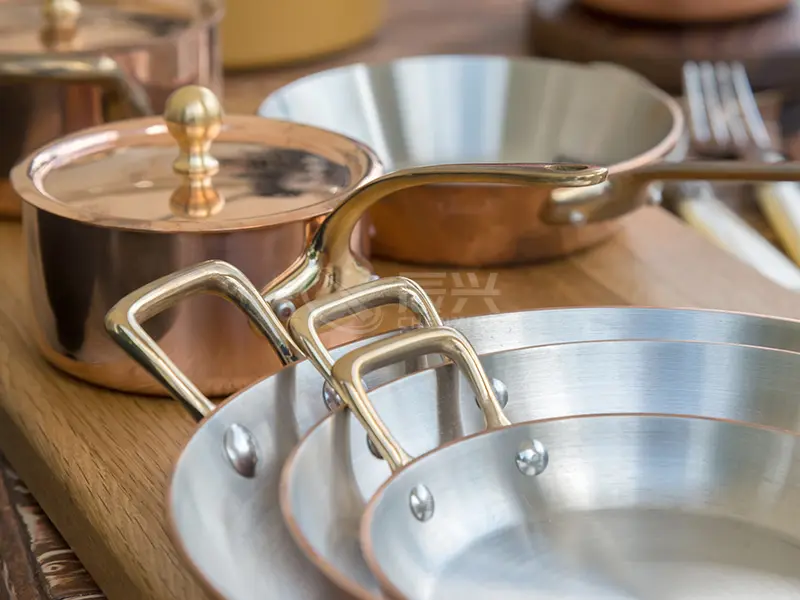
| 3xxx Series (e.g., 3003, 3104) | Al-Mn | O, H14, H24, H18 | 110 - 260 | Beverage cans, architectural cladding, heat transfer systems, cookware |
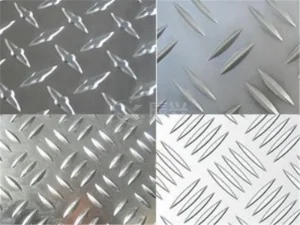
| 5xxx Series (e.g., 5052, 5083) | Al-Mg | O, H32, H34, H111, H112 | 190 - 345 | Marine hulls, transport vehicles, pressure vessels, chemical tankers |
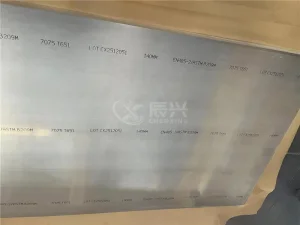
| 7xxx Series (e.g., 7075) | Al-Zn-Mg-Cu | T6, T651 | 480 - 570 | Aerospace structural bulkheads, high-stress tooling, molds, military hardware |
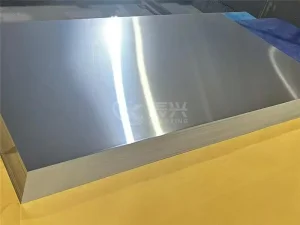
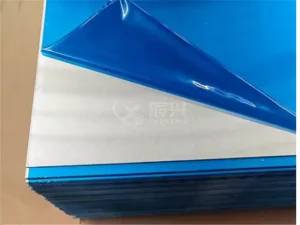
Choosing the correct alloy involves balancing tensile strength, ductility, and corrosion resistance. For example, 5083 aluminum sheets are highly alloyed with magnesium, giving them excellent resistance to saltwater corrosion and stress cracking. This makes them ideal for demanding marine applications.
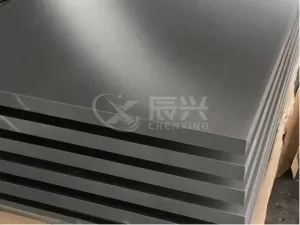
Conversely, 7075 aluminum sheets are alloyed with zinc and copper to achieve a high strength-to-weight ratio. Although copper makes 7075 more susceptible to corrosion than the 5xxx series, its high mechanical yield strength makes it essential for structural aerospace and high-stress tooling components.
Raw aluminum develops a natural oxide layer that offers basic protection. For industrial environments, this is often insufficient. Our anodized aluminum sheets undergo an electrochemical oxidation process that thickens the surface layer, turning it into a durable aluminum oxide finish. This protective coating resists abrasion, improves thermal insulation, and allows for clean aesthetic coloring without peeling or flaking.
Our industrial aluminum serves as a core material across a wide range of global sectors. Each application is backed by certified testing reports.
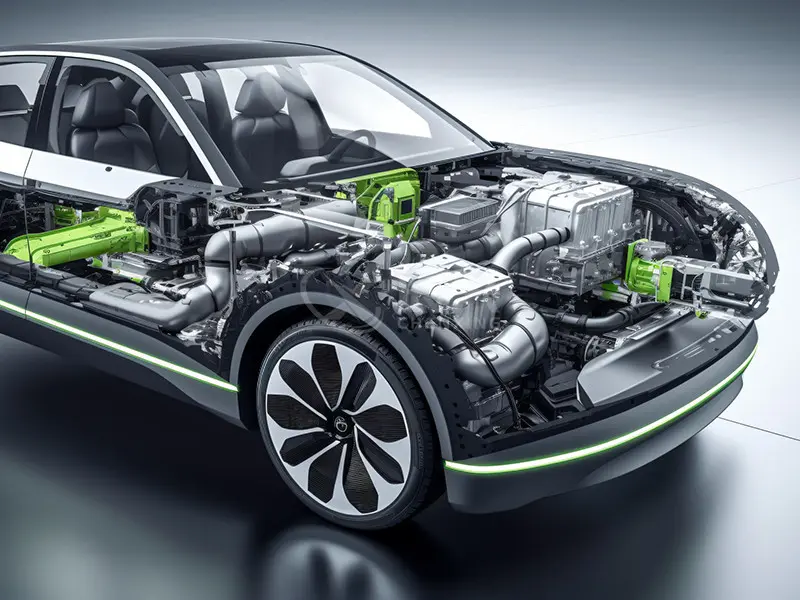
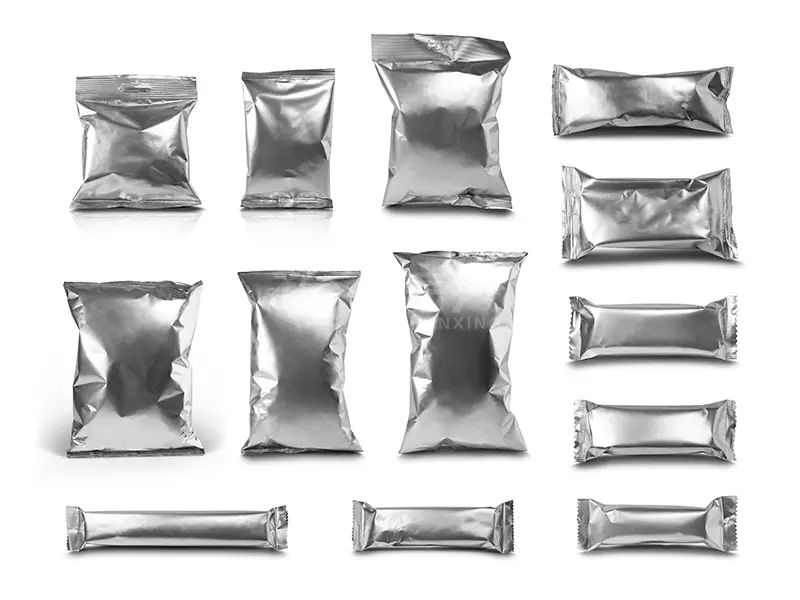
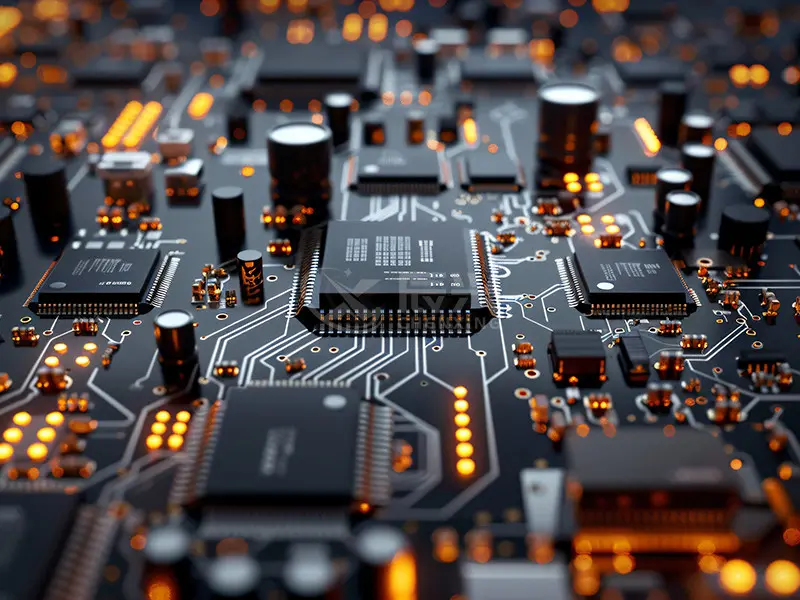

Our R&D efforts focus on reducing carbon footprints and improving alloy properties through precision thermal processing.
Analyzing the increase in international demand for semi-finished structural profiles and heavy plate components.
More news →
How changes in solid-state and lithium-iron phosphate battery designs are reshaping thin-foil requirements.
More news →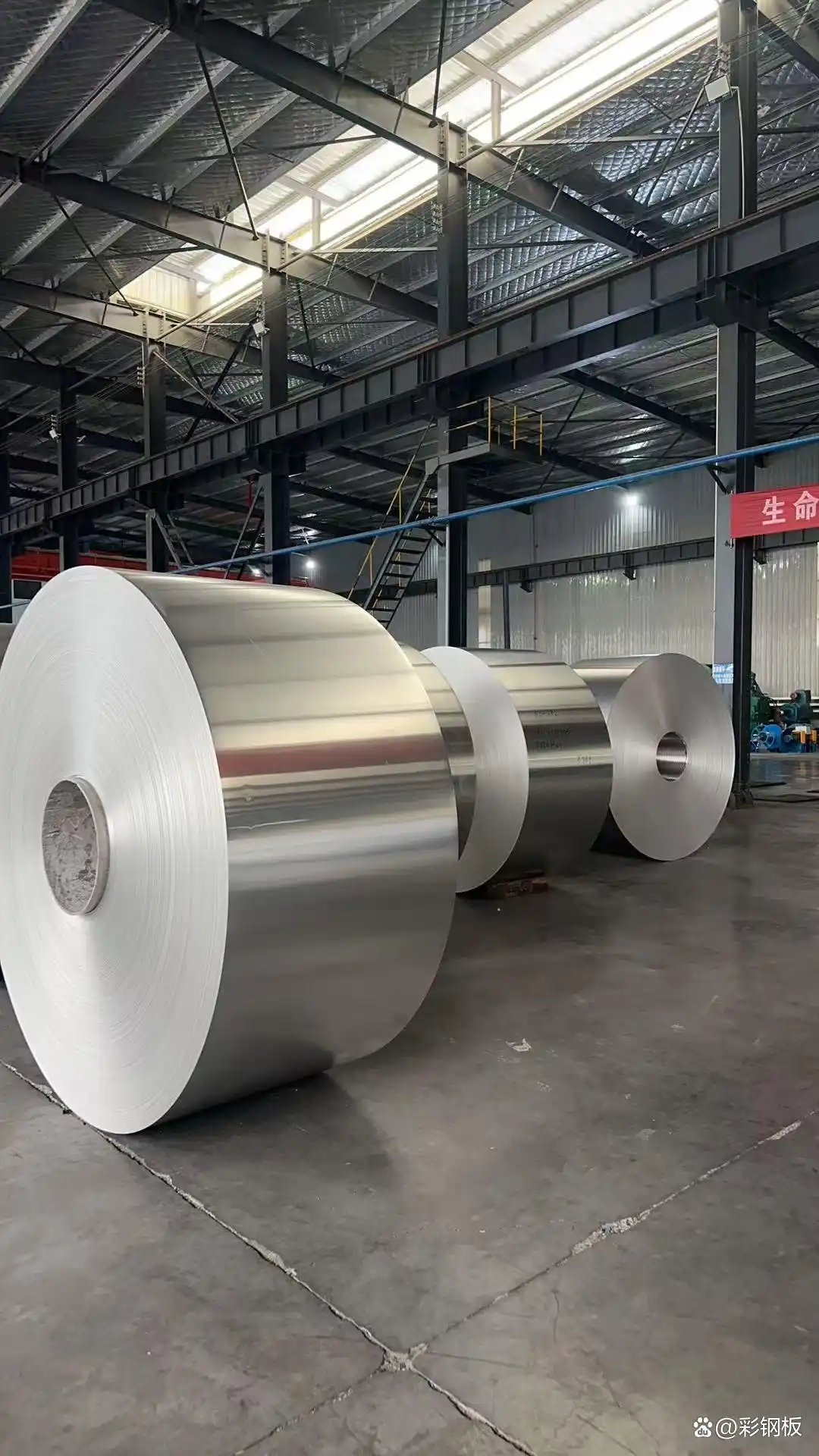
Investigating low-emission smelting processes and the increasing use of recycled content in building cladding sheets.
More news →Expert answers to common engineering, procurement, and logistics questions concerning Chinese aluminum manufacturing.
5052 and 5083 are both Al-Mg alloys. However, 5083 contains a higher magnesium content along with trace amounts of manganese. This composition provides 5083 with higher tensile strength and better resistance to marine environments compared to 5052. 5052 is often selected for sheet metal work, architectural components, and fuel tanks, whereas 5083 is widely used for heavy marine hulls, pressure vessels, and structural rail cars.
We use automated AGC (Automatic Gauge Control) rolling systems during production. These systems monitor thickness in real-time, allowing us to maintain a precision tolerance of ±0.1μm for battery foils. This consistency is essential to prevent hot spots or delamination in energy storage cells.
All shipments are supplied with standard Material Test Certifications (MTC) to EN 10204 3.1. This documentation includes detailed chemical analysis, mechanical property test results (tensile strength, yield strength, elongation), and grain size checks. Upon request, we can also provide SGS or third-party laboratory verifications.
For standard alloys (such as 1xxx, 3xxx, and 5xxx series), the typical Minimum Order Quantity (MOQ) ranges from 3 to 5 metric tons per size. Customized tempers or custom anodized finishes generally require 10 metric tons. Production lead times average 25 to 40 days, depending on mill schedules and shipping options.
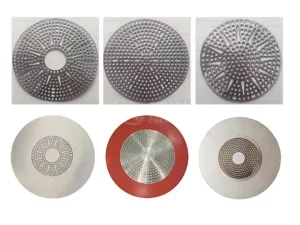
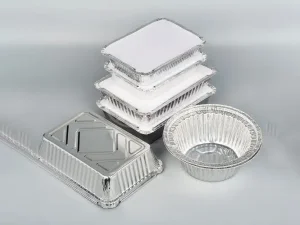
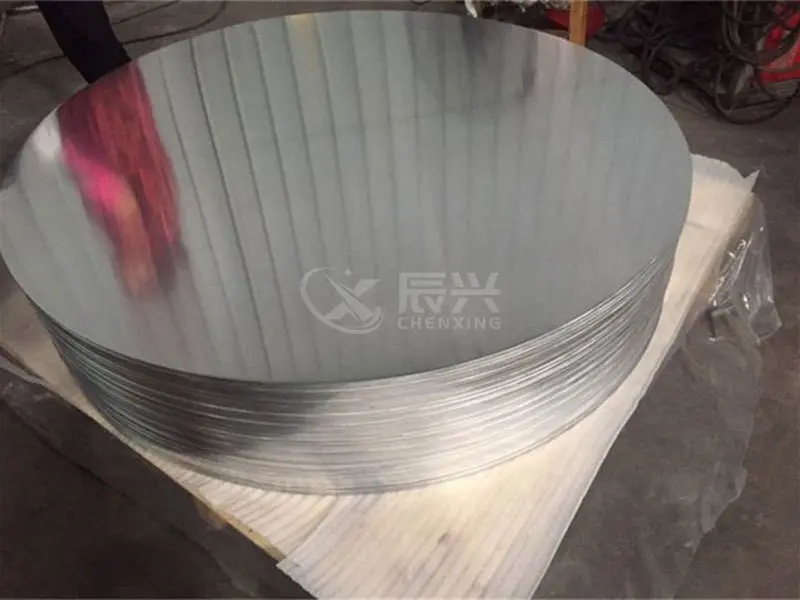
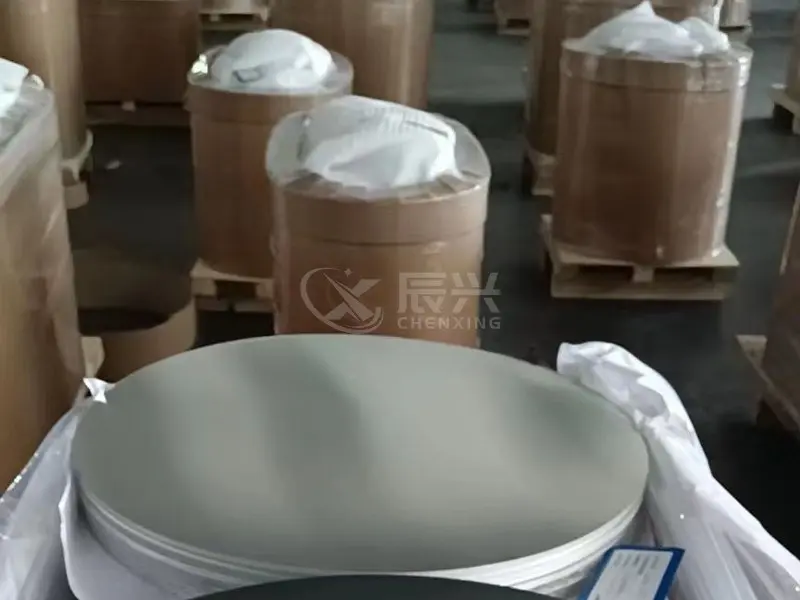
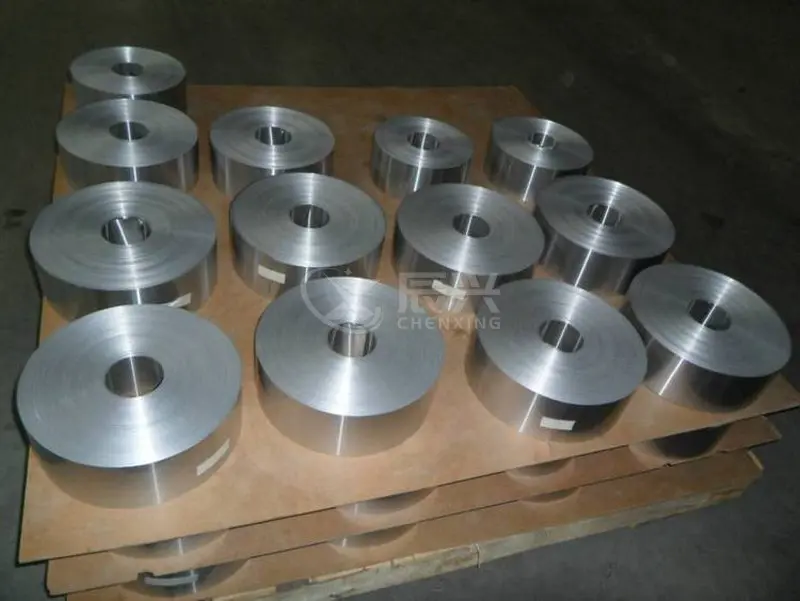
Our production lines process high-strength structural sheets, protective packaging foils, and precision circles for cooking utensils.
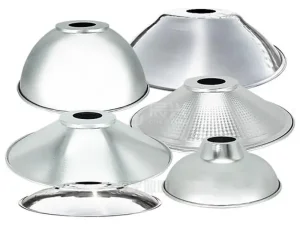
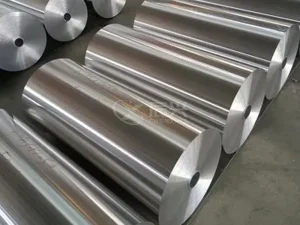
Our specialized manufacturing divisions produce a wide range of semi-finished aluminum materials, from light foil to heavy structural plate.
Connect with our technical sales division to receive engineering support, verify alloy certifications, or request bulk pricing configurations.
Submit Specification Now