
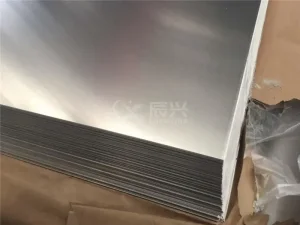
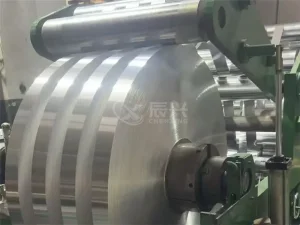
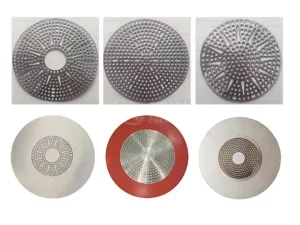
The global demand for high-strength, visually striking architectural and engineering materials has positioned Golden Aluminium Sheets at the apex of design innovation. Moving beyond standard mill finishes, industrial projects now demand surface treatments that combine corrosion resistance with exceptional aesthetic properties. Through advanced electro-chemical anodization and specialized polyvinylidene fluoride (PVDF) color coating processes, manufacturers formulate golden hues that maintain structural and chromatic integrity under extreme UV and weathering conditions.
By mimicking the premium look of brass and gold without carrying the weight or cost penalty, these specialized alloys are increasingly integrated into aerospace, high-end electronics, infrastructure paneling, and marine engineering applications. This structural transition is driven by the industry's need for lightweighting, cyclical sustainability, and superior mechanical performance.
| Parameter | Standard Value |
|---|---|
| Anodizing Film Thickness | Class I (23µm+) / Class II (15-22µm) |
| Specular Gloss (60°) | 20% - 85% (Configurable) |
| Tensile Strength (Rm) | 120 - 310 MPa (Alloy Dependent) |
| Color Deviation (ΔE) | < 1.0 (CIELAB Space) |
| UV Resistance Rating | AAMA 2605 / Qualanod Certified |
Procuring metallurgical products requires a clear alignment between alloy characteristics and structural needs. Golden Aluminium Sheets are engineered to fulfill targeted design parameters across multiple industries.
In high-exposure geographic zones like the Middle East and coastal regions, anodized gold aluminum acts as a barrier against coastal salinity and desert sand abrasion. Compliance with AAMA 2605 guarantees minimal color degradation over decades.
Smartphones, high-fidelity audio equipment housing, and computing systems rely on 5xxx and 6xxx series alloys. These materials support deep chemical etching and gold anodization, creating micro-abrasion resistant shells with high thermal dissipation.
Used in high-speed rail systems and luxury yachts, decorative gold panels are treated for flame-retardant performance and structural durability, meeting international transportation safety codes like EN 45545.
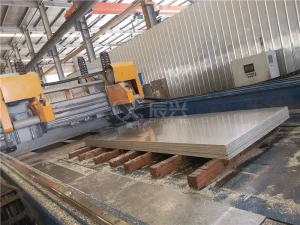
The manufacturing infrastructure for golden aluminium sheets in China has evolved through digital automation. By incorporating Industry 4.0 smart controls, rolling mills optimize ingot preheating and cold rolling thickness tolerances in real time. Dynamic measurement systems utilize laser gauges to track flatness, ensuring variance across the sheet width remains within strict parameters (< 0.05 mm).
For anodizing processes, robotic crane lines systematically control dipping times in gold-tinting electrolyte baths. This automated monitoring helps maintain chemical consistency, eliminating the sheet-to-sheet color variation often found in older production lines. Furthermore, integrated raw material networks and secure shipping partnerships ensure stable, resilient supply chains, even during volatile global market conditions.
Different aluminium alloys respond uniquely to chemical treatments and physical manipulation. Choosing the correct alloy series determines the performance limits of your final components.
Commonly: 1050, 1100, 3003
Excellent choice for deep drawing and metal forming. Highly reflective surface with excellent anodizing potential. Commonly used for high-end cookware, reflectors, and light structural panels.
Commonly: 5052, 5083, 5754
Highly resistant to saltwater and chemicals. Delivers strong performance in structural applications and anodizes with a consistent surface appearance. Often selected for marine hulls and structural casings.
Commonly: 6061, 6063, 6082
Formulated for structural applications. Offers a balanced ratio of strength to weldability. Responds well to heat treatment, making it a reliable standard for structural extrusions and frames.
Commonly: 7075
High strength-to-weight ratio. Formulated for heavy stress environments. Although harder to anodize for cosmetic purposes, it is vital for aerospace components and critical structural elements.
Aluminium is a highly versatile material. Explore the specific roles our alloys perform across key industrial sectors:
Supplying high-strength, lightweight sheets for aerospace panels, vehicle frames, and marine hull designs, lowering overall structural weight and optimizing fuel efficiency.
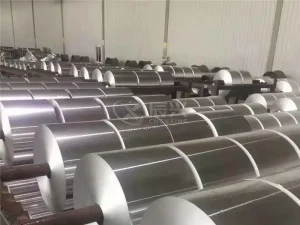
Supplying high-purity foil rolls and sheets for food, pharmaceutical, and consumer packaging, ensuring reliable protection against contaminants and moisture.
Developing anodized, high-conductivity enclosures for mobile devices, laptops, and semiconductors, prioritizing durability and efficient heat dissipation.
Precision-machined structural alloys (including 7075 and 6082) engineered for aircraft load-bearing structures, showing high resistance to mechanical stress and fatigue.
High-grade exterior panels, roofing sheets, and structural frames that combine environmental durability with low maintenance requirements for modern architecture.
Brushed and gold-coated finishes for refrigerators, microwave trim panels, and air duct systems, providing corrosion resistance and clean modern finishes.
Our engineering support team provides detailing, structural advice, and quotes within 24 hours.