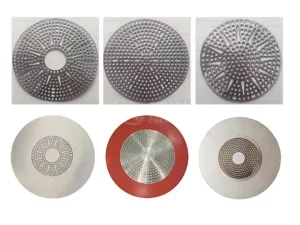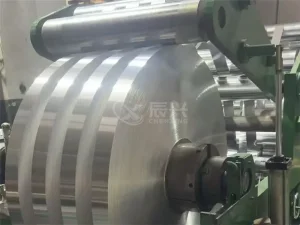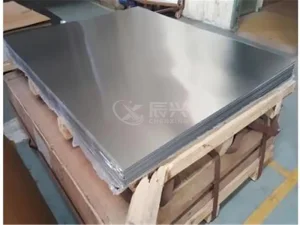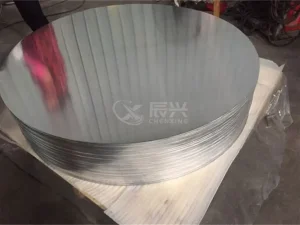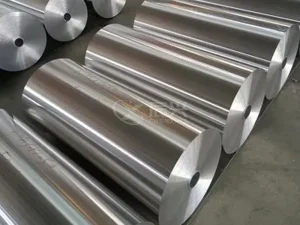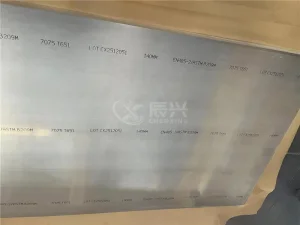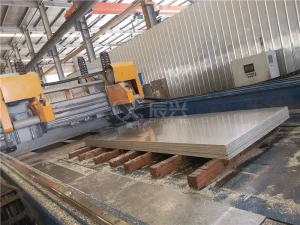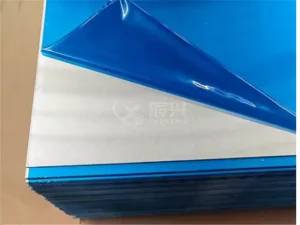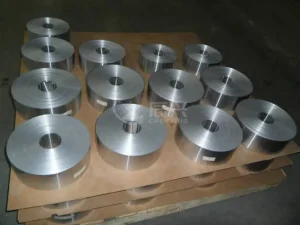
Premium grade raw processing from fully certified Chinese ISO 9001 and IATF 16949 facilities. Explore critical structural parts and raw blanks.
A technical guide analyzing structural alloy innovations, smart rolling technologies, carbon footprints, and quality control systems.
For multinational procurement managers, architectural designers, and design engineers, sourcing aluminum from China has evolved beyond simple unit-price comparison. Driven by global decarbonization targets and strict mechanical requirements, the procurement strategy now focuses on Information Gain, process control, and metallurgy traceabilities. Advanced mills in China leverage continuous casting systems, computerized cold-rolling controls, and automated heat-treatment furnaces to output metals matching European EN and American ASTM standards.
1. Temper Control: Hardness uniformity and grain boundary size direct influence downstream deep drawing, anodizing quality, and stress crack resistance.
2. Supply Chain Integration: Opting for manufacturers integrating smelting, continuous rolling, slitting, and surface finishing drastically minimizes material defect rates and transit costs.
3. ESG & Carbon Footprint: Low-carbon and green-certified smelting processes powered by clean energy are becoming essential to pass regulatory cross-border adjustment taxes (CBAM).
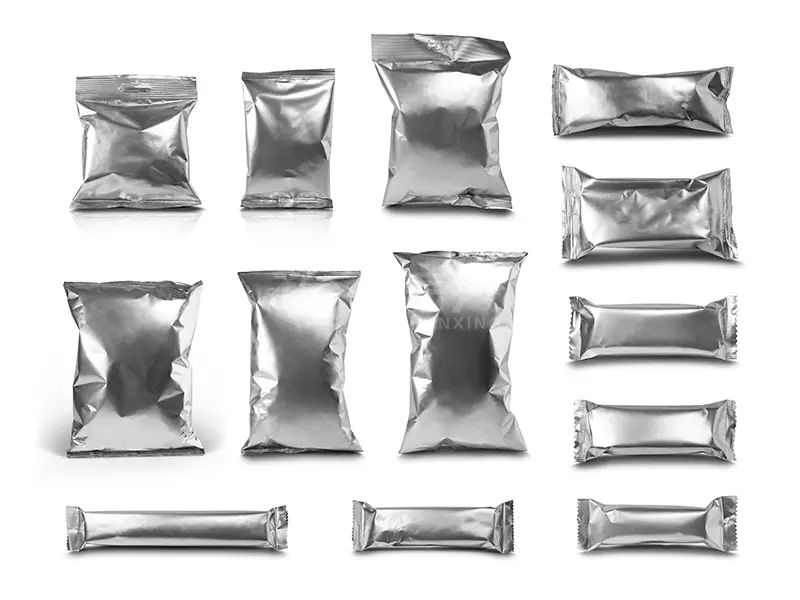
The manufacturing blueprint of advanced Chinese mills focuses on grain structural optimization and high-precision shape configuration. In the production of alloy foils like Lithium-ion Battery Foil, mills must control thickness deviation within ±0.1μm and guarantee zero pinhole defects. This is achieved by introducing automated AGC (Automatic Gauge Control) and AFC (Automatic Flatness Control) systems directly into the rolling loops.
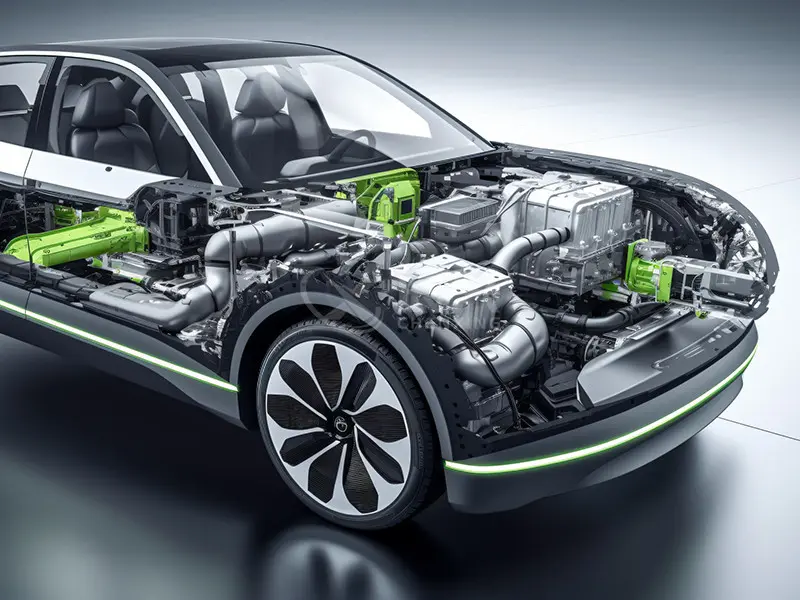
Future outlook highlights the adoption of lightweight high-strength alloys (such as 7xxx series and Al-Li variants) for battery enclosures and structural panels. Concurrently, manufacturers are integrating real-time quality scanning systems to trace the history of every batch from ingot formulation to packaging. The goal is to provide a fully transparent manufacturing timeline for Aerospace and EV clients.
Modern applications demand specialized alloy performance. A single grade cannot satisfy both deep structural forming and structural rigidity. China's top factories manufacture bespoke solutions:
Combining heavy manufacturing capabilities with smart processing guarantees predictable delivery times and tight chemical tolerance ranges.
Choose from our verified product lines, processed dynamically to fit global industrial standards.
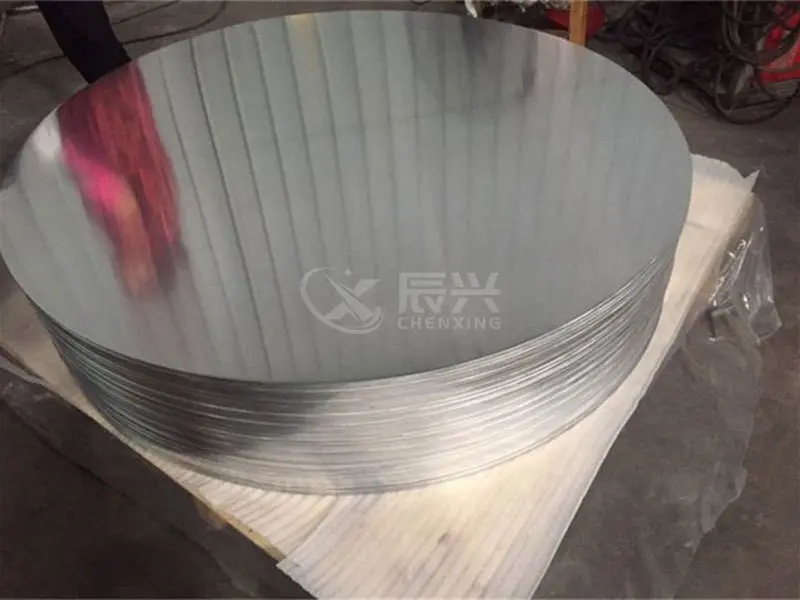
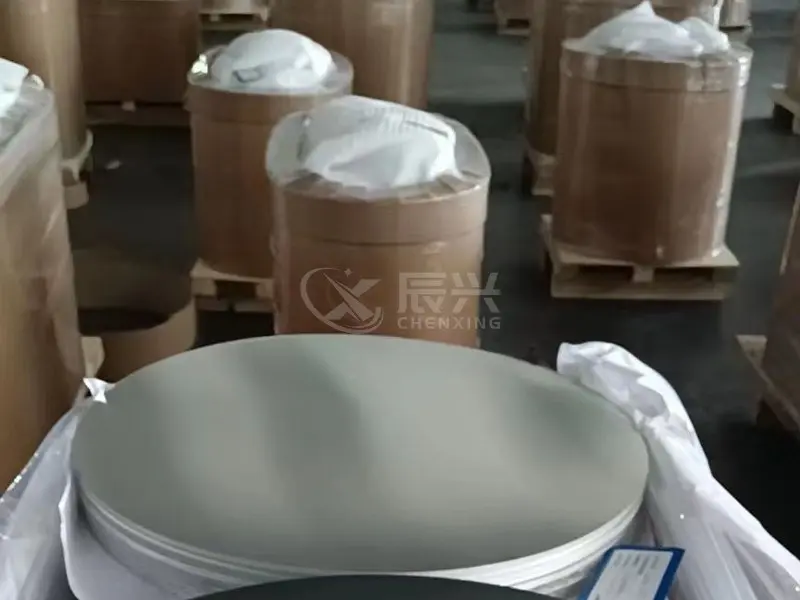
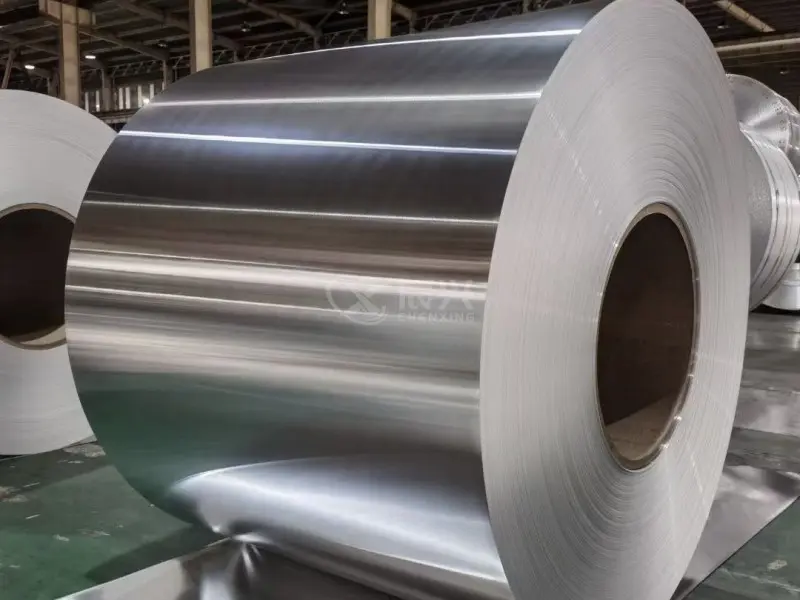
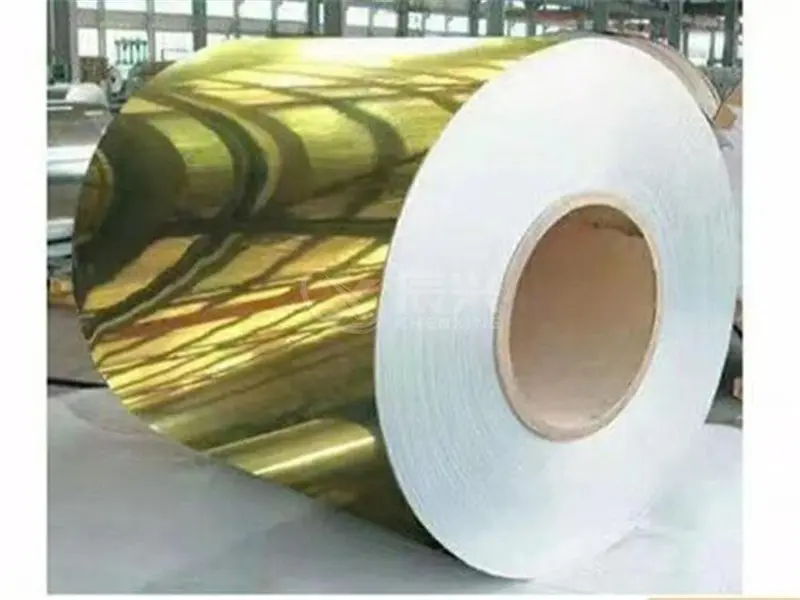
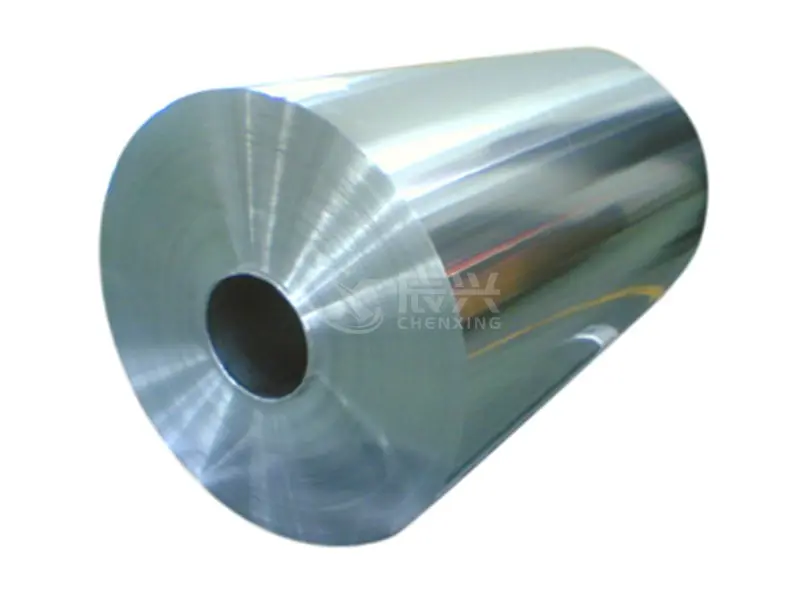
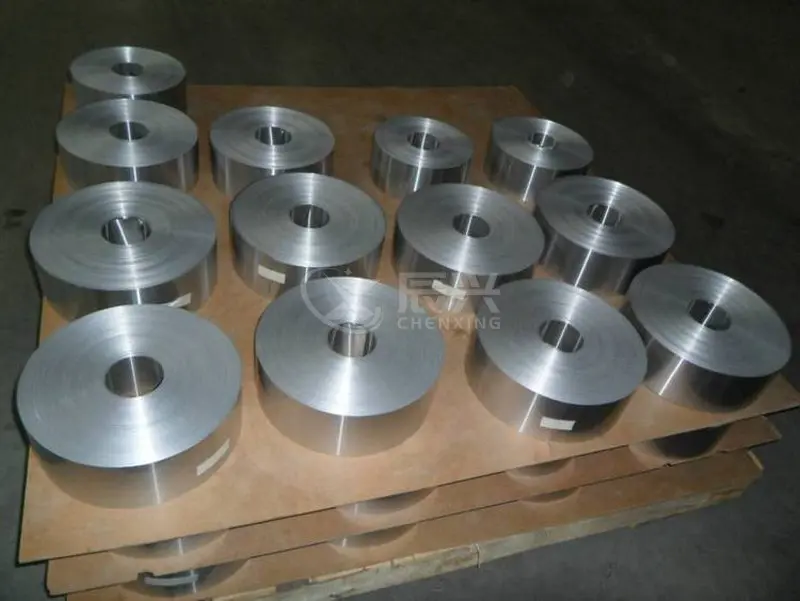
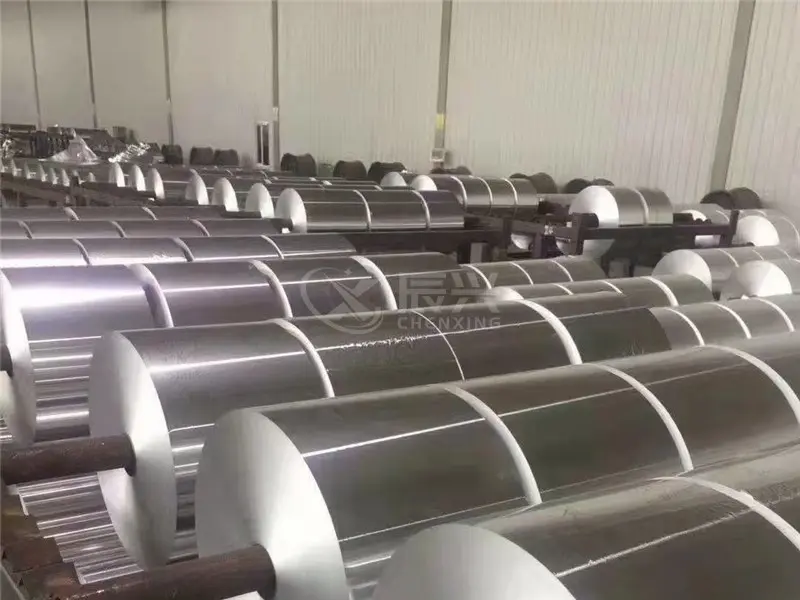
We configure alloy composition, roll parameters, and heat treatment to align perfectly with industry-specific standards.


Insights on raw material market shifts, green metallurgy advancements, and plant expansion milestones.
Analyzing international demand curves for light-weight transport sections.
Read Full Trend Report →
Understanding the shift towards high-tensile foil alloys for EV solid-state power-packs.
Read Full Trend Report →
Exploring low-carbon smelting operations and scrap circularity initiatives.
Read Full Trend Report →One major bottleneck in sourcing metals globally is navigating complex trade compliance regulations and tariff framework dynamics. As a reliable manufacturing partner, our shipping departments supply full documentation packages: Form E, Certificates of Origin, SGS chemical test sheets, and ISO conformity lists.
We work closely with global logistics networks to handle anti-dumping duties, offering customized sea route shipping plans or rail transit options via the Eurasia Land Bridge. Our materials comply fully with RoHS, REACH, and FDA (Food Grade) standards, preventing customs delays and material rejection risks at port arrival.
When selecting a Chinese factory, sourcing teams must distinguish between primary rollers, local secondary processors, and trading brokers. Primary rollers control quality directly from the liquid furnace stage, ensuring structural and chemical integrity. Key parameters to monitor include grain refinement levels (via TiB alloy additions) and filtration mesh sizes used in the casting line to block micro-impurities.
Working directly with integrated manufacturers reduces communication lag. An integrated mill can customize alloys, adjust tempers (like H18 down to O temper), and resolve quality issues rapidly using structured 8D troubleshooting protocols.
Direct answers addressing temper selection, chemical tolerances, logistical processing, and custom sizing requests.
Premium solutions configured for battery cells, electronic enclosures, HVAC insulation barriers, and heavy-duty structural parts.
Request physical mill samples, metallurgical test reports, or custom thickness slicing parameters. Our technical engineers respond within 24 hours with complete 8D processing timelines.