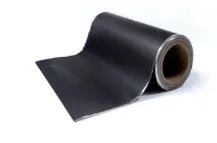
Premium grade structural aluminum components and performance alloys manufactured to international regulatory standards.
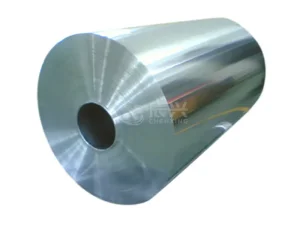
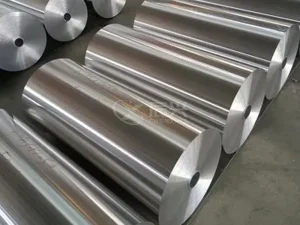
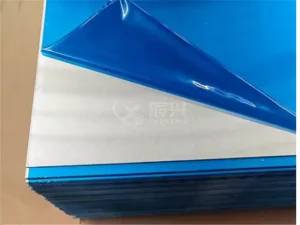
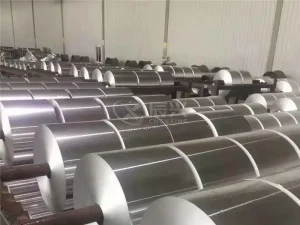
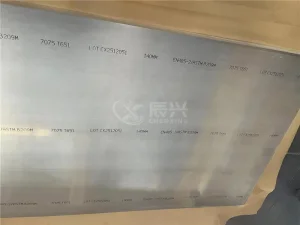
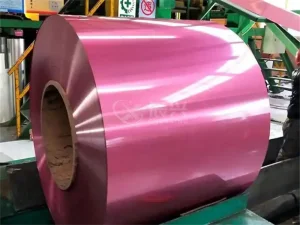
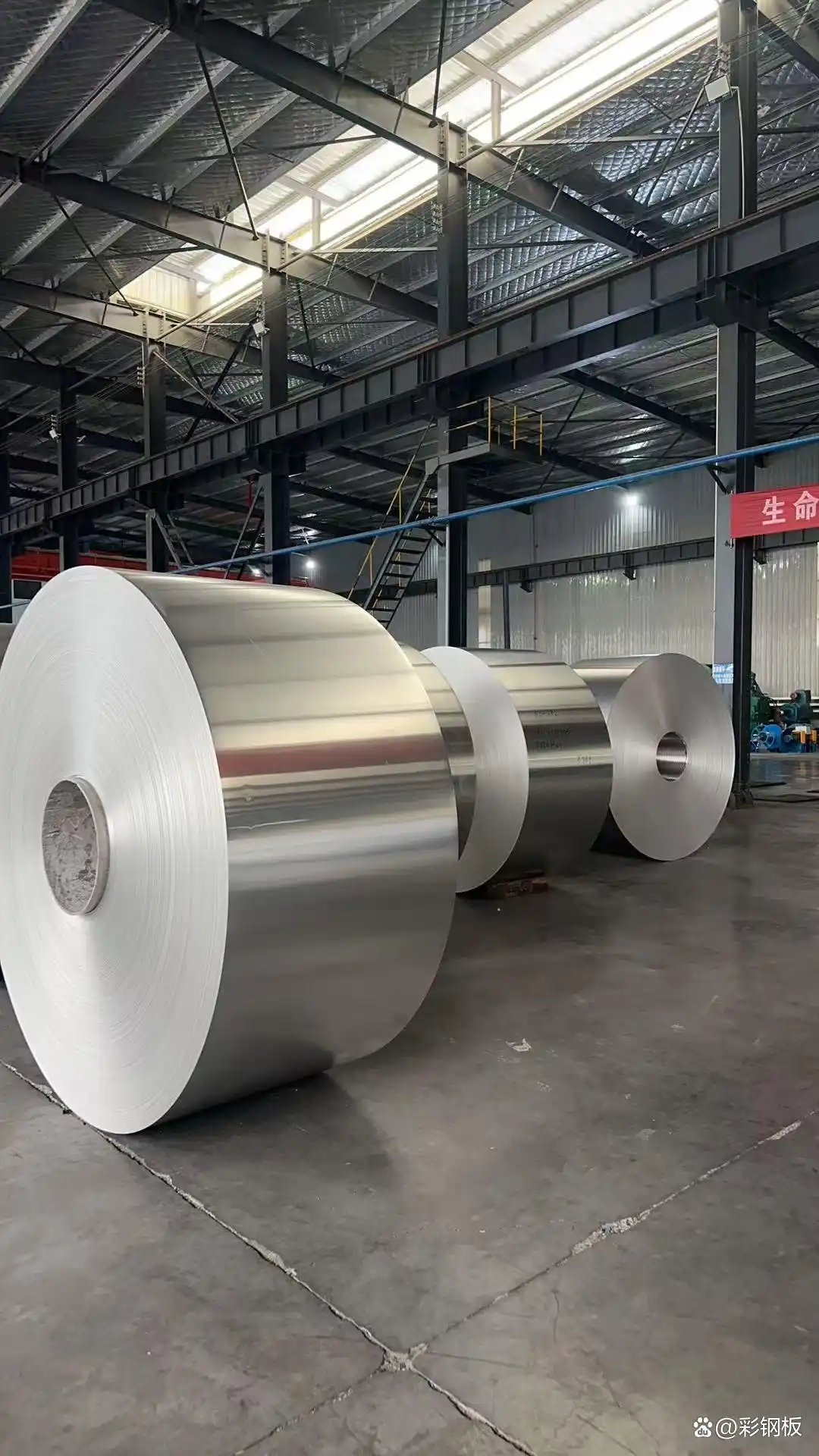
A look at the scale of our production pipelines and global trade footprint.
The global demand for high-strength, low-weight, and highly-conductive metal alloys has propelled modern industrial supply chains to demand more than standard raw aluminum profiles. Today's industries seek integrated Deep Aluminium Manufacturing platforms. "Deep processing" involves secondary metallurgical modifications, thermal processing, state-of-the-art cold and hot rolling, micro-alloying, and customized surface texturing to produce components that align directly with high-performance aerospace, automotive, electronics, and power storage requirements.
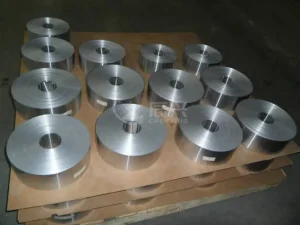
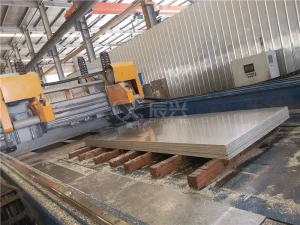
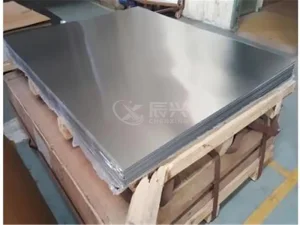
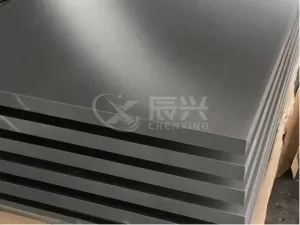
As a leading tier-1 China deep aluminum factory, we leverage advanced metallurgical tooling, state-of-the-art continuous casting lines, and automated cold-rolling mills. This allows us to supply specialized components, including structural 5052 and 5083 alloys, high-performance battery-grade foil for anode collector plates, and thin-gauge air conditioning fins optimized for thermal dissipation.
Utilizing high-purity base ingots combined with controlled addition of magnesium, manganese, silicon, and trace elements to optimize crystalline structures for tensile strength and marine-grade corrosion resistance.
Equipped with computerized Automatic Gauge Control (AGC) systems, we achieve uniform thicknesses down to micro-millimeter levels for foils used in capacitors and next-gen solid-state battery applications.
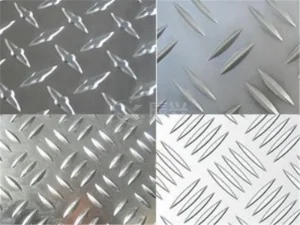
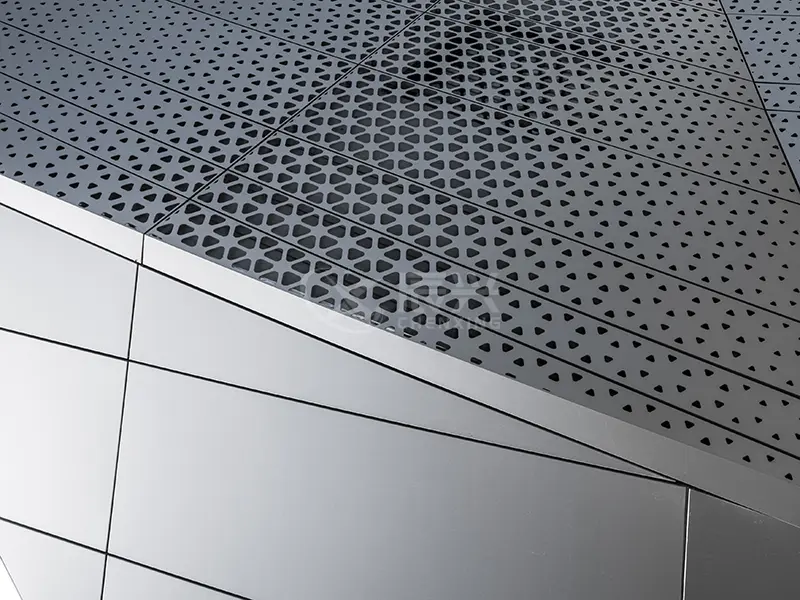
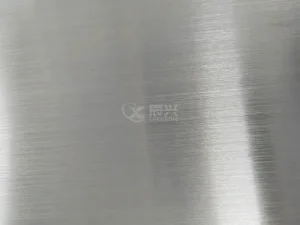
Specialized treatments including anodizing, organic polyester coating (PE/PVDF), structural stucco-embossing, and brushed micro-finishing to enhance visual quality, adhesion, and anti-slip properties.
Procuring raw and structural metals on a global scale presents several challenges: ensuring chemical composition compliance, managing logistics, navigating cross-border trade tariffs, and verifying carbon footprints. For procurement teams in industrial manufacturing hubs, partnering with a deep processing facility in China offers clear benefits:
Different industries require unique structural properties. Our engineered portfolio provides target solutions designed for complex operating environments:
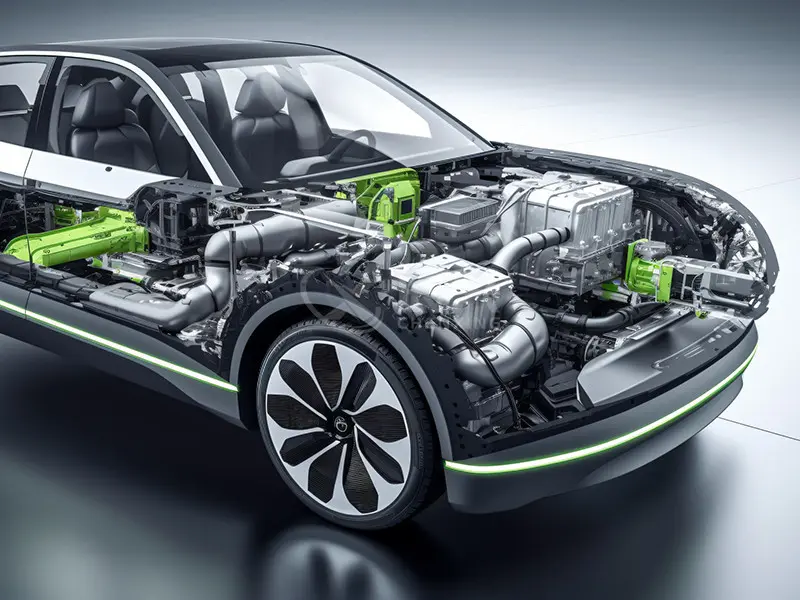
1. Automotive Lightweighting & Aerodynamics: Reducing vehicle weight is essential for expanding EV range. High-formability 5052 and 6000-series alloy sheets provide the strength-to-weight ratios needed for outer body panels, internal reinforcements, structural chassis parts, and heat shields.
2. Marine Engineering & Offshore Environments: Under high-salinity conditions, regular steel is prone to corrosion, while basic aluminum grades can undergo pitting. Our 5083 structural plate is specially alloyed with magnesium to resist salt-water degradation. This makes it a preferred choice for vessel hulls, superstructures, offshore platforms, and heavy transportation tanks.
3. Advanced Power Storage & Thermal Systems: Modern Li-ion batteries require ultra-thin, high-purity aluminum foil as an anode current collector. In these applications, even minor surface defects or pinholes can cause cell failures. Our dust-free cleanrooms and high-precision foil rolling mills supply high-purity foils that maintain mechanical integrity even under tension.
The next decade of industrial aluminum fabrication will center on decarbonization, automation, and advanced micro-alloys. Our factory's long-term roadmap focuses on three main initiatives:
By using green primary aluminum (smelted with renewable hydroelectric power) and integrating closed-loop scrap recycling pipelines, we aim to reduce the carbon footprint of our finished products by 40% over the coming years.
We are deploying real-time sensor networks across our cold-rolling mills. These IoT-enabled optical systems check for surface irregularities and gauge consistency in real time, preventing defects before they run through the line.
Our metallurgy team is developing micro-alloy formulations containing trace additions of scandium and zirconium. These new structures exhibit enhanced thermal stability and fatigue strength, suitable for next-generation aerospace and high-speed rail designs.
Providing high-precision aluminium materials across diverse industrial sectors.
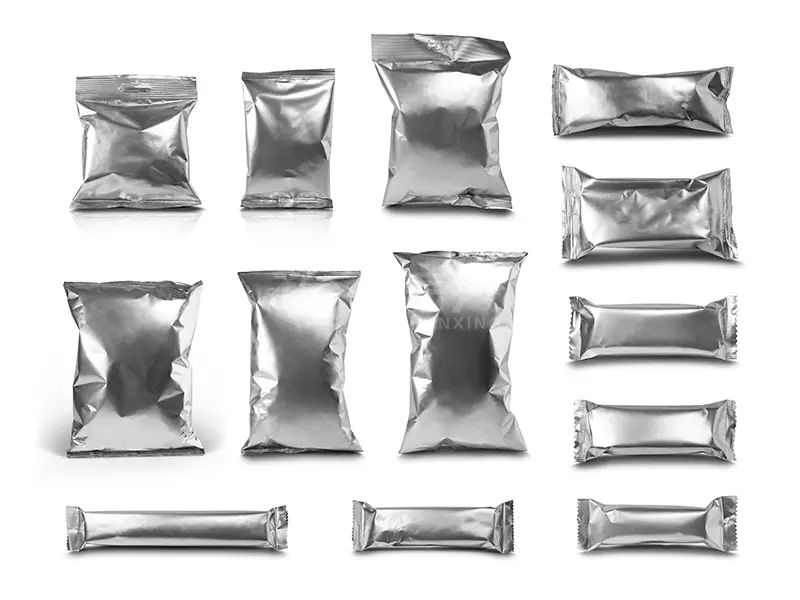



Stay informed on industrial developments, market trends, and metallurgical breakthroughs.
Engineered alloys, coil profiles, and customized structural configurations.

Answering common questions on alloy selection, manufacturing specs, and shipping logistics.
Whether you require custom thickness tolerances, dynamic surface profiling, or bulk raw materials, our engineering group is ready to support your project. Connect with our technical sales team for pricing, mill lead times, and custom processing capabilities.
✓ 24-Hour Technical Assessment Response
✓ IATF 16949 and ISO Compliant QA Workflows
✓ Comprehensive Logistics and Customs Handling Support