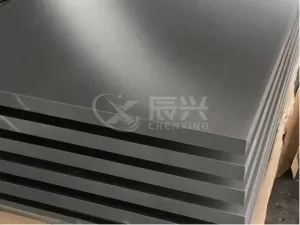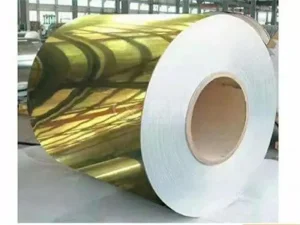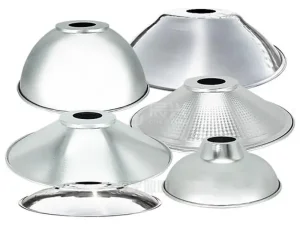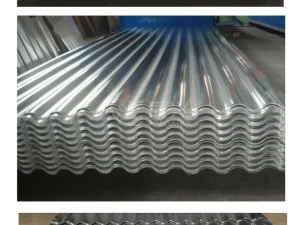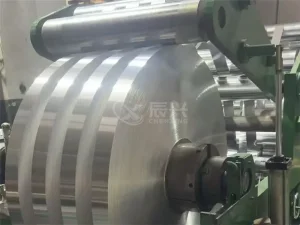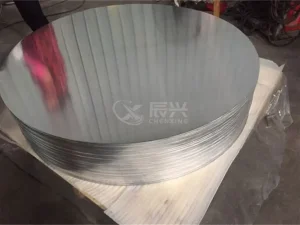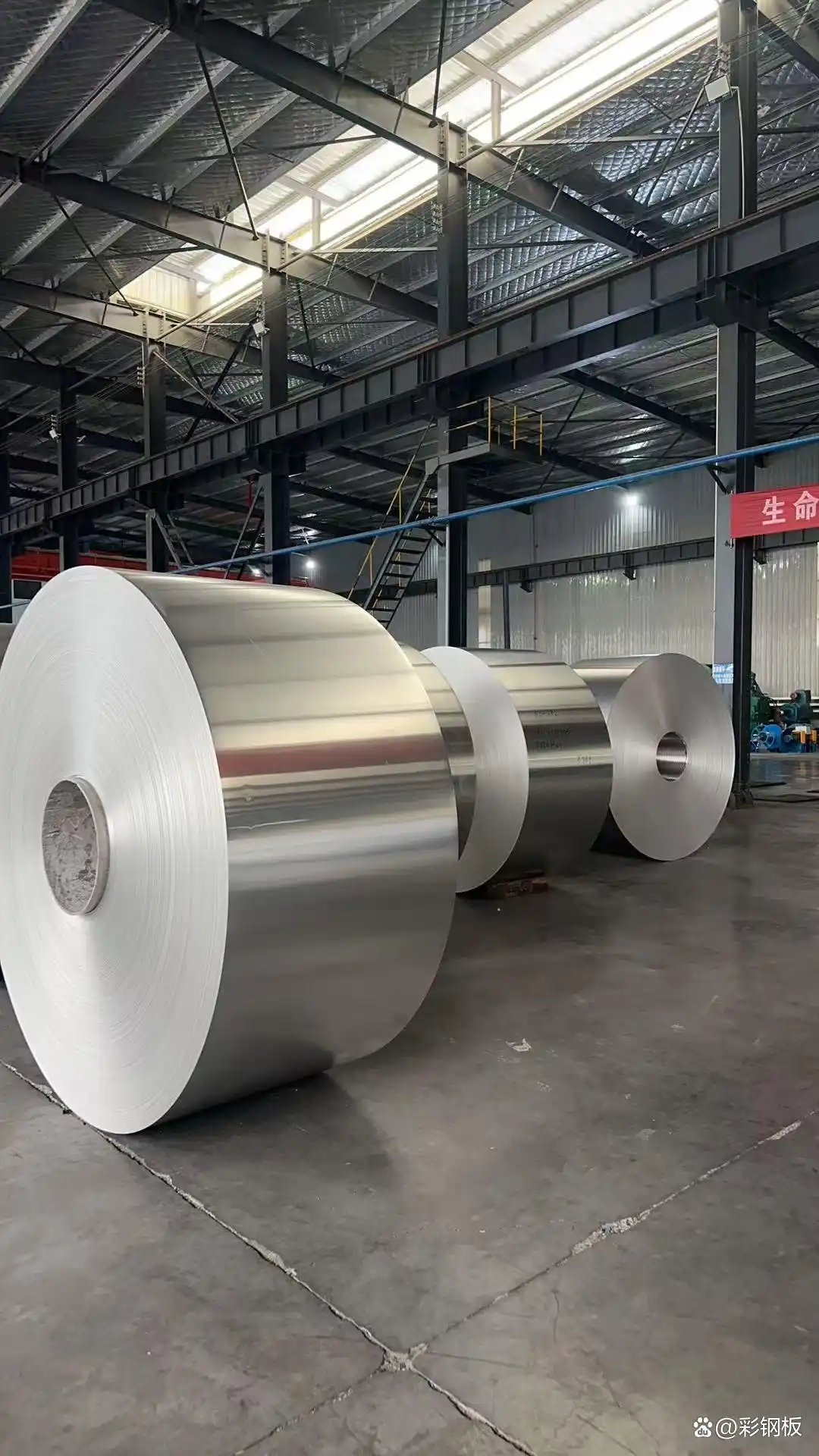
Explore our diverse catalog of primary mill-grade aluminum materials optimized for custom engineering solutions.
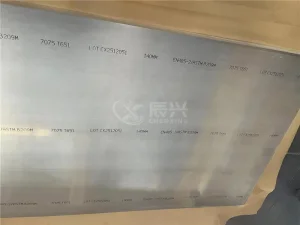
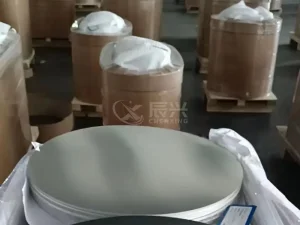
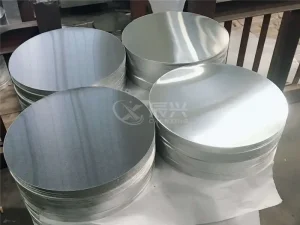
Combining 20+ years of industrial legacy with globally verified tracking systems and 8D response mechanisms.
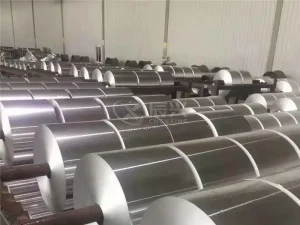
As the international manufacturing framework migrates towards high-precision and decarbonized logistics, the demand for aluminum stripes (commonly designated as narrow aluminum coils or precision slit strips) has experienced exponential growth. These materials are structural necessities in sectors ranging from power electronics, thermal transfer systems, and architectural facades to specialized heavy engineering components.
Historically, the aluminum supply chain relied on regional service centers. However, the structural rise of large-scale, vertically integrated Chinese operations has fundamentally altered sourcing mechanics. Today, China aluminum stripes company and factory ecosystems represent over 55% of global output, supplying critical feedstocks that satisfy stringent international quality baselines like ASTM B209, EN 573-3, and JIS H4000. Through heavy capital investment in continuous casting lines and automated slitting machinery, these mills deliver unparalleled dimensional stability and raw alloy purity.
Engineered to perform. Select the ideal alloy temper profile to match your operational requirements.
| Alloy Series | Common Tempers | Thickness Range (mm) | Tensile Strength (MPa) | Key Applications |
|---|---|---|---|---|
| 1000 Series (1050, 1060, 1070) | O, H12, H14, H18, H24 | 0.10 - 3.00 | 65 - 135 | Transformer windings, power cables, industrial gaskets, reflective sheets. |
| 3000 Series (3003, 3105, 3004) | O, H14, H24, H18 | 0.15 - 4.50 | 110 - 220 | Radiators, pipe manufacturing, heat exchangers, beverage cans. |
| 5000 Series (5052, 5754, 5083) | O, H32, H34, H111 | 0.20 - 5.00 | 190 - 310 | Marine fittings, fuel tanks, aerospace components, structural enclosures. |
| 8000 Series (8011, 8006) | O, H14, H22, H24 | 0.08 - 0.50 | 80 - 165 | Flexible ducts, composite pipes, air conditioner fins, packaging foils. |
Modern procurement directors focus on three primary matrices when evaluating high-volume raw metal contracts: dimensional repeatability, lead-time responsiveness, and total landed cost. China's structural superiority in processing aluminum stripes stems from two critical structural components:
Unlike factories in Europe or North America, which are often isolated from primary smelters, Chinese production centers (predominantly in Henan, Shandong, and Guangdong provinces) exist within complete industrial clusters. Smelters feed liquid metal directly to continuous casting mills without needing to cast and re-melt aluminum ingots. This layout saves up to 15% in energy consumption, a cost benefit passed directly to the buyer.
To produce strips with burr heights under 5% of the total thickness (a baseline requirement for precision transformer windings), factories utilize CNC-slitting knives. The integration of continuous laser profile scanning systems ensures real-time measurement of strip width tolerances within ±0.05 mm, preventing electrical short-circuits or structural failures during assembly.
Our aluminum stripes and coils are calibrated for performance in the world's most demanding environments.
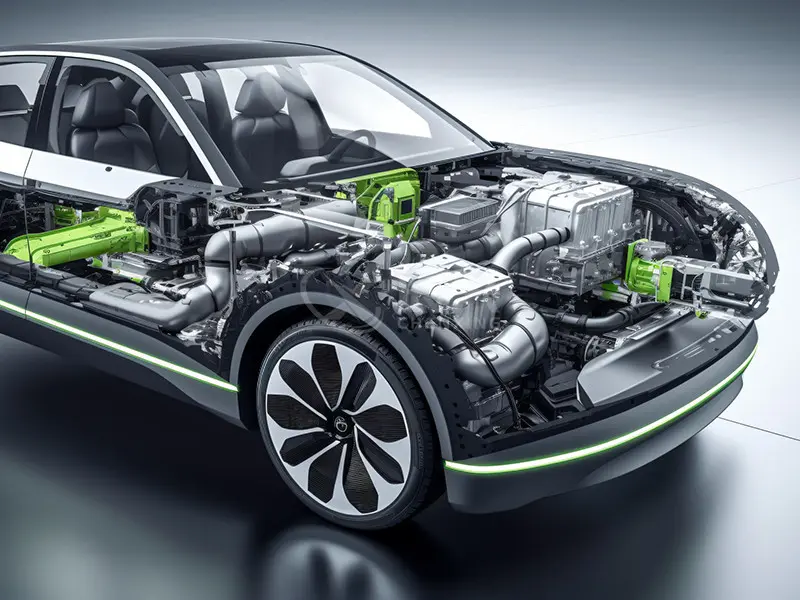
Designed for battery casings, structural lightweight stampings, structural frames, heat shield assemblies, and electric vehicle cooling fins.
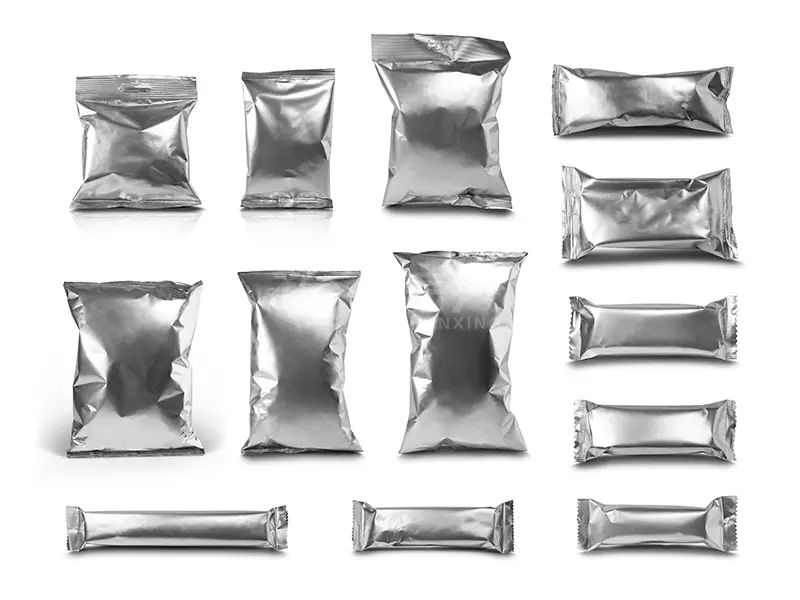
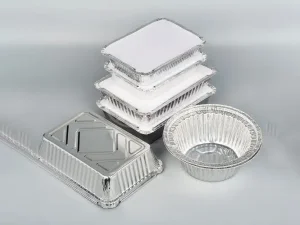
Optimized for food-grade container foil, blister packaging, barrier layers, and aerosol canisters requiring high elongation ratios.

High-conductivity foil strip arrays, capacitor cans, PCB backing plates, shield tapes, and transformer winding elements.

High-strength 7000 and 2000 series aluminum profiles built for heavy load-bearing structural ribs, frames, and skin panels.
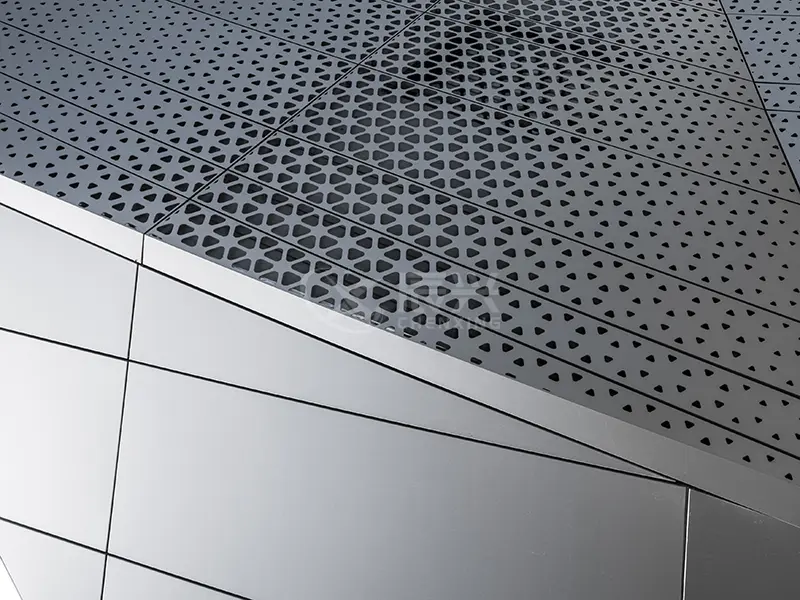
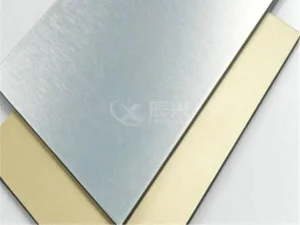
Perfect for composite panel facades, ceilings, venetian blind strips, roofing flashing, and window spacer profiles.
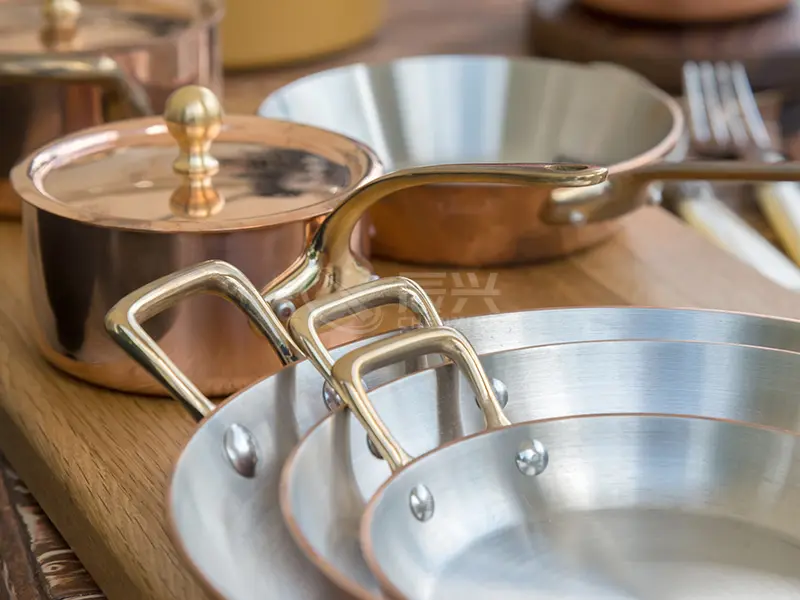
Reflective mirror-finished surfaces, interior liners, evaporator tubes, and high-aesthetic exterior casing overlays.
As international supply chain architectures align with environmental, social, and governance (ESG) regulations, the production of aluminum stripes is undergoing structural shifts:
Get in touch with our metallurgical engineers to configure your aluminum strip parameters. Receive detailed chemical testing reports and customized quotes within 24 hours.
Stay updated on market developments, export dynamics, and technological breakthroughs.
Tracking the structural rise in global shipments of semi-finished aluminum sheets, strips, and foil components to overseas hubs.
Read Full Report →Analysing the chemistry, cleaning protocols, and coating advancements of high-purity aluminum strip substrates for electric vehicle battery packs.
Read Full Report →How regional infrastructure modernization drives demand for pre-painted aluminum coils and structural slitted bands.
Read Full Report →Clear answers to your technical questions regarding aluminum stripes, chemistry specifications, and logistics protocols.
Our precision slitting lines can process down to a minimum width of 8.0 mm for thicknesses ranging between 0.20 mm and 1.50 mm. Width tolerances are held to ±0.05 mm using automated shear controls to ensure clean winding processes.
We maintain edge burrs below 10% (and often below 5%) of the nominal material thickness. This is managed by using premium tungsten carbide rotary knives and implementing real-time laser monitoring systems to detect wear early.
For structural PEX-AL-PEX multi-layer composite pipes, 8011 and 8006 alloys are commonly selected due to their high tensile strength and elongation behavior. However, for applications requiring heavy corrosion resistance or welding, 3003 is preferred. All these profiles are fully customizable at our factory.
Our standard coil IDs are 75mm, 150mm, 300mm, and 500mm. We offer fiber cores, steel cores, and coreless options depending on the buyer's uncoiling machinery requirements.
Coils are packaged using a heavy-duty double-layer plastic barrier, moisture-absorbing silica gel packs, and a protective corrugated outer shell. They are then secured in robust wooden crates to prevent movement and damage during shipping.
Yes. Every shipment is supplied with a comprehensive Mill Test Certificate (MTC) detailing the chemical composition, tensile strength, yield strength, elongation percentages, and grain alignment patterns.
Standard lead times range from 15 to 25 days depending on the alloy class and thickness profile. Urgently needed stock specifications can be slit and dispatched within 7 to 10 working days.
Yes. We welcome third-party inspections from SGS, TUV, or other recognized agencies. Inspectors have full access to our manufacturing floor and testing facilities to verify chemical and dimensional tolerances.
High-purity foils and specialized structural alloys available for global procurement.