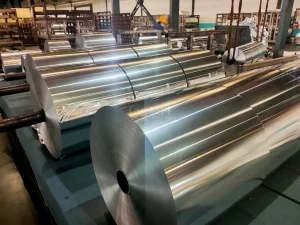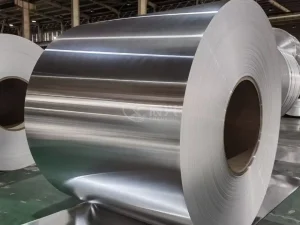
Explore our top industrial-grade aluminum solutions, engineered to meet the highest international standards.
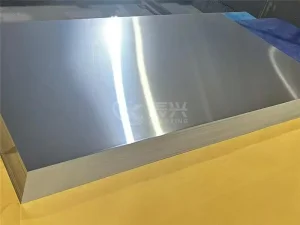
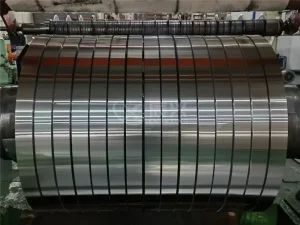
Analyzing the macroeconomic drivers, raw material dynamics, and technical shifts across primary global markets.
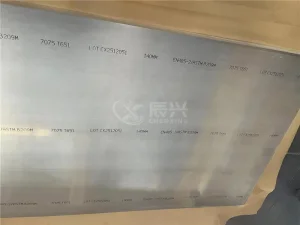
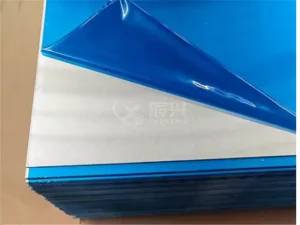
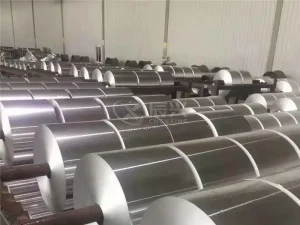
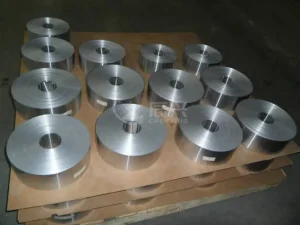
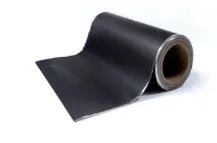
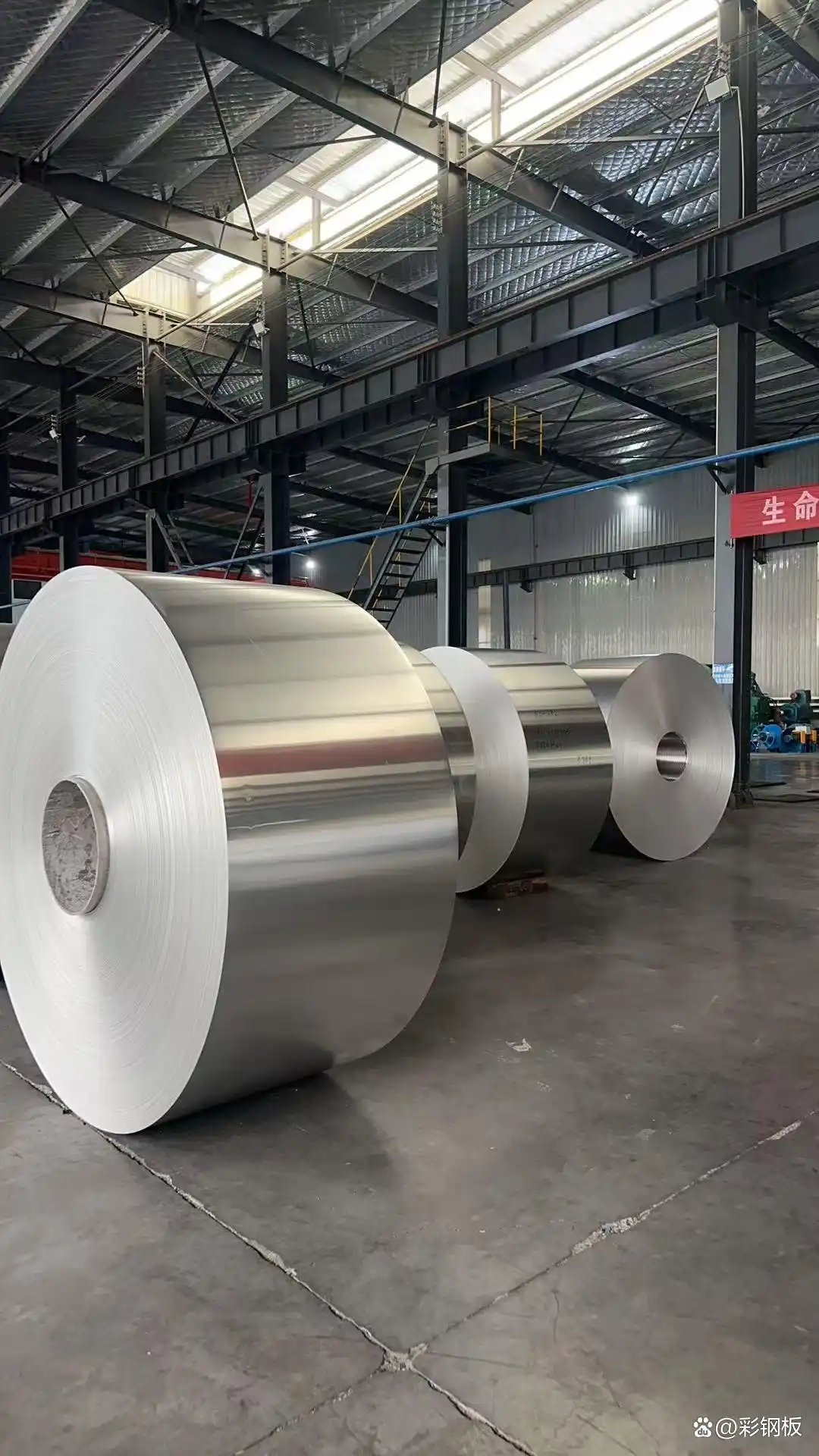
In modern industrial applications, the aluminum strip coil represents one of the most versatile and crucial raw material formats. Derived from precision-slit aluminum coils, these narrow strips are essential for applications demanding high thermal conductivity, corrosion resistance, high strength-to-weight ratios, and excellent formability. Statistically, the global demand for aluminum strip coils has surged alongside the electrification of automotive platforms, the rapid construction of smart electrical grids, and the expanding cold-chain packaging industries.
Across North America, Europe, and Asia-Pacific, structural trends such as carbon neutrality and energy transit policies have pushed manufacturers away from copper and towards specialized aluminum alternatives. In transformer windings and cable shielding, aluminum strips offer comparable performance to copper at a fraction of the cost and weight, driving rapid adoption. Concurrently, the rise of the Electric Vehicle (EV) industry has magnified the demand for battery-grade aluminum foils and structural strip alloys for thermal management plates and cell connectors.
Projected demand segment share for premium aluminum strip coils by 2028:
Leveraging vertical supply-chain integration, advanced smelting tech, and rapid turnaround cycles.


Matching alloy performance characteristics to strict regulatory requirements and specialized operational fields.
A precision aluminum strip coil is characterized by its mechanical properties, chemical composition, and edge quality. When purchasing from reliable manufacturers, key specs include thickness tolerances, width accuracy, and burr-free edges—especially critical for electrical transformer windings, where any metal burr can pierce insulation paper and cause high-voltage failures.
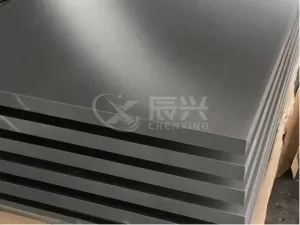
Features >99.5% purity, offering outstanding electrical and thermal conductivity. Commonly utilized for power grid distribution transformers, heat exchangers, and cookware stampings.
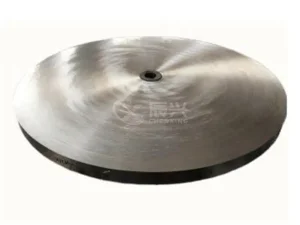
Typical Applications: Cooking discs, electrical windingsAlloyed with Manganese, offering roughly 20% higher strength than the 1000 series while maintaining great ductility. Widely implemented in HVAC tubes and radiators.
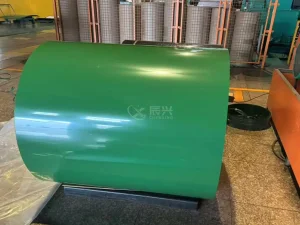
Typical Applications: Air ducting, heat exchangersCoated with Fluorocarbon paints (PVDF) for exceptional weather resistance, UV radiation protection, and aesthetic customization. Crucial for architectural facades.
Typical Applications: Wall cladding, ceiling panelsMagnesium-alloyed 5052 and Zinc-alloyed 7075 deliver supreme structural strength, fatigue resistance, and marine corrosion shielding.
Typical Applications: EV Battery enclosures, marine structuresDetailing key industrial application sectors where aluminum coil technologies drive systems efficiency.
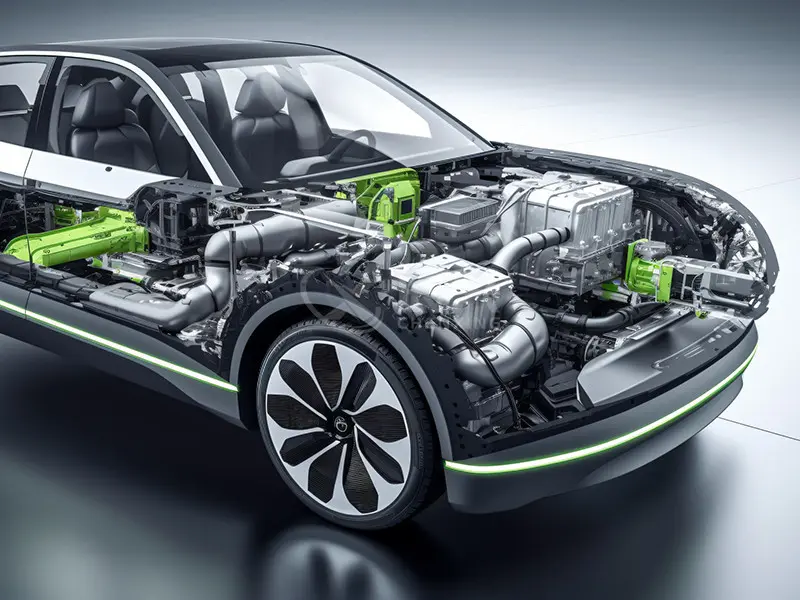
Providing advanced alloys optimized for weight reduction in high-speed rail, automotive structural panels, and fuel tanks.
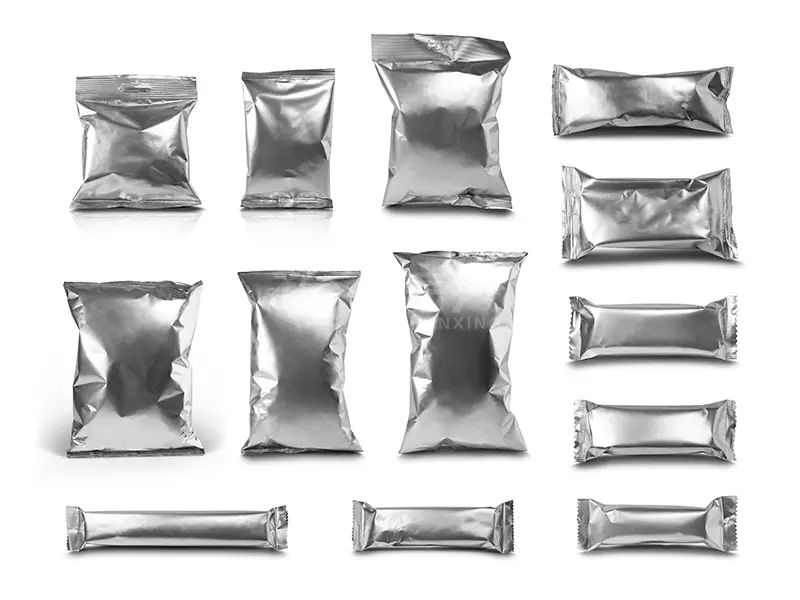
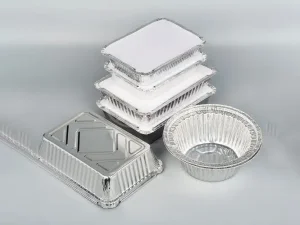
Preserving food safety and structural barrier properties through high-performance thin foils, container stocks, and laminated coils.

Facilitating reliable heat dispersion and electrical connections in PCB backing plates, capacitors, and microelectronic devices.

Securing ultimate durability and tensile capabilities with strict aerospace quality certification for fuselage frames.
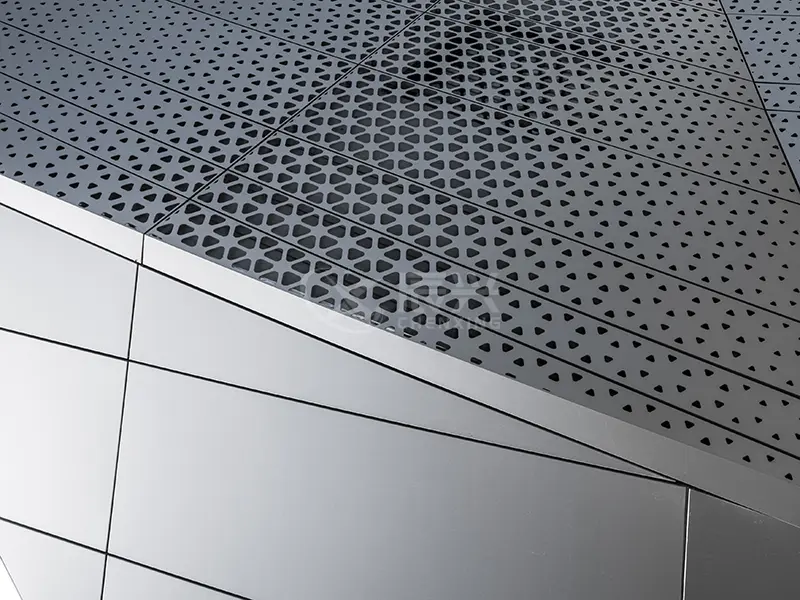
Offering architectural longevity, aesthetic surface finishes, and anti-corrosion properties for exterior cladding panels.

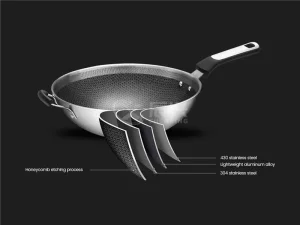
Powering aesthetic consumer styling and heating/cooling mechanics in refrigerators, microwave panels, and cookware.
Crucial parameters that procurement officers must specify to secure premium performance and compliance.
When sourcing aluminum strip coils, B2B purchasing executives must evaluate key quality parameters. Inaccurate sizing specifications can disrupt downline operations. Our factories run automated testing cycles to guarantee minimal structural error limits across all key fields:
| Alloy Series | Available Temper | Thickness Range (mm) | Slitting Width Range (mm) | Key Quality Certifications |
|---|---|---|---|---|
| 1000 Series (1050/1060/1100) | O, H12, H14, H18, H24 | 0.10 - 4.0 | 8.0 - 1250 | ISO9001, SGS, RoHS, CE |
| 3000 Series (3003/3004/3105) | O, H14, H18, H24 | 0.15 - 3.5 | 10.0 - 1300 | ISO9001, RoHS, REACH |
| 5000 Series (5052/5754/5083) | O, H111, H112, H32, H34 | 0.20 - 5.0 | 20.0 - 1500 | ABS, BV, CCS Marine Certs |
| 8000 Series (8011/8021/8079) | O, H14, H18 | 0.006 - 0.20 | 5.0 - 1200 | FDA Food-Grade Compliance |
1. Tension Leveling: High flatness is required for high-speed continuous feeding lines to prevent strip curvature (crescent bending).
2. Inner and Outer Diameter (ID/OD): Specify 300mm, 400mm, or 505mm ID to match standard decoiling machinery.
3. Protective Packaging: Verify the use of export-ready wooden pallets, desiccant bags, plastic film wrapping, and edge protectors to prevent oxidation during sea transport.
For inquiries about our premium aluminum strip products or customized slitting tolerances, please reach out to our dynamic customer service desk. Submit your specifications to access direct factory pricing and technical support.
Submit Project RequirementsKeep up to date with metallurgical breakthroughs, market pricing trends, and green energy innovations.
Find answers to technical specifications, delivery terms, and international compliance standards.
Aluminum pricing is dynamically linked to index prices on major metals exchanges (primarily the London Metal Exchange - LME, and the Shanghai Futures Exchange - SHFE). The final B2B pricing consists of the base raw material price plus the processing/slitting fee, which depends on target thickness, width, surface coating requirements, and special quality certifications.
During the transformer assembly phase, the high-voltage electrical coils are wound tightly. If the slit aluminum strip has noticeable burrs along its edge, these sharp imperfections can easily tear or puncture the insulation paper (such as Nomex or Kraft paper). This breach causes localized electrical short-circuits, resulting in catastrophic transformer failure.
Direct Chill (DC) hot-rolled coils start from structural ingots, offering excellent deep-drawing properties, surface finish, and metallurgical consistency. Continuous Cast (CC) coils bypass the ingot reheat stage, resulting in a more economical product suitable for basic structural components, HVAC fins, and simple bending applications.
We use robust moisture protection systems. Strips are wrapped with waterproof plastic film, protected with high-density foam buffers, and layered with desiccant bags before being loaded into custom wooden crates. This "Eye to Wall" or "Eye to Sky" layout prevents seawater moisture condensation and surface corrosion.
Yes. Our precision slitting lines utilize high-accuracy, ultra-hard alloy blades that can slit ultra-thin strips down to 8mm, with specialized micro-slitting capabilities down to 5mm for electronic and shielding applications, maintaining tight tolerances of ±0.1mm.
Standard lead times range from 15 to 30 days depending on the alloy class and temper complexity. Custom chemical compositions or specialized coatings (such as high-grade PVDF architectural painting) might require additional rolling cycles. Contact our engineering team for precise production planning timelines.
Premium raw materials engineered for diverse global industrial, structural, and consumer applications.