

Understanding "Aluminum Steel Plate" Semantics & Industrial Selection
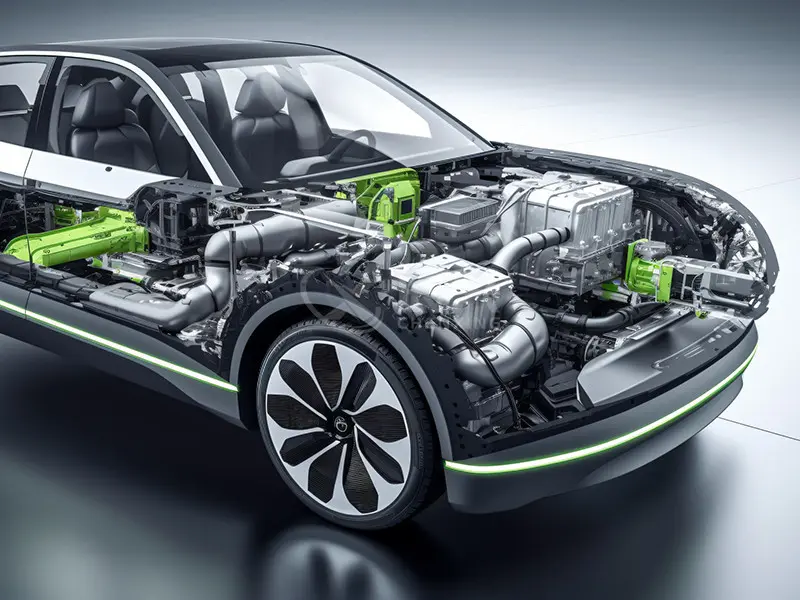
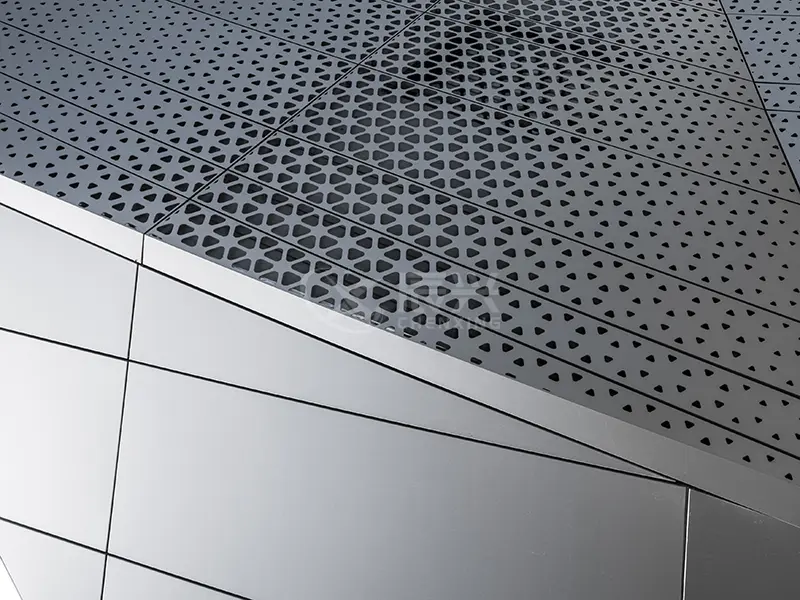
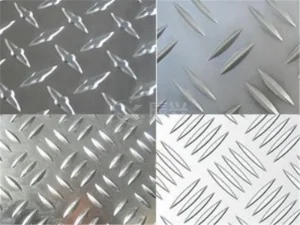
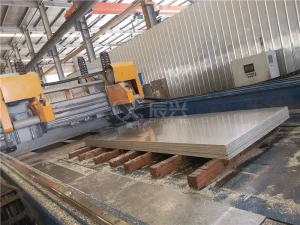
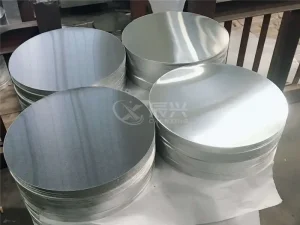
In the global metallurgical and structural components trade, procurement professionals frequently search for terms like "China Aluminum Steel Plate Companies & Factory". While chemically distinct, aluminum plates and steel plates serve parallel structural roles across heavy industry, transportation, and civil engineering. Modern manufacturing methodologies demand a comprehensive understanding of when to deploy high-tensile structural aluminum alloys (such as the 5xxx and 6xxx series) as a lightweight, corrosion-resistant alternative to traditional carbon or stainless steel plates.
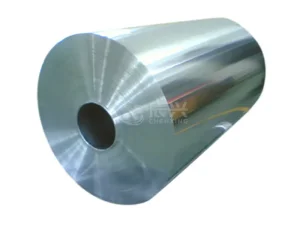
As clean energy mandates, lightweighting objectives in logistics, and high-efficiency heat exchange systems become global imperatives, modern engineering teams look to Chinese factories to bridge the technical divide. These facilities deliver specialized structural materials, ranging from ultra-thin battery foils to heavy-gauge marine plates, providing high structural rigidity while maintaining a low mass footprint.
The Information Gain Perspective: Metal Substitution & Composite Integration
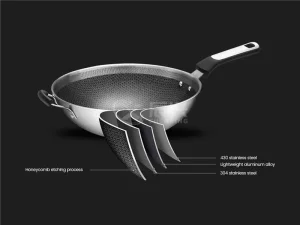
In many structural applications, the integration of aluminum and steel goes beyond substitution. Explosive roll-bonding and metallurgical cladding processes allow factories to produce composite "Aluminum-Steel Clad Plates." These bi-metallic components combine the high structural yield strength and weldability of structural steel with the exceptional thermal conductivity and corrosion resistance of aluminum, optimizing performance in marine hull transitions, heat exchangers, and high-voltage power transmission.
Global Supply Chain & Purchasing Trends
Industrial purchasers are transitioning from spot market transactions to integrated annual framework agreements with primary Chinese mills. The driving force behind this transition is supply chain security. Buyers now demand complete traceability reports, including melt certifications, spectrographic test records, and ISO 9001 compliance documentation to mitigate geopolitical and logistics risks.
Decarbonization & Green Metallurgy
Green procurement is no longer optional. Under initiatives like the EU's Carbon Border Adjustment Mechanism (CBAM), top-tier Chinese manufacturers are deploying low-carbon smelting processes. By integrating hydropower in smelting and implementing high-efficiency recycling schemes for alloy scrap, factories are reducing the carbon footprint of structural aluminum plates significantly.
Global Enterprise Procurement Challenges & Solutions
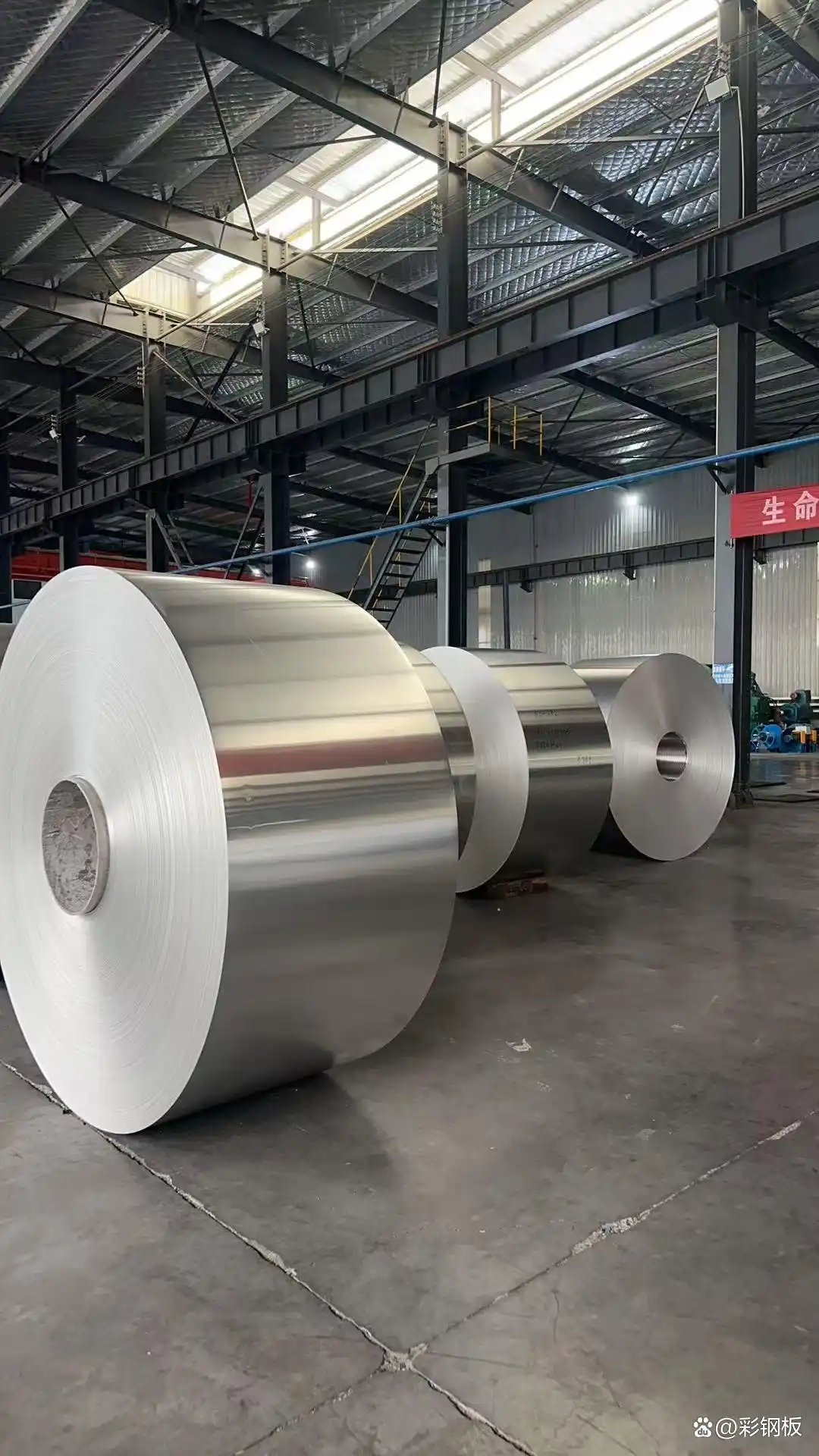
International B2B metal buyers navigate complex procurement challenges, notably quality consistency, dimensional tolerances, and surface integrity. Minor deviations in flatness or gauge thickness in coils or plates can cause downtime in automated production environments.
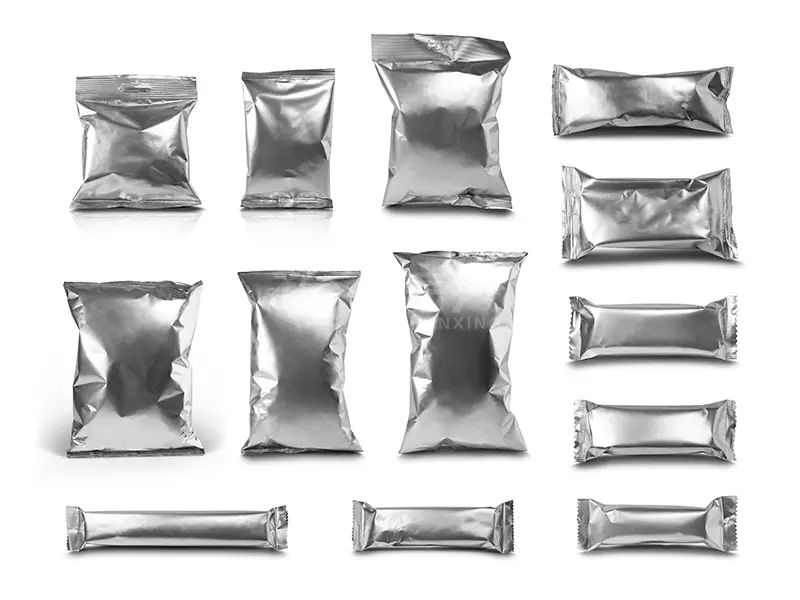
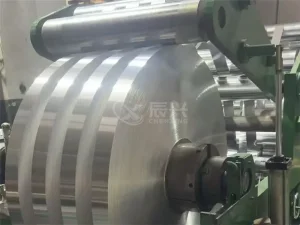
To meet these challenges, tier-1 Chinese factories use advanced rolling mills with automatic gauge control (AGC) systems and online defect detection technologies. These systems guarantee that products—whether heavy-duty marine plate or flexible pharmaceutical foil—fall within narrow, internationally accepted tolerance ranges.
Comparative Technical Parameters: Key Structural Alloys
Selecting the appropriate alloy grade requires assessing mechanical properties, corrosion resistance, and processing capabilities. Below is an overview of the structural alloys manufactured by leading Chinese producers.
| Alloy Group | Common Tempers | Tensile Strength (MPa) | Key Characteristics | Primary Applications |
|---|---|---|---|---|
| 1xxx Series (e.g., 1050) | O, H14, H24 | 75 - 145 | 99.5% minimum purity, superior ductility and conductivity | Chemical equipment, cookware blanks, reflective sheets |
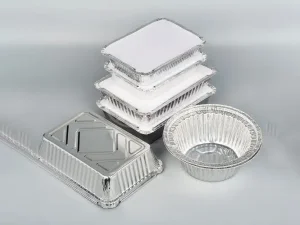
| 3xxx Series (e.g., 3003) | O, H14, H24 | 110 - 190 | Manganese alloy, excellent corrosion resistance & weldability | Heat exchangers, HVAC systems, food containers |
| 5xxx Series (e.g., 5083) | O, H111, H116 | 275 - 350 | Magnesium alloy, exceptional seawater corrosion resistance | Marine shipbuilding, pressure vessels, structural plates |
| 8xxx Series (e.g., 8011) | O, H18, H22 | 80 - 165 | Iron and silicon addition, high puncture resistance | Pharma foil packaging, cable shielding, HVAC fins |
Technical Roadmap & Future Outlook (2025–2030)
The structural metal manufacturing sector is undergoing rapid technological transformation. To maintain competitiveness, Chinese factories are investing in next-generation processing, including continuous strip casting, vacuum metallurgy, and digital twins for quality assurance. These innovations allow factories to produce lighter, stronger, and more consistent metal sheets.
-
Transition to Zero-Waste Continuous Roll Casting
By eliminating multiple reheating cycles, continuous casting lowers total energy consumption by up to 35% compared to traditional hot rolling, while refining the grain structure of 1xxx and 3xxx series alloys.
-
Micro-Alloying for High-Stress Performance
Adding precise micro-elements like zirconium and scandium to structural plates improves thermal stability and resistance to fatigue crack propagation, making them suitable for aerospace and heavy transit applications.
-
AI-Driven Optical Sorting and Surface Inspection
Integrating high-speed camera arrays powered by deep-learning models enables real-time identification and sorting of surface defects like pinholes, roll marks, and scratches during high-speed rolling.