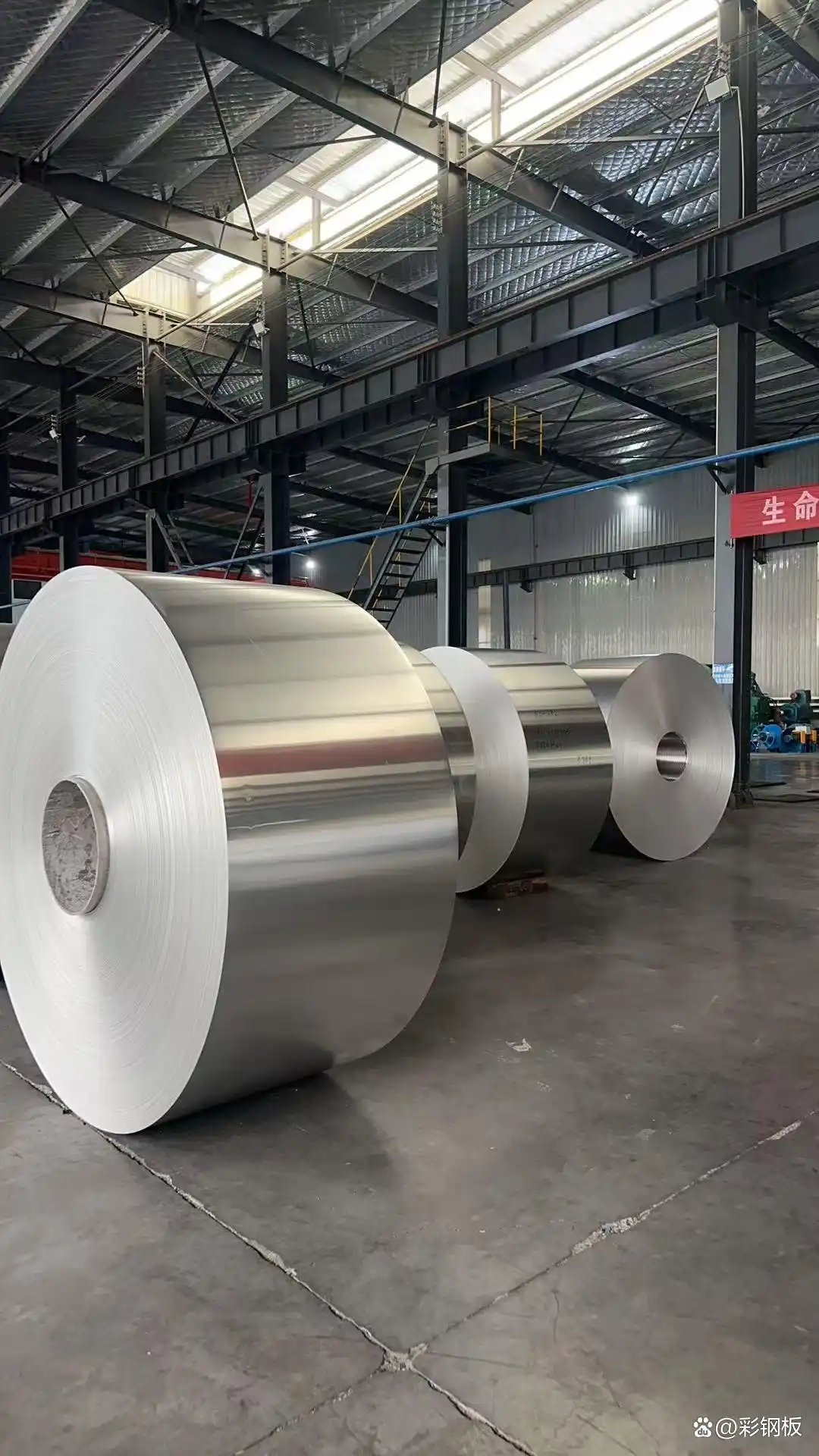
High-quality, direct-to-factory aluminum products engineered to comply with strict international tolerances and structural standards.
Decades of industrial scaling, technology integration, and raw material access culminate in unmatched manufacturing capacity.
Our facilities utilize direct-molten aluminum supply pipelines from high-capacity electrolytic smelters. This cuts energy-intensive re-melting processes, yielding a drastic reduction in carbon intensity and a more consistent raw-material chemistry profile.
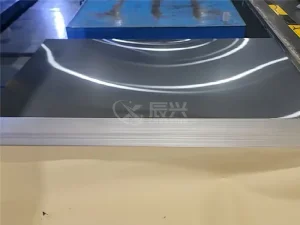
By leveraging German-engineered SMS group 4-high and 6-high cold rolling mills alongside continuous casting systems, we maintain precise gauge thickness tolerances down to ±0.005mm. This guarantees structural uniformity for challenging downstream deep-drawing or forming processes.
Located in the heart of China’s major metallurgical corridors, our logistics framework supports rapid multimodal dispatch via deep-water ports (such as Shanghai, Qingdao, and Ningbo), drastically reducing transit schedules and mitigating transshipment bottleneck risks.
Decades of production excellence, rigorous verification, and client-centric response protocols.


A comparative engineering breakdown of our core aluminum grades designed for structural, automotive, marine, and electronic integrations.
| Alloy Series | Core Grades | Tensile Strength (MPa) | Yield Strength (MPa) | Primary Technical Characteristics | Typical Applications |
|---|---|---|---|---|---|
| 1xxx Series | 1050, 1100 | 75 - 120 | 35 - 100 | >99% purity, exceptional electrical and thermal conductivity, high elongation limits. | Electrical conductors, busbars, chemical vessels, reflective paneling. |
| 3xxx Series | 3003, 3105 | 110 - 190 | 45 - 145 | Manganese alloyed, excellent formability, moderate strength, high general corrosion resistance. | Automotive heat exchangers, PEX piping wraps, roof cladding, cookware. |
| 5xxx Series | 5052, 5754, 5083 | 190 - 320 | 90 - 230 | Magnesium alloyed, outstanding marine-grade corrosion performance, exceptional fatigue resistance. | LNG tanks, marine structures, fuel lines, architectural facades. |
| 6xxx Series | 6082, 6061 | 260 - 350 | 210 - 310 | Magnesium-Silicon, precipitation-hardened. High yield strength, versatile extrusion/machining profile. | Heavy-duty structural components, transport chassis, railway carriages. |
| 8xxx Series | 8011, 8006 | 80 - 165 | 40 - 140 | Specialized foil grade, excellent mechanical properties at thin gauges, thermal resistance. | Food container foils, heat exchanger fins, pharmaceutical packaging. |
Our rolling processes closely control grain refinement. By applying inline degassers and ceramic foam filters during casting, we limit hydrogen levels to under 0.12ml/100g Al. This keeps our plates free of interior voids and surface blemishes, ensuring reliable anodizing and complex CNC milling results.
Compliance is not an afterthought. We ensure seamless alignment with international testing protocols to streamline imports and guarantee structural reliability.
We deliver material test reports (MTR) matching EN 10204 3.1 or 3.2. All products comply with ASTM B209, EN 485, and JIS H4000 specifications.
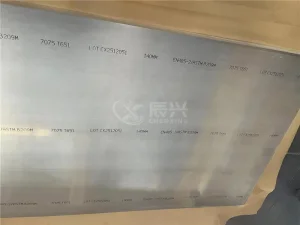
We utilize online ultrasonic inspection (UT) systems to identify subsurface laminations and defects. This is crucial for high-stress plates like 6082 T651.
Our manufacturing processes are fully REACH, RoHS, and WEEE compliant. We support automotive quality frameworks and run under ISO 9001:2015 and IATF 16949 standards.
From aerospace components to daily consumer products, our aluminum solutions serve diverse industrial fields.
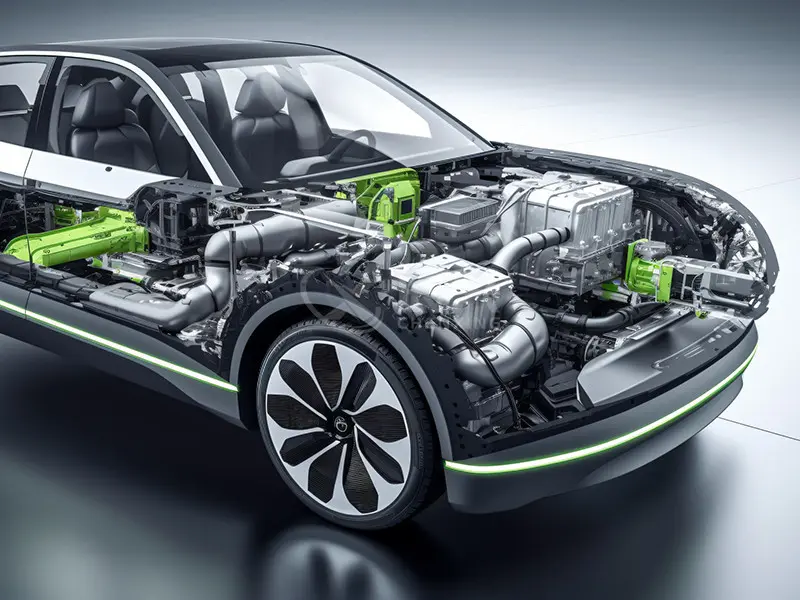
Lightweight 5xxx and 6xxx sheets used for commercial trailer skins, rail carriages, and bus bodies to reduce curb weight and improve fuel efficiency.
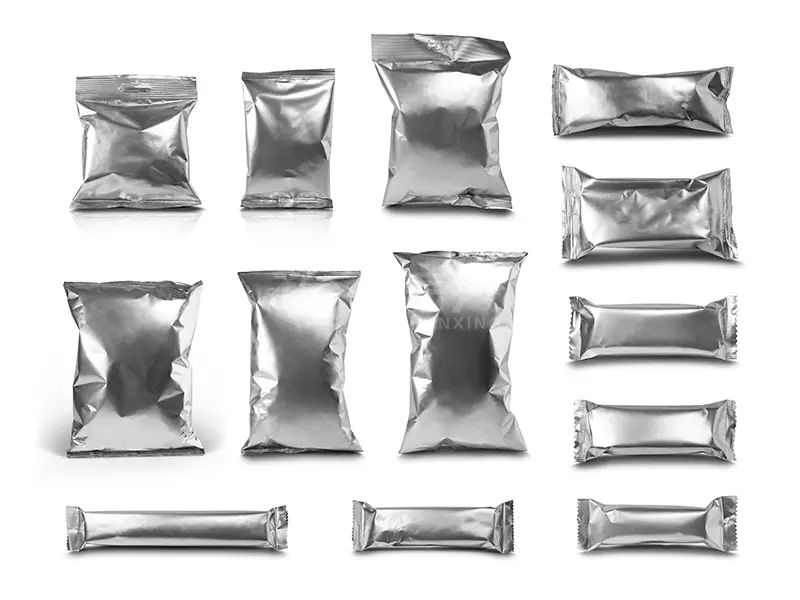
Thin foil barriers (8011/3003) providing high moisture, gas, and light protection for pharmaceutical blister packs, retorts, and food containers.
Highly flat, anodized, or mirror-finished plates (1050/3003) ideal for cooling fins, LED backplates, shielding, and chassis casings.
High-strength, fatigue-resistant alloys built to handle cyclical loads and extreme atmospheric shifts.
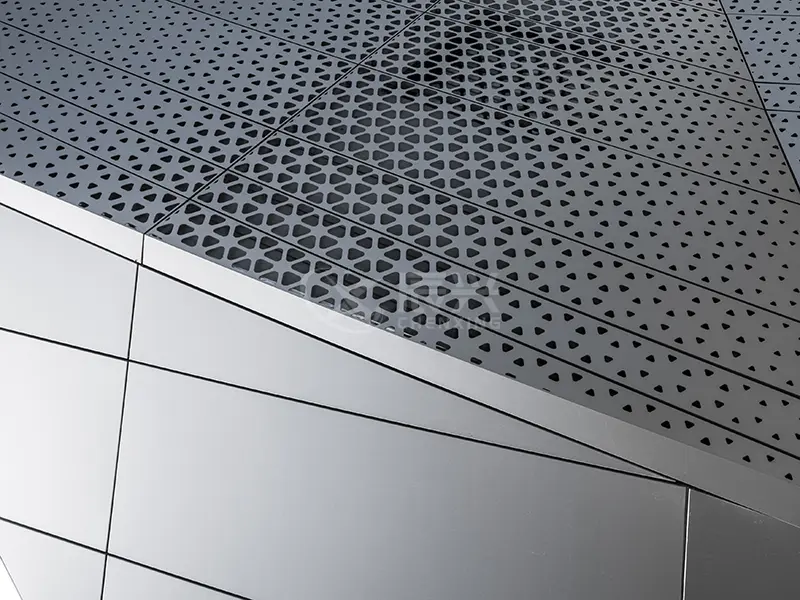
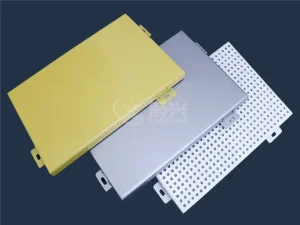
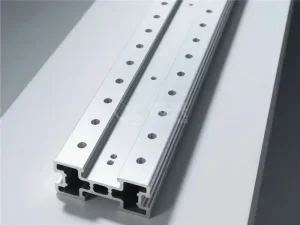
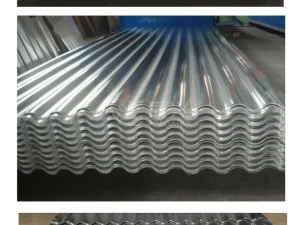
Weatherproof cladding paneling, solid panels, profiles, and roofing sheets designed for long-lasting structural applications.
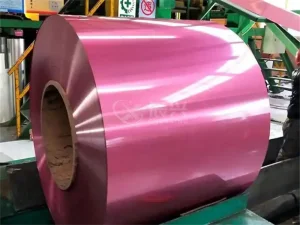
Corrosion-resistant panels and coils used in refrigerator liners, microwave ovens, and HVAC systems.
The global aluminum industry is undergoing a transition driven by carbon neutrality mandates and smart manufacturing processes.
Industrial demand for low-carbon footprint primary aluminum is growing. We are expanding our clean energy usage and utilizing recycled scrap to lower scope 1, 2, and 3 carbon emissions without compromising mechanical performance.
We integrate IoT-based thermal mapping and real-time surface detection cameras across our rolling mill lines. This system identifies pinholes or scratches instantly, ensuring high quality control and reducing waste.
We are researching new alloy combinations to improve tensile strength in the 5xxx and 6xxx series. These developments target the automotive sector's demand for stronger, lighter components.
Stay updated on industry developments, manufacturing breakthroughs, and global aluminum market shifts.
Technical insights to help procurement managers and structural engineers select the right alloy and manufacturing partner.
Explore our expanded product line including circles, foils, structural profiles, and custom coil wraps.
For inquiries about our products, standard compliance certifications, or custom mill run prices, please contact us. Our engineering team will follow up within 24 hours.
Submit Inquiry Now