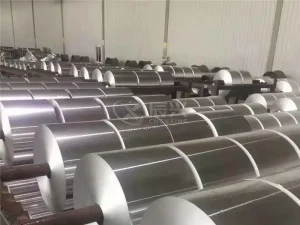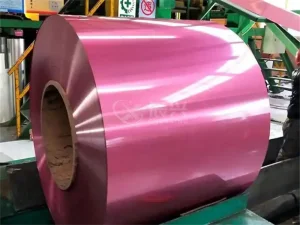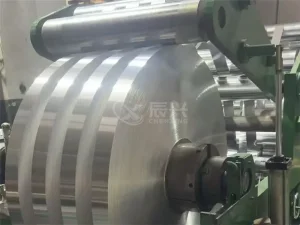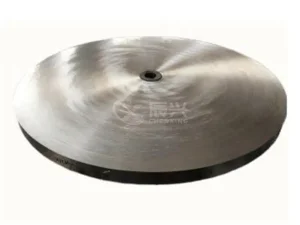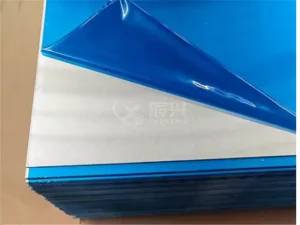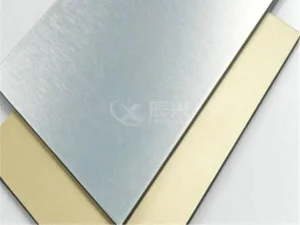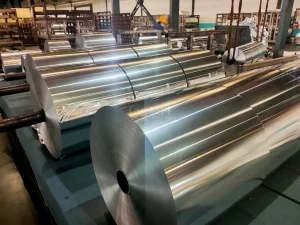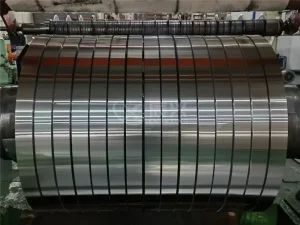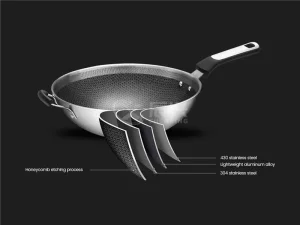
Explore our primary catalog of high-precision aluminum alloys engineered to meet strict international tolerances and structural demands.
As modern engineering sectors aggressively pursue decarbonization, energy efficiency, and high-performance product designs, the strategic procurement of aluminum sheet metal material has undergone a significant transformation. Sourcing departments no longer evaluate supplier capabilities solely based on price-per-ton pricing models. Today, key decision-making matrices focus heavily on chemical purity consistency, microstructural control, tension leveling parameters, and the verified sustainability footprint of Chinese processing plants.
China's aluminum fabrication industry has evolved from a volume-driven manufacturer into an advanced engineering center. By leveraging next-generation casting complexes, continuous rolling lines (1+4 hot-rolling configurations), and sophisticated surface finishing processes, Chinese factories produce aerospace, automotive, electrical, and packaging grade foils that challenge traditional European and North American mills. Working closely with leading Chinese exporters enables international procurement groups to secure structural materials that strictly meet or exceed ASTM, EN, and JIS requirements at an optimized total cost of ownership (TCO).
Global supply chain managers are shifting toward dual-sourcing architectures to mitigate tariff volatilities and logistics challenges. By partnering with leading domestic manufacturers, global buyers gain access to dynamic production schedules, robust inventory holding arrangements, and localized trade compliance assistance. Understanding the pricing dynamics between the London Metal Exchange (LME) and Shanghai Futures Exchange (SHFE), along with integrated hedging programs, represents the foundation of a modern procurement program.
Aluminum's exceptional strength-to-weight ratio, dynamic electrical conductivity, and high corrosion resistance make it an essential structural material in modern industrial applications. Below is an analytical review of how specific aluminum alloy grades are optimized for performance across key sectors.
| Sector / Vertical | Primary Alloys Recommended | Critical Engineering Requirements | Core Application Implementations |
|---|---|---|---|
| Aerospace Systems | 2024, 7075, 6082 | Fatigue resistance, high yield strength under tension, fracture toughness | Fuselage panels, wing skins, internal structural support frames |
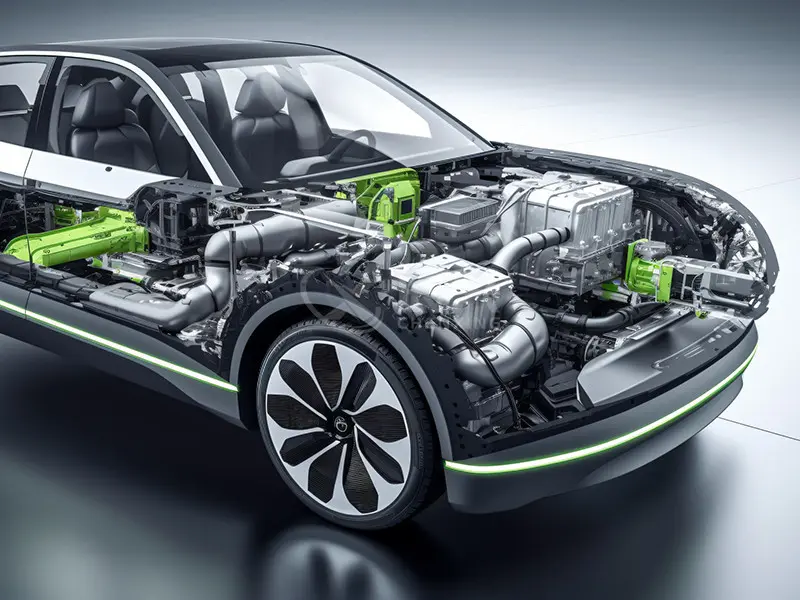
| Automotive Structural | 5052, 6016, 6022 | Excellent deep-draw formability, paint-bake hardening response, weldability | Inner/outer body closures, chassis components, crash-box members |
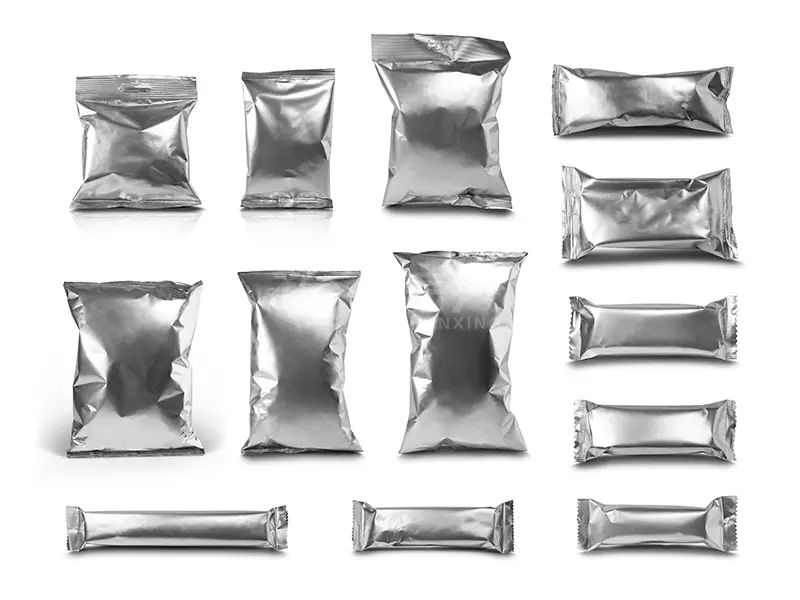
| Food & Pharmaceutical | 8011, 1235, 1050 | Zero-pinhole barrier properties, sterilized surface purity, formability | Blister packaging, retort pouches, aseptic container seals |
| Electrical Systems | 1050, 1100, 3003 | Thermal and electrical conductivity (>61% IACS), corrosion resistance | HVAC fins, heat exchangers, capacitor casings, busbar connections |
In aerospace structures, fatigue failure and micro-cracking pose significant operational risks. Alloys such as 7075-T651 undergo precise stretching processes after heat treatment to relieve internal residual stresses. This prevents material distortion during high-speed CNC milling. By utilizing state-of-the-art electromagnetic casting and multi-stage homogenization, our partner factories ensure uniform grain boundaries, eliminating structural weaknesses in structural panels.
To meet global fleet emission targets, automakers rely on 5xxx series alloys for structural strength and 6xxx series for outer panels. A key technical challenge in these materials is avoiding stretcher-strain marks (Luders lines) during stamping. Advanced thermal treatment lines control cooling rates precisely, stabilizing solid solutions and improving material ductility for complex geometries.
Integrating precise dimensional controls, advanced surface texturing, and tailored temper states for diverse industrial applications.
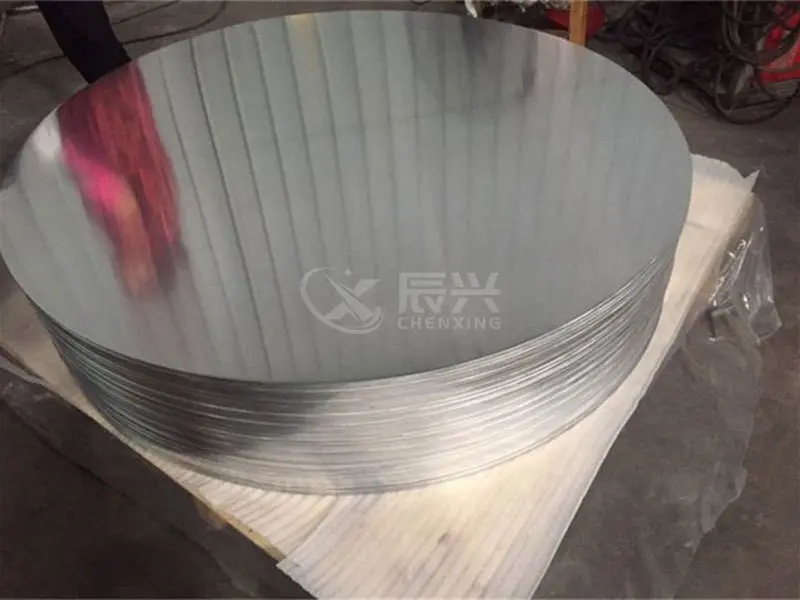
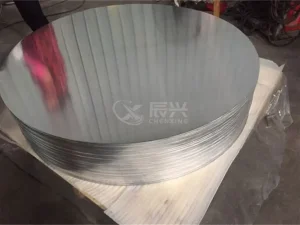
Deep drawing grade, ideal for cookware, light reflectors, and spun hollowware.
Interactive Specs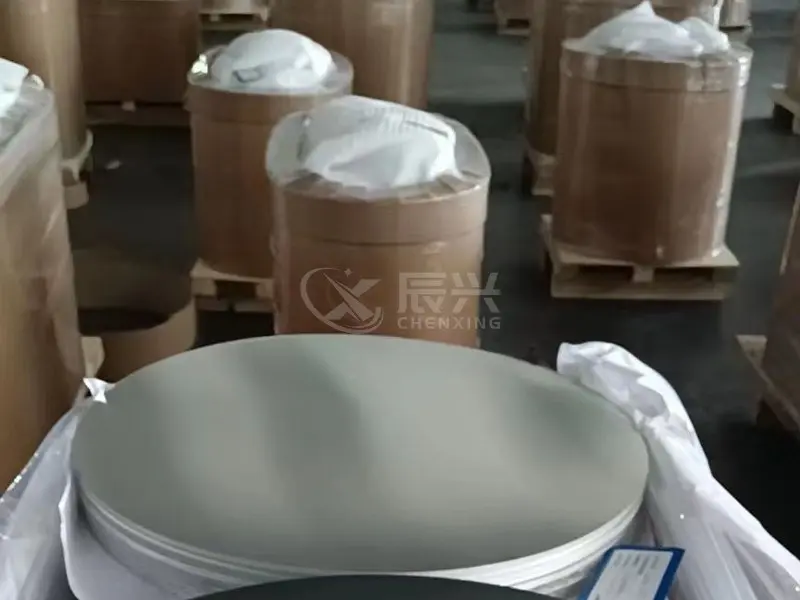
Alloyed with manganese for 20% higher strength than 1050, excellent for pressure vessels.
Interactive Specs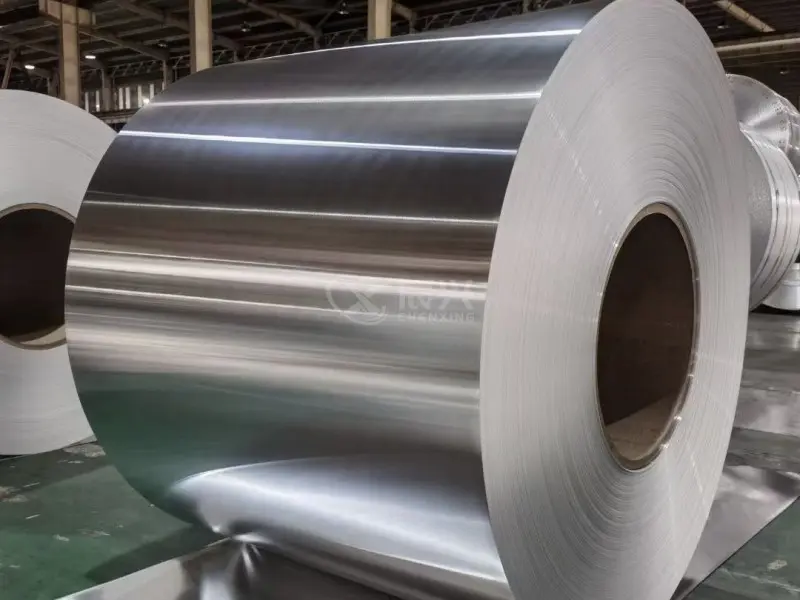
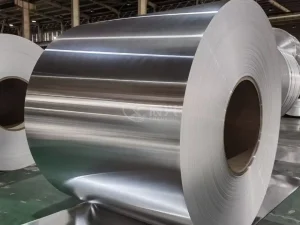
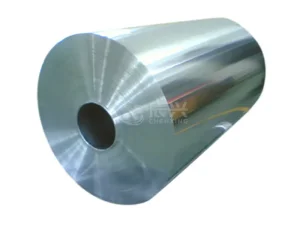
Continuous rolled coils in various widths and thicknesses, ready for slitting.
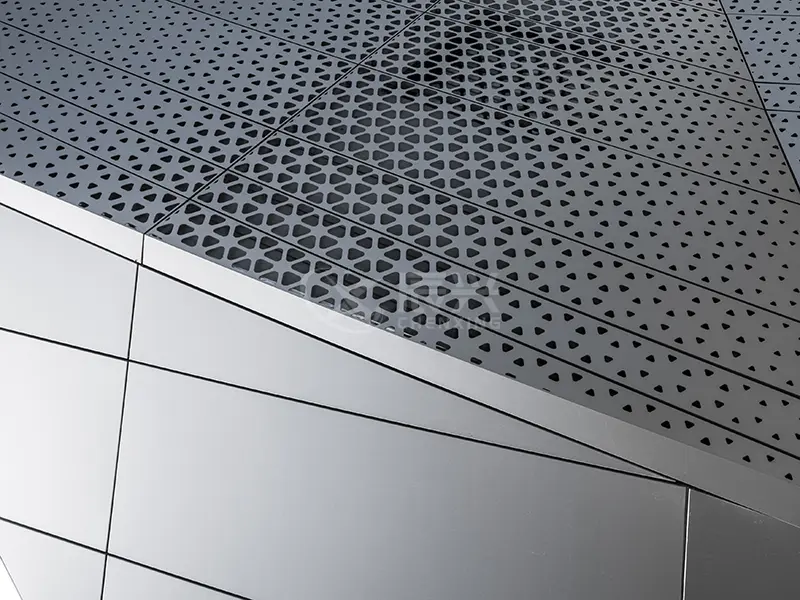
Interactive SpecsPremium surface texture for consumer electronics trim and high-end interiors.
Interactive Specs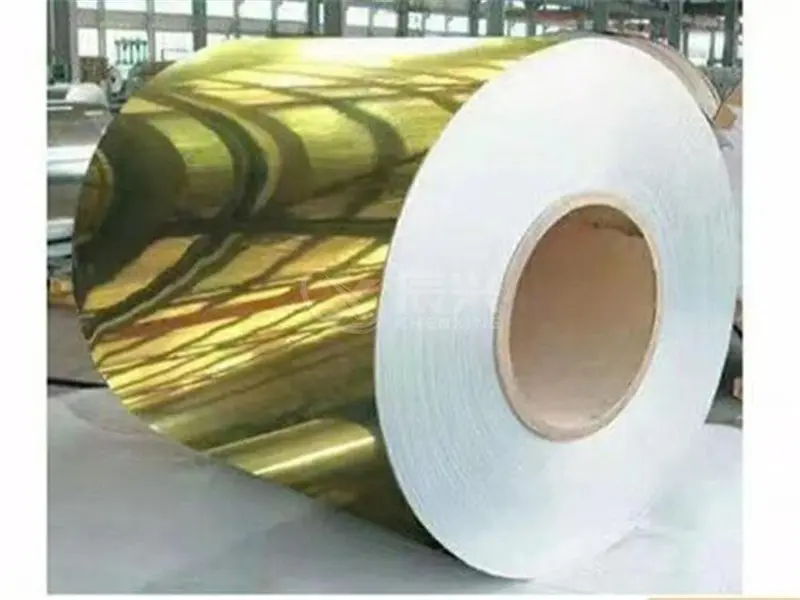
Total reflectance exceeding 86%, optimized for solar collectors and lighting.
Interactive Specs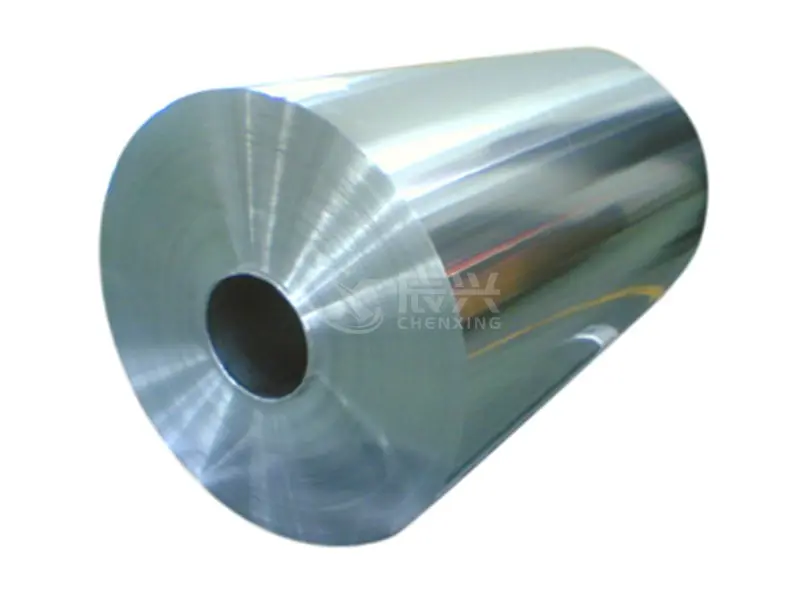
Hydrophilic and bare fin stock for high-efficiency thermal exchangers.
Interactive Specs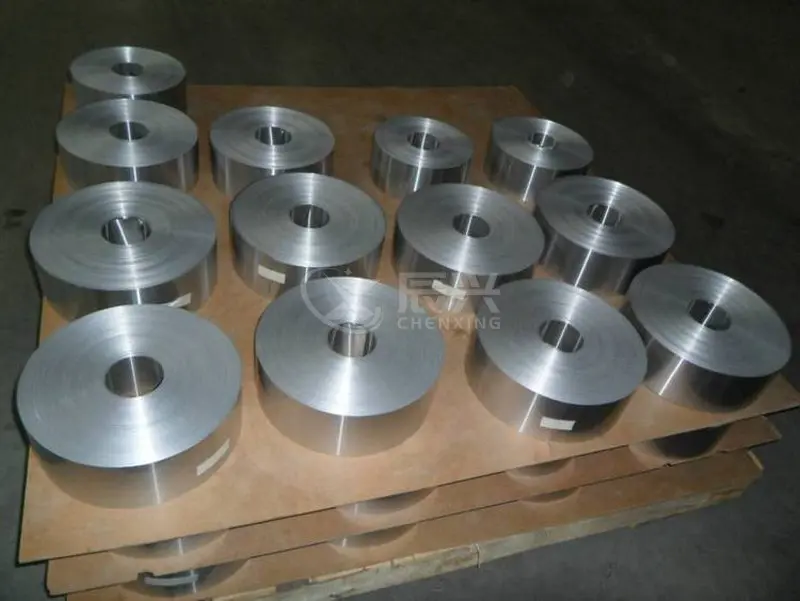
Flexible laminate backing with puncture resistance for HVAC distribution.
Interactive Specs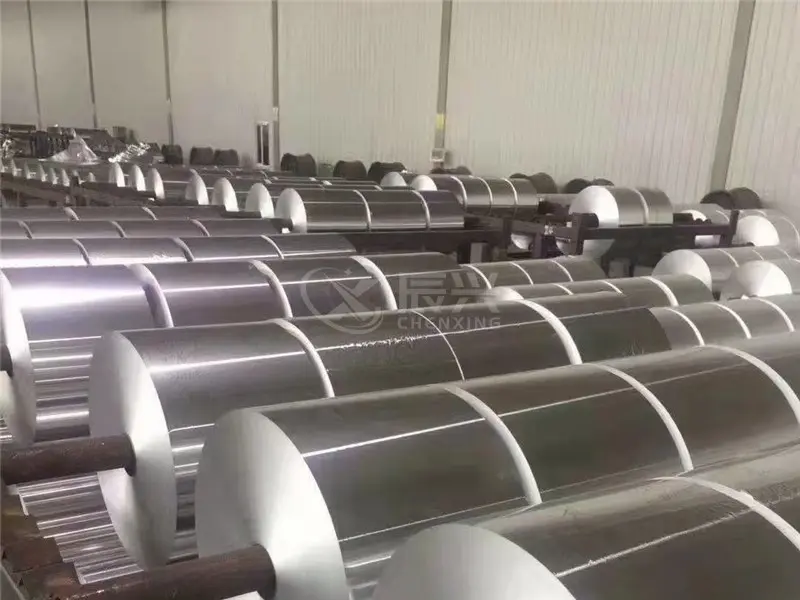
High-grade packaging foil with zero flavor transfer, optimized for barrier laminations.
Interactive SpecsThe manufacturing process for high-end aluminum sheet and foil requires precise thermodynamic and mechanical control. China's leading mills have transitioned from batch-type operations to fully integrated, digital control loops. Continuous measurement of thickness, flatness, and grain size during deformation enables real-time adjustments, ensuring consistent material properties across large production runs.
Key technical innovations driving our manufacturing roadmap include:
Decarbonizing supply chains is a key priority for modern procurement departments. Many modern Chinese mills utilize hydropower-derived electricity (green aluminum) rather than traditional coal-fired power plants. Using renewable energy for primary electrolysis reduces the embedded carbon footprint of the metal from 16 to under 4 metric tons of CO₂ equivalent per ton of aluminum. Additionally, integrating clean scrap recycling lines preserves raw material resources while using only 5% of the energy required for primary refining.
Supporting global infrastructure and manufacturing through specialized aluminum alloys tailored to specific industrial environments.



Partnering with an international manufacturer requires clear lines of communication and transparent testing methods. To verify our supply chain integrity and ensure compliance with strict design specifications, our partner factories run dedicated metallographic labs. Every shipment is backed by a Mill Test Report (MTR) detailing chemical compositions and mechanical properties.
Key quality assurance measures include:
Our mills maintain certified ISO 9001 and AS9100 quality management systems. This ensures strict adherence to structural requirements from raw material sourcing through final processing. In addition, our standard 8D response system guarantees that any technical issue is quickly analyzed, with a corrective action plan delivered within 24 hours.
Stay informed on key developments in global aluminum supply chains, technological updates, and market trends.
As international demand for high-purity aluminum alloys continues to rise, our rolling mill expansions have increased our cold-rolled capacity by 30%.
Read Full Article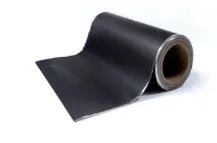
An in-depth look at manufacturing ultra-thin collector foils (10-15 microns) for lithium-ion battery electrodes with minimal pinholes.
Read Full Article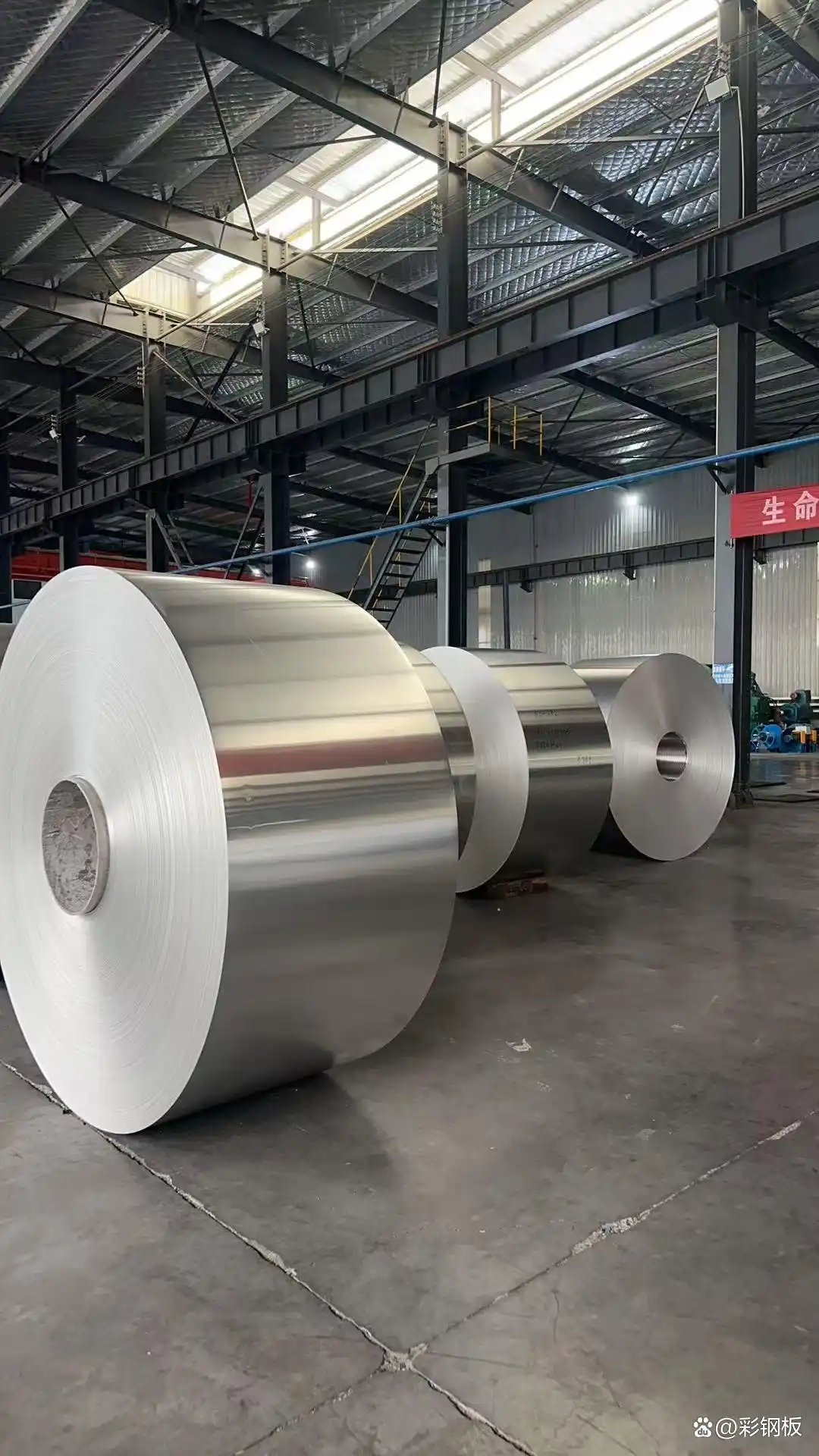
Analyzing the impact of European CBAM regulations on imports of semi-finished aluminum, and how green smelting mills help mitigate carbon costs.
Read Full ArticleHigh-performance foils, specialty circles, and anti-corrosive sheets built for demanding processing applications.
Detailed answers to common engineering questions regarding alloy selection, processing, and quality assurance.
Contact our metallurgy and engineering sales teams. We provide full chemical analyses, product catalog specifications, and volume pricing structures within 24 hours.
Direct Sales Line: +86-XXX-XXXX-XXXX
Engineering Office: [email protected]