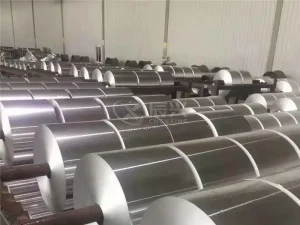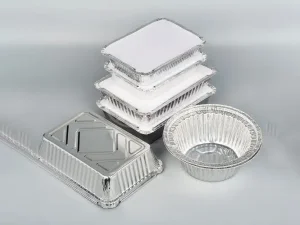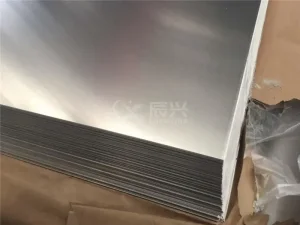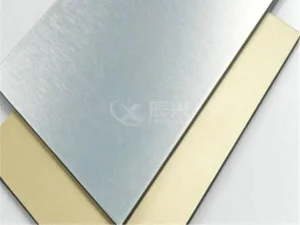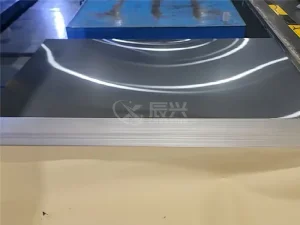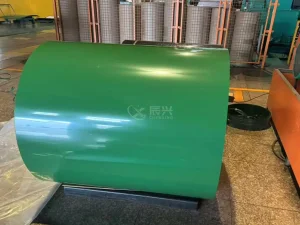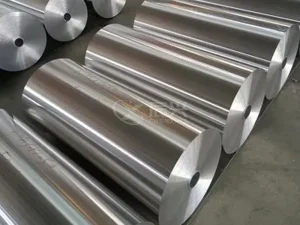
Explore our core engineered solutions for decoration, packaging, electronics, automotive, and aerospace industries.
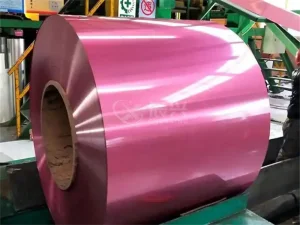
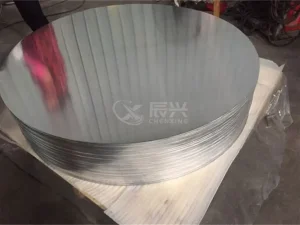
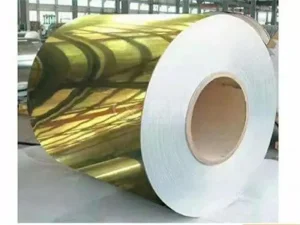
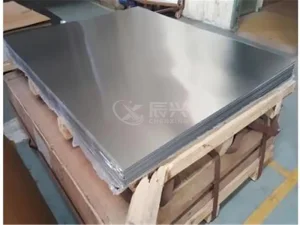
Delivering precision-rolled aluminum products backed by international certifications and strict industrial quality control standards.
Over two decades of research, metallurgical innovation, and scaling hot and cold rolling mills to support demanding industry applications.
Seamless global logistics, customs compliance, and supply chain continuity serving industrial buyers in America, Europe, and Asia-Pacific.

Every batch undergoes chemical analysis, mechanical testing, and dimensional verification, traceable through advanced ERP monitoring systems.

Commitment to immediate engineering support and prompt 8D structured methodology for resolution of raw material performance inquiries.
In the global aluminum rolling landscape, Chinese mills have evolved from simple commodity processors into highly automated, technology-driven smart factories. By deploying Industry 4.0 paradigms, leading manufacturers combine raw material processing, alloy optimization, and downstream coating solutions under one digitized architecture.
Our rolling mill operates integrated cold-rolling (CRM) and hot-rolling (HRM) systems equipped with automatic gauge control (AGC) and automatic flatness control (AFC) systems. These technologies monitor rolling pressures and adjust hydraulic cylinders at millisecond intervals, assuring thickness tolerances as low as ±1.0% of target metrics. This precision minimizes scrap during deep drawing and high-speed punching operations, providing major operational cost savings for global OEMs.
By positioning manufacturing facilities adjacent to primary aluminum smelters and utilizing liquid metal delivery pipelines, modern Chinese rolling facilities reduce energy consumption by up to 25% compared to remelting ingots. This integration protects procurement budgets against volatile logistics surcharges and LME metal price swings.
The manufacturing process begins with direct-chill casting of high-purity aluminum ingots, which then undergo homogenization to eliminate internal mechanical stresses. The hot rolling stage reduces ingot thicknesses down to roughing levels, establishing the primary grain structure of the alloy. Subsequent cold rolling optimizes tensile strength and yield performance, preparing the metal for custom surface finishing, such as chemical conversion, PVDF coating, or mechanical brushing.
High-performance applications require alloys engineered for precise environments. Below is a structural matrix showcasing the specific rolling techniques, mechanical strengths, and core applications of the predominant alloys manufactured within our facility:
| Alloy Series | Core Metallurgy & Rolling Profile | Tensile Strength (MPa) | Primary Industry Applications |
|---|---|---|---|
| 1xxx Series (e.g., 1050, 1060) | High purity (≥99.50%), excellent conductivity, highly ductile under cold work. | 75 - 120 | Reflective lighting, electrical conductors, lithium-ion battery foils, chemical tanks. |
| 3xxx Series (e.g., 3003, 3105) | Manganese-alloyed, superior corrosion resistance, excellent formability. | 110 - 190 | HVAC fins, heat exchangers, food packaging, architectural cladding. |
| 5xxx Series (e.g., 5052, 5754) | Magnesium-alloyed, maritime-grade corrosion resistance, structural workability. | 190 - 290 | Marine hulls, automotive body panels, fuel tanks, internal structural frames. |
| 6xxx Series (e.g., 6061, 6082) | Silicon & Magnesium alloy, heat-treatable, exceptional strength-to-weight. | 260 - 350 | Aerospace components, railcars, heavy structural infrastructure. |
| 8xxx Series (e.g., 8011, 8021) | Iron & Silicon optimized, ultra-thin rolling capabilities down to 0.006mm. | 80 - 145 | Flexible pharmaceutical packaging, battery pouch materials, household foils. |
As sustainability regulations tighten globally, the aluminum rolling sector is prioritizing the transition to green metallurgy. We are investing in closed-loop recycling systems, enabling post-consumer scrap to be processed into new high-purity aluminum coils with zero degradation in metallurgical properties. Additionally, advanced multi-layer cladding processes allow us to bond different alloys together, offering customized plates that combine high-corrosion outer layers with high-strength structural cores.
From deep-sea transport to orbital satellites, our rolled aluminum sheets and coils satisfy strict mechanical performance standards globally.

High-strength sheets and extrusions that facilitate automotive light-weighting, reducing emissions and extending battery range for electric vehicles.
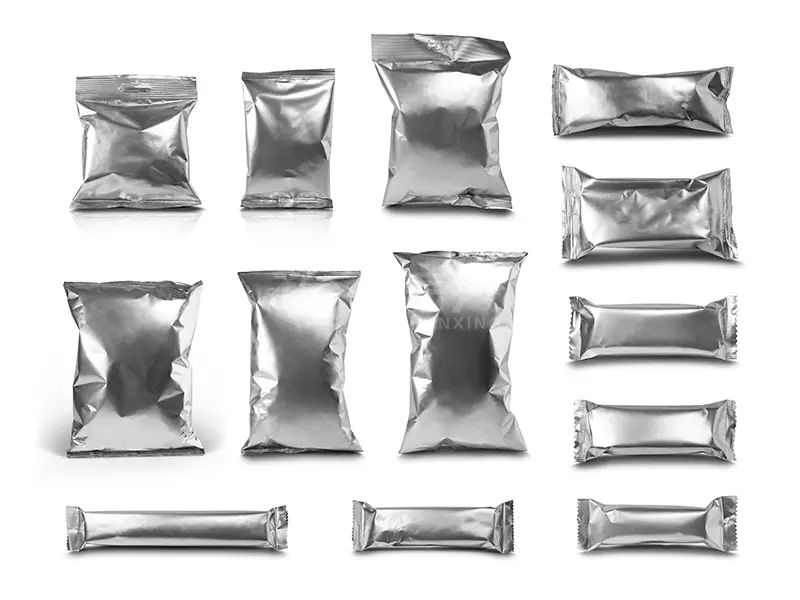
Precision-rolled foils featuring superior barrier properties, preventing light, moisture, and gas migration in food and pharma packaging.

Anodized, reflective, and high-purity conductor sheets designed for heat sinks, battery casing, and protective structural enclosures.

Ultrasonic-tested thick plates from the 2xxx, 7xxx, and 6xxx families, offering high fatigue resistance for wing components and fuselage structures.
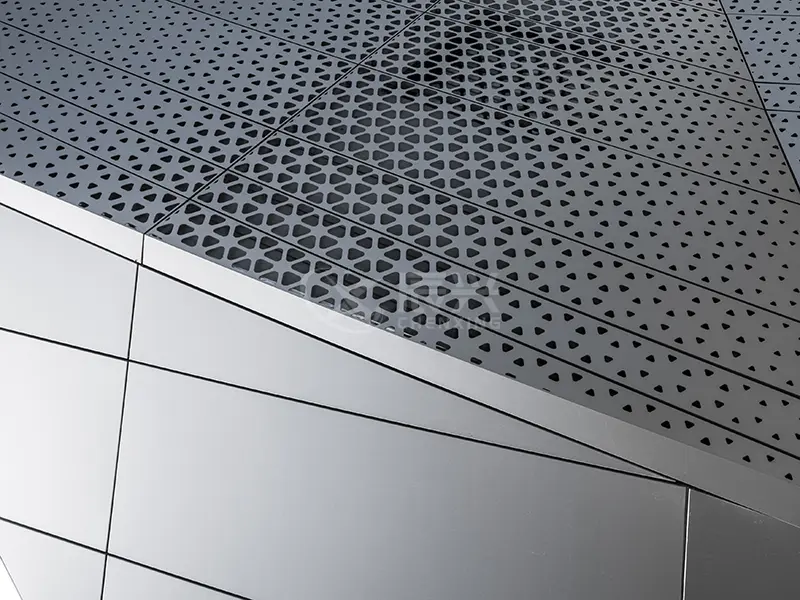
PVDF/PE coated architectural coils ensuring durability, UV protection, and color fastness for curtain walls and industrial roofing profiles.

Fingerprint-resistant, brushed, and decorative exterior sheets for premium refrigerators, ovens, washing machines, and electronic consoles.
Global supply chain managers face multiple structural challenges: certifying material properties, verifying environmental and regulatory compliance, and managing global shipping times. When sourcing rolled aluminum from China, understanding cross-standard classifications and local logistics frameworks is vital.
A reliable mill must verify material compatibility with target regions. Our factory aligns its operations to the following major regulatory bodies to ensure trouble-free customs clearance and end-user integration:
Always specify your testing requirements (e.g., tension testing, eddy current checking, pinhole density checks for thin foils, and ultrasonic inspection for heavy aerospace plates) in the RFQ stage. This establishes a baseline of quality expectations and avoids post-delivery disputes.
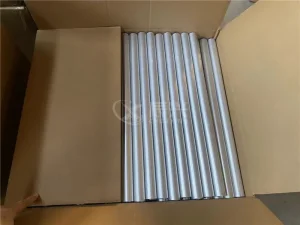
Rolled aluminum is highly sensitive to moisture and oxidation during oceanic transit. Our packaging includes triple-layer moisture barriers: inner desiccant packs, high-density PE film wrapping, a hardboard protective outer layer, and steel banding on reinforced wooden pallets. This prevents water condensation spots and surface scratches, ensuring materials arrive ready for your production lines.
Get answers to critical technical questions surrounding aluminum roll processes, procurement timelines, and performance parameters.
Direct Chill (DC) cast sheets are homogenized, hot rolled, and cold rolled, yielding a uniform grain structure ideal for anodizing, deep drawing, and structural application. Continuous Cast (CC) bypasses hot rolling, resulting in a different microstructure that is cost-effective but less suited for deep drawing or cosmetic anodizing. We supply both to suit your budget and performance requirements.
With our automatic hydraulic AGC (Automatic Gauge Control) system, we regularly meet thickness tolerances of ±1.5% for structural sheets (1mm to 6mm) and down to ±1.0% for specialty battery foils (0.012mm to 0.020mm), which exceeds standard commercial ASTM specifications.
We use export-grade "eye-to-wall" or "eye-to-sky" packaging. This includes double plastic wrapping, silica gel desiccant packs, and anti-corrosion VCI paper, all encased in robust wooden crates to block humid air and sea salts during long ocean shipments.
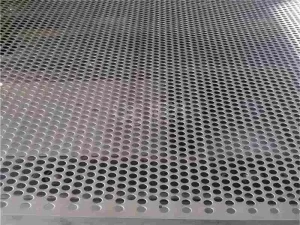
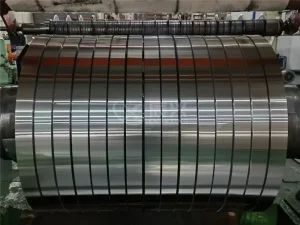
Yes. Our processing facility offers custom width slitting (down to 10mm strips), embossing, tension leveling, structural perforation, and surface coatings like PVDF, PE, or anodizing to meet your product designs.
Stay informed with the latest updates regarding production capacities, global metal markets, and metallurgical innovations.
In response to rising demand for high-strength alloys across EU and NA markets, our plant has commissioned a new 2300mm cold-rolling line to ensure on-time delivery for international customers.
Read Full Report →
A deep dive into the purity, tensile strength, and pinhole requirements of battery cathode collector foils, illustrating how advanced rolling processes enable safer EV battery cells.
Read Full Report →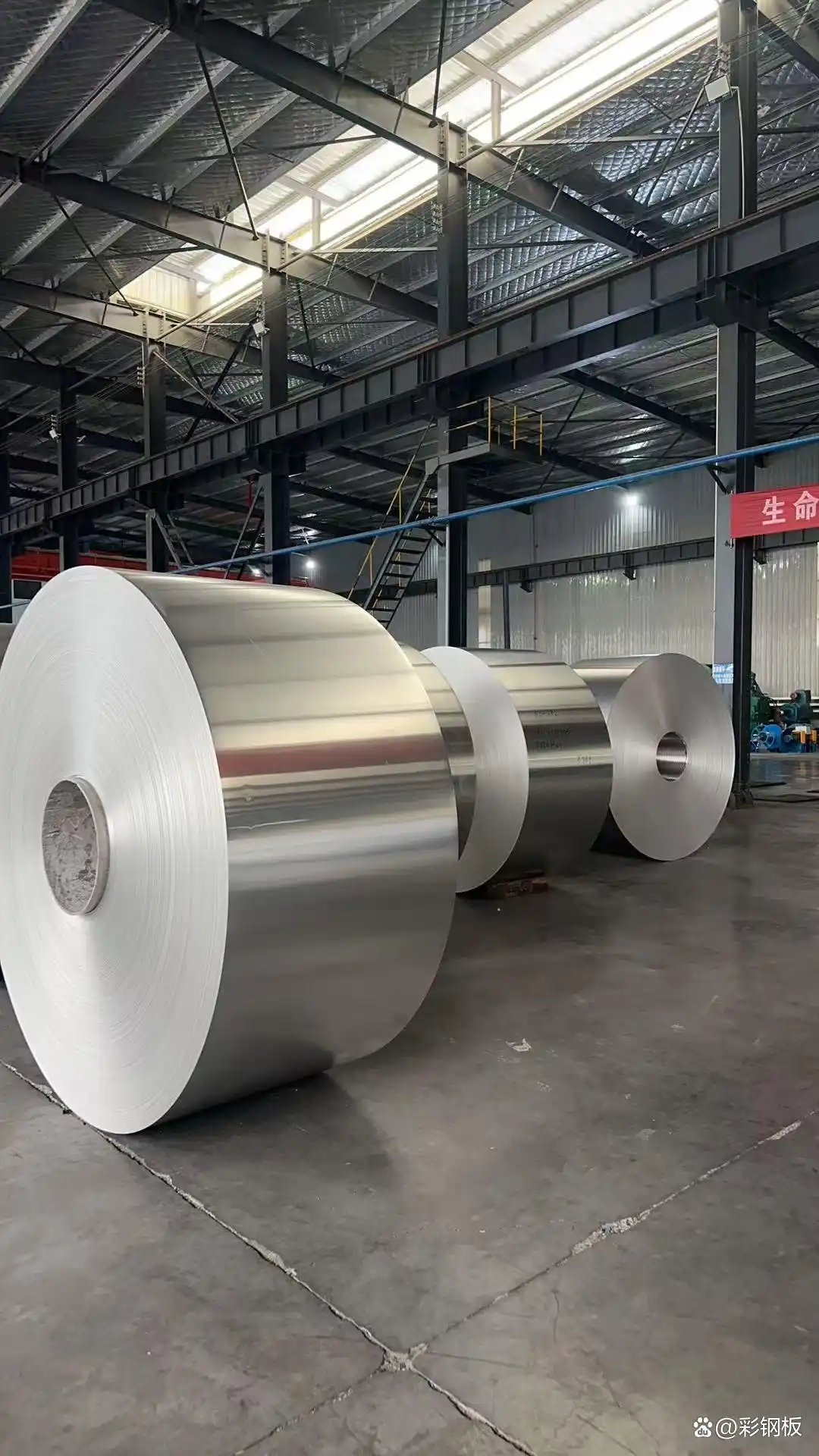
An analysis of carbon taxation models (like CBAM) and their impact on global supply chains, detailing how low-carbon smelting and recycled scrap integration help buyers maintain compliance.
Read Full Report →Submit your alloy specifications, dimensional requirements, and volume expectations. Our engineering department will send a formal quote within 24 hours.
Submit Inquiry NowPrecision-made foils, structural tubes, and custom-perforated options matching global engineering specifications.