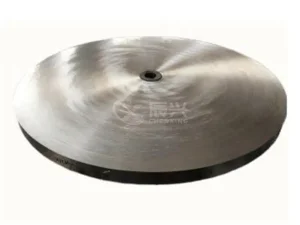
Direct-mill metallurgical solutions certified to ASTM, EN, and ISO global standards.
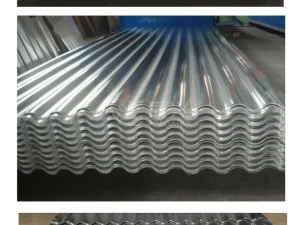
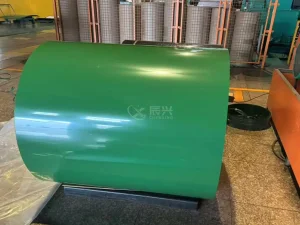
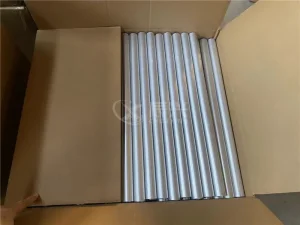
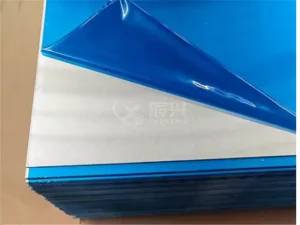

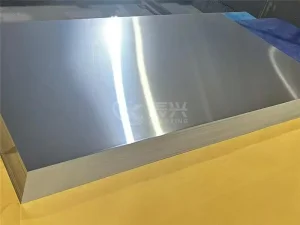
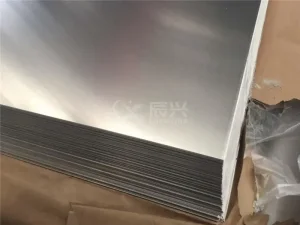
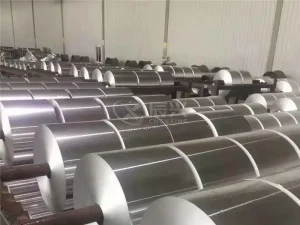
The global demand for high-precision aluminum flat stock rolls has witnessed unprecedented growth. As industrial ecosystems prioritize decarbonization, light-weighting, and structural durability, aluminum alloys have become the foundational substrate across modern engineering fields. A flat stock roll, characterized by its uniform gauge, excellent surface consistency, and variable width configuration, represents a highly critical form factor that feeds directly into high-speed stamping, progressive die fabrication, and roll-forming manufacturing lines.
Modern metallurgical applications are shifting toward specialized alloys. Historically, standard 1xxx and 3xxx series alloys dominated basic applications; however, the ongoing vehicle electrification (EV) transition and the rise of sustainable construction have catalyzed massive demand for 5xxx and 6xxx structural alloys. These metals undergo precise heat treatments (such as T4, T6, and H14/H24 temper processing) to strike an optimal balance between high tensile yield strength and excellent ductility. Furthermore, the integration of advanced surface passivation techniques—including chemical conversion coatings, PVDF painting, and continuous anodizing—ensures that the final flat stock rolls can survive severe chemical environments, coastal degradation, and mechanical friction.
| Alloy Series | Common Tempers | Primary Performance Characteristics | Target Market Segments |
|---|---|---|---|
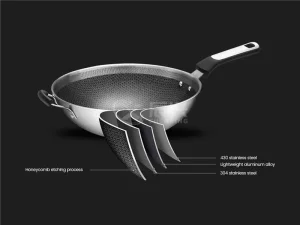
| 1xxx Series (e.g., 1050, 1060, 1100) | O, H14, H24 | High thermal/electrical conductivity, supreme formability, corrosion-resistant | Cookware blanks, electrical transformers, chemical equipment |
| 3xxx Series (e.g., 3003) | H14, H24, H18 | Moderate strength, excellent drawability, superior weldability | HVAC heat exchangers, roofing panels, industrial storage tanks |
| 5xxx Series (e.g., 5052) | O, H32, H34 | Excellent salt-water corrosion resistance, high fatigue strength, weldable | Marine structures, electronic enclosures, automotive body sheets |
| 6xxx Series (e.g., 6082) | T4, T6 | High structural strength, heat-treatable, superior machining characteristics | Structural frames, heavy-duty transport, structural aerospace components |
In the contemporary manufacturing landscape, procurement directors prioritize supply chain resilience and cost-efficiency. Chinese aluminum flat stock roll manufacturers have transitioned from high-volume base metal casting mills to high-end Industry 4.0 digitalized metallurgy complexes. By integrating continuous casting and cold rolling lines with real-time automated thickness gauges (AGC) and optical defect detection systems, Chinese manufacturers consistently hit gauge tolerances as tight as +/- 0.02mm, even at high rolling speeds.
Securing structural components from Chinese manufacturers offers unique competitive advantages:
Decades of engineering expertise, global logistics compliance, and customer-first quality systems.
Over two decades refining alloy compositions, heat treatment regimens, and surface passivation to meet international aerospace and automotive standards.
Exporting to 35+ countries. We handle complex customs procedures, high-quality export-grade seaworthy wooden packaging, and international freight routing.
Fully equipped testing laboratories with spectrometer material verification, mechanical tensile testing, bend testing, and coating thickness verification.
Our technical team remains on-call 24/7, offering comprehensive 8D diagnostic and containment response reports for any production queries.
Custom metallurgic solutions tailored to performance criteria across primary industrial sectors.




Connect directly with our engineering and procurement team for custom chemical compositions, custom thickness tolerances, pricing, and structural lead times.
Request Technical QuoteKey metallurgical and logistics questions answered by our engineering and logistics specialists.
Our mills utilize automatic gauge control (AGC) systems during cold rolling. This allows us to hold a standard tolerance of +/- 0.02mm for gauges between 0.2mm and 3.0mm, and up to +/- 0.01mm for high-precision battery foil or cosmetic electronic applications. Tight tolerances ensure stability during high-speed stamping and progressive die forming operations.
Every single master coil is assigned a unique tracking QR code linking to its raw cast melt number. We perform optical emission spectrometry (OES) verification on every heat run to confirm strict compliance with ASTM B209, EN 485, and DIN specifications. Material Test Reports (MTRs) containing mechanical values (tensile, yield, elongation) are generated for every shipment.
We provide multiple surface treatments, including PVDF or PE coil coatings, continuous anodizing (anodized film thickness ranging from 3 to 25 microns), protective PE film lamination, paper interleaving to prevent surface scratches during transport, and mill finish degreasing for direct bonding or welding applications.
We pack all coils in export-grade, seaworthy wooden pallets. Each coil is wrapped in heavy-duty moisture-proof plastic film, packed with silica gel desiccants, and encased in corrugated fiberboard before being secured with steel strapping. This prevents moisture ingress and eliminates the risk of white rust or surface oxidation during maritime shipping.
Browse our expanded metallurgical line, designed to meet rigorous thermal, cosmetic, and physical requirements.