Explore our top-tier metal blanks, plates, sheets, and foils engineered for architectural, industrial, and consumer applications.
Over two decades of excellence in metallurgic innovation and global industrial distribution.


As modern industrial manufacturing demands materials that exhibit outstanding strength-to-weight ratios, reliable corrosion resistance, and superb processability, aluminum alloys have become the cornerstone of progress. As a premier China Aluminum Alloy Manufacturer & Company, we prioritize structural integrity, chemical composition accuracy, and microstructural uniformity across all our product ranges. From initial smelting and refining to final cold rolling and sheet treatment, every step adheres to rigorous international quality protocols.
In global sourcing, relying on superficial trade listings creates quality risks. Modern procurement managers require engineering-level clarity. We leverage state-of-the-art continuous casting (CC) and direct chill (DC) casting technologies to produce aluminum materials that satisfy precise dimensional tolerances and strict metallurgic thresholds. This publication serves as an industrial roadmap, detailing how high-grade aluminum alloys are processed, tested, and distributed globally under strict compliance frameworks.
Our commitment to continuous technological improvement is reflected in our metallurgy roadmap. We design and optimize aluminum alloy substrates using micro-alloying and thermodynamic processing models to meet evolving market requirements.
By precisely introducing trace elements like Zirconium (Zr), Scandium (Sc), and Titanium (Ti), we refine grain boundary networks during crystallization. This minimizes micro-cracking and improves fatigue performance in demanding, high-stress applications.
We operate dedicated production lines for both casting methods. DC casting delivers superior surface quality and internal cleanliness for high-end automotive structural parts, while CC lines maximize production speed for packaging and standard utility sheets.
Addressing global sustainability initiatives, we are expanding our low-carbon footprint aluminum options. By utilizing clean energy grids and maximizing recycled secondary aluminum recovery, we decrease the embodied carbon index by up to 60% compared to traditional smelting.
A comprehensive selection of high-yield alloys featuring optimal formability, tensile strength, and corrosion-resistant profiles.
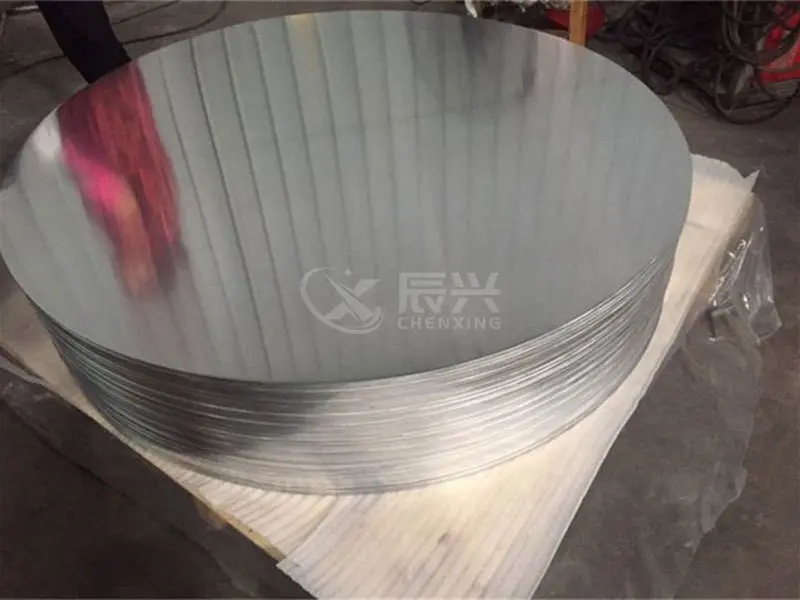
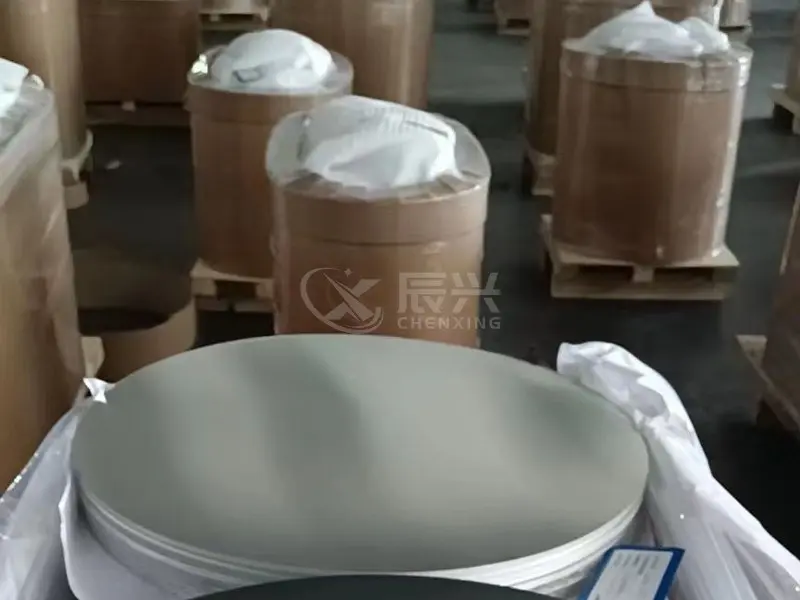
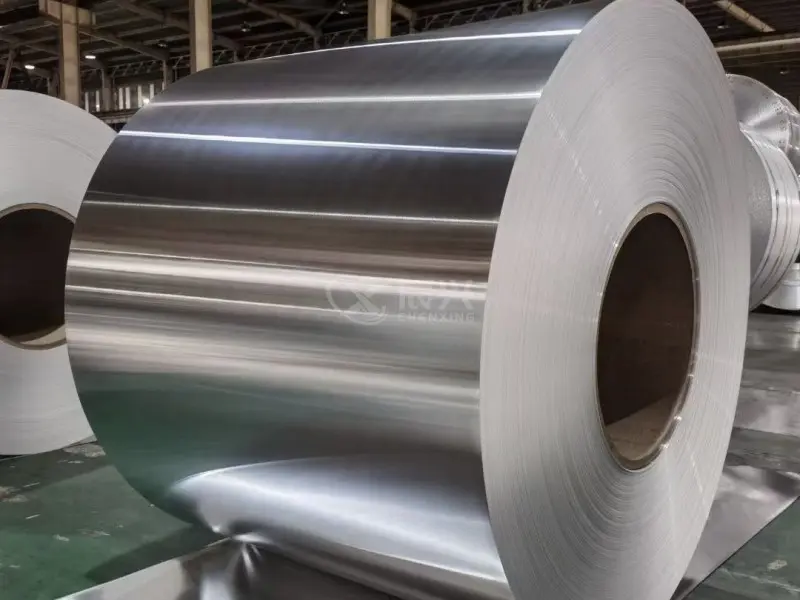
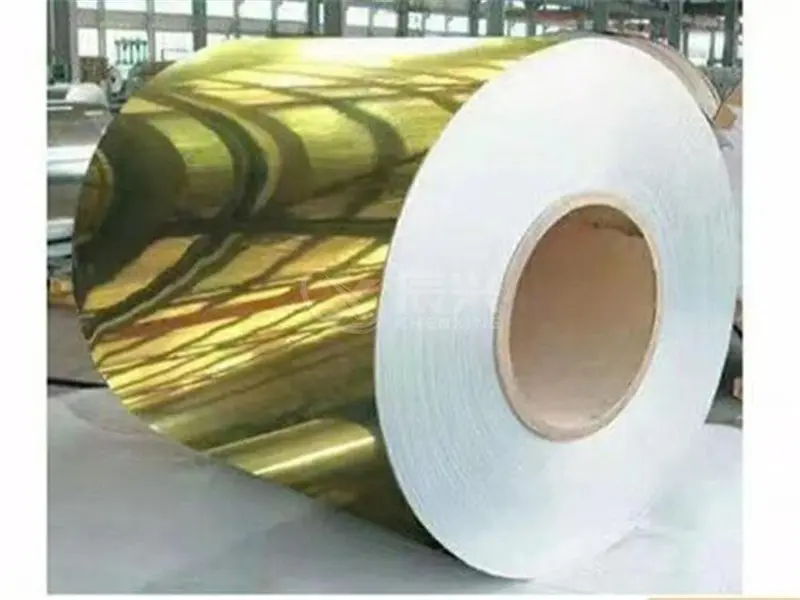
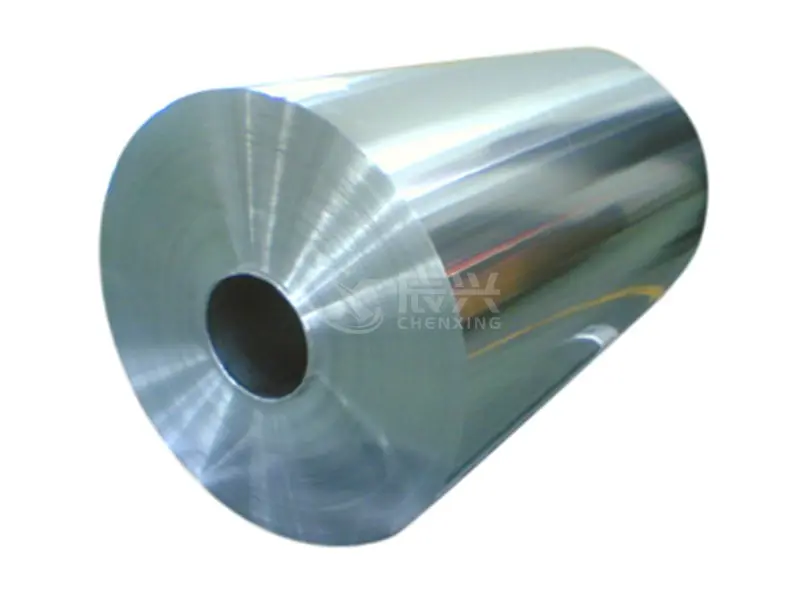
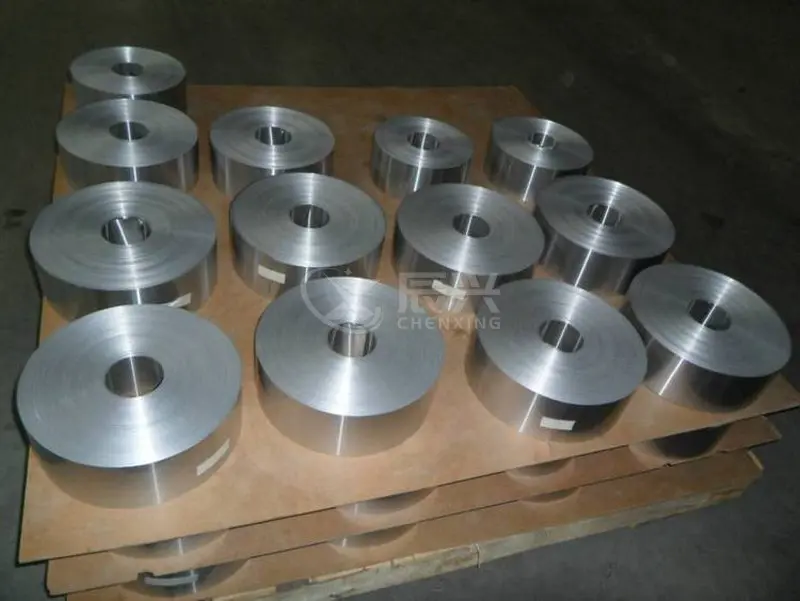
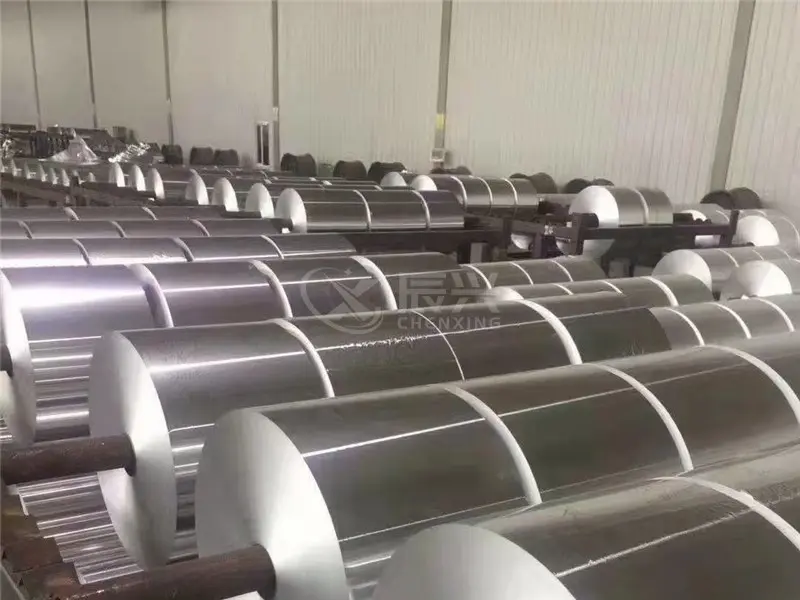
Modern metal fabrication relies heavily on process standardization and automation. Our China-based processing facility incorporates Smart Factory 4.0 principles, ensuring reliable mass production and consistent product quality across all batches.
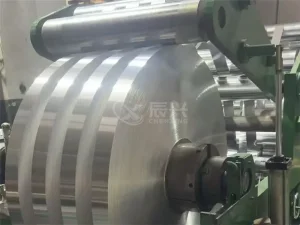
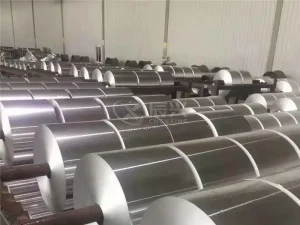
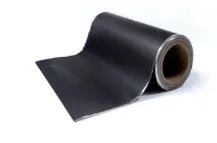
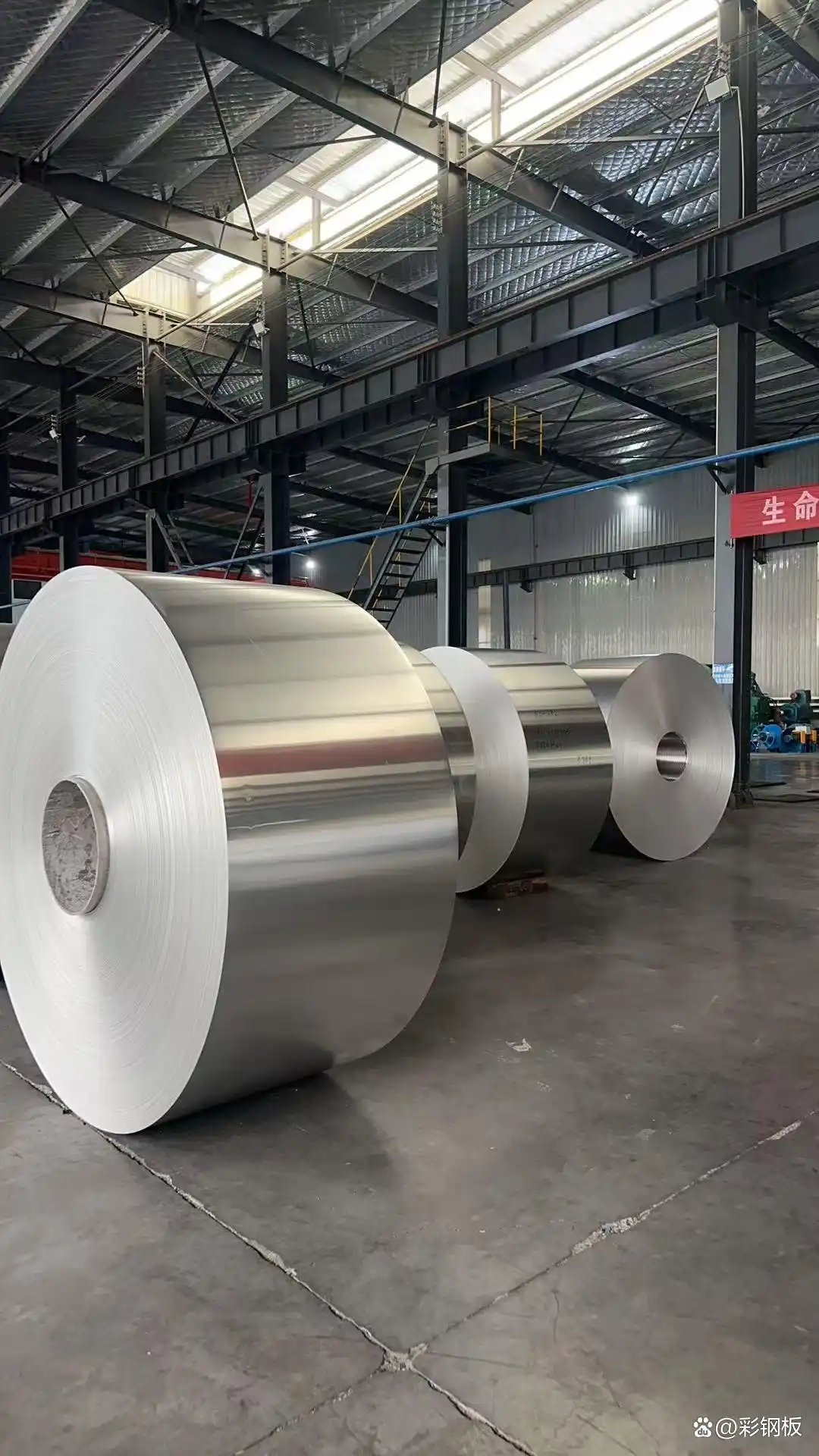
Equipped with automatic gauge controls (AGC) and optical defect detection systems, our rolling mills continuously monitor and adjust flatness, surface finish, and thickness tolerances down to the micron level. Real-time temperature control during homogenization and annealing steps ensures uniform mechanical properties across each coil and sheet.
By locating our facility near deepwater ports and major rail networks, we offer flexible shipping solutions. Our end-to-end material tracking system provides real-time updates on transport milestones. Additionally, raw material sourcing buffers mitigate price volatility on major metal exchanges, ensuring stable pricing models for our partners.
How our customized aluminum alloys address structural, thermal, and weight challenges across diverse industries.

Lightweight solutions for automotive body-in-white panels, subframes, and heavy transport structures to optimize fuel efficiency.
Explore Materials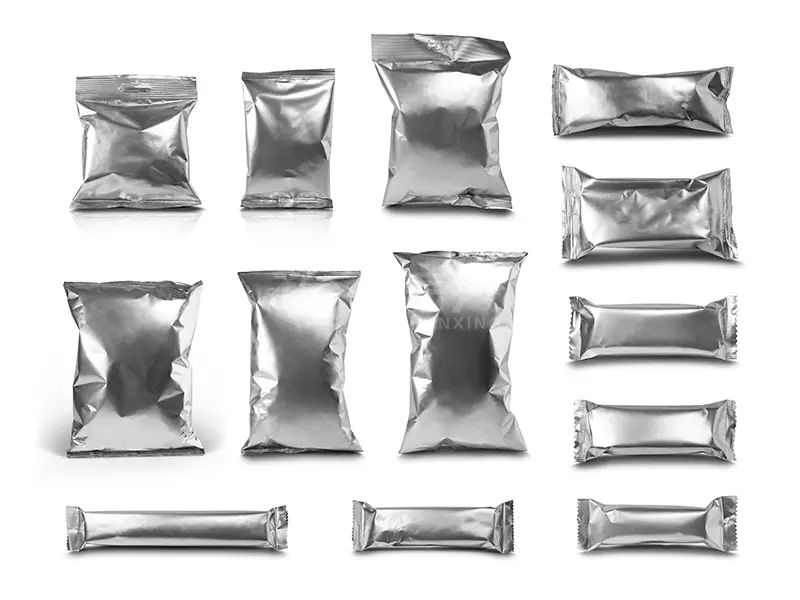
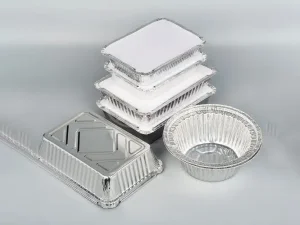
High-formability alloys and food-grade foils designed for container drawn bodies, barrier packaging, and flexible lids.
Explore Materials
Anodized grade aluminum sheets and components optimized for high heat-sink performance and sleek consumer casings.
Explore Materials
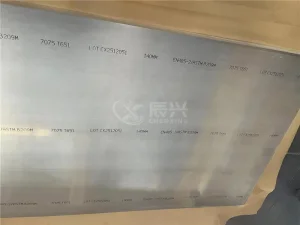
High-integrity structural alloys featuring advanced stress-relief tempers for aerospace components and critical structural assemblies.
Explore Materials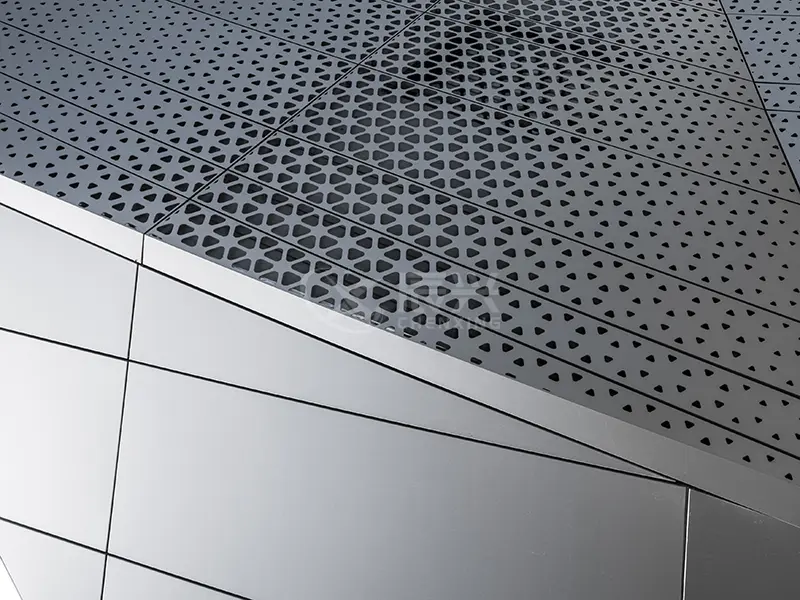
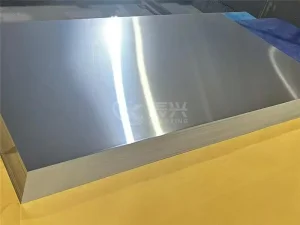
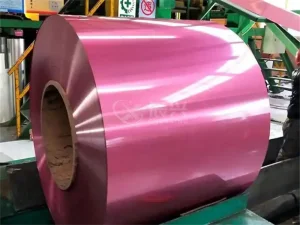
Corrosion-resistant coated coils and durable structural plates for architectural roofing, facades, and infrastructure projects.
Explore Materials
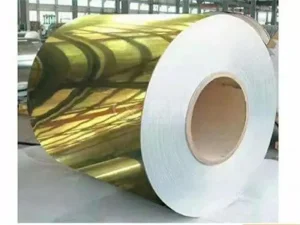
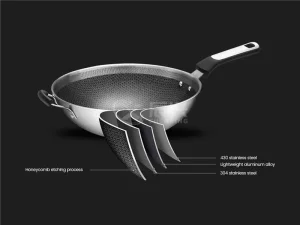
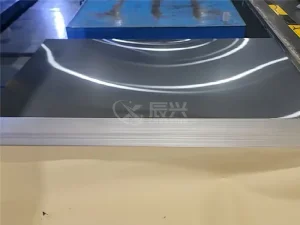
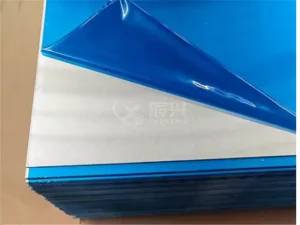
Specially prepared surface finishes, including mirror, brushed, and embossed styles, for refrigerator panels and cookware blanks.
Explore MaterialsOperating a global business model requires adherence to regional environmental and technical standards. We provide comprehensive compliance documentation to simplify your supply chain entry and verification processes.
Every delivery includes EN/ASTM material test certifications (MTCs). Our product ranges comply with ASTM B209, EN 485, and GB/T 3880 specifications, guaranteeing chemical purity and mechanical tolerance parameters.
We maintain full compliance with RoHS, REACH, and FDA standards. This ensures our packaging foils and cookware blanks are free from restricted substances and safe for consumer contact.
Through our regional service centers, we assist local procurement agents with tariff classification, customs documentation, and post-delivery metallurgical validation to resolve technical issues quickly.
Need targeted chemical specifications, detailed volume-based pricing, or trial mill runs? Leave your requirements below, and our engineering team will follow up within 24 hours.
Stay informed with the latest metallurgical breakthroughs, supply chain strategies, and global trade analyses.
Technical answers to help buyers evaluate material tempers, chemical composition limits, and import compliance rules.
Continuous Cast (CC) coils are formed continuously from molten metal, which is cost-effective and suitable for general drawing and bending operations. Direct Chill (DC) cast plates are produced in ingot molds, yielding a more uniform crystalline microstructure and superior mechanical properties. This makes DC alloys preferred for anodizing, deep drawing, and structural components.
The 5xxx series (such as 5052 and 5083) alloyed with Magnesium offers excellent corrosion resistance in marine and chemical environments. The 6xxx series (such as 6061) also provides good corrosion protection along with higher mechanical strength due to its Silicon and Magnesium composition.
Our automated rolling lines use Automatic Gauge Control (AGC) systems, which measure thickness via mechanical and laser sensor feedback loop adjustments. We maintain tolerances tighter than those required by ASTM B209 and EN 485, keeping variance within ±0.02 mm for thin-gauge sheets.
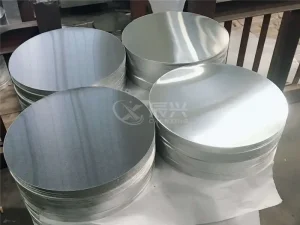
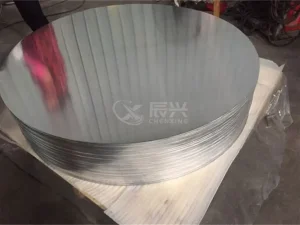
We supply fine-grain 1050, 1100, and 3003 alloy discs in the soft O temper. Grain structure control reduces the formation of "ears" (uneven edges) during deep drawing. This minimizes waste and helps ensure a clean surface finish during cookware production.
Discover our highly technical catalog configurations designed for demanding global supply chains.