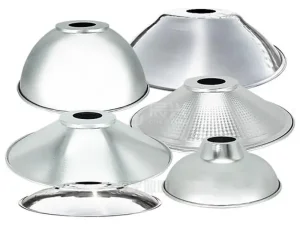


1. The Strategic Role of Aluminium Steel Plates in Modern Engineering
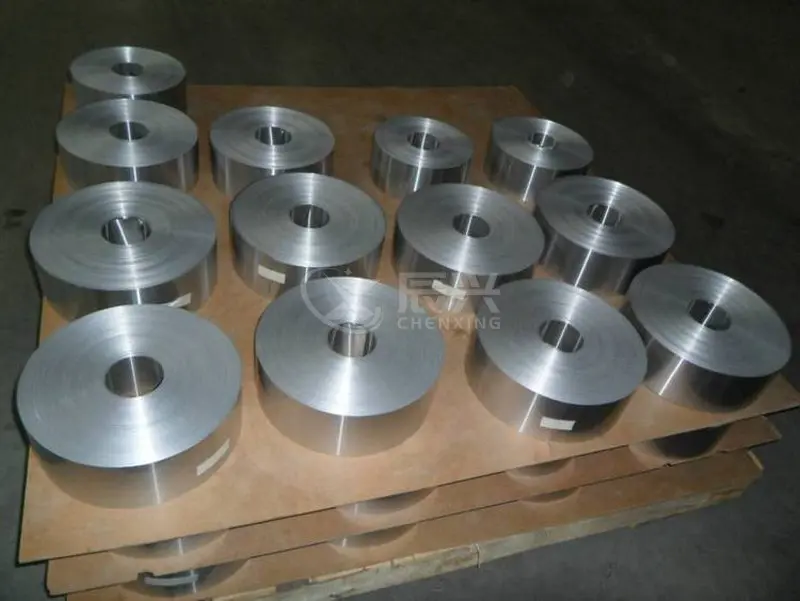
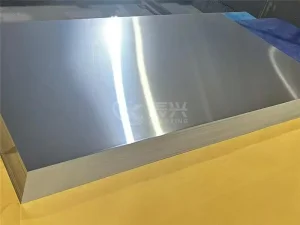
In the pursuit of weight reduction, mechanical performance, and energy efficiency, the global industrial sector has increasingly moved away from monolithic steel configurations. The integration of Aluminium Steel Plates and high-grade cladding plates represents a metallurgical revolution. Traditionally, connecting aluminum structures directly to steel frames caused accelerated galvanic corrosion. Through modern roll bonding, explosive welding, and advanced heat treatment, bimetallic plates function as seamless transition joints that preserve the low density of aluminum along with the robust yield strength of structural steel.
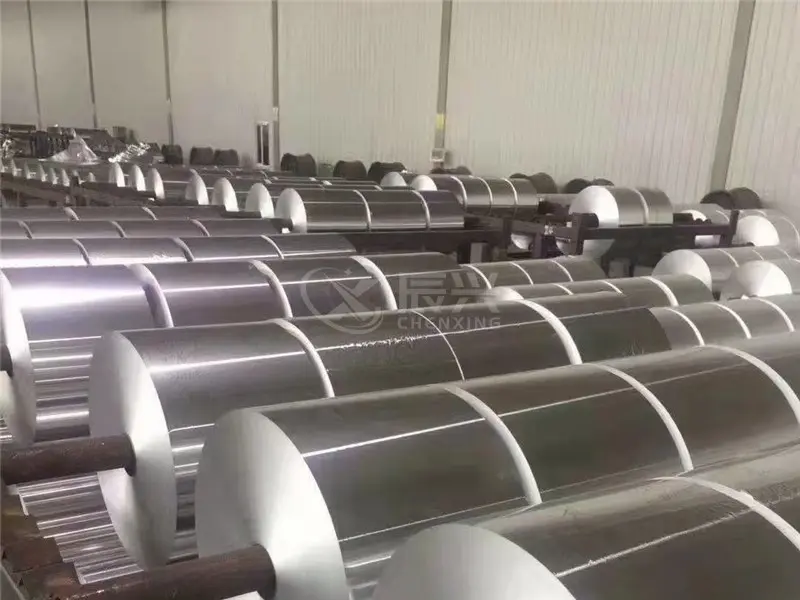
As a leading supplier based in China's manufacturing heartland, we specialize in bridging the gap between raw metal processing and complex structural applications. Our facility utilizes advanced hot and cold rolling mills capable of processing high-performance alloys including 1xxx, 3xxx, 5xxx, and 6xxx series. By aligning our metallurgical processes with international standards such as ASTM B209 and EN 485, we ensure that every square meter of material delivered to your site meets the precise mechanical load requirements of your application.
"By resolving the interface bonding challenge between dissimilar metals, our engineered bimetallic interfaces provide maximum thermal transfer, corrosion mitigation, and shear resistance under extreme marine and aerospace operating conditions."
2. The Chinese Supply Chain Advantage & Factory Efficiency
Procuring industrial metals from China offers strategic benefits that extend beyond unit cost reductions. China's integrated aluminum smelting and fabrication clusters provide distinct structural advantages:
- Raw Material Proximity: Our facility is located in close proximity to major alumina refineries and primary smelters. This integration reduces domestic transport costs and shields our customers from major supply chain shocks.
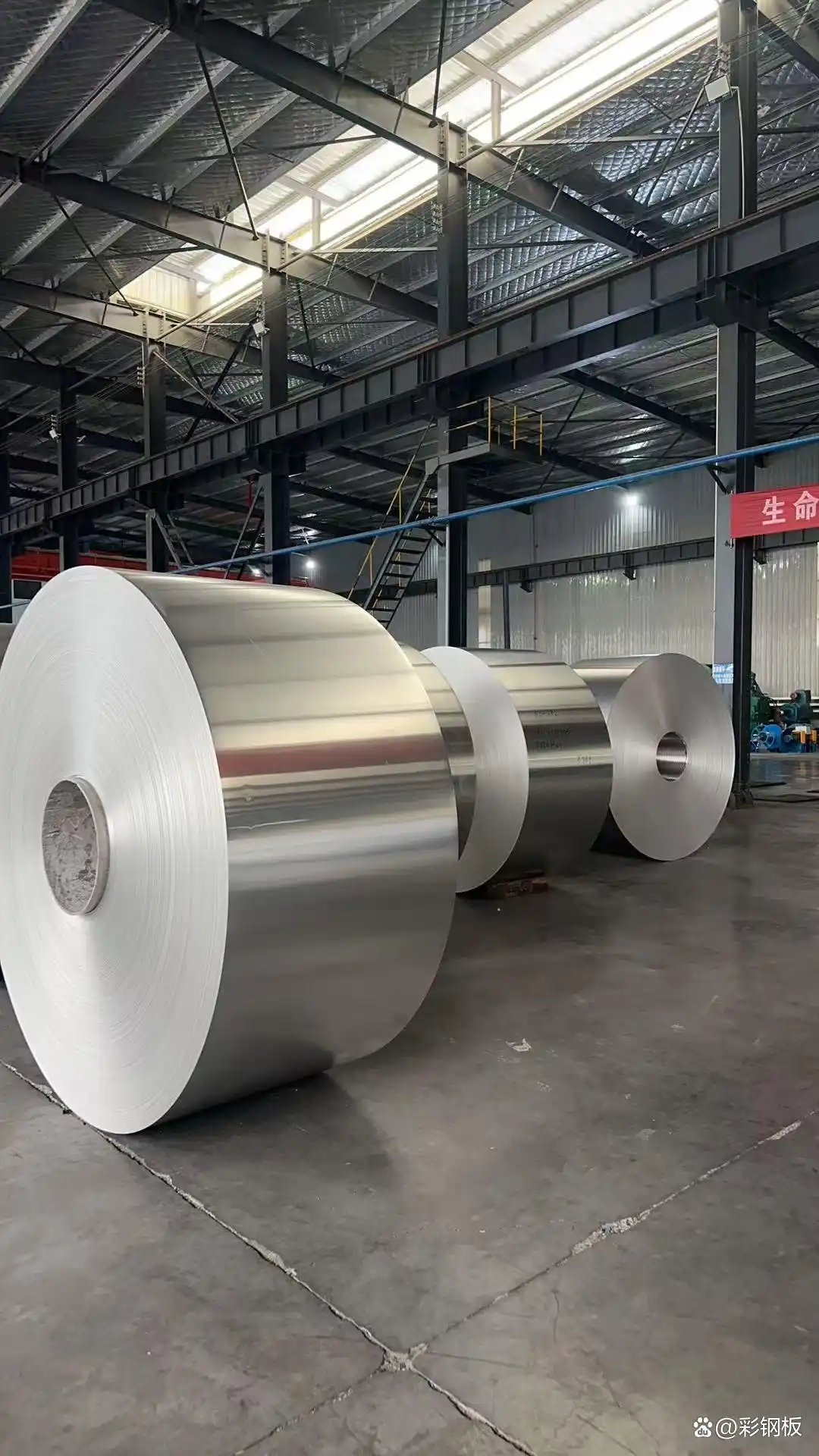
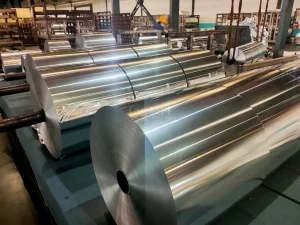
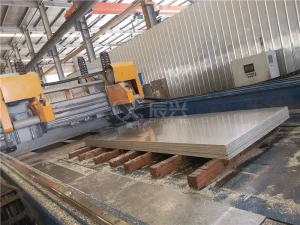
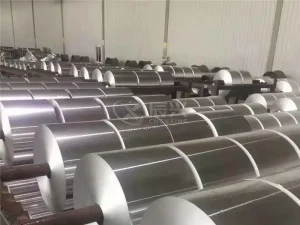
- Integrated Scale: We operate high-tonnage rolling mills, precision tension levelers, and automated continuous annealing lines. This advanced machinery minimizes processing variables and allows us to handle large-scale, high-volume orders.
- Precision Alloying: Through automated direct-chill casting, we control trace chemical compositions down to 0.01%, optimizing elements like Magnesium (Mg) and Manganese (Mn) to match specified structural properties.
- Logistical Connectivity: Our proximity to deepwater container ports like Qingdao, Tianjin, and Shanghai facilitates fast shipping and allows us to offer flexible CIF, FOB, and DDP terms.
3. Global Compliance Standards & Localized Operations
We recognize that purchasing from international manufacturers requires confidence in regulatory compliance and certification. We maintain a robust quality framework to meet these demands:
Regulatory & Technical Compliance: Our products are certified under international systems including ISO 9001:2015, ISO 14001, and IATF 16949 for automotive applications. We provide Mill Test Certificates (MTC) in accordance with EN 10204 3.1, detailing chemical composition, yield strength, tensile limits, and elongation rates.
Anti-Dumping & Tariff Customization: Navigating global trade regulations requires strategic planning. We work closely with procurement departments in the USA, European Union, and India to manage anti-dumping and countervailing duty (AD/CVD) regulations. We offer verified customs classification (HS Codes) and provide optimized cargo configurations to minimize duty liabilities.