
Direct supply from state-of-the-art Chinese manufacturing facilities featuring superior mechanical properties and strict quality controls.
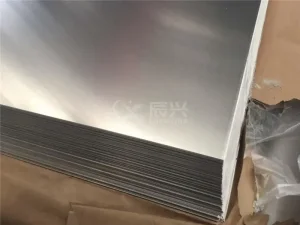
High-grade structural alloy with excellent corrosion resistance for marine and transportation structural components.
Technical Details & Request Quote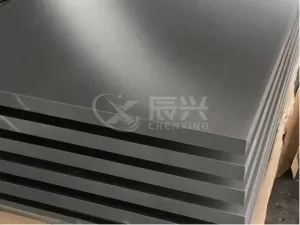
Aviation-grade ultra-high strength alloy, optimized for aerospace engineering and precision structural components.
Technical Details & Request Quote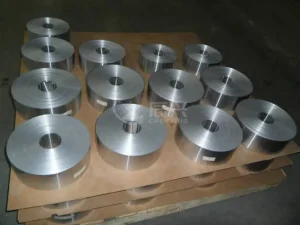
Highly flexible, anti-corrosive foil designed specifically for HVAC flexible ductwork and clean air systems.
Technical Details & Request Quote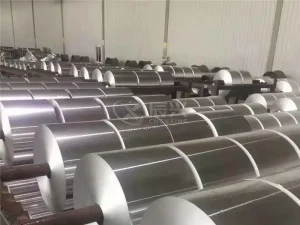
Food-grade safe barrier foil for long-term food preservation, cooking, and industrial packaging conversion.
Technical Details & Request Quote
Perfectly flat, round aluminum discs with excellent stamping, deep drawing, and reflective surface performance.
Technical Details & Request Quote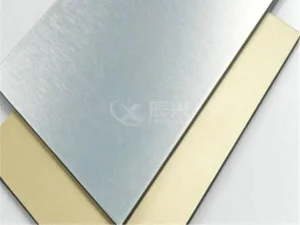
Electrolytically passivated surface for increased corrosion resistance, wear resistance, and long-lasting visual appeal.
Technical Details & Request Quote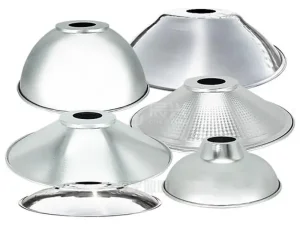
Optimum reflectivity and thermal dissipation properties for reflectors, downlights, and premium kitchen utensils.
Technical Details & Request Quote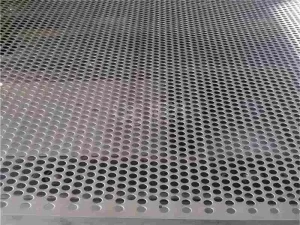
Engineered perforated patterns with exact tolerance ranges for modern cladding, ventilation, and decorative facades.
Technical Details & Request QuoteIn the global metal manufacturing landscape, China stands as the powerhouse of aluminium foil production. The country's factories supply over 60% of the world's commercial and industrial aluminium foil, driven by advanced smelting facilities, direct-access raw material supply lines, and state-of-the-art cold-rolling technologies. For global procurement teams, sourcing directly from a qualified China aluminium foil factory provides unparalleled economies of scale and technical versatility.
Understanding the value chain of Chinese foil processing requires looking at the technological advancements within the sector. Modern factories utilize highly automated continuous casting and direct chill (DC) casting techniques to control grain structure, ensuring the final foil achieves optimal tensile strength and zero pinhole integrity down to ultra-thin gauges (less than 6 microns). These manufacturing benchmarks are crucial for specialized applications like lithium-ion battery separators and high-barrier sterile pharmaceutical packaging.
Chinese refineries leverage large-scale electrolytic cells (up to 600kA) to achieve low-energy consumption and highly refined primary aluminum, forming the foundation of high-purity alloy series (1xxx, 3xxx, 8xxx).
With high-speed reversible cold rolling mills and automatic gauge control (AGC) systems, factories ensure uniform thickness tolerances across wide coils down to +/- 2% accuracy.
State-of-the-art vacuum annealing ovens allow precise temper adjustments (from Soft O to Full Hard H18), catering to customized mechanical requirements for deep drawing and laminating.
Online inspection systems employ laser-scanning tech to identify and flag surface microscopic pinholes, ensuring absolute gas and moisture barriers required by medical-grade standards.
Our operational scale and quality verification metrics ensure uninterrupted global material integration.
For international supply chain managers, importing from an aluminum foil supplier in China requires a comprehensive quality verification process. An audit must look beyond basic certifications (ISO 9001, ISO 14001) and evaluate the technical metrics that determine roll performance. In the packaging and medical sectors, factories must adhere to strict regulatory compliance standards, including US FDA regulations for direct food contact materials, EU REACH standards, and RoHS regulations regarding hazardous substances.
A reputable Chinese foil manufacturer ensures high-level quality control through several critical protocols. First, raw ingots are inspected for iron (Fe), silicon (Si), and trace element content using optical emission spectrometers before processing. During rolling, automated thickness gauges maintain consistency. Finally, mechanical property testing verifies tensile strength and elongation metrics. Post-rolling processes also include high-temperature oil cleaning to ensure low surface residue, which is essential for trouble-free lamination with polymers and paperboards.
Working with foreign factories can introduce communication challenges and technical delays. Leading Chinese foil factories solve this by deploying technical representatives to key target markets. This enables immediate support for trial material qualification and processing parameter calibration. Combined with the industry-standard 8D (Eight Disciplines) problem-solving methodology, any manufacturing defects are quickly identified, isolated, and resolved with corrective actions within 24 to 48 hours.
Our aluminum alloys are engineered to perform in demanding environments across key global industries.

High-strength sheets and plates engineered for vehicle weight reduction, rail transport, and marine hulls, offering superior anti-corrosive performance.
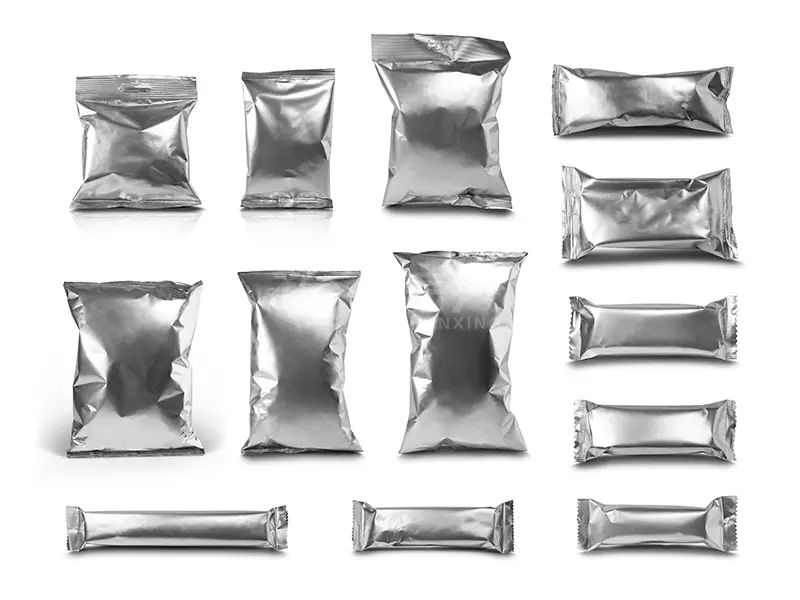
Flexible barrier materials designed for food, pharmaceutical blister packs, and consumer packaging, providing absolute protection against UV, gas, and moisture.

High-conductivity foils and sheets optimized for capacitor windings, electronic shielding, and cooling plates in power electronic applications.

Aviation-grade structural alloys designed for high mechanical stress, ensuring optimal structural integrity and fatigue resistance.
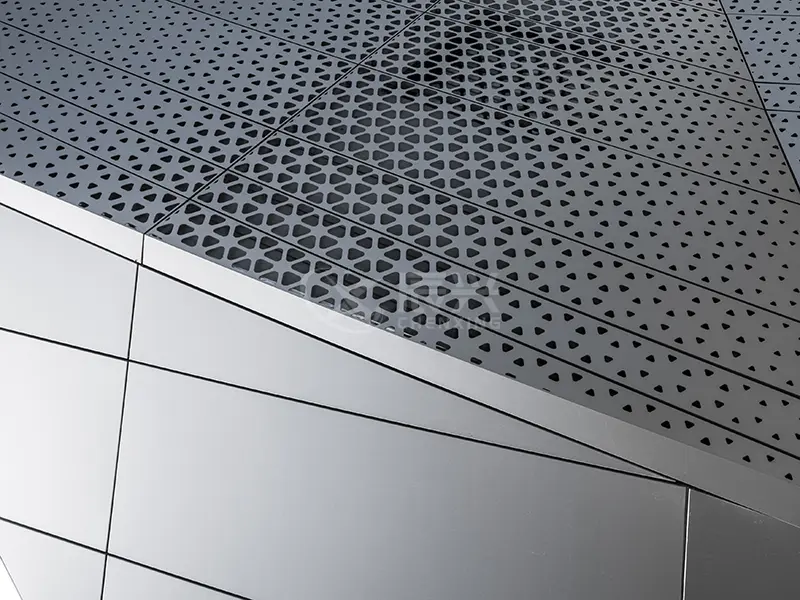
Weather-resistant, anodized cladding panels and sheets providing structural durability and aesthetic flexibility in commercial architecture.

Pre-coated, brushed, and standard coils for refrigeration panels, decorative elements, heat exchangers, and air conditioning condensers.
The global aluminium foil industry is undergoing a significant transformation driven by sustainability regulations and green manufacturing initiatives. Leading manufacturers are investing heavily in decarbonizing their operations. This transition focuses on utilizing low-carbon primary aluminum refined with renewable energy, such as hydropower, to minimize the carbon footprint of the finished product. This shift is critical for automotive OEMs and packaging converters seeking to lower their Scope 3 greenhouse gas emissions.
Simultaneously, material engineering is pushing toward ultra-thin foil configurations. While standard packaging applications traditionally used 6.3 or 7-micron foils, modern high-precision rolling mills can now produce 5.5 and 5-micron options without compromising tear resistance. This down-gauging directly reduces material weight, resulting in significant resource savings and lower shipping costs across the global supply chain.
Quality inspection has evolved beyond periodic manual checks. Advanced Chinese manufacturing plants now feature integrated machine learning systems that monitor the foil surface in real time. These neural-network-trained camera systems detect anomalies—such as rolled-in oil spots, micro-scratches, or alignment issues—at production speeds of up to 1,500 meters per minute. Defective sections are flagged and removed automatically during the slitting process, ensuring consistent high quality for critical industrial applications.
Request comprehensive chemical compositions, mechanical property portfolios, factory-direct pricing, or physical material samples. Our technical specialists will respond within 24 hours.
Submit Sourcing SpecificationCrucial engineering and procurement answers for global sourcing professionals evaluating aluminum manufacturers.
For flexible packaging, alloys 8011 and 1235 are the industry standards. Alloy 1235 (minimum 99.35% aluminum purity) is preferred for ultra-thin foils because of its excellent ductility. Alloy 8011 contains small amounts of iron and silicon, providing higher tensile strength and puncture resistance. This makes it ideal for household foil rolls, pharmaceutical blister packs, and food containers.
Direct Chill (DC) casting starts with solidifying large aluminum slabs, which are hot-rolled and cold-rolled. This process yields a highly uniform, low-pinhole foil suitable for ultra-thin, high-barrier pharmaceutical packaging and electrical applications. Continuous Casting (CC) bypasses hot rolling by casting liquid metal directly into a coil strip. While more energy-efficient and cost-effective, CC foil is typically reserved for household foils and air conditioner fins where extreme elongation is not required.
Pinhole mitigation requires strict control over raw material purity to eliminate non-metallic inclusions. Refiners use ceramic foam filtration and degasification steps during casting. Precision control of the cold rolling reduction ratio, along with advanced roll grinding processes, prevents microscopic surface tears that lead to pinholes in the final foil.
FDA compliance requires verify chemical composition through spectrographic analysis to ensure heavy metal impurities fall below strict limits. Additionally, testing verifies that rolling oils are thoroughly volatilized during annealing, leaving negligible organic residues on the foil surface.
Stay informed on trade compliance, green initiatives, and technological breakthroughs within the aluminum manufacturing sector.
An in-depth review of export volume trends, shipping container dynamics, and regional tariff updates impacting trade corridors.
Read Detailed Analysis →
Exploring technical standards for high-tensile 12-micron cathode collector foils and surface coating developments.
Read Detailed Analysis →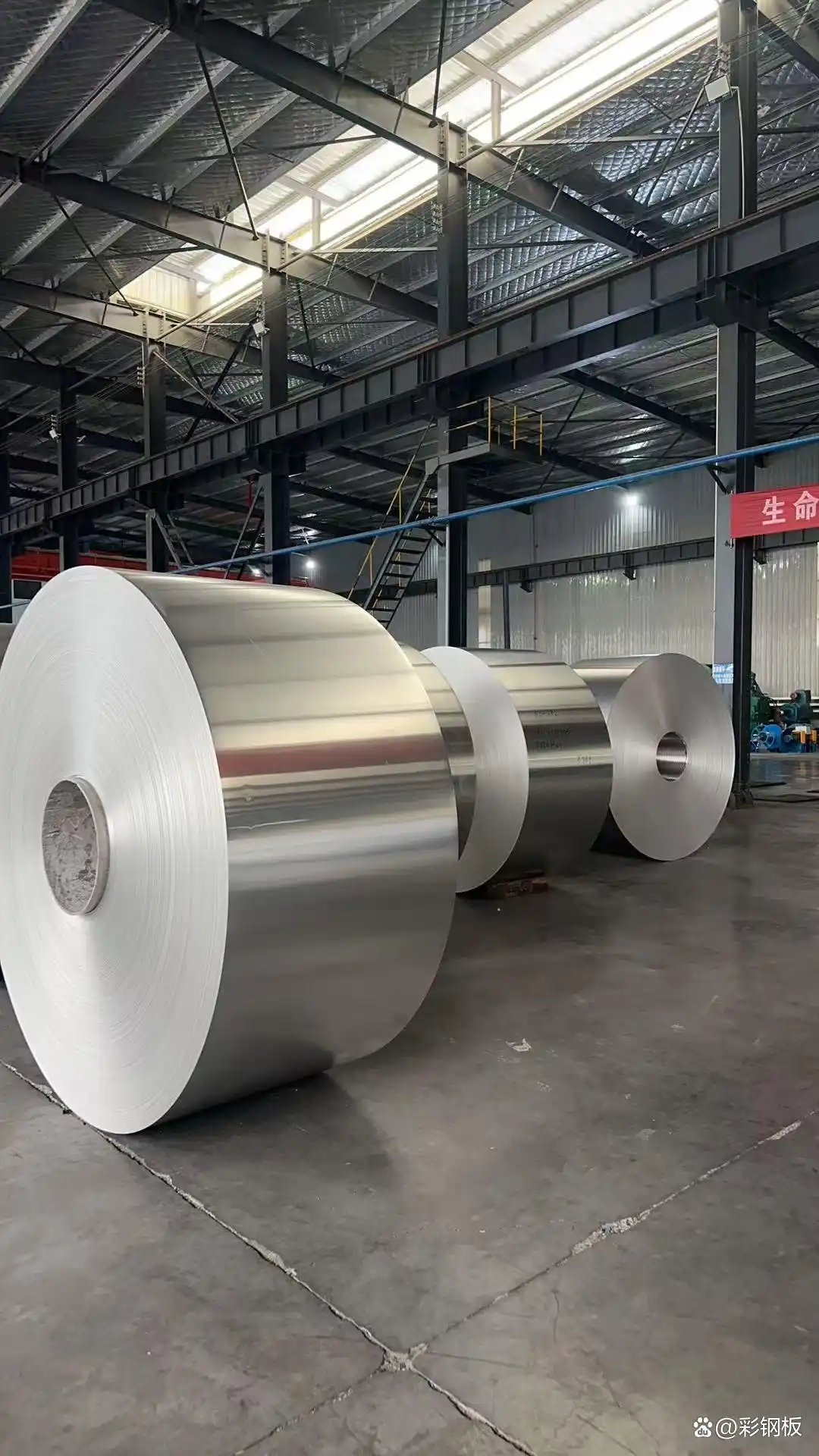
Investigating the growing global demand for high-recyclability prepainted aluminum coils in construction.
Read Detailed Analysis →Premium specialized materials designed for critical processing, deep drawing, and complex lamination work.
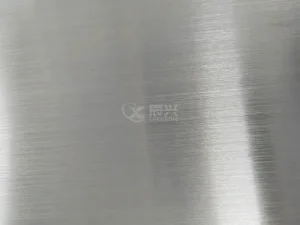
Features a premium linear surface finish, optimized for consumer electronics chassis and home appliance panels.
Technical Details & Request Quote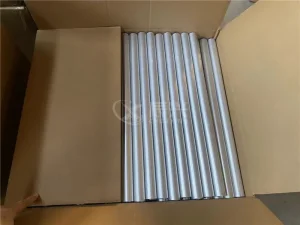
Seamless hollow profile tubes with tight dimensional tolerances for fluid transport and structural piping.
Technical Details & Request Quote
A highly durable, anodized exterior sheet designed to withstand harsh outdoor weathering without surface chalking.
Technical Details & Request Quote
Premium structural sheets optimized for anodizing, ensuring excellent color consistency and corrosion resistance.
Technical Details & Request Quote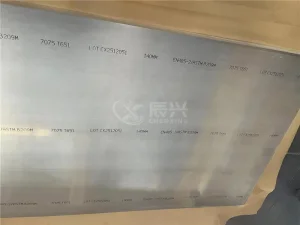
Thick, heavy-duty plates designed for high structural loads, molds, machinery components, and ship hulls.
Technical Details & Request Quote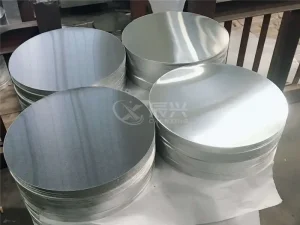
Pre-punched, precision-cut round aluminum blanks designed for cookware spinning and deep-draw processing.
Technical Details & Request Quote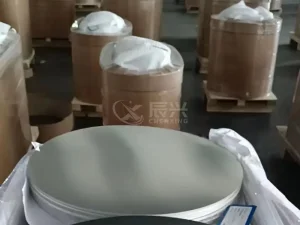
Alloy 3003 provides high elongation, structural strength, and corrosion resistance for industrial applications.
Technical Details & Request Quote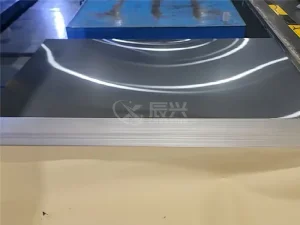
A versatile aluminum sheet with excellent workability and corrosion resistance for ductwork and paneling.
Technical Details & Request Quote