Direct supply options for global manufacturers looking for high-precision components and custom raw materials.
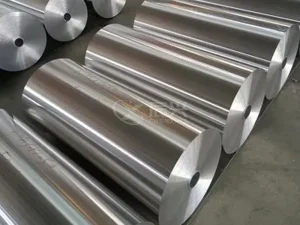
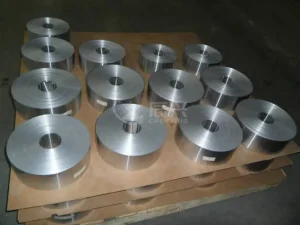
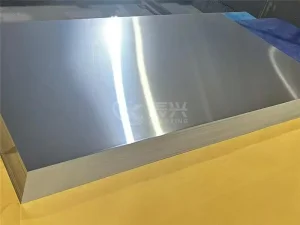
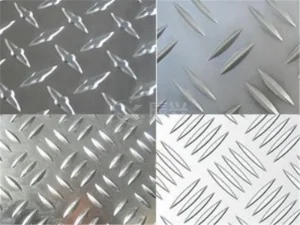
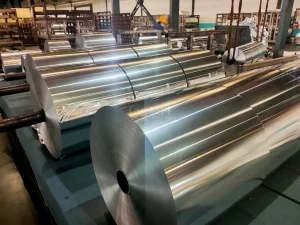
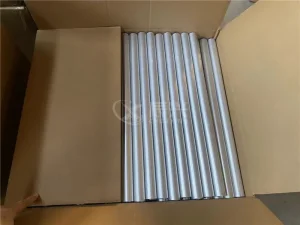


The global transition to high-density electrification, sustainable packaging, and lightweight aerospace engineering has positioned Chinese aluminium processing bases as the vital centers of the international non-ferrous metals supply chain. China's advanced manufacturing bases produce over 55% of the world’s refined, rolled, and extruded aluminium products. These bases integrate complete supply chains, from primary smelting hubs to state-of-the-art precision rolling mills.
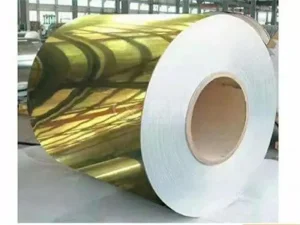
This whitepaper provides procurement executives, materials engineers, and industrial designers with an in-depth analysis of China's aluminium manufacturing technology, quality control systems, and strategic logistics advantages. We highlight critical technical developments in battery foil, deep-drawing sheets, mirror-finish coils, and structural extrusions, detailing how modern factories maintain reliability and precision across diverse industrial sectors.
Choosing an industrial aluminium supplier requires analyzing factors beyond standard pricing metrics. A supplier's true value lies in their alloy grain structure control, hydrogen content management, surface oxide stability, and trace element chemistry. Chinese hubs like Henan, Shandong, and Guangdong have optimized these elements by coupling primary smelting with advanced down-stream processing.
Modern aluminium bases in China are shifting from producing low-complexity structural alloys to manufacturing highly specialized materials. Key research and development pathways focus on managing grain growth and micro-alloying to deliver consistent performance under high-stress conditions.
| Alloy Grade | Core Applications | Tensile Strength (MPa) | Elongation (%) | Key Technical Attribute |
|---|---|---|---|---|
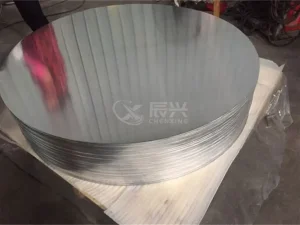
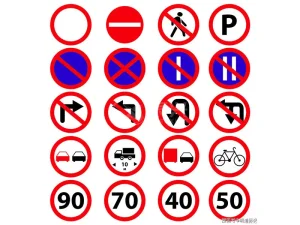
| 1050 / 1060 | Deep Drawing, Capacitors, Signage | 60 - 100 | ≥ 25% | Exemplary ductility & electrical conductivity |
| 3003 / 3004 | HVAC Foils, Packaging, Cookware | 140 - 200 | ≥ 10% | Excellent corrosion resistance & formability |
| 5052 / 5754 | Marine, Automotive Structures, Cabinets | 190 - 260 | ≥ 12% | Outstanding fatigue limits in seawater environments |
| 8011 / 8021 | Aseptic Packaging, Battery Foils | 80 - 150 | ≥ 3% | High barrier properties, minimum pinhole count |
Aluminium plays a central role in global decarbonization efforts. Over the past decade, Chinese factories have transitioned from simple material supply to providing complete engineering solutions. They collaborate with international tier-one suppliers to design lighter, more durable, and fully recyclable components.
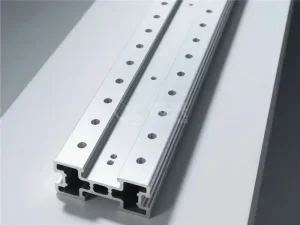
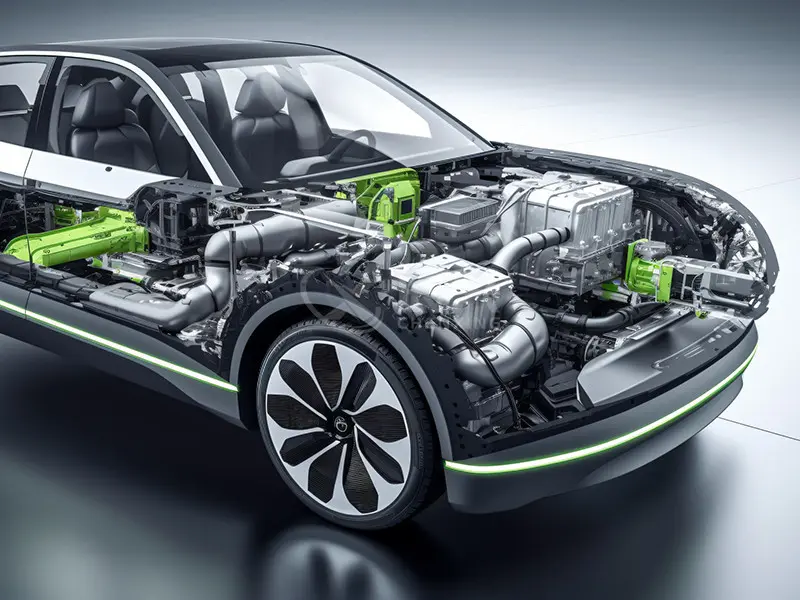
In automotive engineering, using lightweight alloys like 5052 and 6000-series extrusions helps reduce structural weight by up to 40% compared to traditional mild steels. This weight reduction directly translates to extended battery range for electric vehicles. In commercial and residential construction, high-tensile wall-corner strips and functional profiles protect structural elements, resist thermal expansion, and improve overall energy efficiency.
Entering international markets requires adherence to complex regulatory frameworks. Leading Chinese exporters maintain full compliance with major global environmental, health, and quality standards, including ISO 9001, IATF 16949 for automotive applications, RoHS, REACH, and CE directives.
Additionally, with the introduction of carbon border adjustments such as the EU's CBAM, factories are investing in green energy and low-carbon smelting processes. Many facilities utilize renewable hydropower and recycled scrap aluminum to lower the carbon footprint of their products, helping global buyers meet their environmental and sustainability targets.
Modern Chinese manufacturing bases leverage extensive automation and integrated logistics. Factories feature automated storage and retrieval systems (ASRS), continuous casting lines, and high-speed multi-stand rolling mills. These systems are connected to Manufacturing Execution Systems (MES) to track production parameters in real time.
This digital integration ensures material consistency across production lots while optimizing manufacturing cycles. Because downstream processors are located near primary smelters, companies can minimize molten metal transport times, reduce energy consumption during remelting, and maintain competitive pricing even amid global raw material fluctuations.
Our materials are engineered to meet the demanding requirements of various global industrial sectors.


Common questions from global procurement and materials engineering teams.
Connect with our technical sales team for material customization, processing options, and wholesale volume pricing.
Additional material options and finished products for heavy industry, electronics, and structural applications.