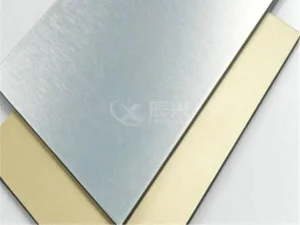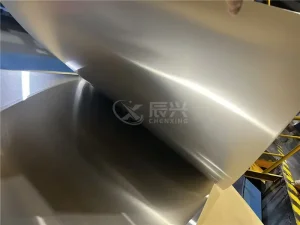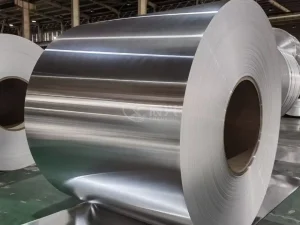
Direct supply from state-of-the-art Chinese mills with strict mill-test certifications and global compliance standards.
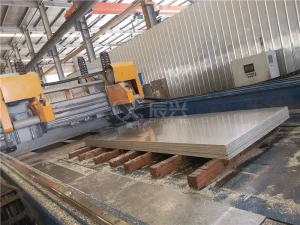
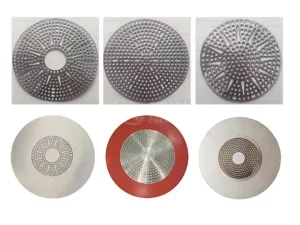
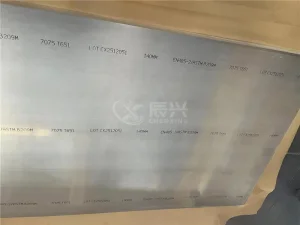
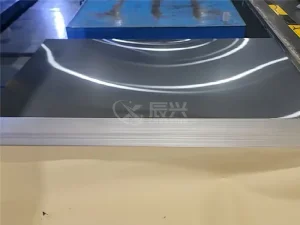
Bridging global industrial requirements with certified high-precision Chinese extrusion and rolling infrastructure.


A technical guide on aluminum alloys processing, structural limits, and design considerations for modern engineering teams.
The global industrial sectors are experiencing a profound transition towards high strength-to-weight ratio materials, driven primarily by decarbonization targets, EV lightweighting, and structural performance requirements in aerospace and high-speed rail. Aluminum, possessing 1/3 of the density of structural steel while offering excellent corrosion resistance, stands at the absolute core of this materials revolution.
China is currently the global epicentre of advanced aluminum rolling, extrusion, and surface treatment technologies. Chinese factories process over half of the world's primary aluminum and maintain the most modern hot/cold rolling mills, continuous casting lines, and anodizing lines. By leveraging vertical integration—from bauxite processing to high-end surface anodizing—Chinese manufacturers can achieve unprecedented microstructural consistency and tight dimensional tolerance controls at competitive price points.
Information Gain Highlight: Our collaborative metallurgy laboratory continuously monitors grain refinement structures using electron backscatter diffraction (EBSD) to ensure our structural alloys (like the 5xxx and 7xxx series) maintain superior isotropic properties under high-fatigue dynamic loads.
Different engineering applications demand distinct alloy compositions. The table below lists the metallurgical breakdown and design recommendations for our primary production alloys:
| Alloy Series | Key Elements | Mechanical/Chemical Advantages | Primary Industrial Use Cases |
|---|---|---|---|
| 1xxx Series (e.g. 1050) | 99.5% Min. Al | Excellent electrical/thermal conductivity, superior formability. | Capacitors, heat exchanger fins, food grade kitchenware. |
| 3xxx Series (e.g. 3003, 3104) | Manganese (Mn) | Moderate strength, outstanding corrosion resistance, high deep-draw capability. | Beverage cans, HVAC evaporators, chemical equipment. |
| 5xxx Series (e.g. 5083, 5754) | Magnesium (Mg) | High strength, exceptional marine-water corrosion resistance, high weldability. | Shipbuilding, pressure vessels, high-strength tankers. |
| 6xxx Series (e.g. 6082-T6) | Mg & Silicon (Si) | Optimized balance of mechanical strength and machinability via age hardening. | Structural trusses, bridge frames, architectural load-bearing. |
| 7xxx Series (e.g. 7075-T6) | Zinc (Zn) | Ultra-high yield strength matching structural steels, high fatigue limits. | Aerospace structural bulkheads, mold tooling, defense components. |
As a global partner, our factory operations are strictly aligned with localized regional import policies and environmental standards. We maintain full system conformity with the following regulatory structures:
Our Quality Management System operates on a strict 8D Problem Solving Methodology. Within 24 hours of any deviation notice, our metallurgical teams trace casting logs, rolling speeds, and thermal heat treatment files, providing a detailed root-cause corrective action sheet directly to the client.
Navigating global duties requires proactive engineering. We assist clients by tailoring product classifications, such as semi-finished vs. highly machined components, to optimize import tariff structures. Our location close to major deep-water ports (Ningbo/Shanghai) allows us to execute humidity-controlled ocean packing in robust wooden crates lined with silica gel, eliminating oxidation risks during maritime transit.
Explore our hot-rolled, cold-rolled, and special surface-finish products developed for critical structural applications.
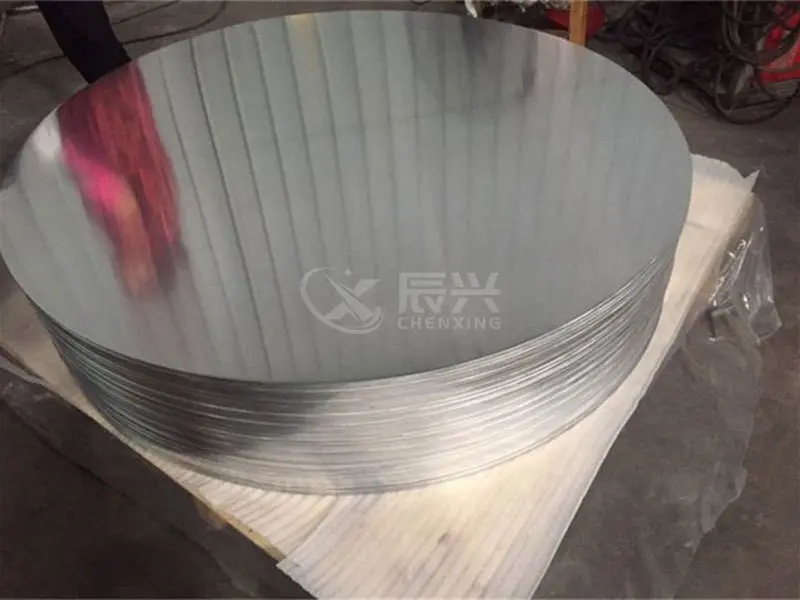
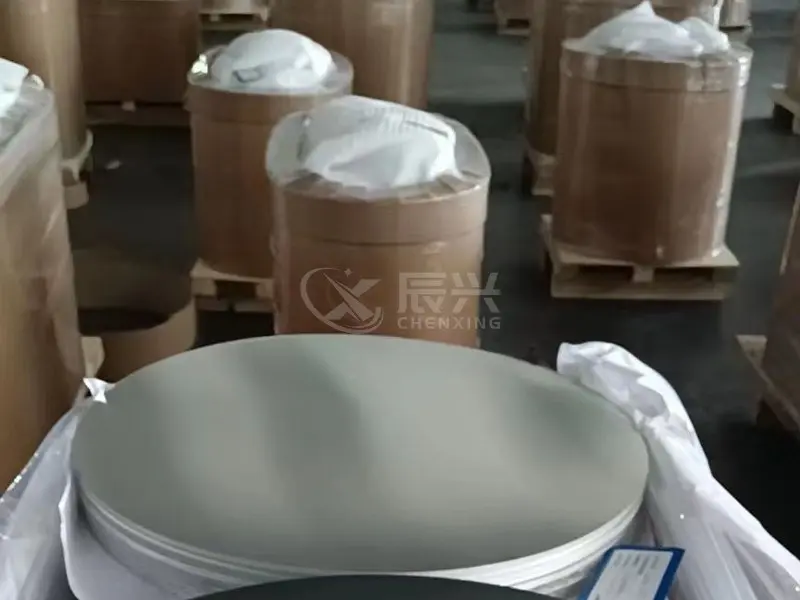
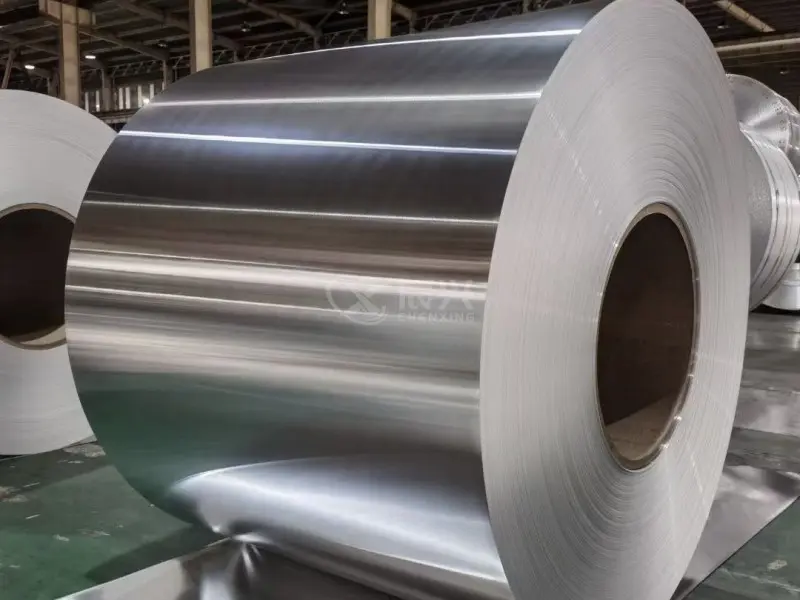
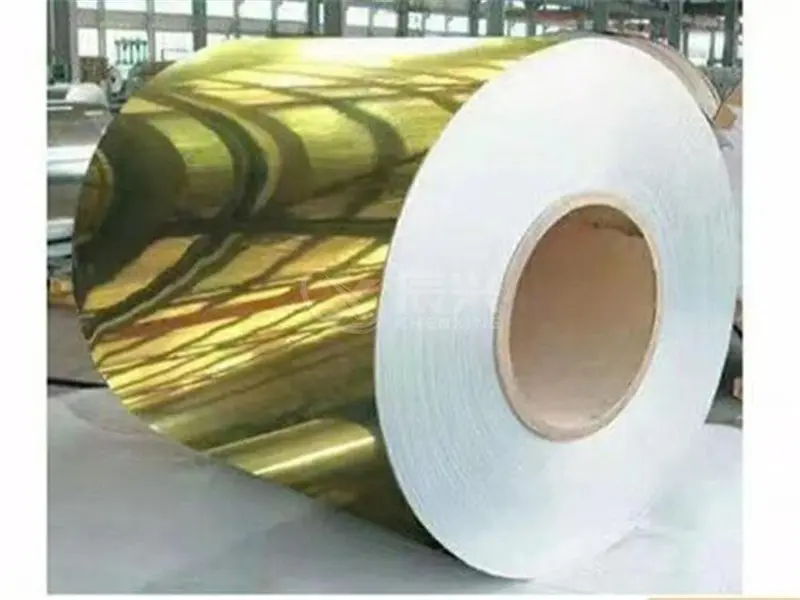
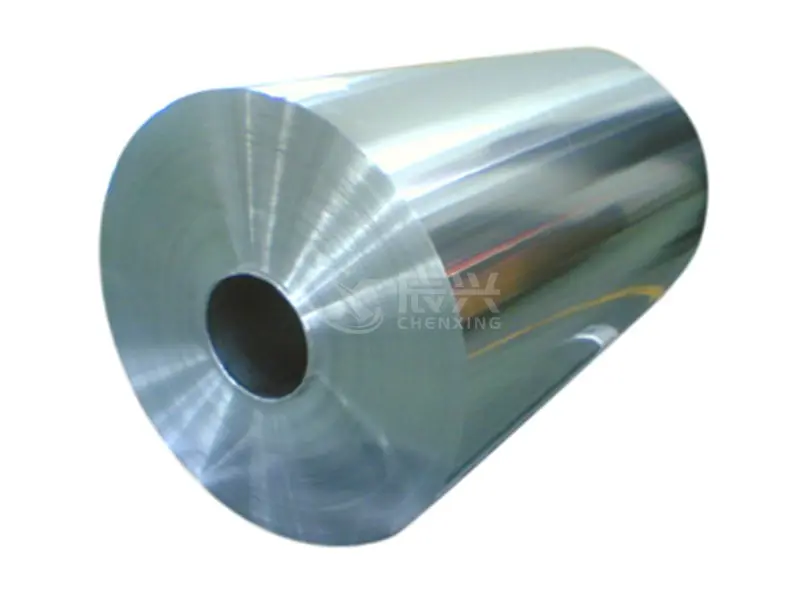
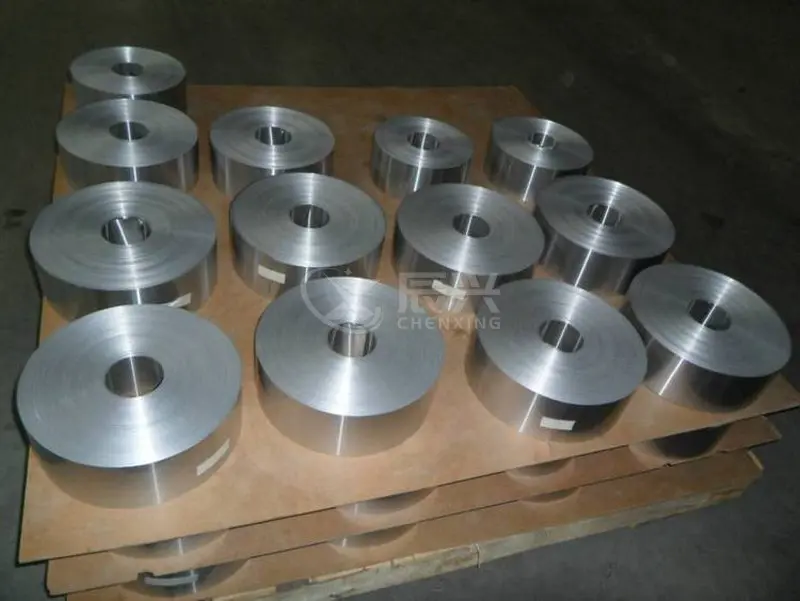
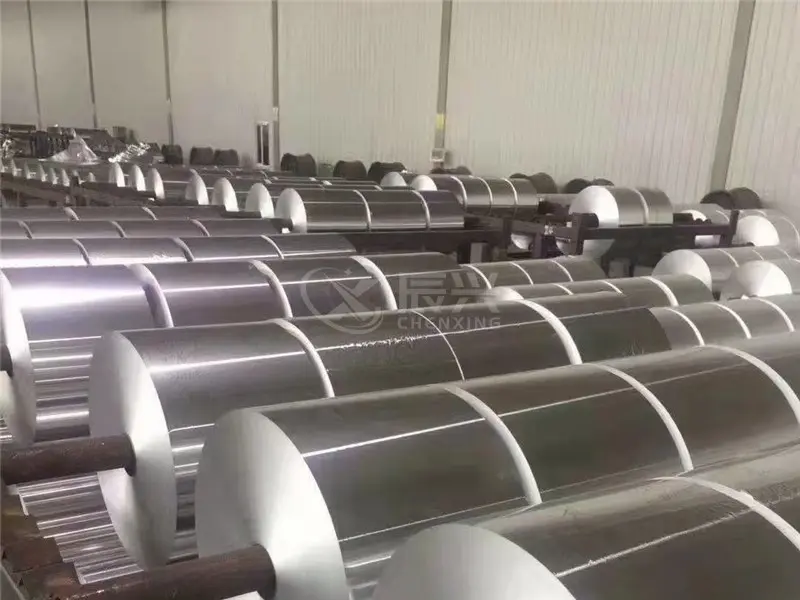
Providing specialized materials designed for critical operating environments across diverse global industrial sectors.

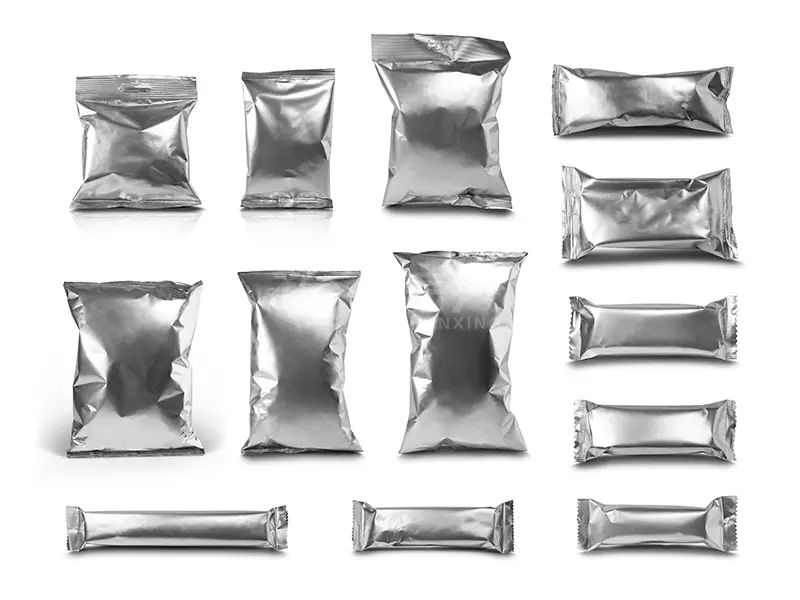


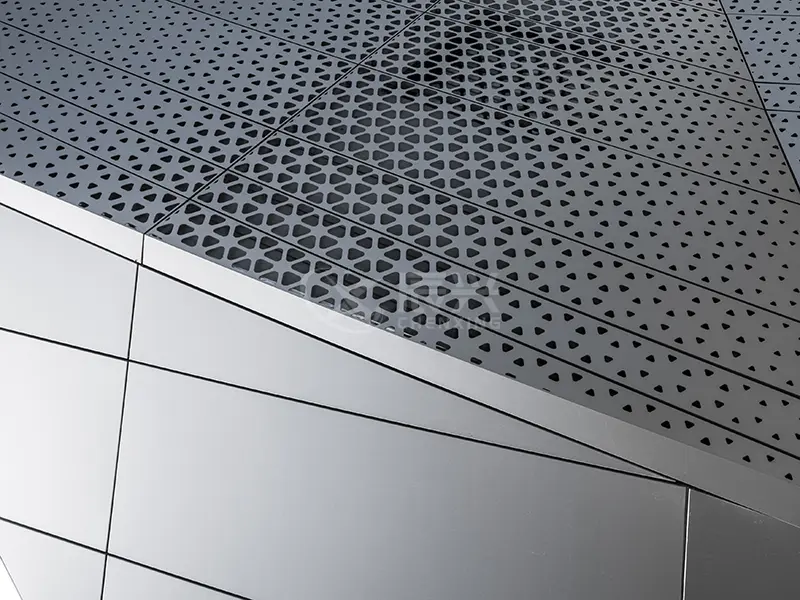

Precision execution in metallurgy requires continuous process monitoring. Our mills utilize automated gauge control (AGC) and flat-roll profile feedback systems to achieve ultra-fine thickness tolerances down to ±0.01 mm for thin sheets and foils. The hot-rolling and cold-rolling phases are monitored via internal defect laser sensors to avoid surface scratches, pinholes, and internal inclusions.
Our anodizing production line utilizes specialized sulfuric acid baths that achieve controlled anodic film thicknesses between 5µm and 25µm, complying with AAMA 611 specifications. This protective oxide coating is chemically sealed using hot water sealing or nickel-fluoride cold sealing methods, making the sheets incredibly resilient against high UV environments and architectural structural fatigue.
As the industry adapts to carbon neutrality goals, the demand for low-carbon green aluminum is growing. Our technology roadmap focuses on using clean hydropower for primary smelting, combined with inline melting systems that recover clean in-house scrap metal. This process reduces the carbon footprint to less than 4 tons of CO2 equivalents per ton of finished product, making it ideal for tier-1 automotive and global technology OEMs seeking to optimize scope 3 emissions.
Our upcoming production phases integrate fully automated ultrasonic test lines (UT) and electromagnetic cracking detection equipment, designed to secure zero-defect performance for structural aerospace sheets and high-strength deep-drawing alloys.
Addressing crucial technical, operational, and commercial questions for engineers and purchasing managers.
For standard grades like 1050, 3003, and 5083, the MOQ starts at 3 to 5 metric tons per width specification. Customized alloys or special heat treatment runs typically require 8 to 10 metric tons. The average production lead time ranges between 25 and 35 days, depending on mill load and thermal processing schedules.
Every batch of our 5083 and 7075 plates undergoes mandatory non-destructive ultrasonic testing (UT) in accordance with ASTM B594 standards. Mill Test Certificates (MTC) detailing chemical composition (OES analysis), tensile yield strength, ultimate strength, and elongation parameters are supplied with every shipment.
We offer options for surface protection, including standard PE/PVC film (ranging from 50 to 100 microns thickness), laser-cutting film for CNC fabrication, interspaced paper interleaving for high-finish sheets, and heat-sealed anti-corrosion barrier wrapping for long maritime transits.
We work closely with global compliance networks to supply detailed tariff classifications, certificates of origin, and custom trade arrangements. We also assist by offering semi-finished, further-machined, or fabricated components that fall under alternative tariff codes, helping clients maintain competitive supply chains.
Stay informed with current market trends, metal supply updates, and processing developments from our technical team.
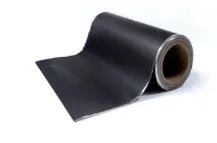
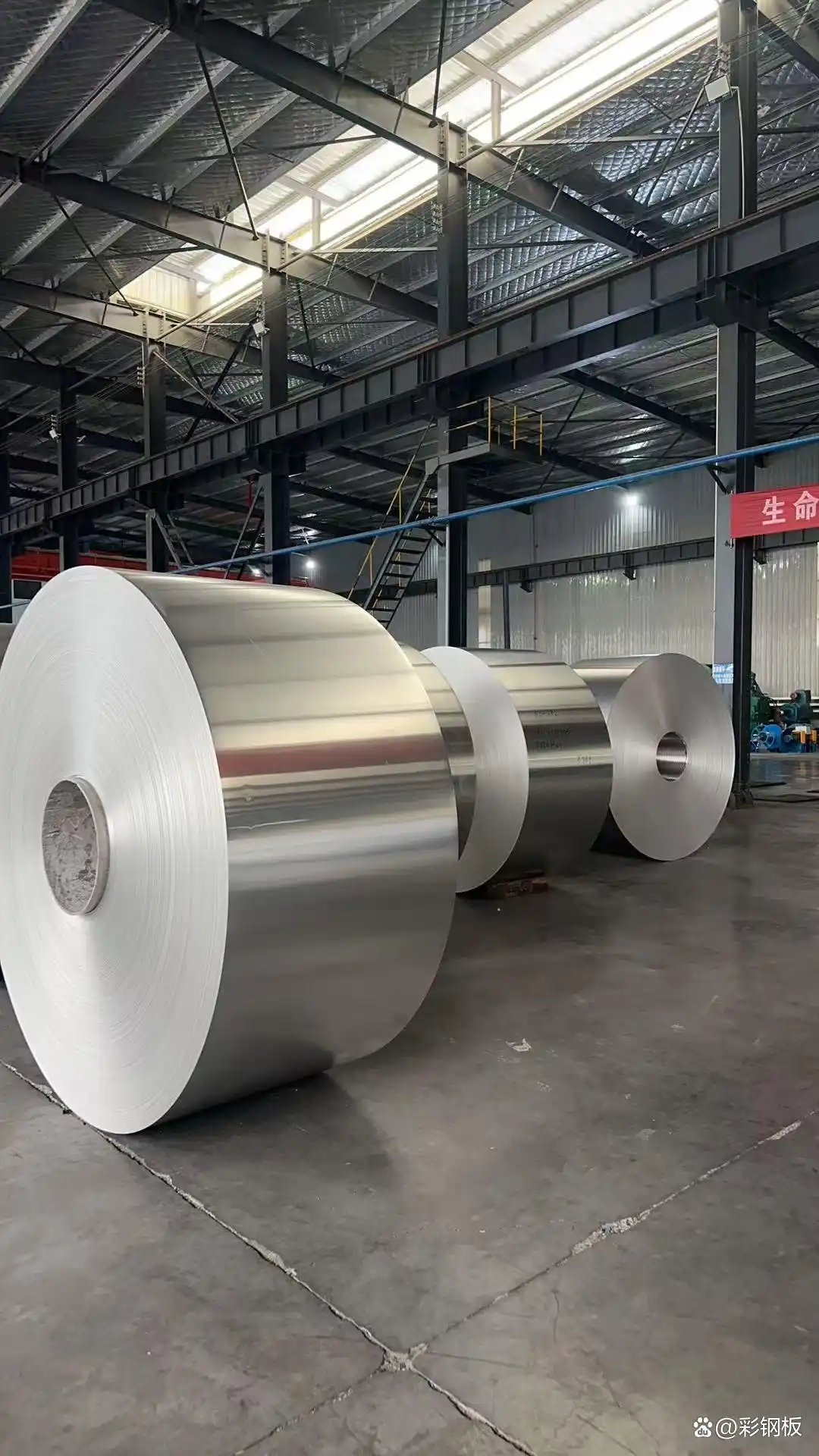
High-strength mechanical plates, structural packaging foils, and precision-engineered clad materials.
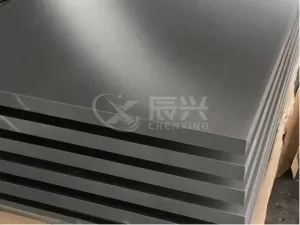
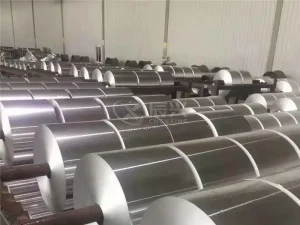
Get in touch with our metallurgical engineers to discuss alloy selection, dimensional tolerances, and bulk pricing. We provide comprehensive quotes within 24 hours.
Submit Inquiry Now