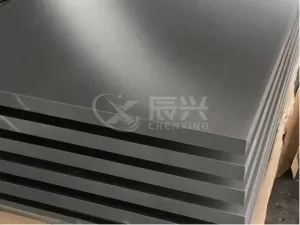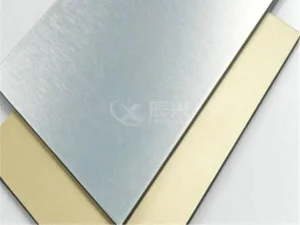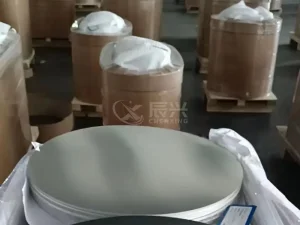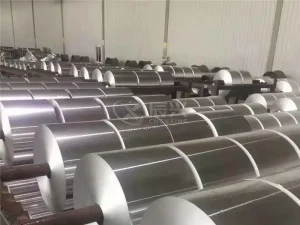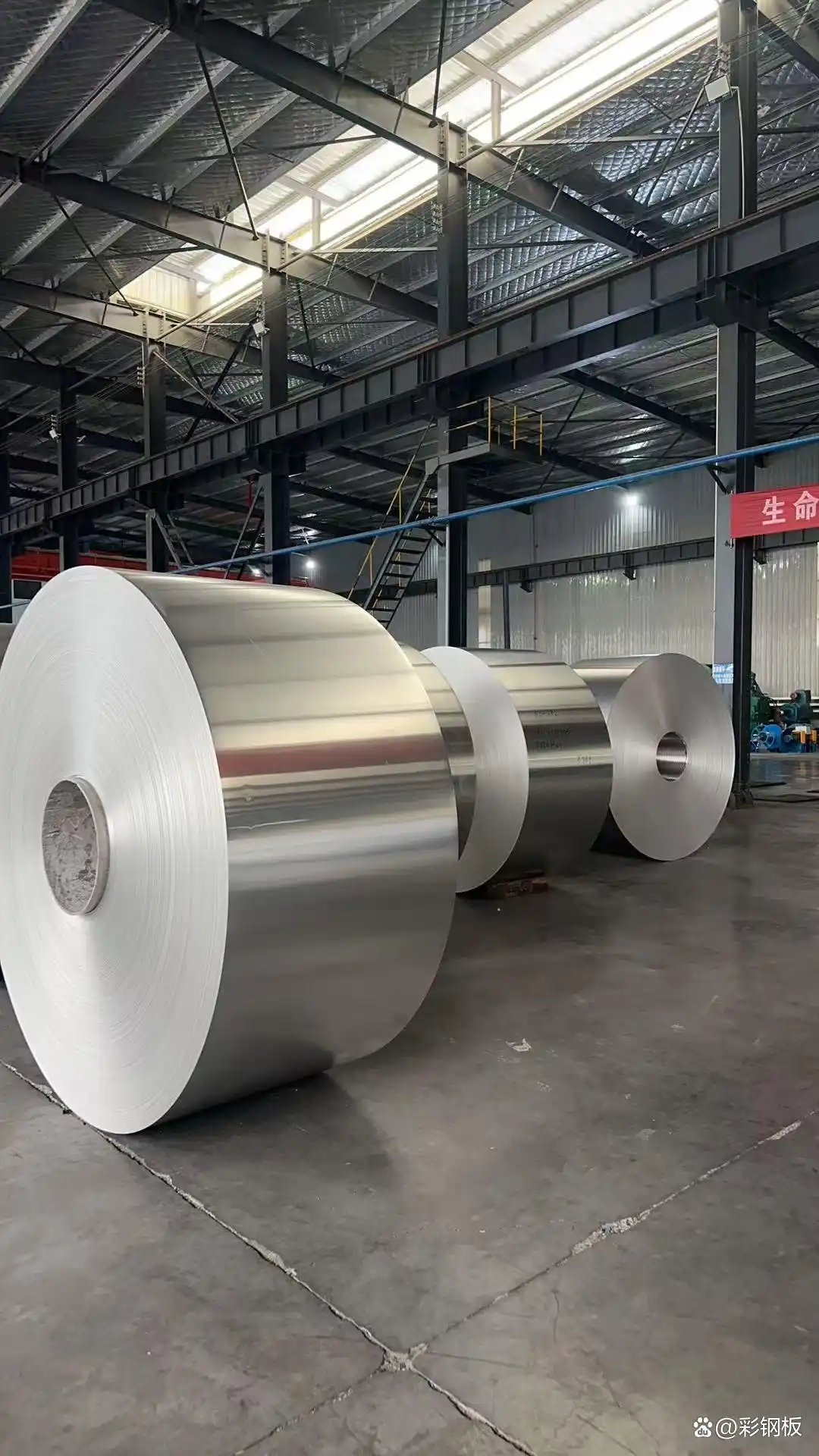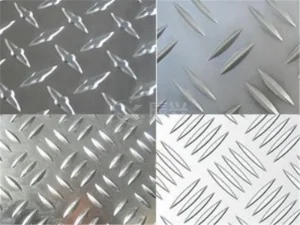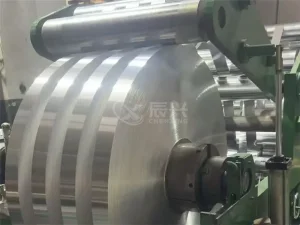
Explore our industrial grade aluminum strips, plates, foils, and circles customized for worldwide engineering projects.
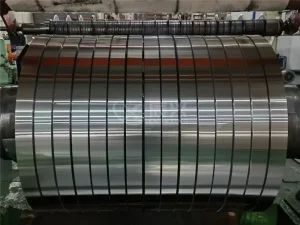
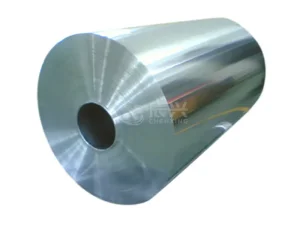
A comprehensive analysis of metallurgy, market evolution, and localized procurement trends.
The 5083 aluminum alloy represents the peak engineering performance of the non-heat-treatable 5xxx Al-Mg series. Compounded primarily with magnesium (ranging from 4.0% to 4.9%) and trace contents of manganese and chromium, this alloy is micro-engineered to deliver outstanding mechanical stability, high welding integrity, and excellent fatigue performance. It is specifically designed to resist stress corrosion cracking (SCC) and pitting in aggressively corrosive saline and atmospheric environments.
Through optimized grain boundary precipitation control, Chinese manufacturers deliver O, H111, H112, H116, and H321 tempers that comply with strict maritime class association requirements. Under temper state H116 or H321, 5083 plate exhibits continuous intermetallic phase boundary networks that effectively isolate metal grains from galvanic action, ensuring hulls, LNG storage tanks, and subsea deep-sea platforms remain structurally integral for decades.
Technical Innovation Insight: Modern 5083 production utilizes advanced inline degassing and electromagnetic filtration systems. This processes the alloy melt down to hydrogen levels of < 0.12ml/100g Al, ensuring zero internal micro-porosity and eliminating potential failure points during subsequent heavy extrusion or precision CNC plate milling operations.
Across Europe, North America, and East Asia, procurement patterns for structural aluminum have evolved. Driven by global initiatives targeting net-zero emissions, light-weighting is no longer just a performance goal—it is a regulatory mandate. Marine vessels engineered using marine-grade 5083 aluminum sheets reduce weight by up to 40% compared to traditional structural steel. This directly correlates with reduced bunker fuel consumption and decreased greenhouse gas output.
Furthermore, the massive deployment of hydrogen and LNG transportation technologies has positioned 5083 aluminum plates at the core of cryogenic storage tank design. With the capability to withstand temperatures down to -196°C without brittle transition failures, 5083 plates provide the mechanical resilience needed by global energy developers. The primary challenge for buyers lies in locating suppliers that can supply plates with ultra-tight thickness tolerances, stable flatness values, and verified ultrasonic testing (UT) certifications.
Choosing the correct temper state ensures optimal processing yields and structural reliability in extreme service conditions.
| Temper State | Tensile Strength (UTS, MPa) | Yield Strength (0.2%, MPa) | Elongation (%) | Typical Applications | Corrosion Susceptibility |
|---|---|---|---|---|---|
| 5083-O | 270 - 350 | ≥ 125 | ≥ 16 | Cryogenic Vessels, Storage Tanks | Highly resistant to exfoliation |
| 5083-H111 | 275 - 350 | ≥ 125 | ≥ 15 | Automotive Parts, Tooling Fixtures | Excellent structural durability |
| 5083-H112 | ≥ 275 | ≥ 125 | ≥ 14 | General Structural Frameworks | Standard atmospheric protection |
| 5083-H116 | 305 - 380 | ≥ 215 | ≥ 10 | High-Speed Yachts, Hull Plating | Fully resistant to intergranular attack |
| 5083-H321 | 305 - 385 | ≥ 215 | ≥ 12 | Navy Vessels, Armor Plating | Premium resistance in extreme salinity |
The landscape of aluminum fabrication in China has evolved through the implementation of Industry 4.0 methodologies. Modern mills have moved past simple high-volume extrusion. Leading plants operate automated smart rolling systems featuring closed-loop thickness controls. These systems regulate roller pressures in real-time, achieving uniform thickness profiles down to tolerances of ±0.05 mm across massive plates.
Integrating ERP systems with MES fabrication queues allows factories to offer transparent material tracking. Each plate is stamped with a unique batch identifier linkable to its primary casting melt record. The production cycle incorporates continuous online testing, automated surface defect inspection, and systematic mechanical test sampling. This digital quality workflow minimizes product variance, allowing Chinese manufacturers to maintain consistent supply cycles and stable lead times despite shifting global logistics and raw material pricing.
Depending on the local operating conditions, the performance expectations of 5083 alloy vary:
Providing certified high-strength aluminum alloys backed by transparent quality verification and responsive client services.


Our aluminum sheets are optimized for demanding engineering projects worldwide.




Stay informed with the latest updates from our production facilities and global metal markets.
Connect with our metallurgical engineering team. Get comprehensive chemical analysis reports, physical property certifications, and detailed pricing details within 24 hours.
Direct technical explanations addressing standard procurement challenges, compliance requirements, and alloy handling.
Compare alternative high-performance plates, coils, and foils for specialized mechanical applications.