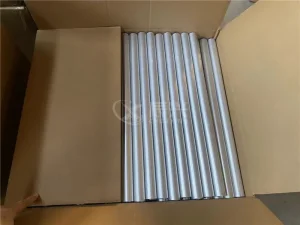
Premium 3003 and specialized alloys supplied directly from China's advanced cold-rolling and precision finishing production lines.
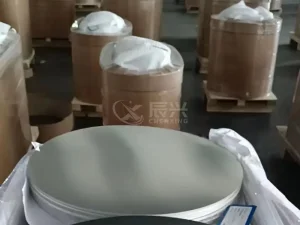
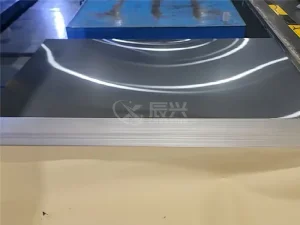
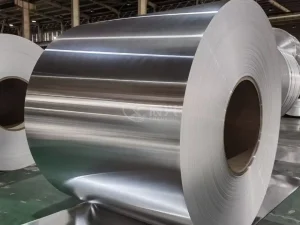
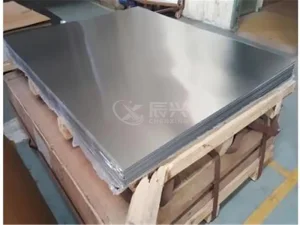
A comprehensive assessment of metallurgical standards, production capacity, mechanical performance parameters, and key trends shaping the modern metal logistics industry.
The 3003 aluminum alloy represents a major component in industrial materials manufacturing. Formulated in the Aluminium-Manganese (Al-Mn) alloy system, it is classified under the 3xxx series of non-heat-treatable alloys. The alloy's primary strengthening element is Manganese ($Mn$), typically kept within a tight band of 1.0% to 1.5%. This specific chemistry provides a material that is roughly 20% stronger than pure aluminum (such as the 1000 series, including the 1050 grade) while retaining exceptional formability, high corrosion resistance, and superb weldability.
On a global scale, the demand for 3003 sheet aluminum is heavily driven by the automotive, thermal management (HVAC), construction, and packaging sectors. Because of its balance between structural integrity and ductility, it is widely used in deep-drawn industrial components like EV battery enclosures and HVAC condenser systems. Chinese manufacturing hubs, supported by integrated supply chains, advanced hot-rolling lines, and high-precision cold-rolling mills, account for a substantial share of global production capacity.
Understanding mechanical behavior requires an analysis of temper classifications. The mechanical performance of 3003 aluminum sheets is determined by strain hardening (cold working), labeled with various 'H' tempers, or the fully annealed status ('O' temper):
| Temper Designation | Tensile Strength (MPa) | Yield Strength (MPa) | Elongation in 50mm (%) | Brinell Hardness (HB) |
|---|---|---|---|---|
| 3003-O | 110 - 145 | ≥ 40 | 25 - 35 | 28 |
| 3003-H12 | 125 - 160 | ≥ 85 | 8 - 18 | 35 |
| 3003-H14 | 140 - 180 | ≥ 115 | 6 - 15 | 40 |
| 3003-H18 | ≥ 200 | ≥ 185 | 2 - 6 | 55 |
The versatility of 3003 aluminum makes it a critical material across a wide range of industrial applications:
For modern EV battery cell packaging, manufacturers rely on the deep-drawing capabilities of 3003-O and 3003-H14 sheets. The alloy's weldability ensures hermetic sealing of battery enclosures via laser welding systems, protecting lithium-ion chemistry from external impacts and atmospheric moisture.
Because of its excellent thermal conductivity and resistance to chemical corrosion in moist environments, 3003 is the industry standard for evaporator plates, radiator fins, and condenser tube assemblies. It is frequently clad with 4xxx series alloys to create composite brazing sheets.
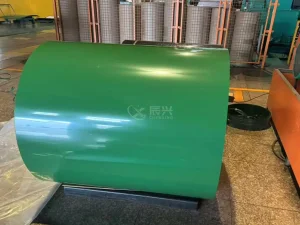
In architectural engineering, PVDF-coated 3003 aluminum coils and sheets provide durable outdoor paneling. The addition of manganese ensures high resistance to wind loads and atmospheric exposure, preventing cracking or peeling over decades of service.
The global aluminum industry is undergoing a transition toward sustainable manufacturing practices. Leading Chinese mills are investing in advanced technologies to align with global carbon reduction targets:
Verified manufacturing capabilities, strict quality control procedures, and comprehensive customer support systems.
A broad range of aluminum products, including coils, circles, and foils, engineered to meet precise industrial requirements.
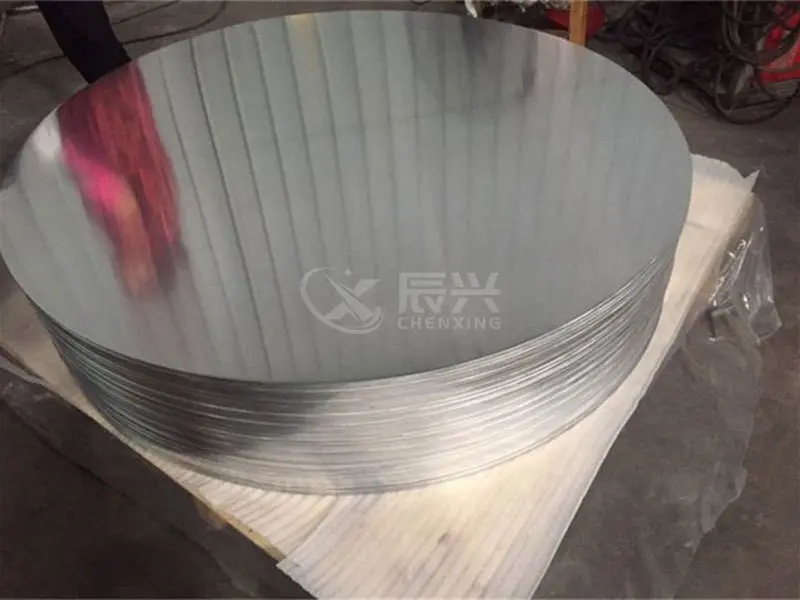
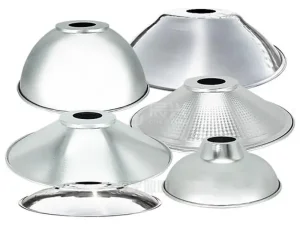
High-purity alloy for deep-drawn lighting fixtures, spinners, and quality hollowware components.
Request Specifications →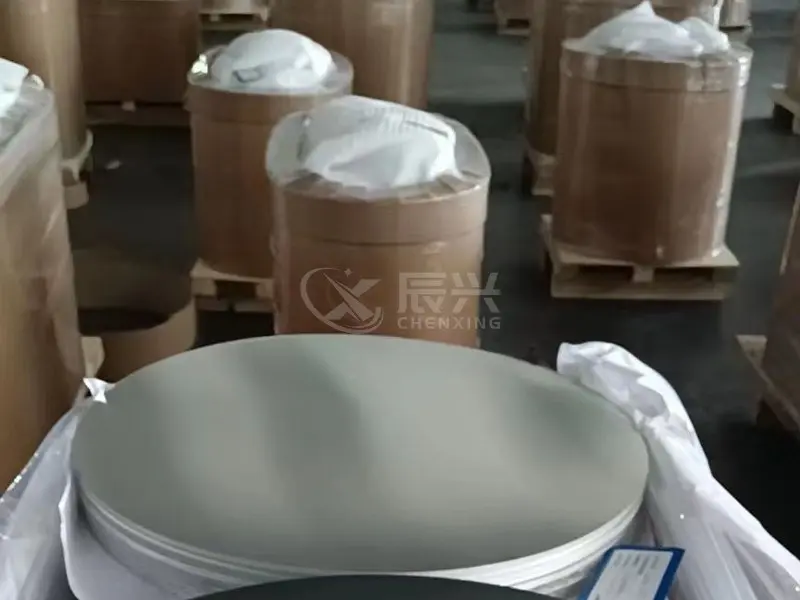
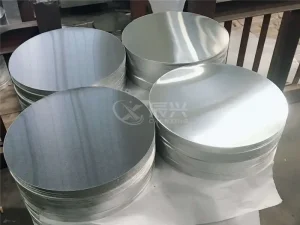
Manganese-alloyed circles offering high mechanical strength and excellent formability.
Request Specifications →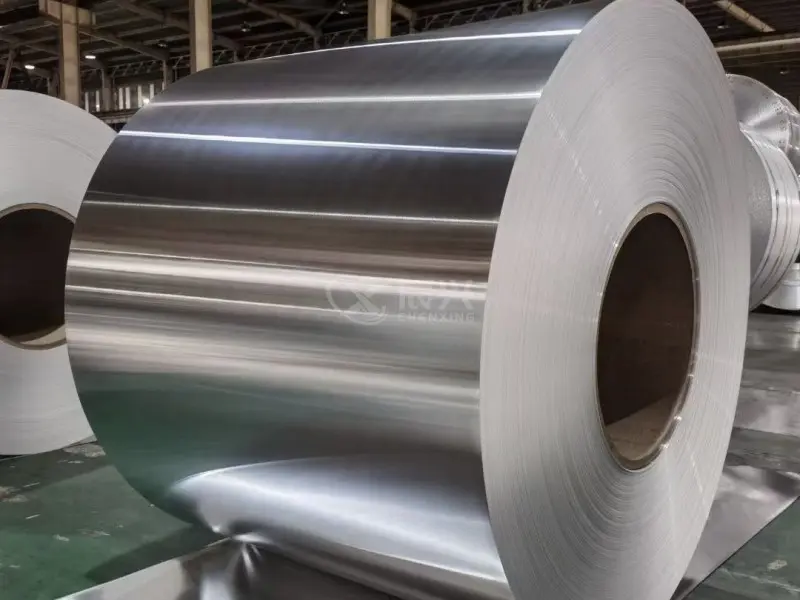
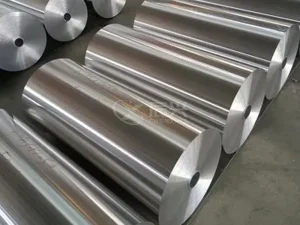
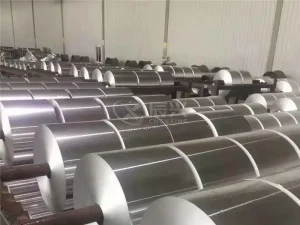
High-grade coils for continuous stamping, architectural panels, and packaging lines.
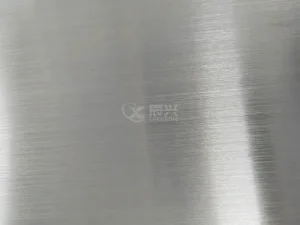
Request Specifications →Anodized brushed surfaces designed for high-end home appliances and decorative architectural panels.
Request Specifications →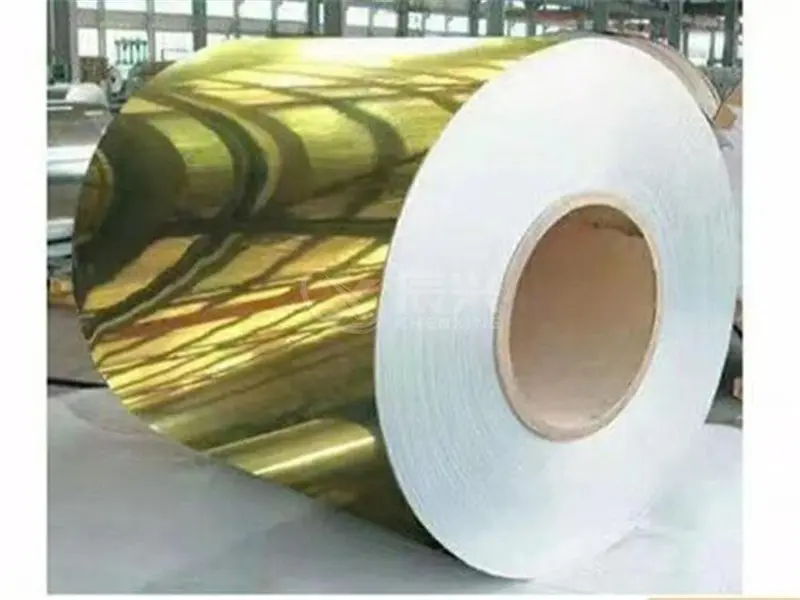
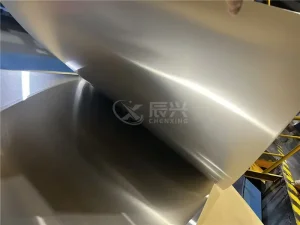
Highly reflective mirror-finish sheets, ideal for solar collectors and architectural lighting reflectors.
Request Specifications →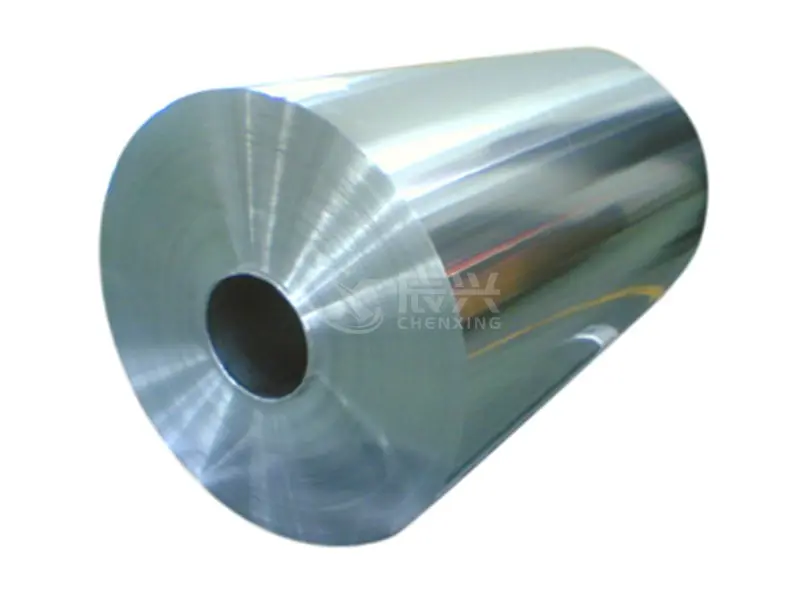
Hydrophilic coated foils designed for efficient thermal transfer in HVAC heat exchangers.
Request Specifications →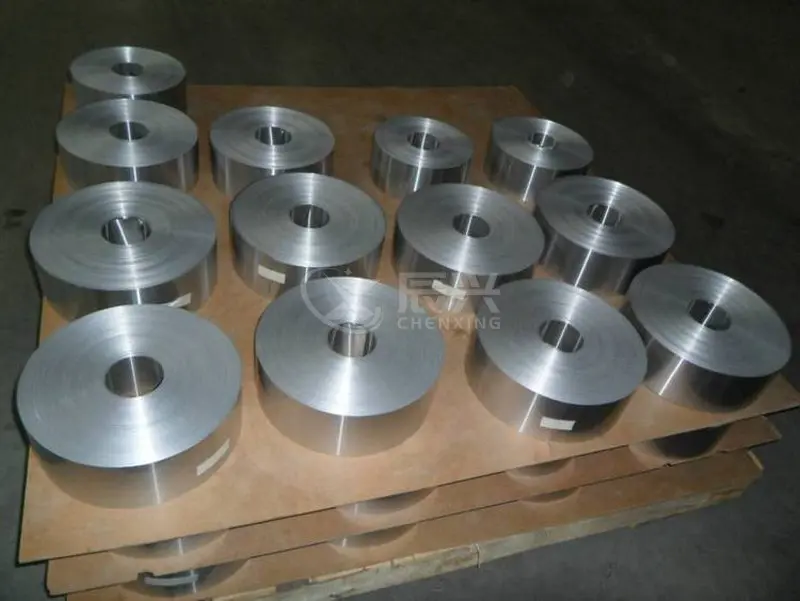
Flexible, durable aluminum foils designed for structural air distribution and exhaust systems.
Request Specifications →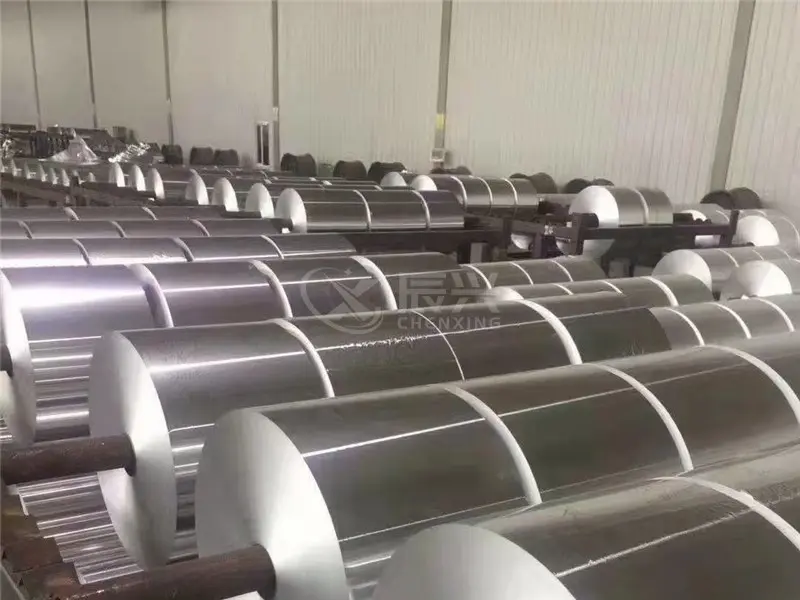
Industrial-grade barrier foils engineered for household, pharmaceutical, and electronic shielding applications.
Request Specifications →High-integrity alloys engineered to meet the demanding requirements of global infrastructure, transport, and technology supply chains.

High strength-to-weight ratio components designed for the automotive, maritime, and railway transit sectors.
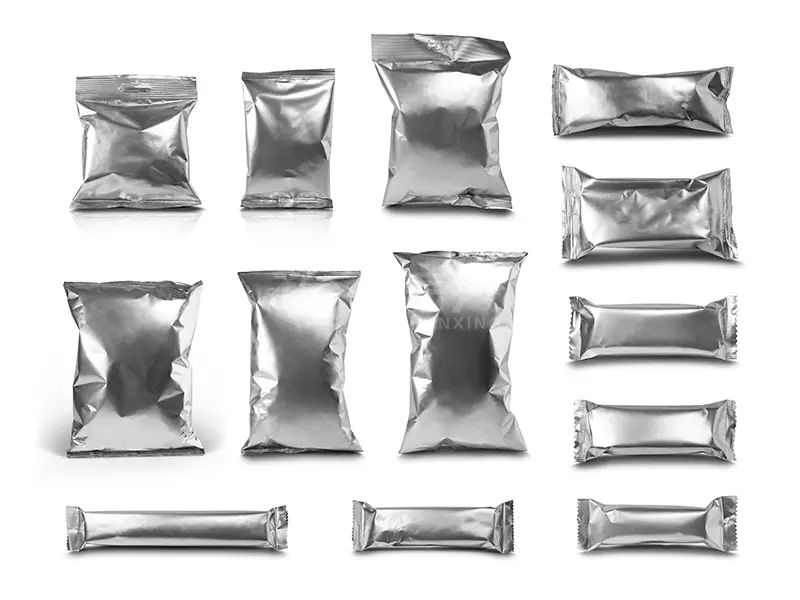
High-barrier packaging materials designed to preserve chemical freshness, food products, and pharmaceutical goods.

High-purity foils and structural alloys designed for battery cell collectors and electronic enclosures.

High-strength, aerospace-grade structural alloys engineered for cabin interiors and structural paneling.
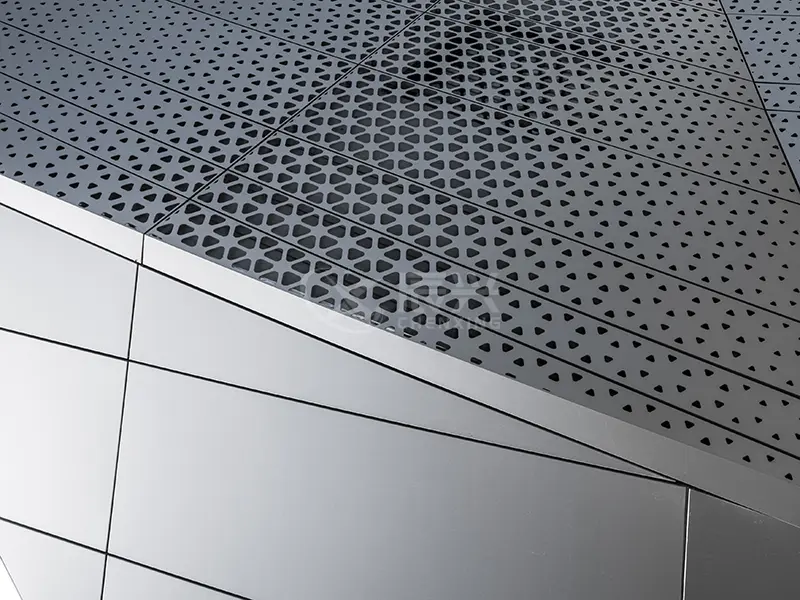
Corrosion-resistant panels and coils designed for roofing, exterior facades, and architectural frameworks.

Aesthetic, brushed surface finishes designed for durable outer panels on home appliances.
In-depth technical answers from our metallurgical engineering team regarding the selection, processing, and application of 3003 aluminum sheets.
Stay informed on the global aluminum trade landscape, factory developments, and technological innovations in the metal industry.
Analyzing international shipping dynamics, tariff shifts, and our updated cold rolling capacity lines designed to meet surging Q3 demand profiles.
Read Article →
An in-depth metallurgical review of battery foil cleanliness, tensile strength requirements, and chemical composition control for EV battery cathode collectors.
Read Article →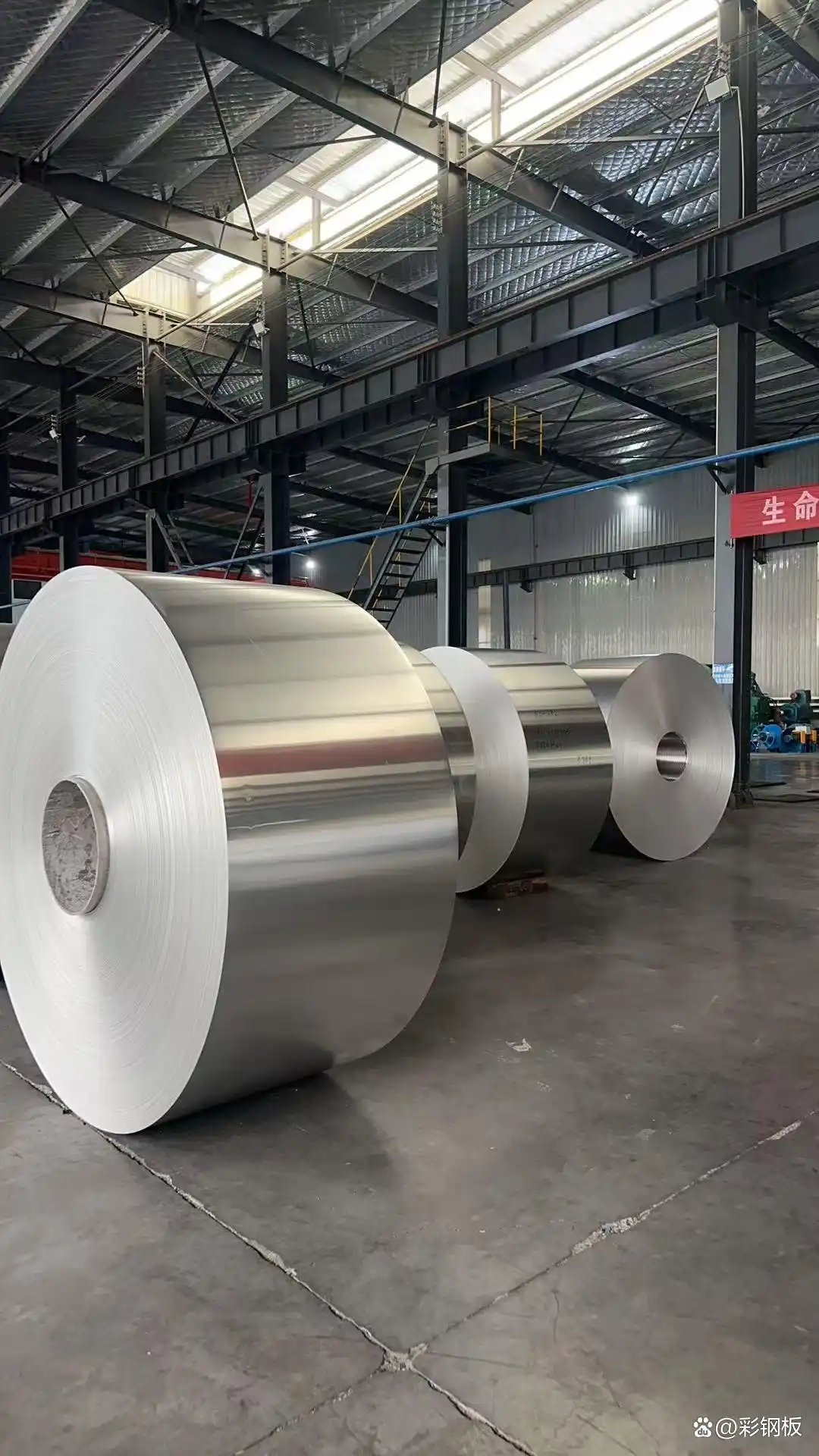
A market report detailing the growth of pre-painted coil integration in LEED-certified construction projects and energy-efficient ductwork.
Read Article →Our engineering and export logistics teams are available to provide technical support, custom dimensions, chemical testing results, and commercial shipping quotes.
Connect With Our Technical TeamExplore our deep-drawn circles, battery foils, and high-performance structural sheets designed for global industrial use.